
Where Can I Learn to Cook Authentic Paella in Barcelona?
Updated: Jul 17

You want real paella. Not the frozen version from a tourist menu. You want to stand at a stove, stir the rice yourself, and understand why locals argue about the right ingredients. Barcelona gives you that chance, but not every class delivers it. Some rush you through a demo. Others let you touch nothing.
This guide answers the question travelers keep typing into search bars: where can I learn to cook authentic paella in Barcelona? You will find the class types, what each one teaches, and how to pick the right one for your trip.
Why Barcelona Is the Right City to Learn Paella
Paella was born in Valencia, not Barcelona. So why learn it here? Because Barcelona holds the tools without the wait. The city sits close to the rice fields and coastline that supply real paella ingredients, and it has built a food tourism scene with real teaching kitchens around them.
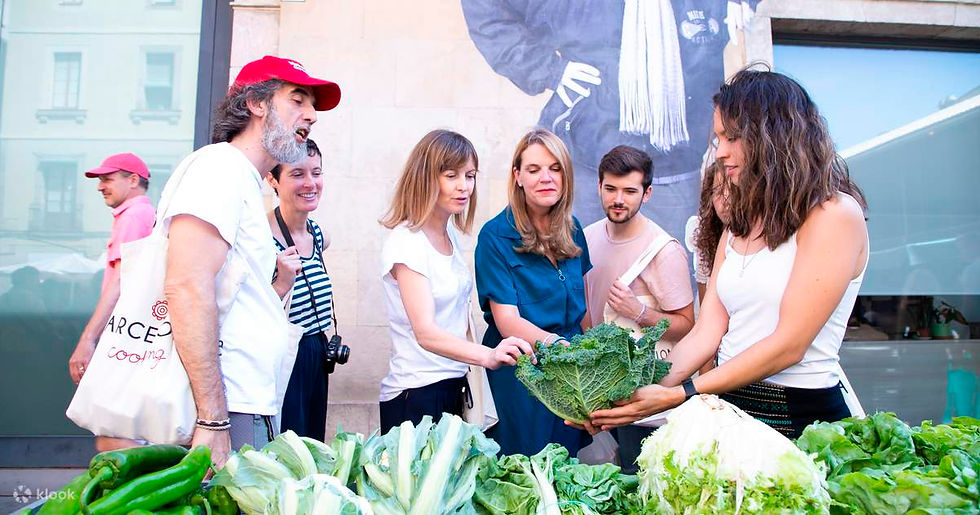
La Boqueria market has fed Catalan kitchens since 1836. Step inside and you see stalls stacked with short grain rice, dried peppers, and fresh seafood, the same items that go into a proper pan. You can browse La Boqueria's own market page to see the scale of it before your trip. Local chefs shop there before every class, and many classes start with a walk through the stalls so you learn to pick ingredients the way a home cook would.
Barcelona also gives you a mixed food culture. Catalan cooking sits right next to Valencian tradition, and both share the same respect for rice, saffron, and slow cooked bases. A chef trained in this city usually knows both traditions well enough to explain where they overlap and where they split. That matters when you ask a question mid class, because you get a real answer instead of a script.
Ask yourself what you actually want from a trip like this. Do you want a photo of a paella pan, or do you want to walk away able to cook one yourself in your own kitchen? Barcelona's class structure, built around small groups and a full market to table flow, is set up for the second goal.
If you want the full picture before you book a spot, this guide on what a Barcelona paella experience actually includes covers the market visit, the tapas, and the cooking session step by step.
Where Can I Learn to Cook Authentic Paella in Barcelona? Four Class Types
Barcelona offers more than one way to learn. Your choice depends on your group size, your budget, and how deep you want to go.
1. Market to Table Group Classes
This is the most common answer to where can I learn to cook authentic paella in Barcelona. You start with a guided walk through La Boqueria, move into a tapas and sangria session, then step into the kitchen for a hands-on paella lesson led by a professional chef.
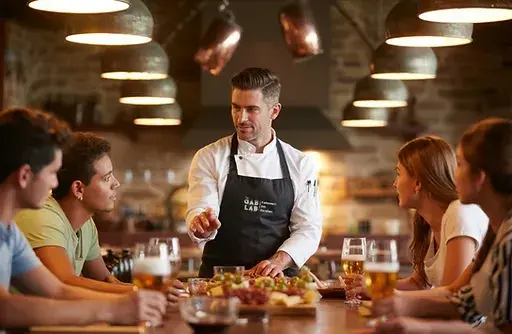
Groups stay small, usually capped at twelve, so the chef corrects your technique instead of narrating from the front. This format works well if you are traveling solo, as a couple, or with a small group of friends who want structure without losing the social part of the trip.
Price: from €107 per person
Duration: about 3 hours
Group size: up to 12 guests
Start times: 10:00 AM, 11:00 AM, 2:00 PM, 3:00 PM, 6:00 PM, 7:00 PM
2. Private Chef Experiences
For families, couples, or small groups who want one on one time, a private class swaps the group setting for a dedicated chef and a market visit built around your preferences.
Price: from €139 per person, varies with group size
Group size: up to 6 guests
Duration: about 3 hours
Start times: 10:00 AM, 2:00 PM, 6:00 PM
3. Tapas and Sangria Workshops
Not a paella class on its own, but a strong companion if you want to taste your way through Spanish cooking before committing to the main event. You learn to make sangria, prepare classic tapas, and sample local beer.
Price: from €54 per person
Duration: 2.5 to 3 hours
Start time: 3:00 PM
4. Paella Paired With Live Flamenco
This option turns your paella class into a full evening. You cook, eat, then watch a live flamenco performance right after dessert.
Price: from €135 per person
Group size: up to 12 guests
Duration: about 4.5 hours
Start time: 2:00 PM
A Walkthrough: What Actually Happens Inside a Barcelona Paella Class
Knowing the price and duration only tells you so much. Here is what the three hours usually look like once you arrive, so you know what to expect before you book.
Stage One: The Market Visit
You meet your group and chef near La Boqueria. The chef walks you through the stalls and points out what makes each ingredient worth buying. You see how locals judge a fresh piece of fish, how saffron is priced and sold, and why Bomba rice sits in its own section separate from long grain varieties. This is not a passive tour. Expect questions thrown your way, and expect to pick a few ingredients yourself.
Stage Two: Tapas and Sangria
Back at the teaching kitchen, you sit down for a round of tapas and a sangria making session. This part of the class exists for a reason beyond taste. It gives your group time to relax, ask questions, and get comfortable before the cooking starts. A chef who rushes this stage usually rushes the paella lesson too.
Stage Three: The Paella Lesson
This is the core of the class. You build a sofrito from scratch, add stock and saffron at the right moment, and manage heat across the full cooking time. A good chef stays close during this stage, correcting your stirring, your timing, and your read on the rice. You should leave this stage having touched every part of the process, not just watched it happen.
Stage Four: The Feast
You sit down and eat what you cooked, together with your group. Most classes close with a dessert and a short toast. This stage matters more than it sounds. Tasting your own paella, side by side with people who cooked it with you, is what turns a lesson into a memory you actually keep.
What a Real Paella Class Should Teach You
A tourist demo shows you a finished pan and calls it a lesson. A real class puts a spoon in your hand and makes you own each stage. Here is what should show up on the stove during any class that claims to teach authentic paella.
Selecting rice: Bomba rice absorbs broth without splitting, which is why it shows up in almost every real paella pan.
Building the sofrito: garlic, tomato, and paprika cooked slow enough to form the base flavor of the whole dish.
Layering saffron and stock: added at the right moment so the rice cooks evenly instead of turning to mush.
Reading the socarrat: the crisp, slightly caramelized rice layer that forms at the bottom of the pan, considered the best bite by most Spanish cooks.
Resting the pan: a few minutes off the heat before serving, so the rice settles and the flavors even out.
For a full walkthrough of each stage, including timing and pan choice, this guide on how to cook authentic Spanish paella breaks down the process the way a Valencian home cook would teach it.
Who Gets the Most Out of a Barcelona Paella Class
Not every traveler wants the same thing from a cooking class. Here is who tends to walk away happiest with each type.
Food-focused travelers who plan trips around markets and meals: the market to table group class.
Couples celebrating an anniversary or honeymoon: the private chef experience.
Friends on a short city break who want variety over a full commitment: the tapas and sangria workshop.
Groups planning a big night out, including bachelor and bachelorette parties: the paella and flamenco evening.
Corporate teams looking for a shared activity that is not another dinner reservation: the market to table group class, booked as a private group.
The Ingredients That Define Authentic Paella
Ask yourself this: if two pans look the same but one uses shortcuts, would you even know? A short list of the right ingredients helps you spot the difference in any class or restaurant.
Ingredient | Role in the Dish | What to Look For |
Bomba rice | Absorbs stock without turning mushy | Short, round grain, firm after cooking |
Saffron | Gives color and a subtle floral note | Real threads, not a powder substitute |
Sofrito base | Builds the core flavor of the dish | Slow cooked garlic, tomato, and paprika |
Rabbit or chicken | Traditional protein in Valencian paella | Bone-in cuts, browned before the rice goes in |
Green beans | Adds texture and a classic vegetable note | Flat, fresh beans, not canned |
Common Mistakes Beginners Make With Paella
Most home cooks who fail at paella make the same handful of errors. A hands-on class exists to correct exactly these habits.
Stirring the rice after it hits the pan, which breaks the socarrat before it forms.
Using the wrong rice, since long grain varieties turn soft instead of holding their shape.
Adding too much stock at once instead of letting the rice absorb it in stages.
Skipping the sofrito, or rushing it, which leaves the whole dish tasting flat.
Serving straight off the heat instead of letting the pan rest a few minutes first.
Barcelona Paella Classes Versus Learning Alone at Home
You could try to learn paella from a video and a grocery store rice bag. Some people do. Here is what changes when you learn in Barcelona instead.
Factor | Learning Alone at Home | A Barcelona Paella Class |
Ingredient access | Limited to what your local store carries | Bomba rice, saffron, and fresh seafood at the source |
Feedback | No one corrects your technique | A chef watches and adjusts your method in real time |
Context | Recipes without the story behind them | Market visit and cultural background included |
Repeatability | Trial and error over many attempts | Recipe cards to recreate the dish correctly the first time |
Barcelona Paella Classes Compared
Use this table to match a class format to your trip before you book.
Class | Price From | Group Size | Duration | Best For |
Market to Table Signature Class | €107 | Up to 12 | 3 hours | First timers, solo travelers, groups of friends |
Private Chef Experience | €139 | Up to 6 | 3 hours | Families, celebrations, couples |
Tapas & Sangria Workshop | €54 | Varies | 2.5 to 3 hours | Pairing with another activity, shorter visits |
Paella & Flamenco Evening | €135 | Up to 12 | 4.5 hours | Date night, special occasions, full evening plans |
Authentic Paella Versus the Tourist Version
Ask a Valencian cook what belongs in a true paella and you get a strict answer: chicken, rabbit, green beans, sometimes snails, and rice grown in specific paddies near Valencia. Seafood paella and mixed paella are real dishes too, but purists keep them in a separate category from the original recipe.
The debate over what counts as real paella runs deep enough that Wikipedia's entry on the dish tracks the arguments over chorizo, peas, and seafood additions in detail. Knowing this history helps you spot a class built on real technique rather than a shortcut recipe designed for tourists.
A tourist trap version skips the sofrito, uses pre cooked rice, or rushes the socarrat. A class built on tradition slows down at exactly those points, because that is where the flavor actually comes from.
Here is a short list of red flags that point to a shortcut class rather than a real one. If you spot two or more of these, look elsewhere.
The rice arrives already partly cooked before you touch the pan.
The class skips the market entirely and starts you straight at the stove.
Saffron is replaced with a yellow food coloring and no one mentions it.
Groups exceed twenty people, which makes hands-on correction from the chef impossible.
You leave without a recipe card or any notes to recreate the dish at home.
Which Class Should You Actually Book?
With four formats on the table, picking one comes down to a few honest questions about your trip.
Traveling solo or as a couple who wants a social setting: book the market to table group class.
Celebrating a birthday, anniversary, or bachelorette trip: book the private chef experience.
Short on time but still want a taste of Spanish cooking culture: book the tapas and sangria workshop.
Planning a full night out and want more than just a cooking lesson: book the paella and flamenco evening.
None of these choices is wrong. The right one depends on how much time you have in Barcelona and what kind of memory you are trying to build.
When Should You Book Your Class?
Timing changes your experience more than most travelers expect. Peak season means fuller classes and less one on one time with the chef. Shoulder season often means smaller groups and more flexible scheduling.
Spring and fall tend to bring smaller groups and better availability across start times. Summer books out fast, especially the evening slots, since travelers want an activity that gets them out of the midday heat. Winter has the lightest crowds, which suits travelers who want more direct time with the chef.
This guide on the best time to book a paella cooking class in Barcelona breaks down the calendar month by month, including which weeks fill up first.
What to Check Before You Book
Group size cap, so you know if you will get hands-on time or just watch
What is actually included: drinks, market visit, recipe cards
Language the class is taught in
Dietary options for vegetarian, vegan, or allergy needs
Cancellation policy in case your plans shift
Start times that fit around the rest of your day
A Short History of the Dish You Are About to Cook
Paella started as a farm worker's lunch near Valencia, cooked over an open fire with rice, rabbit, snails, and whatever vegetables were on hand that day. The name itself points back to the pan, not the food, tracing to an old word for a wide, flat dish. Rice reached Spain through Arab traders centuries earlier, and the fields around Valencia turned out to grow it well.
The dish stayed a regional meal for generations before travelers and later tourism carried it across Spain and beyond. Along the way, seafood versions and mixed versions appeared, which is why you now see paella marinera and paella mixta on menus everywhere from Barcelona to cities far outside Spain. Knowing this background helps you understand why a chef in a Barcelona class might pause to explain which version you are making, and why that distinction matters to Spanish cooks.
What to Wear and Bring to Your Class
You do not need special gear for a hands-on paella class, but a few small choices make the three hours more comfortable.
Closed-toe shoes, since you will stand at a stove and near hot pans.
Clothes you do not mind splashing a little oil or sofrito on.
A reusable water bottle, especially for classes in the warmer months.
An appetite. You will taste tapas, sangria, and a full paella serving before the class ends.
A phone or camera if you want photos of the market stalls and your finished pan.
Tips to Get More Out of Your Paella Class
A class only teaches you as much as you put into it. A few habits separate travelers who walk away with a real skill from those who walk away with just a nice photo.
Arrive hungry and rested, since three hours of standing, cooking, and tasting adds up.
Ask the chef why, not just what. Understanding why rice absorbs stock a certain way sticks longer than a step you just copied.
Take a photo of the recipe card notes, even if you also get a copy, since your own notes highlight what stood out to you.
Try the dish again at home within a few weeks, while the technique is still fresh in your hands.
Skip a heavy lunch beforehand. You will taste sangria, tapas, and a full paella serving before the class ends.
Frequently Asked Questions
Do I need cooking experience to learn paella in Barcelona?
No. Classes are built for complete beginners. You get step by step guidance from a professional chef, so prior kitchen skills are not required.
Are vegetarian options available?
Most classes offer a vegetarian version of the dish. Confirm with the operator when you book so the kitchen can prepare ingredients ahead of time.
How long does a paella class take?
The signature group class runs about 3 hours. The flamenco add on stretches that to roughly 4.5 hours.
What language is the class taught in?
Classes typically run in English, with Spanish available depending on the group. Ask ahead if you need a different language.
What is the cancellation policy?
Policies vary by operator. Check the specific terms at booking, since most classes require notice a set number of days in advance for a refund.
Where does the class take place?
Sessions run in central Barcelona, starting at La Boqueria market before moving to a dedicated teaching kitchen nearby.
Is this suitable for a corporate group or a team outing?
Yes. Group classes work well for team building, since the small class size keeps everyone involved instead of splitting people into spectators and cooks. Ask about group rates if your team is larger than the standard cap.
Can I bring kids to a paella class?
Families do join group classes, though the hands-on stove work is better suited to older children who can safely handle a hot pan under supervision. Ask the operator directly if you are traveling with young kids.
How a Paella Class Fits Into a Barcelona Itinerary
A three hour class fits neatly into a single morning or afternoon block, which leaves the rest of your day free. Many travelers pair a 10:00 AM class with an afternoon at the beach, or book the 6:00 PM slot after a full day of sightseeing so the evening ends with a sit-down meal instead of another restaurant search.
If you are visiting Barcelona for more than three days, consider booking your class in the first half of the trip. That gives you a chance to spot the ingredients you learned about in other restaurants and markets for the rest of your stay, instead of only recognizing them on your last night in the city.
Solo travelers often ask if a group class feels awkward without a partner or friend along. In practice, the format works in your favor. Small groups mean you talk to your chef and fellow travelers throughout the three hours, and cooking together tends to break the ice faster than a shared meal at a restaurant table.
Why Take a Class Instead of Just Eating Paella in a Restaurant
Eating paella tells you what it should taste like. Cooking it tells you why. You learn to judge rice by touch, control heat without a recipe card, and recreate the dish at home instead of chasing it in restaurants that cut corners.
A restaurant meal ends the moment you pay the bill. A cooking class gives you a skill that keeps paying off long after your flight home. The next time you host friends or family, you are not ordering takeout Spanish food. You are standing at your own stove, building a sofrito the way a Barcelona chef showed you, and serving a dish you can actually explain from the first step to the last.
For a deeper case for hands-on learning over a restaurant meal, this article on why you should take a paella cooking class in Barcelona lays out the reasoning in full.
Your Next Step
You now know where to learn to cook authentic paella in Barcelona and what separates a real class from a shortcut. You know the four formats, what a real chef should teach you at the stove, and how to spot a class that skips the parts that actually matter.
Pick the format that matches your trip, book ahead if you are traveling in peak months, and show up ready to get your hands in the rice. A pan of paella can taste good in any restaurant. Cooking one yourself, in a Barcelona kitchen, next to a chef who corrects your stirring, is what actually teaches you something you keep.



Comments