
How do you cook authentic Spanish paella?
Updated: Jul 17
Introduction
What makes your paella taste flat and mushy instead of vibrant and alive? Most home cooks struggle with authentic Spanish paella because they skip the fundamental techniques that Spanish families have perfected over generations.
Cooking authentic Spanish paella requires understanding your rice, respecting your heat source, and trusting simple ingredients to do their job. In this guide, you'll learn exactly how to cook authentic Spanish paella using the methods practiced in Valencia, where paella was born.
What is Authentic Spanish Paella?
Paella is more than a rice dish. It's a way of cooking that brings people together. The word "paella" comes from the Arabic word "bakilah," which means "leftover" or "remainder." This makes sense paella developed as a way for Spanish farm workers to use whatever ingredients they had available.
Today, authentic Spanish paella represents a specific cooking method where rice absorbs flavorful stock in a wide, shallow pan. You're not boiling rice in water. You're building layers of flavor through technique, timing, and respect for your ingredients.
Authentic Spanish paella differs from paella served in restaurants worldwide. Many versions use too much liquid, include ingredients that don't belong, or are prepared with shortcuts. Real Spanish paella follows strict principles that home cooks can master.
The dish you make at home should taste like paella made in Spain. That means understanding which rice works best, why saffron matters, and how heat transforms simple ingredients into something memorable.
The History of Spanish Paella
Paella's story begins in the farming communities around Valencia during the 15th century. Farm workers needed quick, one-pot meals they could cook over open fires during harvest season. They combined rice, which grew abundantly in the marshy lands around the Albufera Natural Park, with whatever protein and vegetables were available.
The dish remained regional for centuries. Spanish families prepared paella for festivals and family gatherings. It wasn't until the 20th century that paella became known beyond Spain.
Valencia's geography shaped how paella developed. The Albufera Natural Park provided freshwater and access to seafood. Local markets like La Boqueria offered seasonal vegetables, rabbit, and snails. Saffron and paprika came from other parts of Spain, making these spices affordable additions.
The cooking method adapted to available heat sources. Traditionally, paella was cooked over wood fires outdoors. This direct heat created the socarrat—the crispy, golden crust at the bottom of the pan that gives paella its character.
Understanding this history helps you appreciate why certain ingredients matter. You're not following arbitrary rules. You're honoring techniques that Spanish cooks refined over five centuries.
Why Valencia is the Birthplace of Paella
Valencia didn't invent paella by accident. Geography, agriculture, and culture combined to create the perfect environment for this dish.
The Albufera Natural Park sits just outside Valencia. This wetland region grows rice that became foundational to Spanish cuisine. Spanish rice from Valencia has different qualities than Asian rice varieties—it holds its shape while absorbing liquid without becoming mushy.
Valencia's Mediterranean climate means long growing seasons. This allowed farmers to produce abundant seafood, game birds, rabbit, and seasonal vegetables. Fresh ingredients weren't expensive luxuries. They were everyday ingredients that shaped regional cooking.
Local traditions valued outdoor cooking. Valencian families gathered outside to cook paella for celebrations. The wide paella pan became an iconic symbol of Spanish hospitality and family connection.
When you cook authentic Spanish paella, you're tapping into traditions developed in this specific place. The ingredients work because they evolved together in Valencia's climate and culture.
Modern Valencia still takes paella seriously. The city hosts paella festivals celebrating the dish's origins. You can visit the Albufera Natural Park and see the rice paddies that supply Spanish rice to cooks worldwide.
Traditional Ingredients
Authentic Spanish paella includes a specific list of ingredients. Each serves a purpose. Nothing goes into the pan without reason.
The Foundation: Spanish Rice
The right rice is non-negotiable. Spanish paella rice is short-grain, starchy, and designed to absorb liquid without breaking down. Bomba rice is the traditional choice from Valencia. Calasparra rice offers another authentic option with slightly different cooking properties.
Never use long-grain white rice or jasmine rice. These varieties cook differently and won't give you the texture you need.
Saffron: The Soul of Paella
Saffron threads are the most expensive ingredient in paella. A tiny amount transforms the dish with color and subtle flavor. Saffron's earthy, slightly sweet taste becomes part of the broth, infusing every grain of rice.
You need real saffron. Powdered saffron loses potency. Spanish saffron from La Mancha region offers the best quality and flavor.
Steep saffron threads in warm broth before adding them to your paella. This releases their color and flavor into the liquid.
Spanish Olive Oil
Quality olive oil affects how your sofrito develops. Use Spanish extra virgin olive oil. The oil carries flavor that impacts the final dish.
Cook sofrito on moderate heat to avoid burning the oil. The goal is to develop flavor through gentle cooking, not high-heat searing.
Sofrito Base
Sofrito is the aromatic foundation of paella. You build it by cooking onions and garlic slowly in olive oil until they're soft and golden. Some recipes add tomato paste. The sofrito develops flavor that seasoning can't replicate.
Traditional sofrito takes 10-15 minutes to prepare properly. You're not rushing this step.
Stock: The Hidden Secret
The broth you use determines paella's flavor more than any single ingredient. Spanish cooks traditionally prepare homemade stock from bones and vegetables. This takes time but creates depth that boxed broth can't match.
Your stock must be hot when you add it to rice. Cold stock will shock the rice and disrupt cooking. Heat your broth separately and keep it warm throughout the cooking process.
Proteins: Meat and Seafood
Traditional Valencian paella uses rabbit and chicken. Seafood paella features mussels, clams, shrimp, and sometimes squid.
Quality matters. Fresh seafood from reliable sources ensures better flavor. Frozen seafood works if thawed properly, though fresh is always superior.
Vegetables and Aromatics
Green beans appear in traditional paella. Garrofó beans add texture in some regional versions. Peas provide color and subtle sweetness. Red peppers add flavor and visual appeal.
Seasonal vegetables mean different things depending on when you cook. Spring paella includes tender green beans. Summer versions might feature zucchini or tomatoes. Fall paella often includes mushrooms.
Never include ingredients just because they're colorful. Each vegetable should contribute to flavor.
Choosing the Right Rice
This decision determines your paella's success more than any other choice you make.
Why Bomba Rice Works Best
Bomba rice is the gold standard for authentic Spanish paella. It's grown in Valencia and has unique properties that make it ideal for this dish.
Bomba rice grains expand inward as they cook, absorbing liquid while maintaining their structure. They don't break down or become mushy like other rice varieties. You can stir bomba rice after adding liquid without worrying about texture.
The starch content in bomba rice creates the slight stickiness that makes paella feel complete. It's not risotto—the grains stay separate. There's just enough binding to hold everything together.
You need about 400-500 grams (2 cups) of bomba rice per pound of protein for a paella serving 4-6 people. The ratio matters. Too much rice makes paella heavy. Too little leaves it soupy.
Bomba vs. Calasparra: Understanding the Difference
Calasparra rice comes from the Murcia region of Spain. It's another excellent choice for authentic paella, though it has different characteristics than bomba.
Calasparra rice absorbs liquid slowly. It takes slightly longer to cook but gives you more control over the cooking process. Some Spanish cooks prefer calasparra for this reason.
Bomba rice absorbs liquid faster. You need precise timing to avoid undercooking or overcooking the rice.
Both are authentic. Choose based on your comfort level and rice availability. Either one will produce excellent paella if you follow proper technique.
What to Avoid
Never use arborio rice, which is Italian and designed for risotto. Arborio becomes creamy and mushy, creating risotto texture instead of paella texture.
Long-grain rice like jasmine or basmati won't work. These grains separate too much and create a dry texture.
Short-grain Spanish rice is your only option for authentic results.
The Role of Saffron
Saffron threads are crocus flower stigmas. Each flower produces only three tiny threads, which explains the high cost. A small amount provides significant flavor and color.
Authentic paella gets its distinctive golden hue from saffron, not food coloring. The color comes from crocin, a natural compound in saffron. Real saffron is expensive enough that some cooks use turmeric as a substitute, but this changes the flavor fundamentally.
Spanish saffron from La Mancha is considered the best quality. It's more expensive than saffron from other regions, but the flavor justifies the cost.
How to Prepare Saffron
Never add dry saffron threads directly to your paella. The threads need to bloom in warm liquid to release their color and flavor.
Heat a cup of your broth until steaming. Add your saffron threads (usually 1 teaspoon for 4-6 servings). Let them steep for 10-15 minutes. The broth will turn deep golden.
Pour the infused broth into your paella liquid. This distributes saffron evenly throughout the dish.
If you add saffron late in cooking, the threads won't fully develop their flavor. Start saffron steeping before you begin cooking sofrito.
How to Prepare Sofrito
Sofrito is the aromatic foundation that makes paella taste like paella. It's simple—onions and garlic cooked slowly in olive oil—but it requires attention.
Step-by-Step Sofrito Preparation
Start with medium heat. Pour Spanish olive oil into your paella pan (about 4 tablespoons for 4-6 servings).
Add diced onion (one large onion, finely chopped) and cook for 5 minutes, stirring occasionally. The onion should become translucent and soft.
Add minced garlic (4-6 cloves) and cook for 2 more minutes. Don't let the garlic brown. You want sweet, gentle flavor, not bitter.
If using tomato paste, add 2 tablespoons now and cook for 2 minutes, stirring constantly.
Your sofrito is ready when it's aromatic, golden, and completely soft. The whole process takes 10-15 minutes at moderate heat.
Why Sofrito Matters
Sofrito develops flavor that seasoning alone can't create. Heat breaks down vegetables and releases their natural sugars. This caramelization adds sweetness and depth to your paella.
Fresh garlic and onion taste sharper than cooked versions. Cooking them creates mellow, complex flavors that form the base of everything else.
Never rush sofrito. Low, slow heat produces better results than high heat.
Choosing the Right Stock
The stock you use influences paella's flavor more than most home cooks realize.
Homemade Stock
Traditional Spanish cooking uses homemade stock made from bones, vegetables, and aromatics. A simple chicken stock uses chicken bones, onion, carrot, celery, bay leaf, and water simmered for 2-3 hours.
For seafood paella, fish stock made from white fish bones, shrimp shells, and aromatics creates authentic depth.
Making stock takes time but produces results boxed broth can't match. Stock freezes well, so you can prepare it ahead.
Store-Bought Options
Quality matters more than whether you make stock yourself. A good quality chicken or seafood broth will produce better paella than weak homemade stock.
Avoid broth with excessive sodium. The broth will concentrate as rice absorbs it, and salt levels will increase. Choose low-sodium options when possible.
Never use broth straight from the refrigerator. Heat it to a gentle simmer before adding to your paella pan. Cold broth will disrupt rice cooking.
Stock Quantity
You need about 4 cups of broth for every 2 cups of rice. This ratio ensures rice absorbs liquid evenly without becoming either dry or soupy.
Keep extra heated broth nearby during cooking. Some rice may need a bit more liquid depending on heat intensity and pan size. You want to add more if rice starts drying out before becoming tender.
Seafood vs. Valencian Paella
These two styles represent different traditions and require slightly different approaches.
Paella Valenciana (Traditional)
Traditional Valencian paella uses rabbit and chicken as proteins. This is the original paella from Valencia's farmlands. Green beans and garrofó beans are the only vegetables.
Valencian paella is less common in home cooking than seafood paella. It requires sourcing rabbit, which isn't available everywhere. Some cooks substitute chicken with added flavor.
Cook Valencian paella the same way as seafood paella. The difference is protein selection and vegetables, not technique.
Seafood Paella
Seafood paella uses mussels, clams, shrimp, and sometimes squid. It's the most popular version in restaurants and home kitchens.
Seafood cooks quickly. Add it near the end of cooking to avoid overcooking. Shrimp takes 3-4 minutes. Clams and mussels open in 2-3 minutes.
Add seafood in stages based on cooking time. Large mussels go in before smaller clams. Shrimp goes in last.
Comparison Table: Valencian vs. Seafood
Aspect | Valencian | Seafood |
Primary Protein | Rabbit, Chicken | Mussels, Clams, Shrimp |
Vegetables | Green Beans, Garrofó | Peas, Red Peppers, Green Beans |
Cooking Difficulty | Moderate | Moderate to Advanced |
Ingredient Sourcing | Specialty meats | Fresh seafood |
Flavor Profile | Earthy, Savory | Briny, Fresh |
Cooking Time | 25-30 minutes | 20-25 minutes |
Choosing the Right Paella Pan
The pan you cook in affects heat distribution and cooking results.
Traditional Steel Paella Pan
A paella pan is wide, shallow, and made of steel. It's not a wok. It's not a large skillet. The wide, flat design allows even heat distribution and creates the socarrat crust.
Steel pans range from 30 centimeters (12 inches) to 100 centimeters (39 inches) in diameter. Home cooks typically use 36-40 centimeter (14-16 inch) pans that serve 4-8 people.
The pan has two handles on opposite sides for easier maneuvering. The shallow depth (usually 5-7 centimeters) ensures heat reaches all areas of the rice evenly.
Breaking In a New Pan
New steel pans need seasoning like cast iron. Before first use, heat the dry pan until it smokes. Rub the surface with high-heat oil. Let it cool. Repeat this process 2-3 times.
This seasoning prevents rust and creates a non-stick surface that improves with use.
Pan Size and Cooking Adjustments
A larger pan means wider surface area and faster evaporation. You might need to add more broth. A smaller pan concentrates heat more intensely.
Match your pan size to the amount of rice you're cooking. Don't use a 40-centimeter pan for rice meant for a 30-centimeter pan.
Step-by-Step Authentic Spanish Paella Recipe
Serves 4-6 people
Ingredients
2 cups bomba rice
4 cups warm broth (chicken or seafood)
1 teaspoon saffron threads
4 tablespoons Spanish olive oil
1 large onion, finely diced
6 garlic cloves, minced
2 tablespoons tomato paste
1 red bell pepper, sliced
1 cup fresh green beans, cut into 2-inch pieces
1 cup fresh peas
1 pound seafood (mussels, clams, shrimp) or 1 pound chicken and rabbit
1 teaspoon smoked paprika
Salt and pepper to taste
Fresh lemon wedges
Fresh parsley for garnish
Preparation
Step 1: Prepare Your Ingredients
Measure all ingredients before cooking. Paella moves quickly once you start. Prep prevents scrambling mid-recipe.
Cut vegetables into consistent sizes so they cook evenly. Slice the red pepper into strips about 1 centimeter thick. Cut green beans into 2-inch pieces. Peas are already the right size.
If using seafood, ensure it's clean and ready. Mussels should close when tapped. Remove any that remain open. Clams and shrimp should be cleaned and deveined.
For meat paella, cut chicken into bite-sized pieces. Rabbit should be cut at the joints into serving pieces.
Step 2: Steep the Saffron
Heat 1 cup of your broth until steaming. Add saffron threads and let steep for 15 minutes. The broth will turn deep golden.
Prepare this early so saffron has time to fully release its flavor.
Step 3: Build the Sofrito (10-15 minutes)
Heat olive oil in your paella pan over medium heat. Add diced onion and cook for 5 minutes, stirring occasionally, until soft and translucent.
Add minced garlic and cook for 2 minutes.
Stir in tomato paste and cook for 2 minutes.
Your sofrito is ready when it's aromatic and completely soft.
Step 4: Season the Base (1 minute)
Add smoked paprika to the sofrito and stir for 30 seconds. Let the paprika bloom in the oil.
Add the saffron-infused broth to your pan.
Pour in the remaining 3 cups of broth (keeping it warm in a separate pot).
Add salt and pepper to taste. Remember that broth already contains some salt.
Step 5: Bring to a Boil (3-5 minutes)
Increase heat to medium-high. Let the broth come to a gentle boil. You're ready to add rice when you see small bubbles breaking the surface.
Step 6: Add the Rice (30-35 seconds)
Pour the rice into the boiling broth. Stir for about 30 seconds to prevent the rice from sticking together.
Do not stir again after this initial 30-second stir. Paella depends on rice sitting still so it absorbs broth and develops proper texture.
Step 7: Distribute Other Ingredients
Scatter the red pepper strips, green beans, and peas evenly across the rice.
If making meat paella, arrange the meat pieces across the surface now.
These ingredients will cook during the rice's cooking time.
Step 8: Maintain Heat (10-12 minutes)
Keep the heat at medium to medium-high. You want to hear a gentle sizzle from the pan but not a violent boil.
Watch the rice. You'll see it absorb broth slowly. After about 12 minutes, the liquid level should drop noticeably.
Taste a few grains of rice at the 12-minute mark. They should be starting to soften but not fully cooked.
Step 9: Add Seafood (Last 3-4 minutes)
When rice is almost tender (check at the 18-20 minute mark), arrange seafood on top.
For shrimp: place them on top of the rice and cover them with a few grains.
For mussels and clams: nestle them into the rice with the hinge side down.
The seafood will cook quickly from residual heat and steam.
Step 10: Create Socarrat (Final 2-3 minutes)
Increase heat to medium-high. You'll hear the rice crackling slightly. This is the socarrat—the golden, crispy crust at the bottom. It should smell nutty and delicious.
Listen carefully. The moment you smell the rice browning (not burning—browning), you're ready to remove from heat.
Step 11: Rest the Paella (5 minutes)
Remove from heat. Cover loosely with foil. Let the paella rest for 5 minutes.
This resting time allows carryover cooking to finish the rice and helps seafood finish opening.
Step 12: Serve
Uncover the paella. Check that mussels and clams are fully open. Discard any that haven't opened.
Garnish with fresh parsley and lemon wedges.
Serve directly from the pan, if serving family-style, or plate individually.
Cooking Timeline
Time | Action |
0:00 | Begin sofrito preparation |
10:00 | Sofrito complete, add spices and broth |
14:00 | Rice hits boiling broth |
14:30 | Rice added and stirred once |
18:00 | Add vegetables |
25:00 | Check rice for doneness |
27:00 | Add seafood |
30:00 | Begin creating socarrat |
33:00 | Remove from heat |
38:00 | Paella ready to serve |
How to Create Perfect Socarrat
The socarrat is the crispy golden crust at the bottom of the paella pan. It's prized by Spanish cooks and creates texture contrasts that make paella special.
What Creates Socarrat
Socarrat happens when rice grains contact the hot pan bottom without broth between them. As the broth level drops during cooking, rice touches the pan. Heat caramelizes the rice grains, creating crispness and nutty flavor.
You can't make socarrat if your rice is drowning in broth. The rice must be nearly tender and the liquid mostly absorbed.
When to Create Socarrat
Wait until rice is almost fully cooked. Test a grain. It should be soft when you bite it. The rice should feel slightly firm, not chalky.
Only then increase heat to create socarrat. This takes 2-3 minutes.
How to Tell When Socarrat is Perfect
Listen to the pan. You'll hear light crackling sounds as rice grains toast. The sound increases gradually. You're listening for medium crackling—not silent, not violent.
Smell is your best indicator. Socarrat smells like toasted nuts. Burnt paella smells sharp and acrid. These are very different.
The moment you smell toasted nuts rather than fresh rice, remove from heat. You've achieved perfect socarrat.
How to Avoid Burning Paella
Never make socarrat with seafood still on top of the rice. Seafood will overcook while you're creating the crust.
Remove seafood before increasing heat. You can add it back on top of the finished paella if you want it plated together.
Keep water nearby. If socarrat is developing too quickly, you can add a splash of water to slow cooking. This prevents burning without ruining the dish.
Mistakes That Ruin Paella
Understanding what goes wrong helps you avoid these problems.
Using the Wrong Rice
This is the most common mistake. Long-grain rice or risotto rice produces terrible paella. These rice varieties don't have the starch structure that Spanish paella rice has.
Solution: Purchase bomba or Calasparra rice specifically. Check the package label. It should say "Spanish paella rice."
Stirring After Adding Rice
Many home cooks stir paella throughout cooking, which breaks down the rice and creates mushy texture.
Solution: Stir only once, for 30 seconds, right after adding rice. Then leave it alone.
Adding Cold Broth
Cold liquid shocking hot rice disrupts cooking and creates uneven texture.
Solution: Keep broth hot in a separate pot throughout cooking. Add more if needed, but always add hot broth.
Not Building Sofrito
Rushing the sofrito or skipping it entirely eliminates the aromatic foundation that gives paella its characteristic flavor.
Solution: Spend 10-15 minutes on sofrito. This isn't wasted time. You're building flavor.
Using Low-Quality Saffron
Ground saffron or old saffron loses potency and flavor.
Solution: Buy whole saffron threads. Store them in a cool, dark place. Steep them in warm broth before using.
Crowding the Pan
Too much rice or protein in too small a pan prevents even cooking.
Solution: Match rice amount to pan size. A 36-centimeter pan handles 2 cups rice. A larger pan needs more.
Skipping the Rest Time
Cutting straight to serving prevents carryover cooking and can leave rice slightly underdone.
Solution: Always rest paella for 5 minutes after removing from heat.
Chef Tips for Restaurant-Quality Results
Professional Spanish chefs use these techniques to create exceptional paella.
Pro Tip: Toast Your Rice
Before adding broth, toast the rice dry in the pan for 2-3 minutes over medium heat. This adds nutty flavor and helps the rice absorb broth more evenly.
Stir constantly during toasting to prevent burning. Stop when the rice smells lightly toasted.
Chef Secrets: Use Homemade Stock
Restaurant paella tastes better partly because kitchens make stock daily. Homemade stock creates depth that commercial broth can't replicate.
Make stock when you have time and freeze it. You'll always have excellent stock ready.
Expert Tip: Taste as You Cook
Test rice grains starting at the 18-minute mark. You're checking for doneness, not flavor, but tasting teaches you what done paella feels like.
The rice should be tender when you bite it, with just a tiny bit of firmness in the center. Not hard. Not soft.
Must-Know Fact: Respect the Heat Source
Paella evolved cooking over open fire. High, direct heat creates the socarrat and proper texture. Modern stoves (especially electric) sometimes don't provide enough heat.
If using an electric stove, consider cooking paella on two burners. This spreads heat better across the wide pan.
Local Insight: Buy Fresh Seafood
Spanish cooks insist on fresh seafood. They buy mussels and clams the same day they cook paella. The difference in flavor is remarkable.
Visit a fishmonger rather than grocery store seafood if possible. Ask when seafood arrived. Same-day fish is always better than three days old.
Regional Variations Across Spain
Paella isn't one-size-fits-all. Different regions have different traditions.
Paella Valenciana
The original paella from Valencia uses rabbit and chicken. Some versions include snails. Green beans and garrofó beans are traditional vegetables. No seafood in true Valencian paella.
This version is harder to find outside Spain because sourcing rabbit isn't common everywhere.
Paella de Marisco (Seafood Paella)
This coastal version uses mussels, clams, and shrimp. It developed in fishing communities where seafood was abundant.
Red peppers, peas, and green beans create color and flavor. Some versions include squid.
Paella Negra (Black Paella)
This Valencian specialty uses squid ink instead of saffron, creating dark coloring. Squid is the primary protein.
The flavor is stronger than traditional paella, with briny, oceanic notes.
Paella de Montaña (Mountain Paella)
Inland versions use meat, vegetables, and beans instead of seafood. Chorizo, bacon, and fresh sausage add depth.
These rustic versions developed in regions without seafood access.
Arroz a Banda
This rice dish cooks in seafood-flavored broth but serves the seafood separately. The rice absorbs intense flavor while staying distinct.
It's technically different from paella but uses similar technique.
Best Drinks With Paella
Food pairing matters as much as cooking technique.
Albariño
This white wine from Galicia is bright and mineral. Its acidity balances seafood paella perfectly. Albariño has enough flavor to stand up to garlic and saffron without overwhelming them.
This is the classic choice for seafood paella in Spanish restaurants.
Vermentino
A crisp Italian white wine that works well with Mediterranean ingredients. It's more subtle than Albariño but still refreshing.
Spanish Rosé
Pink wines from regions like Navarra pair beautifully with both seafood and meat paella. They have enough body to complement the dish without being heavy.
Agua con Gas (Sparkling Water)
Many Spanish families serve paella with sparkling water. It cleanses the palate without competing with flavors.
Red Wine (Sparingly)
Tempranillo or Garnacha from Spain can work with Valencian meat paella, though most paella is enjoyed with white wine or water.
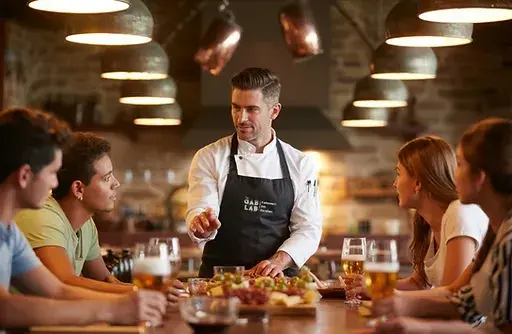
Where to Learn Authentic Paella in Barcelona
Barcelona offers cooking classes specifically focused on authentic paella.
Gastronomic Arts Barcelona
Gastronomic Arts Barcelona offers traditional paella cooking classes taught by local chefs. These classes cover ingredient selection, technique, and regional variations.
The ultimate paella cooking class includes market visits to La Boqueria, where you'll shop for ingredients like a Spanish chef.
For serious students, the premium paella masterclass provides deeper instruction on technique and professional cooking methods.
Private and Group Options
Groups can arrange private paella experiences designed for specific interests. Corporate teams can participate in team-building workshops where paella cooking becomes a shared experience.
Why a Cooking Class Improves Your Skills
Learning paella from an expert Spanish chef provides benefits you can't get from a recipe.
You'll see proper technique in action. Watching an experienced cook build sofrito, hear the right sounds during socarrat, and feel the pan's heat teaches you things reading can't convey.
A chef can answer your specific questions. What should socarrat smell like? Why did your rice stick together? These real-time answers solve problems that often frustrate home cooks.
You'll taste authentic paella made by someone who's cooked it hundreds of times. This creates a reference point for what perfect paella tastes like.
Most importantly, you'll gain confidence. Once you've cooked paella with expert guidance, you know you can do it at home alone.
Frequently Asked Questions
How do you cook authentic Spanish paella?
Cook authentic Spanish paella by building a flavorful sofrito of onions and garlic, adding bomba rice to hot broth with saffron, and allowing the rice to absorb liquid without stirring. After 25-30 minutes, when rice is tender and liquid is mostly absorbed, increase heat to create socarrat—the crispy golden crust at the bottom.
The entire cooking process from start to finish takes about 35-40 minutes. The key is respecting your heat source, using proper Spanish rice, and trusting the simple cooking method that has worked for centuries.
What rice is best for authentic paella?
Bomba rice from Valencia is the traditional choice for authentic paella. It's specifically bred to absorb broth while maintaining its shape and texture. Calasparra rice from the Murcia region is another excellent authentic option.
Both are short-grain Spanish rice varieties designed for paella cooking. Never use long-grain rice, jasmine rice, or arborio risotto rice—these create different textures that aren't authentic paella.
Can you make authentic paella without seafood?
Yes. Traditional Valencian paella uses rabbit and chicken, not seafood. This is the original paella from farming communities. You can also make paella with only chicken or with meat like chorizo and sausage.
The cooking technique stays the same—only the protein changes. Meat paella may require slightly longer cooking than seafood paella, but the basic method works perfectly.
Why is saffron used in paella?
Saffron gives authentic paella its distinctive golden color and subtle earthy flavor. It's expensive, which shows the dish's importance in Spanish cuisine. The color comes from saffron's natural compounds, not food coloring. Saffron's flavor becomes part of the broth and seasons every grain of rice. The amount used is small (about 1 teaspoon for 4-6 servings), but the impact is significant.
What is socarrat?
Socarrat is the crispy, golden crust at the bottom of the paella pan. It's created when rice grains contact the hot pan bottom without broth between them. This happens near the end of cooking when broth has mostly been absorbed.
Socarrat smells nutty and creates contrasting texture—crispy bottom with tender rice above. It's not burnt paella. The key is removing from heat the moment you smell toasted nuts rather than burnt rice.
Can I cook paella without a paella pan?
A traditional paella pan is ideal because its wide, shallow design distributes heat evenly. However, you can use a large, shallow skillet if a paella pan isn't available. A Dutch oven or large saucepan works in a pinch.
The cooking will be slightly different you might need to adjust heat and timing—but the basic technique works. The result may not have the same socarrat quality, but you'll still produce edible paella. For best results, purchase a proper paella pan (around $25-40 for home sizes).
Should you stir paella after adding the rice?
No. Never stir paella after adding rice. Stir only once for about 30 seconds right after you add the rice to prevent it from clumping. After that, don't touch it. Continuous stirring breaks down the rice and creates mushy texture. The rice needs to sit still so it absorbs broth evenly and develops the proper firm texture.
How long does authentic paella take to cook?
From start to finish, authentic paella takes about 35-40 minutes. Building sofrito takes 10-15 minutes. Cooking the rice after adding broth takes about 25-30 minutes. The rest period at the end takes 5 minutes. You can't significantly speed this up without affecting quality. Rushing the sofrito or using insufficient heat produces inferior paella.
What is the difference between Valencian and seafood paella?
Valencian paella uses rabbit and chicken as protein with green beans and garrofó beans as vegetables. Seafood paella uses mussels, clams, shrimp, and sometimes squid. Both are authentic paella made with identical technique. The difference is ingredient selection, not method. Valencian paella represents the original version from farming communities. Seafood paella developed in coastal regions where fish was abundant.
Where can I learn to cook authentic Spanish paella in Barcelona?
Gastronomic Arts Barcelona offers comprehensive paella cooking classes with instruction from Spanish chefs. The paella class covers ingredient selection, technique, and regional variations.
More intensive options include the ultimate paella cooking class with market visits and the premium paella masterclass. Learning from an expert accelerates your skill development beyond what self-teaching can achieve.
Rice Comparison Table for Paella
Rice Variety | Origin | Starch Content | Liquid Absorption | Texture | Best For | Cost |
Bomba | Valencia, Spain | High | Slow | Firm, Separate | Traditional Paella | $$ |
Calasparra | Murcia, Spain | High | Slow | Firm, Separate | Authentic Paella | $$ |
Arborio | Italy | Very High | Fast | Creamy, Mushy | Risotto (Not Paella) | $ |
Jasmine | Thailand | Low | Fast | Separate, Light | Stir-Fries | $ |
Basmati | India | Low | Fast | Separate, Light | Pilaf Rice | $ |
Equipment Checklist for Paella
Paella Pan (36-40 cm diameter for home cooking)
Wooden Spoon (for stirring sofrito, not rice)
Heat Source (gas stove or outdoor burner for best results)
Separate Pot (for heating broth)
Measuring Cups and Spoons
Cutting Board and Knife
Colander (for rinsing vegetables)
Kitchen Thermometer (optional, for monitoring broth temperature)
Lid or Foil (for resting paella)
Tongs (for arranging seafood)
Serving Guide for Paella
Individual Plate Serving
Use a large spoon to portion paella into wide, shallow bowls. Include rice, vegetables, and protein. Garnish with fresh parsley and serve with lemon wedges.
Family-Style Serving
Bring the paella pan directly to the table. Provide large spoons and let diners help themselves directly from the pan. This is the traditional Spanish way.
Portion Sizes
Plan on about 3/4 cup uncooked rice per person. A 2-cup batch of rice serves 4-6 people depending on appetite and accompanying dishes.
Temperature
Serve paella hot. It cools quickly in shallow servings, so eat soon after dishing.
Accompaniments
Provide lemon wedges, crusty bread, and a simple green salad. Alioli (garlic mayonnaise) is traditional but optional.
Additional Insights on Mediterranean Cooking
Paella isn't just a dish. It's part of Mediterranean cooking traditions that span centuries. Spain, Italy, Greece, and North Africa share similar approaches to food—simple ingredients, respect for seasonality, and cooking methods that honor rather than hide flavors.
Mediterranean cooking emphasizes quality ingredients over complexity. You use good olive oil, fresh vegetables, and proteins that taste like themselves. Your cooking technique gets out of the way.
This philosophy makes paella accessible to home cooks. You don't need fancy equipment or exotic ingredients. You need Spanish rice, saffron, fresh broth, and proper technique.
When you cook authentic Spanish paella, you're participating in traditions that have fed Mediterranean families for generations.
Conclusion
Learning how to cook authentic Spanish paella transforms your cooking skills and deepens your appreciation for Spanish food culture. Authentic Spanish paella isn't complicated, but it demands respect for technique and ingredient quality.
The steps are straightforward: build your sofrito carefully, add proper Spanish rice to hot broth with saffron, let the rice absorb liquid without stirring, and finish with socarrat. The entire process takes less than 40 minutes.
What makes authentic Spanish paella different from other rice dishes is understanding why each step matters. You're not following arbitrary rules. You're honoring cooking methods that Spanish cooks perfected over centuries.
Start with seafood paella if you're new to cooking this dish. Seafood cooks quickly and forgives minor mistakes better than meat paella. Buy bomba rice, real saffron, and quality broth. Taste the rice as you cook to learn what done paella feels like.
After your first successful paella, you'll understand why Spanish families gather to cook this dish together. You'll appreciate the simplicity and the care it requires. Your home will smell like a Spanish kitchen.
Consider taking a paella cooking class in Barcelona if you have the opportunity. Learning from Spanish chefs accelerates your skill development and deepens your understanding of Spanish culinary traditions.
Whether you cook paella for your first time this week or gradually master techniques over months, you now have the knowledge to produce authentic Spanish paella at home.


Comments