
Why Should You Take a Paella Cooking Class in Barcelona?
Updated: Jul 17

You're walking through Barcelona. The smell of saffron and seafood fills the air. Locals pass by without pausing, but you stop. That dish isn't just food to them—it's culture on a plate. A paella cooking class in Barcelona transforms you from tourist to participant.
You step into a kitchen with local chefs, your hands make the sofrito, your timing creates the socarrat. You eat what you cooked. You understand paella differently now. This guide explains why thousands of travelers choose this experience and whether it's
right for you.
What Makes a Paella Cooking Class Different from a Restaurant Meal?
A restaurant gives you paella. A cooking class gives you the paella and everything behind it.
When you eat at a restaurant, you're a customer. When you take a cooking class, you're a student in Spanish culinary tradition. The difference matters.
At a restaurant:
You watch a server place food in front of you
The cooking happens in a kitchen you don't see
You eat and leave
The experience lasts about 90 minutes
At a paella cooking class:
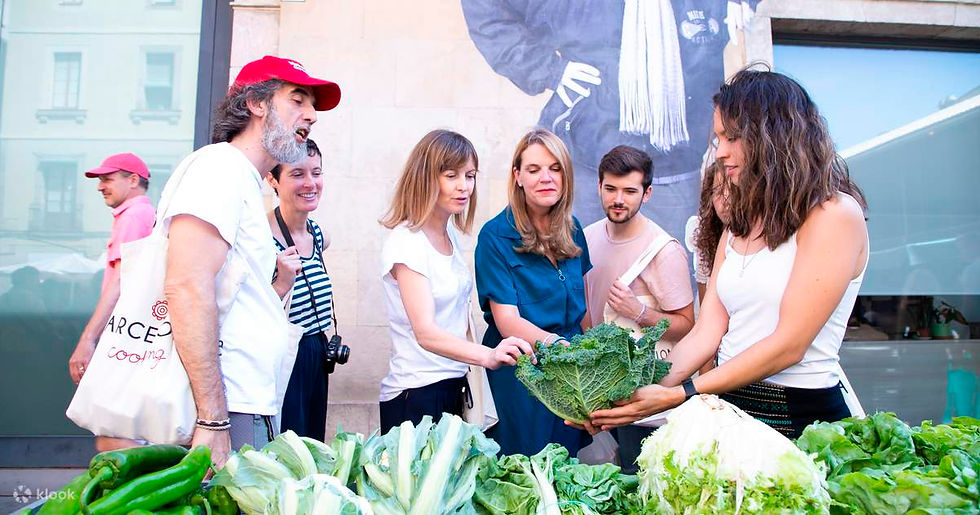
You walk through La Boqueria Market with your chef
You select individual saffron threads and examine rice quality
You stand at the stove and stir the pan yourself
You learn why timing matters in cooking
You eat with other travelers and locals
You leave with recipes and techniques
The experience lasts 3-4 hours and stays with you
Restaurant meals are passive. Cooking classes are active. Your hands do the work. Your decisions shape the outcome. You taste the difference between socarrat done right and overdone. You experience firsthand why fresh ingredients matter. You understand that paella isn't complicated it's intentional.
10 Reasons to Take a Paella Cooking Class in Barcelona
1. Learn Authentic Spanish Cooking Techniques
You won't find this instruction online. Local chefs teach methods passed through families for generations. They show you how to layer flavors in sofrito. They teach you the exact moment when seafood stock meets rice. They explain the science behind socarrat the crispy, slightly burned bottom layer that defines paella quality.
These techniques don't exist in English cookbooks. They exist in Barcelona kitchens. A cooking class puts you in that kitchen.
2. Visit La Boqueria Market Like a Local
La Boqueria isn't a tourist checkpoint. It's where Barcelona cooks shop daily. Your chef guides you through produce stalls, introduces you to vendors, and shows you what to look for in quality ingredients.
You'll see why bomba rice is different from short-grain varieties. You'll taste saffron that costs €8 per gram and understand why. You'll learn which seafood works for paella and which doesn't. A market tour with a chef is education—not just a photo opportunity.
3. Cook with Professional Chefs in a Real Kitchen
You're not following an online video alone. A trained professional stands beside you. They watch your technique. They correct your grip on the wooden spoon. They show you how to feel when the rice is done.
This is hands-on mentorship. It's the cooking education you'd get from a family member, except it's structured and focused on one meal.
4. Discover Catalan Culture Through Food
Paella is Spanish. Catalan cuisine is different but connected. Your class explores this relationship. You learn why Catalans cook differently than people in Valencia. You taste the Mediterranean ingredients that define the region.
Food teaches history better than textbooks. Eating something a culture created teaches you how that culture thinks.
5. Meet Travelers from Around the World
Cooking classes attract curious people. You'll cook alongside travelers from Canada, Australia, Germany, Japan, and dozens of other countries. You're all there for the same reason—to experience Barcelona deeply.
These aren't rushed encounters. You spend 3+ hours together. You cook together. You eat together. You swap travel stories. You exchange contact information. Many friendships start in cooking classes.
6. Enjoy Tapas and Sangria Workshop
Most classes include more than paella. You'll learn to make fresh sangria. You'll prepare Spanish tapas—small plates that complement paella. You'll taste jamón ibérico, local cheeses, and pan con tomate. You're learning multiple dishes, not just one.
The sangria workshop teaches why temperature and ingredient quality matter. The tapas portion teaches pairing and presentation. Every element of Spanish dining gets covered.
7. Learn Techniques You'll Actually Use at Home
Paella seems intimidating until you understand the steps. A cooking class breaks it down. You learn to build flavors in layers. You learn to manage heat on one pan. You learn to time elements so everything finishes together.
These aren't special techniques limited to paella. They apply to risotto, pilaf, and dozens of other dishes. You're learning core cooking skills.
8. Create Memories That Last Years
Travel memories fade. Cooking memory stays. Years from now, you'll make paella at home. Every step will remind you of Barcelona. The smell of saffron brings back the market. The taste of socarrat brings back the class. You've embedded Barcelona into your regular life.
That's the power of experiential travel. It's not just a story you tell—it's a skill you own.
9. Take Recipes Home to Cook for Friends and Family
You don't just eat one paella. You take the recipe and your notes home. You cook paella for 20 people back home. You tell them about Barcelona while you cook. You introduce them to Spanish flavors.
You become a resource for paella knowledge. Your friends ask how you learned this. You explain. They might travel to Barcelona themselves. Experience multiplies through sharing.
10. Experience Barcelona Like a Local, Not a Tourist
Tourists see Barcelona from buses and rooftop bars. Locals live in kitchens and markets. A cooking class puts you in the local Barcelona. You shop where locals shop. You cook in a kitchen real people use. You eat at tables where local food culture happens.
You're not spectating. You're participating. That's the difference between traveling to a place and understanding a place.
What Happens During the Experience?
Understanding the flow helps you know what to expect. Here's how most paella cooking classes work.
Before Class
You arrive 10-15 minutes early. You meet your chef and other participants. The group is usually 6-12 people. Everyone introduces themselves. The chef explains the day's plan.
You're typically given an apron and perhaps a name tag. The kitchen is set up with ingredients already prepared for efficiency. The paella pan is already on the stove.
Market Visit
The group walks to La Boqueria Market. This takes 15-20 minutes depending on location. You're not rushing. Your chef points out different stalls. They introduce you to vendors they know personally. Some classes have you select specific ingredients—tomatoes, peppers, garlic. You see how locals choose produce.
You taste fresh seafood at the market. You learn the difference between quality ingredients and standard ones. The market visit typically lasts 30-45 minutes.
Back to the Kitchen
You return to the kitchen with fresh ingredients. Your chef arranges everything for the cooking demonstration. They explain each ingredient's role. They show you the paella pan. They explain why size and material matter.
Sangria Workshop
Most classes include a sangria preparation. You learn why the fruit matters and why the wine type affects flavor. You prepare sangria to rest while you cook the paella. You'll drink it with your meal later.
Tapas Preparation
You'll prepare 2-3 Spanish tapas. This might be pan con tomate (tomato bread), jamón and cheese crostini, or Spanish potato omelet. You're learning plating and presentation alongside cooking.
Paella Cooking
This is the core experience. Your chef walks through each step.
Building sofrito: You'll chop vegetables or learn to identify pre-chopped vegetables already prepared. You'll understand why sofrito matters—it's the flavor foundation.
Sautéing proteins: Your chef shows how to work with seafood or meat. They teach timing. They explain why you remove protein before adding rice.
Toasting rice: You'll see why this step matters. Toasted rice absorbs liquid differently than untoasted rice.
Adding stock: Your chef controls the heat and timing. They explain why patience matters. They show you how to assess when liquid is being absorbed.
Creating socarrat: This is the dramatic moment. Your chef shows you when to increase heat. The bottom layer of rice crispy. You'll hear it. You'll smell it. Your chef shows you the exact moment to stop.
Resting: The paella rests for 5-10 minutes. Your chef explains why this step is crucial.
Throughout cooking, you'll have opportunities to help. You might stir, add ingredients, or control heat under supervision. Everyone gets hands-on experience.
Dining Together
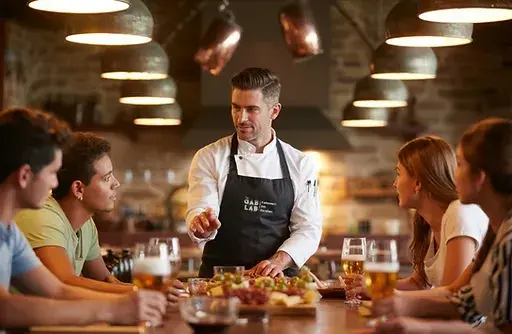
The paella finishes cooking. Your chef plates it. You gather around a table with other participants. You eat what you cooked. You taste your own creation alongside the tapas and sangria you prepared. There's conversation, laughter, and genuine pride.
You're not eating alone in a restaurant. You're sharing a meal with people you just met but feel connected to.
Clean-Up and Farewell
Classes wrap up with cleanup and goodbyes. Your chef gives you printed recipes. You exchange contact information with others. Some people make plans to travel together after. Most leave feeling they've made real friends.
Skills You'll Learn
Paella classes teach specific, transferable skills.
Choosing Quality Ingredients
You'll learn to select saffron by color and aroma. You'll understand why bomba rice is different. You'll recognize quality olive oil. You'll spot fresh seafood. These aren't special paella skills—they're foundational cooking knowledge.
Preparing Sofrito
Sofrito is the flavor base. It's cooked vegetables that create depth. You'll learn what vegetables go into sofrito and why. You'll learn the heat level for cooking it. You'll understand how sofrito changes the entire dish.
Building Rice Dishes
Paella is a rice cooking technique. Once you understand it, you can cook risotto, pilaf, Spanish rice, and other grain dishes. The principles transfer directly.
Creating Socarrat
Socarrat is the crispy bottom layer. It's intentional burning—not careless cooking. You'll learn to listen for the sound it makes. You'll learn when to stop. You'll learn how to balance between raw and burned. This teaches heat management.
Using Paella Pans
Paella pans have specific properties. They conduct heat differently than regular pots. You'll learn why a paella pan is wide and shallow. You'll learn maintenance and cleaning. You'll understand why the pan matters for results.
Timing Multiple Elements
Paella requires managing several elements at once. Stock temperature, rice absorption, protein doneness, and vegetable texture all converge at the same moment. You'll learn to juggle these without stress. This is practical time management skill.
Seasoning and Flavor Balance
You'll taste ingredients at different stages. You'll learn when to adjust seasoning. You'll understand how salt affects different ingredients. You'll taste how acid from tomatoes or wine changes the profile. Professional palate training happens naturally.
Who Should Join?
Paella classes aren't limited to experienced cooks. They serve many travelers.
Couples
Couples often book private classes. You cook together. You work as a team. You create something together and eat it. It's intimate without being stuffy. You're focused on food and each other, not on impressing a server.
Paella classes are popular for anniversaries, honeymoons, and relationship milestones. They're more memorable than restaurant reservations.
Families
Families with children ages 10+ can join. Kids learn cooking fundamentals. They taste ingredients they'd never try at home. They eat something they helped create. Parents see their kids trying Spanish culture firsthand.
Smaller families often take private classes. Larger families might join group classes and split into multiple groups.
Solo Travelers
Solo travelers find community in group classes. You're doing something interesting alone, but you're not isolated. You immediately connect with others. Many solo travelers book cooking classes specifically to meet people.
Barcelona is full of solo travelers. A cooking class is where they converge.
Friend Groups
Friends traveling together often take classes. You're doing something fun, staying together, and learning something. It's less structured than a formal group tour. It's more intentional than just having dinner.
Groups of 4-8 friends typically book private classes. Groups of 2-3 usually join public classes.
Food Enthusiasts
If you cook at home, read cookbooks, watch cooking shows, or follow food blogs, a paella class speaks your language. You're learning from a local professional. You're getting skills you can't get from video or reading. You're stepping into a culinary tradition directly.
Food enthusiasts often say cooking classes are the most educational part of their trips.
Corporate Groups
Companies book team-building workshops. Cooking together is collaborative. It's less awkward than trust falls or scavenger hunts. Everyone leaves with a new skill and good memories. Teams feel more connected after cooking together.
Most corporate workshops include tapas, sangria, and team dining. The meal is part of the team-building.
Table: Who Is This Experience Best For?
Type of Traveler | Group or Private? | Why It Works |
Couples | Private | Intimate experience, no rushing, flexible timing |
Families | Depends on size | Kids learn cooking, cultural education, shared activity |
Solo travelers | Group | Meet other travelers, immediate community, guided experience |
Friend groups | Either | Fun activity, skill-building, memorable experience |
Food enthusiasts | Either | Deep learning, access to professional instruction |
Corporate groups | Private | Team building, non-forced bonding, shared meal |
Experienced cooks | Either | Advanced techniques, cultural context, professional environment |
Complete beginners | Group | Learning curve easier with others, less intimidating |
Public vs Private Paella Cooking Class
The choice between public and private classes depends on your situation.
Public Classes
What to expect:
6-12 participants
Fixed schedule
Set price per person
Meet travelers from different countries
Professional instruction but less personal attention
Shared cooking stations (some classes)
Communal dining
Best for:
Solo travelers on a budget
Travelers who want to meet people
People on a fixed schedule
Anyone wanting the full experience without premium cost
Price range: €89-€125 per person
Private Classes
What to expect:
Your group only (family, couple, or friend group)
Flexible scheduling
Higher cost but divided among group
Personalized instruction and pacing
Your own cooking station
More attention from the chef
Private dining
Best for:
Couples and honeymooners
Families traveling together
Friend groups wanting exclusivity
Corporate team building
Travelers wanting premium experience
Price range: €280-€600+ total for the group
Table: Public vs Private Cooking Class Comparison
Factor | Public Class | Private Class |
Cost per person | €89-€125 | €70-€150 per person (when split) |
Group size | 6-12 people | 1-10 people (your choice) |
Schedule flexibility | Fixed | Flexible |
Personal attention | Shared | Focused |
Social aspect | High (meet travelers) | Medium (your group) |
Cooking station | Shared or individual | Individual |
Market tour | Yes | Yes |
Difficulty level | Beginner-friendly | Any level |
Time commitment | 3-4 hours | 3-4 hours |
Equipment setup | Pre-arranged | Adjusted for group |
Which should you choose?
Choose public if you're traveling alone, on a budget, or want to meet other travelers.
Choose private if you're with a couple or group, want flexibility, or prefer personalized instruction.
How Much Does It Cost?
Pricing varies by class type, season, and provider. Here's what to expect.
Public Group Classes
Standard public classes range from €89-€125 per person. This includes:
Ingredient shopping at La Boqueria
Complete paella instruction
Paella and tapas you prepare
Sangria workshop
Drinks during the meal
Recipes to take home
Seasonal pricing: Prices rise during peak season (May-September) and drop during shoulder seasons.
Private Classes
Private classes start around €280 for two people and scale up. A group of 6 might pay €300-€400 total (€50-€67 per person). Larger groups cost more in total but less per person.
Premium private experiences with wine pairings or market shopping add €30-€50 per person.
Add-On Costs
Some classes offer add-ons:
Wine tasting pairings: €30-€50
Additional market tour time: €20-€30
Flamenco workshop combination: €40-€60
Private chef for larger groups: €50-€100
Value Breakdown
What you're actually paying for:
Ingredients (€15-€25 value): Saffron alone costs €8+. Fresh seafood, bomba rice, quality olive oil, and market-fresh vegetables add up.
Instruction (€30-€50 value): Professional chef time is expensive. They're teaching you techniques that take years to master.
Market access (€10-€15 value): La Boqueria tours with guides cost separately. You're getting this included.
Space and equipment (€15-€25 value): Professional kitchen rental, paella pans, and equipment have real costs.
Meal (€15-€25 value): You're eating what you cooked. Restaurant paella costs €18-€30. You're getting this plus everything else.
Total value delivered: €85-€165 per person, which matches the price you're paying.
Table: Pricing Comparison
Class Type | Cost per Person | What's Included |
Public group class | €89-€125 | Paella, tapas, sangria, market tour, instruction, recipes |
Private class (2 people) | €140-€200 each | Everything above, customization, exclusive kitchen access |
Private class (4-6 people) | €80-€120 each | Everything above, divided cost |
Premium experience | €150-€250 each | Above plus wine pairings, extended market tour, specialty ingredients |
Corporate workshop | €120-€180 per person | Large group discount, team-building structure, extended meal |
Is It Worth the Money?
This depends on how you value experiences.
The Cost Argument
€100 seems expensive for one meal. You can eat paella in a restaurant for €18. Why pay five times more?
The difference: Restaurant paella is a product. A paella class is an education, an experience, and a memory wrapped into one meal.
The Value Argument
When you calculate what you're actually getting, pricing becomes clear.
If you did these separately:
La Boqueria market tour with guide: €25
Cooking class instruction (per hour): €40-€60 × 3 hours = €120-€180
Meal and drinks: €25
Ingredient quality premium: €10-€20
Combined value: €180-€250
You're paying €100 and getting €180+ in actual value.
Should You Book?
Book if:
You enjoy cooking or learning culinary skills
You want to understand Barcelona's food culture
You value hands-on experiences over passive tourism
You'll actually use the skills at home
You want to meet other travelers (for group classes)
You're celebrating something special
Food is central to how you travel
Skip if:
You're on an extremely tight budget (under €200 total for the day)
You don't enjoy cooking or kitchens
You prefer dining to learning
You're uncomfortable in group settings (for public classes)
Your Barcelona time is extremely limited
Honest assessment: Most people who take paella classes say they're worth the cost. Many say they're the best part of their trip. Few regret booking.
Table: Restaurant Meal vs Cooking Class Comparison
Aspect | Restaurant | Cooking Class |
Cost | €18-€30 | €89-€125 |
Time | 90 minutes | 3-4 hours |
Learning | Minimal | Extensive |
Ingredient quality | Standard | Premium |
Social aspect | None | High |
Skill takeaway | None | Long-term |
Memory value | Brief | Years |
Customization | None | Full |
Market experience | None | Yes |
Professional instruction | None | Expert chef |
Hands-on experience | None | Complete |
Replicability at home | Difficult | Easy |
Cost per learning unit | Very high | Reasonable |
Common Mistakes Travelers Make
Learning from others' experiences helps you make better decisions.
Booking the Cheapest Option Without Research
The cheapest class isn't always the best. The lowest price sometimes means smaller portions, rushed instruction, or less experienced chefs. Read reviews. Check what's included. Compare details, not just cost.
Not Booking in Advance During Peak Season
Barcelona cooking classes fill up May through September. If you wait until you arrive, good classes are booked. Peak season books out 1-2 weeks ahead. Book the week you arrive or better—book before your trip.
Choosing a Time That Doesn't Match Your Energy Level
Classes are typically morning or evening. Morning classes work if you sleep well and wake energized. Evening classes work if you're tired after sightseeing. Choose timing that matches your energy, not just availability.
Not Telling the Chef About Dietary Restrictions Early
If you're vegetarian, allergic to shellfish, or have other dietary needs, mention it when booking. Chefs can adjust recipes. Waiting until the class starts limits their options.
Expecting Restaurant-Quality Execution
A cooking class teaches technique. Your paella won't look like a professional chef's. It will taste good and teach you skills. Adjust expectations. The value is in learning, not in Instagram-perfect results.
Skipping the Market Tour
Some travelers want to go straight to cooking. The market tour is essential. It teaches ingredient selection. It connects you to local food culture. It takes 30-40 minutes. Don't skip it.
Not Taking Notes
Chefs provide recipes, but your own notes matter. Note what worked. Note adjustments you'd make. Note the feel and sound of properly cooked paella. These details help you remember the technique.
Traveling With Someone Who Doesn't Want to Cook
Cooking classes require genuine interest. If you're going because your partner wants to and you're reluctant, everyone suffers. Both travelers should want to be there.
Booking Too Late in Your Trip
Book early in your Barcelona stay while you're energized. If you book for your last day, you're exhausted and distracted. You absorb less. You enjoy less.
Not Following Up at Home
You'll come home with recipes and notes. Actually cook paella within 3 months. Your memory is fresh. Your enthusiasm is high. Waiting longer means skills fade.
Tips Before Booking
These suggestions help you choose well.
Read Recent Reviews
Check reviews on Google, TripAdvisor, and Bokun. Look for recent reviews (last 3 months). Read what people actually say, not just star ratings. Reviewers mention pace, instruction quality, food quality, and social dynamics.
Red flags in reviews:
Rushed experience
Poor instruction quality
Limited hands-on time
Food quality complaints
Uncomfortable group dynamics
Green flags in reviews:
Specific mentions of what they learned
Comments about the chef's expertise
Stories about meeting travelers
Mentions of replicating recipes at home
Return visits or recommendations to friends
Confirm What's Actually Included
Websites sometimes say "everything included" vaguely. Ask specifically:
What ingredients are you providing vs what are we buying?
Do we actually cook at the stove or just watch?
Are drinks unlimited or limited?
Do we get the full paella to eat or samples?
Are recipes printed or digital?
How long is actual cooking time vs instruction?
Clear answers matter. Vague answers suggest unclear organization.
Check the Group Size
Ask about typical group size. 6-8 people is ideal for learning. 12+ people means less personal attention. 2-3 people might feel awkward in a group setting.
Understand the Cancellation Policy
Life happens. Your flight gets delayed. You get sick. A family emergency changes plans. Understand the cancellation policy before booking.
Best policies: Full refund if canceled 48 hours before. Partial refund if canceled 24-48 hours before.
Worst policies: No refund for any reason.
Ask About the Chef's Background
A good chef has:
Barcelona local experience (not just training)
Multiple years of teaching (not brand new)
Passion for sharing food knowledge
Ability to explain technique clearly
Flexibility to teach different skill levels
Ask: How long have you been teaching paella? Where did you learn? What's your teaching style?
Check Timing Against Your Schedule
A 3-4 hour class needs to fit your Barcelona schedule. If you're leaving tomorrow, don't book today. You'll be tired and rushed. Schedule for a day when you have energy and time.
Verify Location
Some classes are in El Raval. Some are elsewhere. Where do you meet? How far from your hotel? What's the neighborhood? Google Maps the address before booking.
Look for Small Details
Professional classes mention:
Equipment provided (aprons, etc.)
What to wear (closed-toe shoes, etc.)
Parking or public transit access
Dietary accommodation possibilities
Cancellation policies
Group size caps
Instructor qualifications
If these details aren't mentioned, ask before booking.
Frequently Asked Questions
Why Should I Take a Paella Cooking Class in Barcelona?
A paella class teaches authentic Spanish cooking while creating lasting travel memories. You'll work with local chefs at La Boqueria Market, selecting fresh ingredients unavailable at home. You'll learn traditional techniques like building sofrito and creating socarrat.
You'll cook a complete meal and eat it with people from around the world. Most travelers say it's the best part of their Barcelona trip. You'll come home with skills you actually use, recipes you'll cook for friends, and memories of Barcelona embedded in your everyday life.
Is a Paella Cooking Class Suitable for Beginners?
Yes. Classes teach complete beginners. The chef walks through every step. You don't need prior cooking experience. You don't need to speak Spanish fluently. Most classes cater to mixed skill levels. Beginners learn fundamentals.
Experienced cooks learn advanced techniques and cultural context. Everyone walks away having learned something valuable.
Is the Market Tour Included?
Most classes include La Boqueria Market visit. You'll see where local Barcelona cooks shop. The chef shows you how to select quality ingredients. You taste fresh produce. Some classes have you select some ingredients yourself.
Market tours typically last 30-45 minutes. It's one of the most valuable parts of the experience because it teaches ingredient knowledge you'll use forever.
What Food and Drinks Are Included?
You'll prepare and eat complete paella. Most classes include 2-3 Spanish tapas. You'll make fresh sangria. All drinks during the meal are included. Some classes include cava (Spanish sparkling wine). You'll taste jamón, cheese, and other Spanish staples. No one leaves hungry. You're eating a full Spanish meal, not samples.
What Should I Wear?
Wear closed-toe shoes. A kitchen has heat and potential hazards. Wear comfortable clothes you don't mind getting stained. Cooking involves food splatters. Most classes provide aprons. Wear clothes you can move freely in.
You'll be standing and stirring for 30-45 minutes. Leave loose scarves and dangling jewelry at home. Hair ties or headbands help if you have long hair.
How Long Is the Class?
Most classes run 3-4 hours total. This includes market tour (30-45 minutes), instruction (60-90 minutes), cooking (45-60 minutes), and dining (30-45 minutes). If timing is critical, confirm the exact duration when booking. Some premium classes run longer. Some shorter classes skip the market tour.
Are Vegetarian Options Available?
Most classes can accommodate vegetarian preferences. Tell the chef when booking. They'll prepare vegetable-based paella instead of seafood. The techniques remain identical. Tapas can be adjusted. Your paella will be as good as everyone else's. Some classes have specific vegetarian experiences on certain dates.
Can Children Participate?
Children ages 10+ can join. Younger children are sometimes possible on a case-by-case basis. Classes require standing and attention for 3-4 hours. Children learn cooking fundamentals. They taste new foods. They experience Spanish culture directly. Many families report that cooking classes are the part of their Barcelona trip children remember most.
Is It Worth the Price?
Yes, for most travelers. When you calculate actual value—market tour, professional instruction, premium ingredients, and meal—you're getting €180-€250 in value for €100. The real value is intangible: skills you'll use for years, memories that last decades, and the experience of participating in local food culture rather than observing it. People rarely regret booking. Many regret not booking when they didn't.
Will I Receive the Recipe Afterward?
Yes. You'll get printed recipes at the end. You'll have your own notes. You'll remember the feel and sound of properly cooked paella. The combination of printed recipe, personal notes, and muscle memory makes it easy to replicate at home.
Is It Better Than a Food Tour?
Food tours are passive observation. Cooking classes are active participation. Tours teach about food. Classes teach you to make food. If you want to taste paella and hear about Barcelona, a food tour works. If you want to understand paella and build skills, a cooking class is better. Many travelers do both—a food tour for breadth, a cooking class for depth.
What Makes This Experience Authentic?
Authenticity comes from several factors: your chef is typically a Barcelona resident, not a touring instructor; the kitchen is often a real working space; you're shopping at La Boqueria where locals shop; you're learning family traditions, not tourist-friendly simplifications; you're eating what you cook, not prepared demonstrations. Authentic experiences teach real techniques used by real cooks in real Barcelona kitchens.
Is a Barcelona Cooking Class Worth It?
Yes. You get hands-on instruction from experienced chefs, access to local ingredients unavailable at home, market knowledge, social connection with other travelers, and a professionally prepared meal. The cost typically ranges from €89 for public classes to €250+ for private experiences. Many travelers say it's the highlight of their Barcelona trip.
What Do You Learn During a Paella Class?
You'll learn to select quality bomba rice and saffron, build traditional sofrito from fresh vegetables, use a paella pan correctly, time the cooking stages, create the prized socarrat crust, prepare complementary tapas, make fresh sangria, and understand the cultural significance of paella in Spanish gastronomy.
Who Should Join a Paella Cooking Class?
Couples seeking romantic activities, families wanting cultural experiences, solo travelers looking to meet people, friends celebrating together, food enthusiasts wanting to deepen their knowledge, and corporate groups doing team building. No cooking experience needed.
What Makes a Paella Cooking Class Unique?
A paella class differs from restaurant meals because you're cooking with local professionals, selecting ingredients at a real Barcelona market, learning traditions passed through families, getting personalized instruction, eating your own creation, and gaining skills to recreate the experience at home.
Can I Recreate the Recipe at Home?
Yes. The paella technique transfers directly. You'll find bomba rice in specialty stores or online. Saffron is available from spice retailers. Quality olive oil is accessible. The hardest part is finding fresh seafood, but most recipes work with frozen options. Your first paella at home might not match the class paella exactly, but it will be delicious and improve with repetition.
Is It a Good Activity for Couples?
Excellent. Couples often book private classes for intimacy without formality. You cook together. You work as a team. You create something and eat it together. It's romantic without being stuffy. Couples report that cooking classes are highlights of romantic trips. Honeymoon couples frequently book. Anniversary couples frequently return.
What Is Socarrat?
Socarrat is the crispy, slightly caramelized bottom layer of paella rice. It's intentional—the chef increases heat deliberately to create it. You'll hear it crackling at the bottom of the pan. You'll smell toasted rice. It's not burning; it's a controlled technique that creates complex flavor and texture. Socarrat is considered essential to proper paella. Learning to create it without ruining the dish is one of the most valuable skills you'll gain.
Barcelona Paella Cooking Class at Gastronomic Arts Barcelona
Gastronomic Arts Barcelona offers multiple experiences tailored to different traveler types.
Barcelona Paella Experience
The signature experience includes market tour, complete paella instruction, hands-on cooking, tapas, sangria workshop, and group dining. This is ideal for travelers wanting the full immersion in 3-4 hours.
Premium Paella Masterclass Barcelona
For serious learners, the Premium Paella Masterclass goes deeper into technique, ingredient selection, and cultural context. Extended market time, advanced instruction, and premium ingredients are included.
Interactive Paella Cooking Class Barcelona
The Interactive Paella Cooking Class emphasizes hands-on participation. You're not watching—you're actively cooking every step under guidance.
Tapas & Sangria Workshop
Beyond paella, Tapas & Sangria Workshop teaches Spanish small plates and drink preparation. It's ideal for travelers wanting broader Spanish culinary knowledge.
La Boqueria Market Guided Tour
La Boqueria Market tours are available separately for travelers wanting deep market knowledge without cooking. You'll learn ingredient selection from someone who understands Barcelona food culture.
Team Building Workshop
Corporate groups book Team Building Workshop options that include paella cooking, market experience, and extended group dining focused on collaboration and connection.
Final Thoughts
A paella cooking class in Barcelona is more than one meal. It's participation in a culinary tradition. It's learning from someone who knows Barcelona food intimately. It's creating something with your hands and eating it with people you just met. It's embedding Barcelona into your everyday cooking for years.
You'll leave with recipes, techniques, and notes. You'll come home and cook paella for friends. They'll ask how you learned. You'll tell the Barcelona story. You'll describe the market, the chef, the other travelers, the taste of socarrat. You'll introduce them to Spanish flavors they've never experienced.
That paella you make at home becomes a memory trigger. Every time you smell saffron toasting, you're back in Barcelona. Every time you create that crispy bottom layer, you're remembering the technique. Barcelona becomes part of your cooking routine.
Take the paella cooking class. Book Gastronomic Arts Barcelona now. Choose public or private based on your travel style. Plan for early in your Barcelona trip so you have energy and time. Take notes. Pay attention. Taste everything. Take the recipes home.
This isn't an expense—it's an investment in skills and memories that pay dividends for years.
Table: What's Included in Paella Cooking Class
Component | What You Get |
Market tour | Guided visit to La Boqueria, ingredient education |
Paella instruction | Step-by-step guidance from professional chef |
Hands-on cooking | Active participation, not observation |
Paella meal | Complete paella you prepared |
Tapas | 2-3 Spanish small plates you prepared |
Sangria | Fresh sangria you made |
Drinks | Beverages during the meal |
Recipes | Printed recipes to take home |
Notes | Your own learning notes |
Social experience | Meeting other travelers |
Skill transfer | Techniques you'll use at home |
Equipment | Aprons and tools provided |
Table: Top Reasons to Join a Paella Cooking Class
Reason | Why It Matters |
Learn from local chefs | Authentic instruction from Barcelona residents |
Market experience | See where Barcelona cooks shop |
Hands-on skill building | Learn by doing, not watching |
Fresh ingredient quality | Premium ingredients unavailable at home |
Cultural immersion | Understand Barcelona food traditions |
Social connection | Meet travelers from around the world |
Memory creation | Experience you'll remember for decades |
Practical skill transfer | Cook paella at home for years |
No experience needed | Beginners welcome and accommodated |
Worth the cost | Value exceeds price when calculated |
Professional environment | Real kitchen, real instruction |
Flexible group sizes | Private or group options available |
Key Takeaways
A paella cooking class teaches more than cooking. You're learning cultural tradition, ingredient knowledge, and technique that extends to other dishes.
Barcelona market experience is invaluable. Walking through La Boqueria with a local chef teaches you how to select ingredients—knowledge that stays with you forever.
Hands-on instruction accelerates learning. Standing at the stove with a professional teaching you in real-time works better than any video or book.
The social aspect is underrated. You'll meet interesting people and often make real friendships through the shared experience.
It's worth the cost. When you calculate actual value delivered, pricing is reasonable and often inexpensive compared to alternatives.
Timing and group size matter. Book early, choose timing that matches your energy, and select group vs private based on your preference.
Follow up at home. Cook paella within 3 months of your class while skills and enthusiasm are fresh.
Beginners are absolutely welcome. No cooking experience is required. You'll learn fundamentals and build confidence.
Private classes offer customization. If you're with a partner or group, private classes provide personalized attention and schedule flexibility.
Barcelona's food culture deserves deep engagement. Cooking class is one of the best ways to experience it authentically.



Comments