
How Can DMCs Use Hands-On Cooking Experiences for Incentive Travel Programs?

Incentive travel gives employees, clients, and business partners a reason to remember a destination. But a standard sightseeing tour or dinner may not create enough interaction.
Hands-on cooking experiences give DMCs a way to combine food, culture, teamwork, and entertainment in one activity.
This guide explains how DMCs can use cooking experiences in incentive travel programs, how to plan them for different groups, and how Gastronomic Arts Barcelona can fit into a Barcelona incentive itinerary.
What Makes Cooking Experiences Useful for Incentive Travel?
An incentive program needs more than a place to visit.
Guests should have opportunities to interact with each other, experience local culture, and enjoy activities that feel different from their normal work routine.
A hands-on cooking experience can support these goals through:
Team participation
Local food and culture
Guided market visits
Group conversations
Practical cooking activities
Shared meals
Entertainment
Informal networking
Team-building opportunities
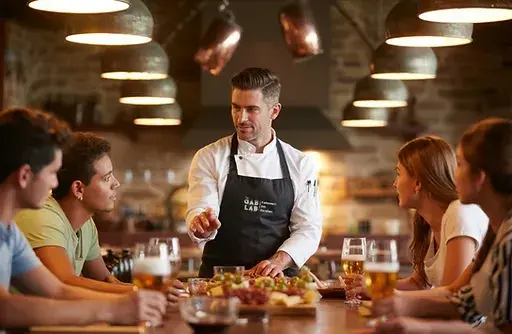
Instead of sitting through another scheduled dinner, guests take part in preparing the food they will eat.
That changes the role of the guest.
They are not only watching.
They are participating.
For DMCs, this creates another option when building corporate incentive programs in Barcelona.
How Can DMCs Use Hands-On Cooking Experiences for Incentive Travel Programs?
DMCs can use cooking experiences at different stages of an incentive itinerary.
You can position the activity as:
A welcome event
A team-building activity
A cultural experience
A private corporate event
An evening entertainment option
A group dining experience
A reward activity
A pre-dinner or post-tour experience
The best format depends on your group size, schedule, objectives, and budget.
A cooking class does not need to replace other activities.
It can become one part of a wider Barcelona itinerary.
1. Use a Cooking Experience as a Welcome Activity
The first group activity can shape how guests experience the destination.
A hands-on cooking class works well as a welcome event because guests can meet while doing something together.
For example, a DMC could arrange:
Hotel arrival
Transfer to central Barcelona
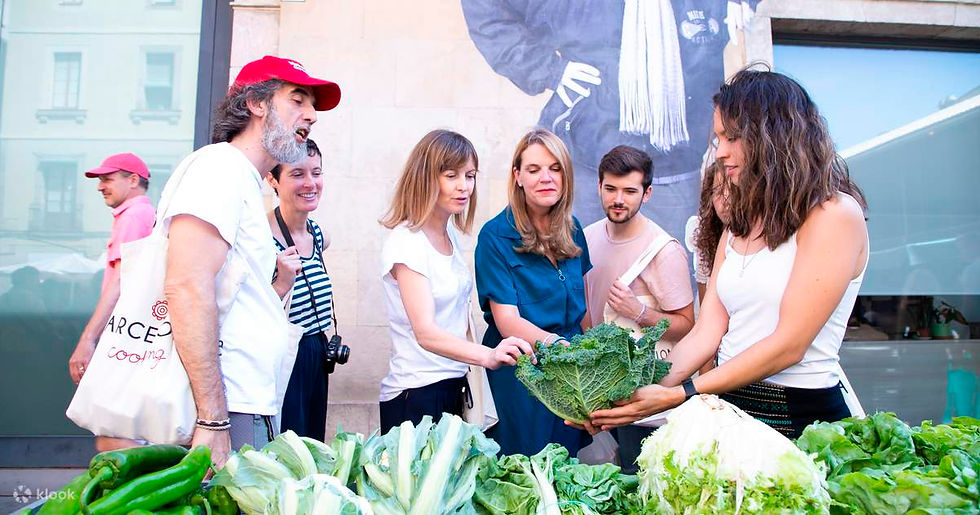
Guided La Boqueria Market visit
Cooking workshop
Shared meal
Welcome toast
Evening transfer
This format gives guests something to talk about from the beginning of the trip.
At Gastronomic Arts Barcelona, the Ultimate Paella Cooking Class Experience includes a guided visit to La Boqueria Market, a sangria-making workshop, seasonal tapas, a hands-on paella class, dessert, and a farewell toast.
For a DMC, the activity can become part of the arrival-day schedule rather than another isolated restaurant booking.
2. Turn Cooking Into a Team-Building Activity
Corporate incentive groups often include employees who work in different departments, offices, or countries.
A cooking activity gives them a shared task.
Participants can:
Divide cooking responsibilities
Prepare ingredients
Follow instructions
Work in small groups
Share techniques
Communicate during the activity
Prepare a meal together
The goal does not need to be a formal competition.
The shared process itself creates opportunities for interaction.
GAB LAB also offers a dedicated team-building workshop designed around collaboration, creativity, and connection through food.
Ask yourself:
Would your corporate group benefit more from another guided tour, or from an activity where everyone has something to do?
That question can help DMCs select the right format.
3. Add Local Culture Through a Market Visit
Food becomes more meaningful when guests understand where the ingredients come from.
A market visit can introduce visitors to local products before they begin cooking.
For incentive groups visiting Barcelona, La Boqueria can become part of the experience.
A DMC itinerary could include:
Meet the local guide
Walk through the market
Learn about ingredients
Discover Spanish food traditions
Select or discuss ingredients
Continue to the cooking venue
Prepare the meal
This creates a connection between the destination and the food.
GAB LAB's experience combines the market visit with the cooking class, giving DMCs a single activity that covers both cultural discovery and participation.
DMCs can also provide guests with additional context before the activity by sharing educational content about the market, such as GAB LAB's guide to the history and culinary culture of La Boqueria.
4. Plan a Private Cooking Experience for Corporate Groups
Privacy can matter when planning incentive travel.
Corporate groups may want a dedicated activity rather than joining a public class.
A private cooking experience gives the DMC more control over the group environment.
You can use it for:
Executive groups
Sales incentive trips
Client rewards
Partner events
Corporate retreats
Management groups
Small leadership teams
GAB LAB offers a private Paella Cooking Class & Market Tour for smaller private groups.
Private group arrangements are also available for larger groups through GAB LAB's private group service.
For DMCs, the private format can make it easier to coordinate timing, guest flow, branding needs, and group requirements.
5. Use Cooking as an Evening Incentive Activity
Not every incentive activity needs to happen during the morning.
Cooking can also work as part of an afternoon or evening program.
For example:
Option A
14:00 — Cooking class
17:00 — Break
18:30 — Live entertainment
19:30 — Evening transfer
Option B
18:00 — Cooking class
21:00 — Shared dinner
22:00 — Return to hotel
Option C
Morning sightseeing
Afternoon free time
18:00 — Cooking experience
21:00 — Dinner and networking
GAB LAB's Rhythm & Taste experience combines a paella cooking class with a live flamenco show.
This format can help DMCs combine food and entertainment within one scheduled experience.
6. Combine Food With Entertainment
An incentive group may expect more than a meal.
Entertainment can give the experience another element.
In Barcelona, flamenco provides one possible addition.
A combined itinerary could look like:
Time | Activity |
14:00 | Arrival at cooking venue |
14:15 | Market visit |
15:00 | Sangria and tapas |
15:30 | Paella cooking |
17:00 | Dessert and farewell toast |
17:30 | Free time |
18:30 | Live flamenco |
19:30 | Evening program continues |
The exact schedule depends on the selected experience and group requirements.
For DMCs, the advantage is simple.
You can offer guests food, culture, participation, and entertainment without creating several separate bookings.
7. Build a Full Incentive Itinerary Around Food
Cooking does not need to be the only food-focused activity.
You can build an entire culinary theme around the experience.
For example:
Day 1
Airport transfer
Hotel check-in
Welcome reception
Free evening
Day 2
Barcelona sightseeing
Local market visit
Hands-on cooking class
Shared meal
Evening entertainment
Day 3
Corporate meeting
Free afternoon
Private dinner
Day 4
Cultural tour
Farewell activity
Airport transfer
This approach gives the DMC several opportunities to introduce local food.
The cooking experience becomes the main participatory activity.
8. Create Different Formats for Different Group Sizes
Group size affects venue planning, timing, staffing, and activity design.
GAB LAB's signature Ultimate Paella Cooking Class Experience has a maximum of 12 guests.
For smaller groups, a private format can provide a more dedicated experience.
For larger corporate groups, DMCs can discuss private group arrangements with the GAB LAB team.
A simple planning framework is:
Group size | Possible approach |
2–6 guests | Private cooking experience |
7–12 guests | Small-group cooking experience |
13+ guests | Private group planning |
Corporate incentive group | Customized group program |
Always confirm current capacity and availability before presenting a final program to your client.
9. Add a Team Challenge
DMCs can make a cooking activity more interactive by creating small team challenges.
For example:
Teams prepare different ingredients
Groups work on separate cooking tasks
Participants answer food-related questions
Teams explain their dish
Guests vote on presentation
The group finishes with a shared meal
Keep the challenge simple.
The focus should remain on participation.
A complicated competition can take attention away from the cultural experience.
For corporate groups, the activity should feel social rather than like another workplace exercise.
10. Make the Experience Suitable for International Guests
Incentive groups often include people from different countries.
Some guests may know paella well.
Others may be trying it for the first time.
The experience should therefore provide enough explanation for everyone to participate.
DMCs can prepare guests by sharing:
What they will cook
How long the activity takes
What is included
What they should wear
Whether they will visit a market
Whether they will prepare food themselves
When the meal will be served
Clear information reduces questions on the day.
It also helps the DMC's travel coordinator manage expectations.
11. Plan Around Dietary Requirements
Corporate groups can have different dietary needs.
Before confirming the activity, ask guests about:
Vegetarian requirements
Vegan requirements
Gluten-free requirements
Food allergies
Ingredient restrictions
Religious dietary requirements
GAB LAB states that its experiences can accommodate vegan, gluten-free, and allergy requirements.
DMCs should still collect dietary information before the event and confirm the details with the venue.
This is especially important when planning for international groups.
12. Use Cooking for Networking
An incentive trip often gives employees or clients time away from formal business settings.
A cooking experience creates natural conversation points.
Guests can talk while:
Preparing ingredients
Making sangria
Cooking paella
Sharing tapas
Eating dessert
Taking part in a farewell toast
The DMC can also use seating and group assignments to encourage people from different teams to interact.
For example:
Group A
Sales + Marketing
Group B
Operations + Finance
Group C
International offices + Local team
This can help prevent people from staying only with colleagues they already know.
13. Use a Cooking Experience as a Client Reward
Not every incentive program is for employees.
DMCs may also organize trips for:
Key clients
Business partners
Distributors
Top-performing sales representatives
VIP guests
Corporate leadership teams
A private culinary experience can become part of the reward program.
The DMC can position the activity as a destination experience rather than simply another meal.
That distinction matters.
A restaurant dinner mainly asks guests to sit and eat.
A cooking experience asks them to participate in the local food culture.
14. Give Guests Something to Take Home
A good incentive activity can continue after the event.
GAB LAB's Ultimate Paella Cooking Class Experience includes recipes for guests to take home.
That gives participants a practical reminder of the activity.
DMCs can encourage guests to:
Cook the dish after returning home
Share the recipe with family
Recreate the experience
Post photos
Talk about the Barcelona trip
This creates a connection between the activity and the destination.
15. Use Social Media as Part of the Experience
Many corporate groups document their incentive trips through photos and short videos.
DMCs can encourage guests to share appropriate moments from the experience.
GAB LAB can also be found on:
DMCs can use these channels when researching the experience or preparing visual material for clients.
The goal should be to show the activity naturally.
Guests cooking together, visiting the market, preparing paella, and enjoying the final meal can communicate more than a standard restaurant photo.
What Should DMCs Consider Before Booking?
A successful incentive activity starts with the right planning questions.
Ask:
1. How many guests are attending?
Capacity affects the experience format.
2. Is the group private?
If yes, discuss private group options before confirming the itinerary.
3. What is the available time?
A three-hour cooking activity needs enough space in the daily schedule.
Do not place another major activity immediately afterward without allowing transfer time.
4. What dietary requirements exist?
Collect this information early.
5. What type of group is attending?
An executive group may need a different format from a large sales incentive group.
6. Does the client want entertainment?
If yes, a combined cooking and flamenco experience may fit the itinerary.
7. Does the client want team-building?
If yes, consider a dedicated team-building workshop.
How DMCs Can Build a Cooking Experience Into a Client Proposal
Your proposal should explain the experience in practical terms.
Include:
Experience name
Location
Duration
Group capacity
Starting price
Included activities
Dietary options
Private options
Available dates
Start times
Transfer requirements
Cancellation conditions
Booking process
For example:
Sample Proposal Copy
Barcelona Culinary Team Experience
Guests begin with a guided visit to La Boqueria Market before taking part in a hands-on paella cooking workshop.
The program includes local tapas, a sangria-making workshop, paella preparation, dessert, and a farewell toast.
The experience gives corporate groups time to interact while learning about Barcelona's food culture.
Private arrangements can be discussed based on group size and requirements.
This format is easier for a corporate client to understand than simply listing "paella cooking class" in an itinerary.
Sample Incentive Program for a Small Corporate Group
A six-person executive group could follow this schedule:
Time | Program |
10:00 | Meet at GAB LAB |
10:15 | Guided market experience |
11:00 | Sangria workshop |
11:30 | Seasonal tapas |
12:00 | Hands-on paella cooking |
13:00 | Dessert |
13:20 | Farewell toast |
13:30 | End |
This can leave the afternoon available for meetings, sightseeing, shopping, or personal time.
For smaller groups, DMCs can review GAB LAB's private paella experience when designing a more personalized itinerary.
Sample Incentive Program With Flamenco
For a group that wants food and entertainment:
Time | Program |
14:00 | Cooking experience begins |
14:15 | La Boqueria visit |
15:00 | Tapas and sangria workshop |
15:30 | Paella cooking |
16:45 | Dessert and toast |
17:00 | Break |
18:30 | Live flamenco |
19:30 | End |
This format gives the DMC a clear transition from culinary participation to cultural entertainment.
How to Match the Experience With the Client's Objective
Different clients may have different goals.
Client objective | Cooking experience approach |
Employee reward | Shared cooking and meal |
Team building | Collaborative cooking workshop |
Client entertainment | Private culinary experience |
Cultural immersion | Market visit + cooking |
Executive incentive | Private experience |
Evening entertainment | Cooking + flamenco |
Networking | Group cooking and shared dining |
Barcelona food experience | Market + tapas + paella |
This makes it easier to sell the activity based on the client's needs.
You are not selling only a cooking class.
You are proposing an activity that fits a specific part of the incentive program.
Why the Barcelona Location Matters
Location affects the entire incentive itinerary.
GAB LAB is located near La Boqueria Market in central Barcelona.
The supplied location information places the venue on Carrer de Lancaster, close to Liceu metro station, Plaza Real, and Palau Güell.
That can make the activity easier to combine with other central Barcelona activities.
For example:
Morning
Barcelona sightseeing
Afternoon
Market visit and cooking experience
Evening
Dinner or entertainment
A central activity can also reduce unnecessary movement between distant venues.
DMCs should still plan transfers based on the group's hotel, mobility needs, traffic, and the full itinerary.
How DMCs Can Promote Cooking Experiences to Corporate Clients
When presenting the activity, focus on the experience rather than the basic service.
Instead of:
"Three-hour paella cooking class."
You can explain:
"Your group will explore La Boqueria Market, learn about local ingredients, prepare paella with professional chefs, make sangria, share tapas, and finish with dessert and a farewell toast."
The second description answers more client questions.
It also shows why the activity belongs in an incentive itinerary.
Use GAB LAB Content to Help Clients Understand the Experience
DMCs can share relevant information with corporate planners before booking.
Useful resources include:
These pages can help planners understand the available formats before they choose an activity.
DMCs can also direct clients to the main Gastronomic Arts Barcelona website for more information.
A Simple Planning Checklist for DMCs
Before adding a cooking experience to an incentive proposal, check these points:
Confirm group size
Confirm preferred date
Confirm preferred start time
Check private or shared format
Collect dietary requirements
Confirm the activity duration
Review transfer time
Check whether entertainment is required
Decide whether team-building should be included
Confirm the budget
Explain what is included
Share cancellation terms
Confirm final guest numbers
Provide the venue details to the group coordinator
This checklist can prevent last-minute itinerary changes.
How Hands-On Cooking Experiences Support the Guest Experience
A well-planned incentive activity should give guests a reason to participate.
Cooking provides several participation points.
First, guests explore the market.
Then they learn about ingredients.
Next, they prepare food.
They work with other participants.
They sit down together.
Finally, they leave with recipes and memories connected to the destination.
That sequence gives the activity a clear structure.
For a DMC, it also makes the experience easier to explain in an itinerary.
What Makes a Cooking Experience Different From a Standard Group Dinner?
A standard dinner can be useful for networking.
A cooking experience adds participation before the meal.
Standard group dinner | Hands-on cooking experience |
Guests mainly eat | Guests participate |
Limited activity | Cooking tasks |
Restaurant-focused | Food and culture-focused |
Conversation during meal | Interaction throughout activity |
Usually one setting | Can include market visit |
Dining is the main focus | Learning, cooking, and dining |
Neither format needs to replace the other.
A DMC can use both at different points in the same incentive program.
How to Make the Activity Work for Different Corporate Groups
The same cooking experience can be presented differently depending on the audience.
Sales Team
Focus on collaboration and reward.
International Employees
Focus on Barcelona food culture and local experiences.
Executive Group
Focus on privacy and personalized service.
Client Group
Focus on hospitality and cultural discovery.
Large Incentive Group
Focus on group logistics and private arrangements.
Team-Building Program
Focus on shared tasks and communication.
The activity stays similar.
The way you package it changes.
Questions DMCs Should Ask GAB LAB
Before confirming the booking, DMCs can ask:
What group sizes can you accommodate on the requested date?
Is a private format available?
What start times are available?
Can the menu accommodate dietary restrictions?
Can the experience be customized?
What options are available for corporate groups?
Can the cooking experience be combined with entertainment?
What information does the DMC need to provide before booking?
What are the cancellation conditions?
What is the final guest confirmation deadline?
Getting these details early helps you build a more accurate client proposal.
A Practical DMC Booking Flow
You can structure your internal process like this:
Step 1: Understand the client
Identify the purpose of the incentive trip.
Step 2: Define the group
Confirm guest numbers, dates, and preferences.
Step 3: Select the experience
Choose a standard, private, team-building, or combined format.
Step 4: Check logistics
Review location, timing, transfers, and dietary requirements.
Step 5: Build the proposal
Explain the experience and list what guests receive.
Step 6: Confirm availability
Check the requested date and group size with GAB LAB.
Step 7: Collect final details
Provide the final guest count and dietary information.
Step 8: Add it to the itinerary
Include transfer details and meeting instructions.
Step 9: Brief the group coordinator
Make sure the corporate contact knows what guests should expect.
Frequently Asked Questions
Can DMCs use cooking experiences for corporate incentive travel?
Yes. A hands-on cooking experience can be included as a welcome activity, team-building session, cultural activity, private event, or evening program.
Are cooking experiences suitable for team building?
Yes. Cooking requires participants to communicate, divide tasks, and work toward a shared meal.
Can DMCs arrange private cooking experiences?
Yes. Private options are available, with arrangements depending on group size and the selected experience.
Can cooking be combined with other Barcelona activities?
Yes. A cooking experience can be scheduled alongside sightseeing, market visits, cultural activities, meetings, and entertainment.
Can DMCs include a cooking class in an incentive itinerary?
Yes. DMCs can place the activity into a half-day, full-day, or multi-day Barcelona program based on timing and group requirements.
Can dietary requirements be accommodated?
GAB LAB states that vegan, gluten-free, and allergy requirements can be accommodated. DMCs should collect guest requirements in advance and confirm them when booking.
Can cooking experiences be used for executive groups?
Yes. Private cooking experiences can be considered for smaller executive or VIP groups that want a dedicated culinary activity.
Can a paella cooking experience include entertainment?
Yes. GAB LAB offers a format that combines a paella cooking experience with a live flamenco show.
Final Planning Point for DMCs
A hands-on cooking experience gives DMCs another way to build participation into a Barcelona incentive program.
You can use it for team building, cultural discovery, networking, client entertainment, employee rewards, or evening programming.
The key is to match the experience with the client's objective.
Start with the group.
Then consider the schedule, budget, privacy requirements, dietary needs, and entertainment preferences.
For Barcelona incentive programs, a market visit followed by hands-on cooking can give guests a direct connection with local food culture while creating time for the group to interact.
That makes the experience easy to place within a wider DMC itinerary.
For corporate groups looking for a food-focused Barcelona activity, DMCs can explore the available experiences and private group options through Gastronomic Arts Barcelona.
Get Started Today:
Explore the partnership page to learn more.
Read the guide on influencers partnering with Barcelona cooking classes .
Discover how content creators can partner with GAB LAB .
Learn how tourism boards can collaborate with Barcelona culinary experiences .
Find out how brands can sponsor Barcelona cooking experiences .
See how companies can co-brand a Barcelona culinary experience .
Explore customized menus for clients .
Request dedicated event coordinators .
Learn how culinary partnership bookings are tracked .
Understand how partners receive booking confirmations .
Discover how cancellations are handled for partner bookings .
Learn how last-minute partner bookings are managed .



Comments