
Where Paella Comes From : The Real Story Behind Spain's Most Famous Dish
Updated: Jul 17

Introduction
You've tasted paella in Barcelona. You've seen it cooking in tourist restaurants across Spain. But where does paella actually come from? The answer might surprise you. Paella comes from Valencia, a region on Spain's east coast that most travelers never visit.
This guide reveals the true origin of paella, explains why so many people mistakenly believe it's from Barcelona, and shows you where to find authentic paella—whether you're in Valencia or traveling elsewhere in Spain.
What Is Paella?
Paella is a rice dish cooked in a wide, shallow pan over an open flame. The rice absorbs flavorful broth, olive oil, saffron, and protein. You stir it while cooking, letting the bottom layer develop a crispy, golden crust called socarrat. This technique is essential to real paella.
Paella is a traditional Spanish rice dish originating in Valencia, cooked in a shallow pan with saffron, broth, and ingredients like rabbit, chicken, or seafood. It's characterized by a golden crust on the bottom, crispy edges, and individual rice grains that remain separate rather than creamy.
Where Does Paella Come From?
The Valencia Origin Story
Paella comes from Valencia. Specifically, it comes from the flat, marshy lands surrounding the Albufera—a shallow lagoon just south of the city of Valencia in the Valencian Community. This geography shaped the dish entirely.
In the 15th and 16th centuries, Valencia was a major center of rice cultivation. Farmers had recently developed irrigation systems to grow rice in the wetlands near the Albufera. Rice farming was hard work. Farm workers needed quick, filling meals they could cook in one pot over a fire.
These farm workers created paella. They combined the abundant local rice with what they had available: game birds (rabbit, duck), vegetables from nearby fields, and the oil they pressed themselves. They cooked it all together in a wide, shallow metal pan—called a paellera—that sat directly over a wood fire.
The dish solved a practical problem. One pan meant easy cleanup. Cooking over an open flame required no fancy kitchen. The socarrat (the crispy, slightly burned rice at the bottom) added flavor and texture to an otherwise simple meal. The dish was efficient, delicious, and perfectly suited to farm workers' lives.
Over centuries, paella became part of Valencian culture. It stopped being just a farm meal and became something people celebrated together. Families gathered for paella. Towns held paella festivals. The dish became inseparable from Valencia's identity.
Why Valencia?
Three factors made Valencia the perfect birthplace for paella:
Geography: The Albufera lagoon and surrounding wetlands made rice cultivation possible. No other region in Spain had this combination of flat, wet land suitable for large-scale rice farming.
Agriculture: Valencia's farmers developed the expertise and irrigation systems needed to grow rice successfully. This abundance of rice made it affordable and available—crucial for a peasant dish.
Culture: Valencian farm workers created the cooking technique that defines paella. The open fire, the wide pan, the specific stirring method—all evolved to suit their working conditions and available resources.
No other region in Spain could claim this unique combination.
What Region of Spain Is Paella From?
Paella is from the Valencian Community (Comunidad Valenciana), a region on Spain's eastern Mediterranean coast. Think of Spain as divided into regions, like states. Valencia is one of Spain's 17 autonomous communities.
Here's where to place it mentally: If you're in Barcelona (the capital of Catalonia to the north), you travel south for about 3-4 hours to reach Valencia. If you're in Madrid (Spain's capital in the center), you travel east for about 4-5 hours.
The Valencian Community includes three provinces:
Valencia (the province and city)
Alicante (to the south)
Castellón (to the north)
The city of Valencia sits on the coast. The Albufera lagoon lies just south of the city. This specific area—the farmlands around the Albufera—is where paella was born.
When you ask "what region is paella from?" the answer is Valencia. When you ask "what city is paella from?" the answer is also Valencia, though technically the surrounding farm areas are where the dish originated. The capital city became synonymous with the region's most famous creation.
Is Paella From Barcelona?
No, paella is not from Barcelona. Barcelona is the capital of Catalonia, a different region entirely, located about 350 kilometers north of Valencia.
This is perhaps the most important thing to understand about paella's origins. Barcelona is not Valencian. Barcelona is Catalan. These are different regions with different cultures, languages, and cuisines.
Why Do So Many People Think Paella Is From Barcelona?
The confusion happens for several reasons:
1. Barcelona Is More Famous Barcelona is Spain's second-largest city. It's where tourists go. It has the Sagrada Familia, the Gothic Quarter, Las Ramblas. More tourists visit Barcelona than Valencia. When tourists eat paella in Barcelona (and they do), they assume it's a local dish.
2. Barcelona Has Excellent Paella Restaurants Barcelona developed a thriving paella restaurant scene, particularly along the waterfront. Tourists come to Barcelona, eat paella at a beachside restaurant, and naturally assume they're eating Barcelona food.
3. Tourist Marketing Tourist guides and restaurant websites often present paella as "Barcelona's famous dish" because tourists come to Barcelona. This marketing reinforces the false association.
4. Limited Knowledge Most tourists don't research Spanish geography before visiting. They arrive in Barcelona, the biggest city they see, and assume all of Spain's famous dishes come from there.
5. Catalan Pride and Pragmatism Barcelona is a major city with an international reputation. Even though paella isn't Catalan, Barcelona embraced it. Catalan chefs learned to cook paella excellently. Barcelona restaurants serve paella beautifully. The city capitalized on a Spanish dish's global fame. Pragmatically, why turn away tourists who want to eat paella?
Is Paella Catalan?
No, paella is not Catalan. Paella is Valencian.
This distinction matters because Catalonia and Valencia have different histories, languages, and food cultures.
The Difference Between Catalan and Valencian Cuisine
Catalan Cuisine emphasizes:
Seafood (especially fish and shellfish)
Romesco sauce (red pepper and almond sauce)
Pan con tomate (bread with tomato)
Escalivada (roasted vegetables)
Calcots (a type of onion, eaten with romesco)
Montserrat cheese
Catalan wines
Catalan food is elegant, refined, and heavily influenced by Mediterranean seafood traditions.
Valencian Cuisine emphasizes:
Rice dishes (of which paella is the most famous)
Rabbit and game birds
Seasonal vegetables
Saffron and olive oil
Fresh citrus (Valencia is famous for oranges)
Escabeche (vinegar-based preserved fish)
All I Pebre (eel stew with paprika)
Valencian food is rooted in agricultural and farming traditions. It's hearty, flavor-forward, and celebrates the region's rice-growing heritage.
Catalonia's Paella Relationship
Catalonia doesn't claim paella as its own dish. Catalan chefs respect paella as a Valencian creation. They've learned to cook it well and serve it beautifully, especially in coastal restaurants.
However, Catalonia has its own signature rice dishes. The most famous is arròs negre (black rice), a squid-ink rice dish that's distinctly Catalan. This is Catalonia's answer to paella—a rice dish that reflects Catalan coastal culture.
So when you ask "is paella Catalan?" the answer is no. It's Valencian. Barcelona serves it excellently. Barcelona's restaurants are worth visiting for paella. But the dish itself belongs to Valencia.
What Is Valencian Paella?
The Authentic Recipe
Traditional Valencian paella contains specific ingredients. These aren't random choices—they reflect what was available to Valencia's farm workers in the 15th century.
Traditional Ingredients:
Ingredient | Purpose | Notes |
Bomba Rice | Foundation | Short-grain variety that absorbs broth without becoming mushy |
Saffron | Flavor & color | Adds earthy, floral notes and golden hue |
Rabbit | Protein | Traditional choice; gamey flavor suits saffron |
Chicken | Protein | Common alternative; milder than rabbit |
Garrofó Beans | Texture & nutrition | White beans unique to Valencia |
Ferradura Beans | Texture & nutrition | Small, flat beans traditional to the region |
Olive Oil | Cooking medium | Spanish olive oil, not butter |
Onion | Aromatics | Sautéed to build flavor base |
Garlic | Aromatics | Minimal—shouldn't overpower other flavors |
Broth | Liquid | Chicken or rabbit broth, not water |
Salt & Pepper | Seasoning | To taste |
Wood | Heat | Cooked over wood fire for authentic flavor |
Notice what's not in traditional paella: no seafood (in the original version), no cream, no tomato sauce, no bell peppers.
How Valencian Paella Is Cooked
The cooking method matters as much as the ingredients.
Step 1: Sauté the meat. Heat olive oil in the paellera. Brown the rabbit or chicken pieces. This develops flavor through caramelization.
Step 2: Build the base. Remove meat. Sauté onion until soft. Garlic follows—just briefly so it doesn't burn.
Step 3: Toast the rice. Add rice to the pan. Toast it for 2-3 minutes, stirring constantly. This step is crucial. It dries the rice slightly, helping it absorb broth without becoming sticky.
Step 4: Add broth and saffron. Pour hot broth into the pan. Crumble saffron into the liquid first so it colors and flavors the broth. Nestle the cooked meat back into the rice. Add beans.
Step 5: Don't stir. This is key. Once broth is added, stop stirring. Let the rice sit and absorb the liquid. Stirring creates a creamy texture—the opposite of what you want. Rice grains should remain separate.
Step 6: Develop the socarrat. As liquid reduces, increase heat slightly. Let the bottom layer of rice crisp up and turn golden-brown. You should hear gentle crackling sounds. Don't burn it—the goal is caramelization, not charring.
Step 7: Rest and serve. Remove from heat. Cover with foil. Let it rest 5 minutes. Serve directly from the pan, with crusty bread on the side.
Authenticity and UNESCO Recognition
Valencian paella is more than a recipe—it's a cultural practice. In 2010, UNESCO included Valencian paella in its Representative List of Intangible Cultural Heritage of Humanity. This recognition acknowledges that paella is a living tradition, a way of life, not just a dish.
This UNESCO status matters because it protects the dish's integrity. It affirms that authentic paella has specific ingredients, specific techniques, and specific cultural meanings. Tourist versions that add shrimp, mussels, and chorizo are variations—not traditional paella.
Valencia's Counciliate of Paella (established to protect the dish) is pushing for Protected Denomination of Origin (PDO) status. If approved, only paella made in Valencia using traditional methods could be called "Valencian paella" commercially. This would be like Champagne—only champagne from the Champagne region of France can be called "Champagne."
Paella in Barcelona
What You'll Find
When you eat paella in Barcelona, you're usually eating one of three versions:
Tourist Paella. These often include seafood (shrimp, mussels, clams), peas, and sometimes chorizo. They're colorful and photogenic. They're designed to appeal to international visitors who expect paella to look like the marketing images they've seen. These versions are tasty but not traditional.
Seafood Paella (Arròs a Banda). This is a legitimate paella variation with squid, shrimp, mussels, and other Mediterranean seafood. It's typical of coastal paella culture. Barcelona's seafood paella is excellent—this is a legitimate regional dish, not a tourist invention.
Authentic Valencian Paella. A few Barcelona restaurants cook traditional Valencian paella with rabbit, chicken, and beans. These restaurants respect the original recipe. You'll pay more, but you get the real thing.
Where to Eat Paella in Barcelona
Beachfront restaurants near Barceloneta offer paella with sea views. Go in the afternoon (lunch, 1-3 PM) rather than evening for better paella preparation. Most Barcelona paella restaurants are paella specialists—they cook paella well.
Wine bars and tapas restaurants in the Gothic Quarter serve smaller paella portions. These are good for tasting without committing to a full pan.
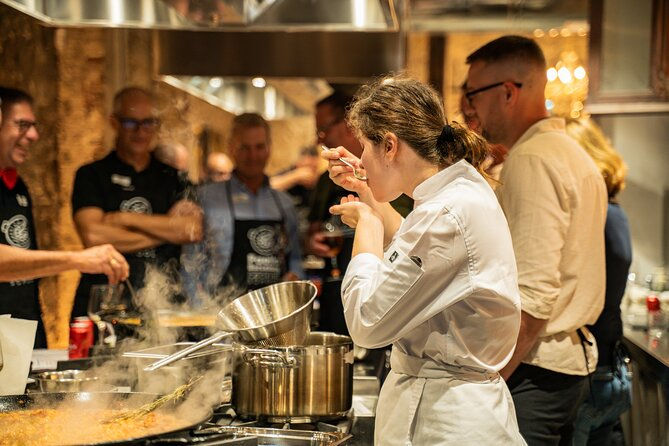
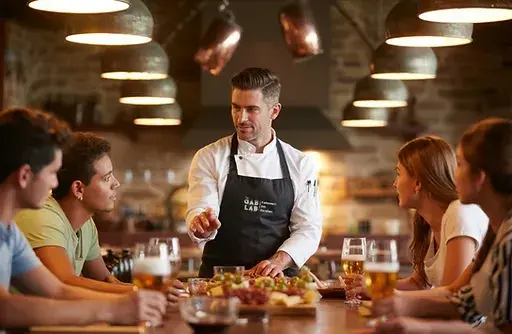
Cooking classes are excellent in Barcelona. They teach you the technique, then you cook and eat your own paella. You'll find classes near Las Ramblas and throughout the city.
Barcelona's Paella Culture
Barcelona chefs learned paella from Valencian masters. Barcelona's waterfront location naturally suited the seafood paella variation. Tourists who come to Barcelona and eat paella have a genuine experience—they're eating a real dish prepared by skilled cooks. Barcelona isn't paella's origin, but it's definitely a world-class paella destination.
This is why the confusion exists. Barcelona serves paella beautifully and consistently. Many travelers' first paella experience happens in Barcelona. For them, "Barcelona paella" becomes their reference point. It's understandable, even if it's technically inaccurate.
Valencia vs. Barcelona Paella: The Key Differences
Aspect | Valencia (Origin) | Barcelona (Variation) |
Primary Protein | Rabbit, chicken, game birds | Seafood (shrimp, mussels, squid) |
Beans | Garrofó and ferradura beans | Rarely included |
Vegetables | Onion, garlic, tomato sometimes | Peas, peppers, tomato common |
Signature Elements | Saffron, bomba rice, socarrat | Seafood broth, saffron sometimes |
Cooking Location | Farm kitchens and home celebrations | Restaurants and coastal venues |
Cultural Meaning | Tradition, heritage, family gathering | Dining experience, tourism |
When Served | Lunch (main meal); rarely dinner | Lunch and dinner |
Crowd Dining | Shared from one large pan | Often individual portions |
Historical Origin | Farm workers' lunch (1400s) | Restaurant evolution (1800s-1900s) |
Different Types of Paella
Paella isn't just one dish—it's a cooking method and flavor concept that regions have adapted.
Traditional Paella (Paella Valenciana)
The original. Rabbit or chicken. Beans. No seafood. This is what you should seek out in Valencia.
Seafood Paella (Arròs a Banda or Paella de Marisco)
Dominated by Mediterranean seafood: shrimp, mussels, clams, squid, sometimes lobster. The seafood broth replaces the meat broth. This is Barcelona's specialty and the most common paella served to tourists. It's delicious, but different from the original.
Mixed Paella (Paella Mixta)
Combines meat and seafood. You get rabbit or chicken plus shrimp and mussels. This bridges the Valencian and coastal traditions. It's popular in restaurants because it appeals to everyone.
Black Rice Paella (Arròs Negre)
Squid ink turns the rice black. This is Catalonia's signature rice dish, not traditional Valencian paella. The flavor is briny and oceanic. It's worth trying if you're in Barcelona or coastal areas.
Vegetarian Paella
No meat or seafood. Instead: seasonal vegetables, mushrooms, artichokes, peas, beans. It's less common in traditional restaurants, but more restaurants are offering it to meet dietary needs.
Short-Grain vs. Long-Grain Myths
Real paella uses bomba rice. This short-grain variety stays firm and absorbs broth without becoming mushy. Other short-grain Spanish rices work (like senia rice). Long-grain rice like jasmine or basmati produces a different texture and shouldn't be called paella—it becomes more like risotto.
Common Myths About Paella
Myth | Reality |
"Paella is from Barcelona" | Paella originates in Valencia. Barcelona serves excellent paella but isn't the birthplace. |
"Paella must have seafood" | Traditional Valencian paella has no seafood. Seafood versions are legitimate variations, not the original. |
"Paella should be creamy" | Paella should have individual, separate grains of rice. Creamy paella is overcooked or made incorrectly. |
"Paella is dinner food" | In Spain, paella is typically lunch. Serving paella at dinner is mainly a tourist accommodation. |
"More expensive = better paella" | Price doesn't guarantee quality. A simple traditional paella can be better than an expensive tourist version. |
"Paella is eaten individually" | Authentic paella is shared. One large pan serves 2-6 people who eat together. |
"You can make paella at home easily" | Traditional paella requires an open fire or a paella burner. Home stovetop versions are approximations. |
"Saffron makes paella yellow" | Saffron does color rice, but it's expensive. Not all paella restaurants use real saffron. Turmeric is cheaper but produces different flavor. |
"Stirring while cooking makes it better" | Wrong. Stirring creates creamy texture. Stop stirring after adding broth. |
"Leftovers make good paella" | Paella should be cooked to order. Reheated paella tastes different and has poor texture. |
How to Find Authentic Paella: A Traveler's Checklist
When you're in Spain and want to eat real paella, use this checklist:
✓ Is it called Paella Valenciana? Look for this specific name. It signals the restaurant knows traditional recipes.
✓ Do they ask how many people are eating? Authentic restaurants cook paella to order for a specific group size. They don't serve pre-made portions.
✓ Is it cooked over a visible flame? Best case: you see the paellera cooking over open fire. Acceptable: you see a paella burner (professional gas burner designed for paella). Problematic: cooked on a regular stovetop.
✓ Do you hear crackling from the pan? The socarrat (crispy bottom layer) should make gentle crackling sounds. This is good.
✓ Does the rice look separate? Grains should be visible and distinct. If rice looks mushy or creamy, it's overcooked.
✓ Is it served in the paellera? You should eat from the pan it was cooked in, not transferred to plates. This is tradition and keeps the food hot.
✓ Does the menu distinguish between Valenciana and Seafood? Honest restaurants list different paella types. They don't pretend seafood paella is traditional.
✓ Are locals eating there? Restaurants full of locals at lunch (1-3 PM) are usually doing something right.
✓ Is it reasonably priced? Authentic paella costs money (saffron isn't cheap), but it shouldn't be outrageously expensive. If it's €50+ per person, you might be paying for the view, not the food.
✓ Do they use bomba rice? Ask. If they don't know what you mean, that's a red flag.
Expert Tips Before Ordering Paella
What Locals Actually Order
When Valencians eat paella, they follow specific customs:
Eat at lunch, not dinner. Paella is a midday meal in Spain. Lunch runs from 1-3 PM. This is when restaurants cook paella fresh, not when they reheat yesterday's version for tourists eating dinner at 8 PM.
Order paella for two or more. Paella is a shared dish. One person doesn't order paella alone. Two people minimum. The standard is 2-3 people per paellera.
Bring bread. Always. Fresh, crusty Spanish bread is essential. You use it to scoop rice, soak up broth, and push rice around the pan. No bread? You're missing half the experience.
Share one pan. Everyone eats from the same paella. You don't each get individual plates. This is part of paella's social meaning. You're literally sharing one meal, sitting around it together.
Pace yourself. Paella is rich. Rice soaks up olive oil and broth. It's satisfying. Eat slowly. You'll get full. Two courses afterward (like a small seafood dish or salad) is normal, but not necessary.
Skip the sangria. This is tourist advice, but Spanish wines pair better. A local white wine like Albariño complements paella. Or a local beer.
Restaurant Etiquette
Don't arrive hungry. Paella takes 25-35 minutes to cook. If they tell you it's ready in 10 minutes, it wasn't cooked fresh. Go to a bar, have a drink and some olives while you wait.
Don't order paella your first course. Paella is the meal. Eat it as your only course (or with bread and wine). You're not having three courses plus paella.
Don't ask for modifications. "Can you remove the rabbit?" or "Can you add shrimp?" marks you as a tourist. Order what's on the menu.
Don't photograph for too long. Take your photo, then eat. The paella gets cold. Locals will judge you (silently).
Do tip appropriately. Spain doesn't have mandatory tipping like the US, but 5-10% for good service is appreciated.
Frequently Asked Questions
Is Paella From Barcelona?
No. Paella originates in Valencia, a region south of Barcelona in Spain. Barcelona is the capital of Catalonia, a different region with its own cuisine. The confusion exists because Barcelona serves excellent paella in many restaurants, and many tourists eat paella there. However, the dish is distinctly Valencian.
Paella developed from farm workers' meals in the rice fields near the Albufera lagoon outside Valencia. Barcelona adopted paella and perfected the seafood variation, but it didn't invent the dish. If you want to eat paella in its birthplace and cultural home, you go to Valencia, not Barcelona.
Is Paella Catalan?
No, paella is not Catalan—it's Valencian. Catalonia (where Barcelona is located) and Valencia are separate regions in Spain with different languages, cultures, and food traditions. Catalan cuisine has its own signature dishes like escalivada (roasted vegetables), calcots (roasted onions with romesco sauce), and arròs negre (black rice with squid ink).
Paella belongs to Valencian cuisine. However, Catalan chefs have learned to cook paella excellently, particularly the seafood variation, which suits Catalonia's coastal location. Barcelona restaurants serve high-quality paella, but this doesn't make paella Catalan. It makes Barcelona an excellent place to eat this Valencian dish.
What Region Is Paella From?
Paella is from the Valencian Community (Comunidad Valenciana), an autonomous region on Spain's eastern Mediterranean coast. Within this region, paella specifically originated in the area surrounding the Albufera, a shallow lagoon just south of the city of Valencia.
The Valencian Community includes three provinces: Valencia, Alicante, and Castellón. When you ask "what region is paella from?" the answer is Valencia. The dish was born there because Valencia's marshy wetlands were perfect for rice cultivation starting in the 15th century. Farm workers created paella as an efficient, one-pan meal using local ingredients: rice, rabbit, beans, saffron, and olive oil.
What City Is Paella From?
Paella is from Valencia, a city on Spain's eastern coast. More precisely, paella originated in the farmlands surrounding the Albufera lagoon, just south of Valencia city. The city of Valencia became so associated with the dish that "paella" and "Valencia" are nearly synonymous.
The city is now home to numerous paella restaurants, paella festivals, and the Counciliate of Paella—an organization dedicated to preserving the dish's authenticity. If you want to experience paella in its birthplace, you visit the city of Valencia in the Valencian Community.
What Is Valencian Paella?
Valencian paella is the original, traditional paella. It features short-grain bomba rice cooked in a wide, shallow paella pan with rabbit or chicken, garrofó and ferradura beans, saffron, and olive oil.
The rice is cooked in broth, never stirred after the broth is added, and finished with a crispy, golden-brown layer on the bottom called the socarrat. Valencian paella is a living culinary tradition recognized by UNESCO as Intangible Cultural Heritage.
It reflects the agricultural heritage of Valencia's rice-farming communities and remains central to Valencian culture and celebrations. Unlike tourist variations with seafood or cream, authentic Valencian paella uses specific ingredients that have remained consistent for centuries.
What Is Valencia Paella Vs Seafood Paella?
Valencia paella (Paella Valenciana) is the original with rabbit or chicken, beans, and no seafood. Seafood paella (Arròs a Banda or Paella de Marisco) replaces meat with Mediterranean seafood like shrimp, mussels, clams, and squid. Seafood paella uses seafood broth instead of meat broth.
Both are real paella dishes, but they evolved differently. Valencian paella reflects inland farm culture. Seafood paella reflects coastal fishing communities. Barcelona specializes in seafood paella because of its location on the Mediterranean. If you're in Valencia, you're more likely to eat traditional Valencian paella. If you're in Barcelona or other coastal cities, you'll typically encounter seafood paella. Neither is fake—they're regional variations of the same cooking technique.
Where Should I Eat Authentic Paella?
For authentic Valencian paella in its birthplace, visit Valencia and eat at lunch (1-3 PM) at restaurants specializing in Paella Valenciana. Look for places where locals eat. Avoid tourist-heavy areas. For excellent paella in Barcelona, seek beachfront restaurants in Barceloneta or restaurants with "paella" in the name that specialize in the dish.
Eat at lunch, not dinner. Ask if they use bomba rice and whether the paella is cooked to order. Cooking classes are excellent in both cities—you learn technique while preparing and eating your own paella. Search for paella cooking classes near Las Ramblas in Barcelona or in Valencia's city center.
How Is Paella Different in Barcelona Than Valencia?
Paella in Barcelona typically includes seafood and is served in restaurants catering to tourists and locals alike. Barcelona's paella reflects its coastal culture. Valencia paella emphasizes rabbit, chicken, and beans—reflecting the inland agricultural heritage.
Barcelona serves paella at all hours (lunch and dinner). Valencia traditionally serves paella at lunch. Barcelona portions are sometimes individual. Valencia serves from one shared pan. Both are good, but they're different expressions of the same dish.
Barcelona learned paella from Valencia and added seafood to suit local ingredients. This isn't corruption—it's adaptation. The technique remains the same. The flavor profile differs based on regional ingredients.
What Is Paella Made Of?
Traditional Valencian paella contains bomba rice, saffron, rabbit or chicken, garrofó beans, ferradura beans, olive oil, onion, garlic, broth, salt, and pepper. It's cooked in a paella pan over heat (traditionally wood fire, now often gas burners).
Seafood paella substitutes shrimp, mussels, clams, and squid for meat. Some variations include tomatoes, peas, or peppers. The core—rice, fat, broth, protein, and flavor (saffron)—remains consistent. The technique matters as much as ingredients. Rice is toasted before broth is added. Once broth is added, the pan isn't stirred. The bottom layer crisps and caramelizes. This creates paella's distinctive texture.
Can I Make Paella at Home?
Yes, with limitations. You can make paella-style rice on a home stovetop using bomba rice, saffron, broth, and your choice of protein. However, true paella requires a paella burner (a special gas burner designed for paella pans) or an outdoor fire. Regular stovetops create uneven heat distribution. The rice won't develop proper socarrat.
If you want to learn paella technique while making it at home-level quality, take a cooking class. Professional instructors teach you the method. Many classes in Barcelona and Valencia include cooking classes in Barcelona where you cook on professional equipment and learn from experts. This is more practical than struggling at home.
How to Find More Information on Paella
For more details on specific aspects of paella, explore these related topics:
Rice Selection: Understanding which rice varieties work for paella and why bomba rice is essential. Learn more about the best rice for paella.
Saffron's Role: Discover how saffron flavors paella and why it's a critical ingredient. Read more about saffron in paella.
Paella vs Risotto: Understand the key differences between these two rice dishes. Compare risotto vs paella.
What Is Paella: A comprehensive overview of what defines paella. See what is paella.
Paella Cooking Classes: Learn hands-on paella cooking. Explore paella cooking classes in Barcelona vs Madrid or find a paella class near Las Ramblas.
Ultimate Experience: Book a unique paella experience for your next event in Barcelona or explore our ultimate paella cooking class experience.
Visit Gastronomic Arts Barcelona for paella experiences, cooking classes, and food tourism in Barcelona.
Conclusion
Paella comes from Valencia. This matters because understanding food's origins helps you eat authentically and respect the cultures that created these dishes. Paella isn't Barcelona's invention—it's Valencia's gift to Spanish cuisine and the world.
You now know why paella originated in Valencia, why tourists mistakenly think it's from Barcelona, and how both cities cook the dish. You understand the difference between Valencian paella and seafood variations. You know what to look for when ordering authentic paella and where to eat it well.
Whether you're visiting Barcelona or Valencia, eat paella at lunch. Order for two or more people. Share one pan. Eat slowly. Bring bread. Notice the crispy, caramelized rice at the bottom—the socarrat that gives paella its soul.
Most importantly, remember: paella is Valencian. It represents centuries of farm culture, agricultural innovation, and community tradition. When you eat paella, you're eating history.



Comments