
Spanish Kitchen Essentials: Pantry Staples & Equipment
Updated: Jul 17

Most home cooks struggle to recreate authentic Spanish dishes because they lack the right pantry staples and equipment. Spanish kitchen essentials transform ordinary ingredients into extraordinary meals.
This article reveals the exact pantry staples, equipment, and techniques used by Spanish chefs. Discover what you need to build an authentic Spanish kitchen and start cooking traditional Spanish cuisine today.
What Makes Spanish Kitchen Essentials Different
Spanish cooking relies on quality ingredients and specific techniques that distinguish it from other cuisines. Unlike French cooking with its complex sauces or Italian pasta-focused meals, Spanish kitchen essentials emphasize bold flavors, regional ingredients, and straightforward preparation methods.
The foundation of Spanish kitchen essentials includes staple ingredients that appear in countless regional dishes. These ingredients work together to create the distinct taste profile that makes Spanish food instantly recognizable.
Understanding Spanish kitchen essentials means learning about regional variations. Coastal regions emphasize seafood and rice-based dishes, while inland areas focus on cured meats and legumes.
Essential Pantry Staples for Spanish Kitchen Essentials
Building your collection of Spanish kitchen essentials starts with the pantry. These staple ingredients form the backbone of authentic Spanish cooking.
Saffron and Spices
Saffron stands as the most expensive spice in Spanish kitchen essentials. This golden spice defines dishes like paella, adding both color and distinctive flavor. Understanding saffron quality matters because price varies dramatically based on origin and purity.
Premium saffron threads cost $10-20 per gram
Spanish saffron (azafran) from La Mancha ranks among the world's finest
One gram of quality saffron replaces 500+ individual stigmas
Other essential spices in Spanish kitchen essentials include paprika, cumin, and garlic powder. Paprika, especially smoked paprika, delivers that characteristic Spanish flavor.
Rice Varieties
Rice selection matters enormously in Spanish kitchen essentials, particularly for paella. Different rice varieties absorb liquid differently, affecting the final dish texture.
Rice Type | Best For | Characteristics |
Bomba | Traditional paella | Short grain, absorbs 3x its weight in liquid |
Arborio | Risotto | Medium grain, creates creamy texture |
Senia | Valencia paella | Long grain, slightly softer texture |
Learn more about choosing the right rice by reading our guide on best rice for paella.
Olive Oil Quality
Extra virgin olive oil forms the foundation of Spanish kitchen essentials. Quality olive oil directly impacts flavor, so investing in good oil makes a real difference.
Extra virgin olive oil must have acidity levels below 0.8%
Spanish oils from Andalusia deliver fruity, peppery notes
Cold-pressed olive oil retains more flavor compounds than heat-processed versions
Cured Meats and Seafood
Spanish kitchen essentials include specialized cured meats that bring umami depth to dishes.
Jamón serrano aged 24-48 months delivers complex salt and meat flavors
Chorizo varieties include fresh, smoked, and cured versions
Morcilla (blood sausage) appears in numerous Spanish dishes and stews
Must-Have Kitchen Equipment for Spanish Kitchen Essentials
The right equipment transforms Spanish kitchen essentials from ideas into actual meals. Traditional Spanish cooking equipment differs from standard kitchen tools.
The Paella Pan
The paella pan, called paellera, stands as the most iconic piece of Spanish kitchen essentials equipment. Its wide, shallow design distributes heat evenly across the rice.
Paella pans range from 12 to 20 inches in diameter
Carbon steel pans develop seasoning like cast iron and heat faster than stainless steel
Paella pans work on gas flames, open fires, and electric cooktops
Want to understand paella better? Check our article on what is paella.
Cazuela Dishes
Cazuelas are earthenware cooking vessels that appear throughout Spanish kitchen essentials. These shallow, wide dishes distribute heat gently for braised dishes and stews.
Other Essential Equipment
Mortar and pestle for grinding spices and making garlic paste
Large wooden spoon for stirring paella without scraping the pan
Tapas plates and small serving bowls for traditional Spanish dining
Kitchen shears for cutting cured meats and fresh herbs
Understanding Saffron in Spanish Kitchen Essentials
Saffron transforms Spanish kitchen essentials dishes, but many cooks misuse this precious spice. Proper saffron preparation maximizes flavor while preventing waste.
Learn specific saffron techniques by reading our detailed guide on saffron in paella.
Preparing Saffron Correctly
Toast saffron threads lightly in a dry pan for 30 seconds
Steep toasted threads in hot broth or water for 5-10 minutes
Add the entire mixture (threads and liquid) to your paella
Paella vs Risotto: Know the Difference
Many cooks confuse paella with risotto, yet Spanish kitchen essentials treat these dishes differently. Understanding the differences matters for authentic results.
For a detailed comparison of cooking techniques and ingredients, read our guide on risotto vs paella.
Key Differences Between Spanish Kitchen Essentials Dishes
Aspect | Paella | Risotto |
Stirring | Minimal stirring, once at the start | Constant stirring throughout cooking |
Cooking Time | 18-25 minutes on the stovetop | 20-30 minutes with periodic liquid addition |
Texture | Separate grains with a crispy bottom crust | Creamy consistency with soft grains |
Building Your Spanish Kitchen Essentials Collection
Starting with Spanish kitchen essentials doesn't require buying everything at once. Build your collection gradually by adding items as you cook different regional dishes.
Beginner Spanish Kitchen Essentials
Quality extra virgin olive oil
Garlic and onions
Smoked paprika
Tomato paste
Cumin and bay leaves
Intermediate Spanish Kitchen Essentials
Saffron threads
Jamón serrano
Chorizo
Paella pan
Bomba rice
Advanced Spanish Kitchen Essentials
Premium morcilla varieties
Cazuela dishes
Specialty spices
Mortar and pestle
Learning Spanish Kitchen Essentials Through Cooking Classes
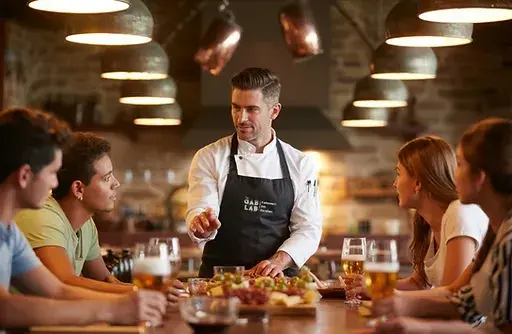
Understanding Spanish kitchen essentials means seeing them used by experienced cooks. Cooking classes provide hands-on experience with authentic ingredients and techniques.
Discover paella cooking classes by reading about paella cooking class Barcelona vs Madrid to find the best learning opportunity for you.
Or explore classes closer to tourist areas by reading about paella class near Las Ramblas.
Understanding Regional Variations in Spanish Kitchen Essentials
Spanish kitchen essentials shift based on regional geography and available ingredients. Coastal regions feature seafood heavily, while inland areas emphasize legumes and cured meats. Learning about what region of Spain is paella from helps you understand how geography shapes Spanish kitchen essentials.
Valencia Region
Birthplace of paella
Features rabbit, beans, and short green beans
Uses local Bomba rice
Catalonia Region
Emphasizes seafood in Spanish kitchen essentials
Features romesco sauce
Uses fideuá instead of rice in some dishes
Andalusia Region
Source of premium jamón serrano
Features gazpacho and cold soups
Produces exceptional olive oil
Practical Tips for Using Spanish Kitchen Essentials
Storage Guidelines
Store olive oil in a cool, dark place away from heat
Keep saffron in an airtight container
Wrap cured meats tightly after opening
Store paprika in sealed containers to preserve color
Quality Indicators
Premium olive oil should smell fruity and fresh
Real saffron threads are deep red, not orange
Jamón serrano should have a firm texture and rich aroma
Bringing Spanish Kitchen Essentials Into Your Home
Spanish kitchen essentials create a foundation for authentic cooking, but success requires understanding not just what to buy, but how to use these ingredients properly. Start with beginner essentials and expand gradually as you cook more Spanish dishes.
Quality matters more than quantity.
One excellent bottle of olive oil outperforms three mediocre bottles. One premium saffron purchase will supply dozens of paella dishes.
Learning through experience accelerates your understanding of Spanish kitchen essentials. Try different regional dishes, taste how ingredients work together, and build your collection based on what resonates with you.
With proper Spanish kitchen essentials at hand and basic techniques mastered, you transform ordinary home cooking into authentic Spanish meals that transport you to Spain with every bite.
Explore More Spanish Culinary Resources
For comprehensive guidance on Spanish cuisine and cooking techniques, visit Gastronomic Arts Barcelona for additional articles, recipes, and culinary experiences.


Comments