
What Is Paella? History and Origin of Spain's Most Famous Dish

Paella is Spain's most famous rice dish and a defining symbol of Valencian cuisine. This traditional Spanish rice dish originated in Valencia and uses saffron-infused rice, olive oil, vegetables, and proteins—typically rabbit, chicken, or seafood—cooked in a wide, shallow pan. The dish represents Spain's most iconic culinary export and remains one of the world's most recognized national dishes, celebrated for its rich flavors, shared dining experience, and deep cultural significance in Spanish gastronomy.
KEY TAKEAWAYS
Origin: Paella originated in Valencia, Spain, evolving from agricultural traditions of eastern Spain
Traditional Protein: Authentic paella uses rabbit and chicken (Paella Valenciana)
Primary Rice: Bomba rice is the preferred variety for authentic paella
Signature Flavor: Saffron provides paella's distinctive golden color and aromatic taste
Prized Element: Socarrat—the crispy, caramelized rice layer—is the hallmark of perfectly cooked paella
Evolution: Paella has evolved into seafood and mixed varieties while maintaining traditional cooking methods
Cultural Symbol: Paella represents the heart of Spanish culinary culture and Mediterranean cuisine
Global Celebration: Valencia hosts World Paella Day, attracting international participation
Authenticity Standards: Authentic paella follows strict traditional Valencian cooking techniques
World Recognition: Paella remains among the world's most recognized and celebrated national dishes
INTRODUCTION
Paella stands as Spain's greatest culinary achievement and a testament to Valencia's agricultural heritage. Beyond being a mere dish, paella embodies centuries of Spanish tradition, agricultural innovation, and Mediterranean flavors. Its rise to global prominence reflects not only the excellence of Spanish gastronomy but also its role as a bridge between cultures and continents.
The dish's importance extends far beyond restaurant menus. Paella has become synonymous with Spanish food tourism, drawing millions of visitors annually to Valencia and coastal regions to experience authentic paella preparation. Travel guides consistently rank paella experiences as must-do activities in Spain, with culinary tourism centered around paella rivaling beach destinations in popularity.
The Valencian Community has transformed paella into a global phenomenon. From the Albufera Natural Park—where rice cultivation flourishes—to Michelin-starred restaurants, paella represents Spanish excellence across all economic strata. UNESCO recognizes Mediterranean diet traditions of which paella forms a cornerstone, cementing its status as a protected culinary heritage.
WHAT IS PAELLA?
Paella is Spain's most famous rice dish and a defining symbol of Valencian cuisine.
Definition
Paella is a rice-based dish cooked in a wide, shallow pan using saffron, olive oil, vegetables, and proteins such as rabbit, chicken, seafood, or combinations thereof. The dish delivers bold flavors through careful ingredient selection and precise cooking techniques that create distinct textural layers and concentrated flavors.
Key Features
Wide Cooking Surface: Traditional paella pans (paelleras) feature a flat bottom and gently sloping sides, typically ranging from 14 to 30+ inches in diameter. This design creates maximum surface area for rice exposure to heat, enabling even cooking and socarrat formation.
Thin Rice Layer: Authentic paella maintains a consistent rice layer approximately 1-2 inches thick, allowing uniform cooking and optimal heat distribution throughout the dish.
Saffron Flavor Profile: Spanish saffron (crocus sativus) provides paella's signature golden color, aromatic quality, and subtle earthiness. This expensive spice creates the distinctive flavor profile that separates paella from other rice dishes worldwide.
Socarrat Formation: The intentional development of a crispy, caramelized rice layer at the pan's bottom creates textural complexity and concentrated flavors that define superior paella execution.
Benefits of Paella
Rich Cultural Heritage: Paella connects diners to centuries of Valencian tradition, agricultural practices, and Mediterranean civilization. Consuming paella engages with living Spanish history and gastronomy.
Balanced Ingredient Profile: Traditional paella combines proteins, vegetables, starches, and healthy fats in proportions aligned with Mediterranean diet principles, delivering nutritional balance alongside culinary excellence.
Shared Dining Experience: Paella's communal presentation—typically served directly from the cooking vessel—creates social connection and shared participation in Spain's most iconic food tradition.
Paella Variations
Paella Valenciana (Rabbit and Chicken Paella): The original and most authentic paella type, using locally-sourced rabbit and chicken combined with white beans and green beans.
Seafood Paella (Paella de Marisco): Modern adaptation featuring shrimp, mussels, clams, and squid, representing coastal Spain's maritime culinary traditions.
Mixed Paella (Paella Mixta): Contemporary variation combining both rabbit/chicken and seafood proteins, offering complexity and broad appeal.
Black Paella (Arroz Negro): Dramatic variation using squid ink, creating striking color and intense oceanic flavor profile.
Vegetable Paella (Paella de Verduras): Plant-based adaptation featuring seasonal vegetables, mushrooms, and legumes while maintaining authentic cooking techniques.
HISTORY AND ORIGIN OF PAELLA
Paella originated in Valencia and developed from the agricultural traditions of eastern Spain.
Historical Timeline
Roman Irrigation Innovation: The Romans introduced sophisticated irrigation systems to the Iberian Peninsula, transforming Valencia's Albufera region into productive agricultural land. These hydraulic innovations established the foundation for rice cultivation that would eventually produce paella.
Arab Rice Cultivation: Arab conquerors introduced rice cultivation to Spain during the 8th century, bringing advanced agricultural techniques and establishing rice as a staple crop in Valencia. The Albufera Natural Park became Spain's primary rice-growing region, producing superior grain varieties through centuries of cultivation.
Medieval Development: By the 12th century, Valencian farmers had established rice cultivation as the region's economic foundation. Farmers prepared rice dishes using available ingredients—rabbit, chicken, vegetables—creating early paella precursors.
18th-Century Formalization: Valencian rural workers and farmers formalized paella during the 18th century, developing standardized cooking techniques and ingredient combinations that remain recognizable today. These workers created paella as an efficient one-pan meal using accessible ingredients, initially cooking over open flames in agricultural fields.
19th-Century Urban Adoption: Paella transitioned from rural farmland cooking to Valencia's urban centers, gaining popularity among all social classes. Valencia's working-class neighborhoods developed distinctive regional paella variations reflecting local ingredient availability and cultural preferences.
20th-Century International Expansion: Spanish emigration, culinary literature, and international tourism transformed paella into a globally recognized Spanish symbol. José Andrés and other Spanish culinary ambassadors championed paella on international stages, establishing its status as Spain's most famous national dish.
Modern UNESCO Recognition: Contemporary culinary scholarship recognizes paella as a cornerstone of Mediterranean diet traditions. UNESCO's designation of Mediterranean diet practices acknowledges paella's central role in Spanish gastronomic heritage and cultural identity.
Valencia's Central Role
The Valencian Community's geography and history created ideal conditions for paella's development. The Albufera Natural Park provides perfect rice-growing conditions, creating abundant bomba and senia rice varieties. Local agricultural traditions, indigenous ingredients, and cultural values shaped paella into Spain's defining dish.
Valencia's relationship with paella mirrors the city's identity. While Barcelona represents Catalonian modernity and Madrid symbolizes political centrality, Valencia represents Spain's agricultural soul and authentic food traditions. Paella tourism concentrates in Valencia, with thousands of restaurants serving paella variations daily and countless cooking classes teaching authentic techniques.
HOW TRADITIONAL PAELLA IS MADE
Authentic paella follows a structured cooking process that creates its distinctive flavor and texture.
Step-by-Step Traditional Method
1. Prepare Ingredients Gather quality bomba rice (typically 2 cups per 4-6 servings), saffron threads, rabbit pieces or chicken, seasonal vegetables (tomatoes, green beans, white beans), fresh garlic, quality Spanish olive oil, and saffron-infused broth heated to proper temperature.
2. Heat Olive Oil in Paella Pan Heat 4-5 tablespoons of premium Spanish extra virgin olive oil in your paella pan (paellera) over medium-high heat. Traditional cooking occurs over open flame when possible, creating even heat distribution and authentic flavor development. Allow oil to reach appropriate temperature before adding proteins.
3. Brown Rabbit and Chicken Season rabbit pieces and chicken with salt and pepper, then brown them thoroughly in the heated olive oil. This browning process creates the sofrito base—a flavorful foundation of caramelized proteins and rendered fats essential to traditional paella.
4. Add Vegetables and Sofrito Base Remove browned proteins temporarily. Add diced garlic, tomatoes, and other sofrito vegetables to the oil, stirring constantly for 2-3 minutes until vegetables soften and flavors concentrate. This sofrito base represents traditional Spanish cooking technique and creates the flavor foundation paella requires.
5. Return Proteins and Add Rice Return browned proteins to the pan, then add bomba rice directly to the sofrito mixture. Stir thoroughly for 2-3 minutes, coating every rice grain with flavorful oil. This toasting step develops nutty flavors and ensures even cooking.
6. Add Saffron-Infused Stock Pour pre-heated broth infused with saffron threads over the rice. The liquid should cover rice by approximately 1 inch. Saffron threads deliver the signature golden color, aromatic qualities, and subtle earthiness defining authentic paella.
7. Simmer Without Stirring Reduce heat to medium and allow paella to simmer undisturbed for 15-20 minutes. Resist the urge to stir—this fundamental principle distinguishes paella from risotto. The unstirred cooking creates distinct rice textures: tender interiors with flavorful oil absorption and developing crispy exteriors.
8. Develop Socarrat After rice absorbs most liquid, increase heat moderately for 1-2 minutes. Listen for gentle crackling sounds as the rice layer contacts the hot pan. You'll smell toasted, caramelized rice—this is socarrat, the prized crispy layer that separates exceptional paella from mediocre preparation.
9. Rest Before Serving Remove from heat and allow paella to rest for 3-5 minutes, covered loosely with foil or parchment. This resting period allows residual heat to finish cooking inner rice layers while socarrat sets properly.
Best Practices for Authentic Paella
Use Bomba Rice: Bomba rice from Valencia absorbs liquid without becoming mushy, maintaining distinct grain structure while developing proper texture. Senia rice offers an acceptable alternative, but bomba remains the superior choice for authentic paella.
Source Authentic Spanish Saffron: Spanish saffron (Designation of Origin-protected crocus sativus from La Mancha) delivers superior flavor and color compared to imports. Avoid cheap saffron substitutes that compromise paella quality significantly.
Avoid Excessive Stirring: Traditional paella cooking requires restraint. Stirring disrupts rice layer development, prevents socarrat formation, and creates undesired texture consistency resembling risotto rather than authentic paella.
Cook Over Open Flame When Possible: Traditional paella cooking occurs over wood-fired flames or gas burners that provide consistent, intense heat. This open-flame cooking creates the high temperatures necessary for socarrat development and authentic flavor concentration.
Maintain Proper Liquid Ratio: Use appropriate broth quantities—typically 3-4 cups for 2 cups bomba rice—accounting for regional variations. Excessive liquid produces mushy rice; insufficient liquid leaves rice undercooked.
Temperature Control: Monitor heat carefully. Initial high heat toasts rice grains; medium heat sustains even cooking; elevated heat at the end develops socarrat. Temperature adjustments occur throughout the 20-25 minute cooking process.
Ingredient Quality: Premium ingredients produce superior results. Spanish olive oil, authentic saffron, quality proteins, and fresh vegetables transform paella from simple rice dish to celebrated Spanish culinary achievement.
TYPES OF PAELLA: COMPARISON AND CHARACTERISTICS
Several regional variations exist, but Valencian paella remains the authentic original.
Paella Valenciana (Authentic Original)
Description: Paella Valenciana represents the original paella recipe developed by Valencian farmers and rural workers. This version uses rabbit and chicken as primary proteins, combined with white beans (judiones) and green beans (ejotes).
Ingredients: Bomba rice, rabbit, chicken, white beans, green beans, tomatoes, saffron, Spanish olive oil, garlic, and traditional Valencian broth.
Flavor Profile: Earthy, savory, with subtle meat complexity and vegetable undertones. The combination of rabbit and chicken creates layered flavors unavailable in seafood or mixed varieties.
Authenticity Status: Highest authenticity ranking. This version adheres most closely to traditional 18th-century Valencian preparation methods and ingredient availability.
Regional Origin: Valencia's Albufera Natural Park and surrounding Valencian Community agricultural regions.
Global Availability: Less common globally than seafood variations, though increasingly available at Spanish restaurants emphasizing culinary authenticity.
Seafood Paella (Paella de Marisco)
Description: Seafood paella represents coastal Spain's maritime culinary traditions, featuring fresh Atlantic and Mediterranean seafood. This modern adaptation emphasizes fresh shellfish and fish over traditional rabbit and chicken proteins.
Ingredients: Bomba rice, shrimp, mussels, clams, squid, scallops, saffron, Spanish olive oil, garlic, tomatoes, and seafood broth.
Flavor Profile: Oceanic, briny, with complex seafood flavors. Fresh seafood creates lighter taste profiles compared to traditional paella's earthier characteristics.
Authenticity Status: Traditional in coastal regions but less authentic than Paella Valenciana. Represents legitimate regional variation rather than modern invention.
Regional Origin: Coastal Spain—particularly Catalonia, Basque Country, and Mediterranean regions where seafood availability influences cuisine.
Global Availability: Most globally recognized paella variation. Restaurants worldwide feature seafood paella due to ingredient availability and international preferences.
Mixed Paella (Paella Mixta)
Description: Contemporary adaptation combining both rabbit/chicken and seafood proteins, creating maximum complexity and broad appeal. This variation emerged during the 20th century as restaurants sought to accommodate diverse preferences.
Ingredients: Bomba rice, rabbit or chicken, seafood (shrimp, mussels, clams), saffron, Spanish olive oil, vegetables, and mixed broth.
Flavor Profile: Complex, combining earthy meat flavors with oceanic seafood characteristics. The protein combination creates multidimensional taste experiences.
Authenticity Status: Less traditional than Paella Valenciana but represents legitimate modern variation respecting authentic cooking techniques.
Regional Origin: Modern adaptation without specific regional origin, though prepared throughout Spain.
Global Availability: Widely available at Spanish restaurants globally. Accessible variation appealing to diverse palates and preferences.
Black Paella (Arroz Negro)
Description: Dramatic paella variation using squid ink (tinta de calamar) to create striking black coloring. This modern innovation represents culinary creativity while maintaining traditional cooking techniques.
Ingredients: Bomba rice, squid, squid ink, saffron, Spanish olive oil, garlic, seafood broth, and vegetables.
Flavor Profile: Intense, oceanic, with subtle bitterness from squid ink. Creates sophisticated flavor profile appealing to adventurous diners.
Authenticity Status: Modern creation without historical precedent in traditional Valencian cooking. Represents contemporary culinary interpretation.
Regional Origin: Modern invention associated with contemporary Spanish cuisine and Michelin-starred establishments.
Global Availability: Growing availability at upscale Spanish restaurants, particularly those emphasizing modern gastronomy.
Vegetable Paella (Paella de Verduras)
Description: Plant-based adaptation featuring seasonal vegetables, mushrooms, and legumes while maintaining authentic cooking techniques. This variation accommodates dietary preferences without compromising cooking methodology.
Ingredients: Bomba rice, seasonal vegetables (zucchini, eggplant, peppers), mushrooms, white beans, chickpeas, saffron, Spanish olive oil, and vegetable broth.
Flavor Profile: Light, vegetable-forward, with earthy undertones from mushrooms and legumes. Creates nutritious meal respecting Mediterranean diet principles.
Authenticity Status: Contemporary adaptation reflecting modern dietary preferences rather than traditional Valencian recipes.
Regional Origin: Modern creation without specific historical origin.
Global Availability: Increasingly available as vegetarian cuisine gains prominence in restaurant offerings.
COMMON MISTAKES WHEN MAKING PAELLA
Most paella mistakes occur when cooks ignore traditional Valencian techniques.
Using the Wrong Rice Variety
The Problem: Short-grain varieties like arborio rice, designed for risotto, create mushy texture when cooked using paella techniques. These varieties absorb excessive liquid, producing consistency resembling rice porridge rather than proper paella.
Why It Fails: Arborio rice requires constant stirring (risotto technique) to release starches and create creamy texture. Paella depends on bomba rice's capacity to absorb liquid while maintaining distinct grain structure without stirring.
The Solution: Always use bomba rice or senia rice from Valencia. These Designation of Origin-protected varieties absorb liquid without becoming mushy, maintaining the distinct texture paella requires.
Overstirring the Paella
The Problem: Excessive stirring disrupts rice grain development, prevents socarrat formation, and creates undesired mushy consistency. Overstirring transforms paella into something resembling risotto—an entirely different dish.
Why It Fails: Rice grains contact the hot pan bottom only when left undisturbed. Constant movement prevents this crucial contact, eliminating socarrat development and creating uniform, undesired texture.
The Solution: After initial rice toasting (2-3 minutes), resist stirring completely. Trust the cooking process. A properly made paella never requires stirring after the saffron broth addition.
Adding Excessive Liquid
The Problem: Too much broth creates mushy rice swimming in liquid rather than properly cooked paella with defined texture. Excessive liquid prevents socarrat development and extends cooking times unnecessarily.
Why It Fails: Proper paella achieves specific moisture balance. Excess liquid prevents rice from developing proper texture and leaves excess liquid that should evaporate during cooking.
The Solution: Use 3-4 cups broth for 2 cups bomba rice (ratio approximately 1.5:1 to 2:1). Monitor cooking carefully—rice should absorb liquid by cooking completion with minimal excess.
Overloading with Ingredients
The Problem: Excessive proteins, vegetables, and add-ins compress rice layers, prevent even heat distribution, and overwhelm subtle saffron flavors. Over-ingredient paella becomes ingredient soup rather than balanced rice dish.
Why It Fails: Paella's success depends on balanced ingredient proportions allowing heat distribution and flavor integration. Excessive ingredients prevent proper cooking and muddy distinctive flavors.
The Solution: Follow traditional proportions. Paella Valenciana uses moderate rabbit/chicken quantities (8-12 ounces total), minimal vegetables, and ample rice. Ingredients should complement rather than overshadow rice.
Skipping Saffron or Using Substitutes
The Problem: Turmeric or other saffron substitutes create inferior color and completely different flavor profile. Turmeric's earthy bitterness distorts paella's delicate saffron aromatics.
Why It Fails: Saffron provides paella's signature flavor, color, and aromatic quality. Substitutes may create similar coloring but deliver fundamentally different taste experiences.
The Solution: Always use authentic Spanish saffron threads. While expensive, saffron's essential contribution justifies cost. A standard paella requires only ½-¾ teaspoon saffron threads—a small quantity providing maximum impact.
Failing to Develop Socarrat
The Problem: Without intentional socarrat development, paella lacks the crispy, caramelized rice layer that defines superior execution. Avoiding high heat at cooking's end produces incomplete, one-dimensional paella.
Why It Fails: Socarrat represents paella's final flavor dimension—concentrated, caramelized rice providing textural and flavor contrast. Without this element, paella lacks essential complexity.
The Solution: After rice absorbs most liquid (approximately 18-20 minutes), increase heat moderately for 1-2 minutes. Listen for gentle crackling and smell toasted rice—these indicators signal proper socarrat development. This crucial step elevates good paella to exceptional preparation.
PAELLA COMPARISON TABLE
Feature | Paella Valenciana | Seafood Paella | Mixed Paella |
Origin | Valencia, Spain | Coastal Mediterranean | Modern Adaptation |
Main Protein | Rabbit & Chicken | Shrimp, Mussels, Clams, Squid | Mixed Meats & Seafood |
Authenticity Level | Highest - Original Recipe | Traditional - Regional Variation | Modern - Contemporary |
Flavor Profile | Earthy, Savory, Complex | Oceanic, Briny, Seafood-Forward | Complex, Hybrid |
Cost | Moderate | Higher (Seafood Premium) | Moderate-High |
Cooking Difficulty | Moderate | Moderate-Advanced | Moderate |
Vegetables | Green Beans, White Beans | Tomatoes, Peas | Mixed Vegetables |
Ideal Broth | Rabbit/Chicken Stock | Seafood Stock | Mixed Stock |
Global Availability | Increasing | Most Common | Widely Available |
Advantages | Historical authenticity, Distinctive flavor, Regional pride | Fresh seafood appeal, International recognition, Elegant presentation | Versatility, Broad appeal, Accommodates preferences |
Disadvantages | Less common globally, Requires sourcing rabbit, Regional purists restrict recognition | Higher ingredient cost, Requires fresh seafood access, Overfished concern | Purists criticize as inauthentic, Lacks historical basis |
PAELLA STATISTICS AND GLOBAL TRENDS
Production and Consumption Data
Annual Rice Production: Spain produces over 800,000 metric tons of rice annually, with Valencia accounting for approximately 60% of Spanish rice cultivation. The Albufera Natural Park alone produces over 100,000 tons yearly.
Global Recognition: Paella ranks among the world's top 5 most recognizable national dishes, competing with French cassoulet, Italian pasta, and Indian curry for international prominence.
Tourism Impact: Over 3 million international tourists visit Valencia annually, with approximately 70% citing paella experiences as primary motivations. Paella-focused tourism generates over €400 million in annual economic value.
World Paella Day: Established in 2018, World Paella Day (September 2) celebrates paella globally, with simultaneous cooking events across 80+ countries and millions of participants.
Restaurant Concentration: Valencia contains over 2,000 restaurants serving paella variations, making the city the world's paella capital. Barcelona follows with 800+ establishments, Madrid with 600+.
Social Media Impact: #Paella generates over 15 million Instagram posts, ranking among food's most photographed dishes globally. Paella cooking videos accumulate billions of YouTube views.
Market Growth: Global paella kit sales increased 45% between 2020-2024, reflecting growing international interest in authentic Spanish cuisine preparation.
Michelin Recognition: Approximately 120 Michelin-starred restaurants throughout Spain feature paella prominently, with 30+ establishments earning stars primarily for paella excellence.
EXPERT INSIGHTS ON AUTHENTIC PAELLA
José Andrés on Paella's Global Mission
José Andrés, Spain's culinary ambassador to the world, emphasizes paella's role in international food diplomacy. Through his World Central Kitchen initiatives, Andrés has introduced paella to communities globally, establishing the dish as a vehicle for cultural understanding and culinary education.
Andrés champions traditional Paella Valenciana as the authentic standard, advocating for bomba rice, proper saffron selection, and methodical cooking techniques that honor Valencia's agricultural heritage. His perspective influences contemporary paella preparation worldwide, establishing authenticity standards that guide both home cooks and professional chefs.
Ferran Adrià's Modernist Interpretations
Ferran Adrià, El Bulli's legendary chef, respected paella's traditional foundations while exploring contemporary culinary possibilities. Rather than abandoning tradition, Adrià incorporated paella techniques into modernist cuisine, demonstrating that innovation respects rather than rejects authentic foundations.
Adrià's influence transformed paella from purely traditional fare into legitimate subject for culinary experimentation, elevating the dish's status among modernist chefs worldwide. His approach established paella's versatility while maintaining core cooking principles.
Quique Dacosta's Contemporary Excellence
Quique Dacosta, Michelin three-star chef and Valencia native, represents contemporary Spanish gastronomy's commitment to paella excellence. His restaurant, Quique Dacosta in Denia, features paella variations earning international acclaim and Michelin recognition.
Dacosta's approach emphasizes ingredient sourcing, traditional technique respect, and contemporary presentation. He sources bomba rice directly from Albufera producers, utilizes local seafood and proteins, and maintains cooking methods honoring Valencia's culinary traditions while incorporating modern refinements.
Valencian Culinary Organizations
The Real Academia de Gastronomía (Royal Spanish Academy of Gastronomy) and Valencian Tourism Board actively preserve and promote paella traditions. These organizations establish authenticity standards, certify cooking quality, and ensure contemporary paella maintains traditional foundations.
Designation of Origin certifications for Valencian rice, saffron, and other ingredients create protected standards maintaining quality and authenticity. These certifications represent governmental commitment to paella's culinary integrity and cultural preservation.
Culinary Heritage Organizations
UNESCO's recognition of Mediterranean diet traditions acknowledges paella's central role in Spanish gastronomic heritage. This international designation elevates paella from regional specialty to protected cultural asset, ensuring contemporary preservation efforts continue indefinitely.
PRACTICAL PAELLA LEARNING: HANDS-ON EXPERIENCE
Traditional Cooking Classes in Valencia
Learning authentic paella preparation offers invaluable experience that cookbooks and online videos cannot replicate. Valencia offers numerous culinary schools providing comprehensive paella instruction from master chefs.
Consider enrolling in structured paella classes that combine:
Direct instruction from experienced Valencian chefs
Market visits sourcing fresh, authentic ingredients
Hands-on cooking under professional guidance
Cultural context explaining paella's historical development
Group dining celebrating your prepared paella
Beyond Valencia: International Paella Instruction
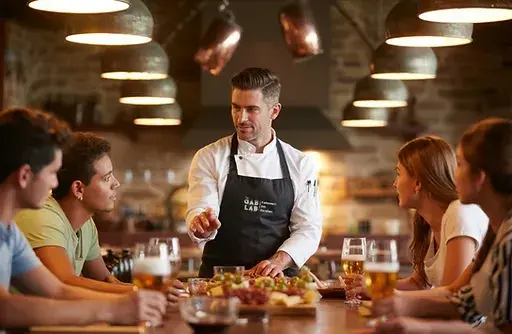
For those unable to travel to Valencia, exceptional paella instruction exists throughout Spain and increasingly in major culinary centers worldwide. Gastronomic Arts Barcelona offers comprehensive paella classes combining professional instruction with Barcelona's dynamic culinary scene, providing authentic learning experiences outside Valencia's traditional centers.
Gastronomic Arts Barcelona features:
Professional Spanish paella chefs with decades of experience
Small group classes ensuring personalized instruction
Market visits sourcing premium ingredients
Modern cooking facilities with traditional paella equipment
Wine pairings and cultural dining experiences
Whether in Valencia, Barcelona, or other Spanish culinary centers, hands-on instruction accelerates learning while building personal connections to Spanish culinary traditions.
FREQUENTLY ASKED QUESTIONS (FAQ)
1. What is paella exactly?
Paella is a traditional Spanish rice dish originating in Valencia, Spain, prepared in a wide shallow pan using saffron-infused bomba rice, olive oil, vegetables, and proteins like rabbit, chicken, or seafood.
The dish delivers distinctive flavor through careful ingredient selection and precise cooking techniques that create crispy caramelized rice (socarrat) while maintaining tender grain interiors. Paella represents Spain's most iconic culinary achievement and defines Mediterranean cuisine's essential characteristics.
2. Where did paella originate?
Paella originated in Valencia, Spain, developing during the 18th century from agricultural traditions of eastern Spanish rural workers. Farmers prepared one-pan meals using available ingredients—rice, rabbit, chicken, vegetables—cooking over open flames in agricultural fields.
The Albufera Natural Park's rice cultivation traditions established the foundation for paella's development, making Valencia the unquestionable birthplace of this Spanish culinary masterpiece.
3. Why is Valencia famous for paella?
Valencia's prominence derives from optimal geographic and agricultural conditions creating paella's essential ingredients. The Albufera Natural Park provides superior rice cultivation conditions, producing bomba and senia varieties unavailable elsewhere.
Valencia's history of agriculture, rural traditions, and ingredient availability created ideal circumstances for paella's development. Contemporary Valencia maintains this tradition through thousands of restaurants, culinary schools, and cultural celebrations centered on paella preparation and consumption.
4. What rice is best for making paella?
Bomba rice from Valencia represents the superior choice for authentic paella preparation. This Designation of Origin-protected variety absorbs liquid without becoming mushy, maintaining distinct grain structure essential to proper paella texture.
Senia rice offers an acceptable alternative, but bomba rice's larger grain size and superior liquid absorption create the texture profile distinguishing authentic paella from inferior preparation using arborio or other short-grain varieties designed for risotto.
5. What exactly is socarrat?
Socarrat represents the crispy, caramelized rice layer at the paella pan's bottom, created through intentional high-heat exposure during cooking's final stages. This prized element provides textural contrast and concentrated, toasted flavors distinguishing exceptional paella from mediocre preparation.
Proper socarrat development produces gentle crackling sounds and distinctive toasted rice aroma—auditory and olfactory indicators of ideal execution. Socarrat creation separates authentic paella from risotto and other rice dishes lacking this essential textural dimension.
6. Is paella Spanish or Mexican?
Paella is authentically Spanish, originating specifically in Valencia, Spain during the 18th century. While some fusion restaurants worldwide offer modified paella dishes incorporating non-Spanish ingredients, authentic paella remains exclusively Spanish.
The dish holds no Mexican origins or connections—paella represents purely Spanish culinary heritage and Valencian agricultural traditions spanning centuries.
7. What makes authentic paella different from other paella versions?
Authentic Paella Valenciana differs through exclusive use of rabbit and chicken proteins, white beans, green beans, and traditional Valencian cooking techniques developed over centuries. This original version adheres most closely to 18th-century Valencian preparation methods and ingredient availability.
Seafood and mixed paellas represent legitimate regional variations and modern adaptations but lack the historical authenticity and traditional status of Paella Valenciana prepared using original ingredients and techniques.
8. What meat is traditionally used in authentic paella?
Traditional Paella Valenciana uses rabbit (conejo) and chicken as primary proteins, reflecting 18th-century Valencian rural availability. This protein combination creates distinctive earthy, savory flavors unavailable through seafood or modern mixed variations.
Authentic preparation uses whole or large rabbit and chicken pieces, never ground meat or processed proteins. Contemporary variations incorporate seafood or mixed proteins, but traditional paella remains exclusively defined by rabbit and chicken combinations.
9. Can paella contain seafood?
Yes, paella accommodates seafood extensively through legitimate regional variations. Seafood paella (Paella de Marisco) features shrimp, mussels, clams, squid, and scallops representing coastal Spain's maritime culinary traditions.
Mixed paella combines both rabbit/chicken and seafood proteins. However, authentic Paella Valenciana—the original recipe—contains no seafood, using only rabbit and chicken as protein sources. Seafood paellas represent traditional coastal variations rather than inauthentic modern inventions.
10. Is saffron required in authentic paella?
Yes, saffron represents an essential paella ingredient that cannot be omitted or substituted without compromising authenticity. Spanish saffron provides paella's signature golden color, aromatic qualities, and subtle earthiness defining the dish's unique flavor profile.
Turmeric and other saffron substitutes create inferior color and fundamentally different flavor experiences. While expensive, saffron's essential contribution justifies cost—authentic paella requires only ½-¾ teaspoon saffron threads for entire dish preparation, making saffron cost manageable for home cooking.
11. Why does paella require a special cooking pan?
The paella pan's (paellera's) specific design—wide, shallow with gently sloping sides—creates essential cooking characteristics unavailable through standard cookware. This design maximizes surface area contact with heat, enabling even cooking and socarrat development across the entire pan.
Traditional paella pans measure 14-30+ inches in diameter, creating thin rice layers allowing uniform heat penetration. Shallow design prevents excessive stacking, ensuring rice grain development and textural distinction. Attempting paella in deep pots or standard cookware eliminates socarrat formation and prevents proper cooking techniques.
12. What beverages pair best with paella?
Spanish rosado wines provide excellent paella pairings, offering acidity and refreshment balancing rich olive oil and proteins. Albariño white wines complement seafood paella particularly well, while full-bodied red wines work with meat-based variations. Spanish cider (sidra) offers traditional alternative reflecting Spain's culinary heritage.
Water or refreshing beverages accommodate paella's rich nature, allowing flavor appreciation without competing tastes. Many Valencians drink horchata (cold rice milk) alongside paella, though this reflects local preference rather than international standard.
13. Is paella healthy?
Paella offers nutritional balance reflecting Mediterranean diet principles that international health organizations consistently recommend. The dish combines complex carbohydrates (rice), proteins (rabbit, chicken, or seafood), healthy fats (olive oil), and abundant vegetables delivering fiber, minerals, and antioxidants. Traditional paella preparation without excessive oil or salt aligns with dietary guidelines supporting longevity and disease prevention. Mediterranean diet research consistently correlates with superior health outcomes—paella represents this culinary tradition's practical application and delicious embodiment.
14. What differences exist between paella and risotto?
Paella and risotto represent fundamentally different rice dishes despite surface similarities. Paella uses short-grain bomba rice cooked undisturbed in wide shallow pans, developing socarrat through final high-heat application. Risotto uses arborio rice requiring constant stirring releasing starches, creating creamy texture without crispy elements.
Paella emphasizes distinct rice grains with textural variation; risotto creates uniform, creamy consistency. Paella's flavors concentrate through reduced liquid and socarrat caramelization; risotto builds creaminess through starch release and butter addition. These dishes require entirely different techniques, ingredients, and approaches, representing separate culinary traditions.
15. What is the most authentic type of paella?
Paella Valenciana (traditional rabbit and chicken paella) represents the most authentic preparation, reflecting original 18th-century Valencian recipes and cooking techniques. This version uses locally-sourced rabbit and chicken combined with white beans, green beans, and traditional ingredients available to rural Valencian workers.
Authentic Paella Valenciana adheres most closely to historical preparation methods, ingredient sourcing, and cultural significance. While seafood and mixed paellas represent legitimate regional variations and modern adaptations, Paella Valenciana maintains unquestionable authenticity status as the original, traditional formula developed centuries ago in Valencia.
CONCLUSION
Paella represents far more than a simple rice dish—it embodies centuries of Spanish agricultural innovation, cultural tradition, and culinary excellence. This iconic Spanish preparation originated in Valencia during the 18th century, evolving from rural farmland cooking into Spain's most celebrated global culinary export.
Understanding what paella is requires appreciating its complex history, cultural significance, and technical sophistication. Valencia's Albufera Natural Park, the heartland of Spanish rice cultivation, created ideal circumstances for paella's development. Local agricultural traditions, ingredient availability, and cultural values shaped paella into a dish that represents Spain's culinary identity and Mediterranean heritage.
Authentic paella follows strict traditional cooking methods that cannot be rushed or simplified without compromising quality. Bomba rice, Spanish saffron, quality proteins, and careful attention to heat management create the distinctive flavor profiles and textural complexity that separate exceptional paella from mediocre preparation. The socarrat—that prized crispy rice layer—demonstrates that paella excellence emerges only through technique mastery and respect for traditional methods.
Contemporary paella embraces both tradition and innovation. While Paella Valenciana maintains unquestionable authenticity status, legitimate regional variations reflect coastal seafood traditions and modern culinary creativity. Ferran Adrià, Quique Dacosta, and José Andrés have demonstrated that paella innovation respects rather than abandons authentic foundations, elevating the dish's international status while preserving cultural integrity.
Paella's global recognition continues expanding through culinary tourism, cooking classes, international restaurants, and social media celebration. Valencia's status as the paella capital remains unquestionable, with thousands of establishments serving authentic preparations daily. World Paella Day celebrations connect global communities through simultaneous appreciation of Spain's most iconic dish.
Learning authentic paella preparation transforms simple cooking into cultural engagement. Whether through traditional cooking classes in Valencia or contemporary instruction at establishments like Gastronomic Arts Barcelona, hands-on experience accelerates learning while building personal connections to Spanish culinary heritage.
As global food consciousness evolves toward authentic cultural cuisine and sustainable ingredient sourcing, paella's prominence increases. This traditional Spanish dish represents everything contemporary food culture seeks: historical authenticity, cultural significance, ingredient quality, and technique mastery. Paella's future remains as vibrant as its past, ensuring this Spanish masterpiece continues captivating food enthusiasts, cultural explorers, and culinary adventurers for generations to come.


Comments