
10 Essential Spanish Recipes to Learn Before Visiting Spain

Most travelers land in Spain knowing three words: paella, sangria, tapas. That's it. Then they sit down at a restaurant, stare at a menu full of unfamiliar dishes, and default to the same safe order every night. You're missing half the trip that way. Learning a handful of core recipes before you go changes everything, from what you order to how you shop at a local market. This guide covers 10 essential Spanish recipes to learn before visiting Spain, why each one matters, and how you can practice them yourself before you land.
Why Learn Spanish Recipes Before Your Trip?
Most visitors arrive in Spain with no real reference point for the food. They’ve seen paella on a menu abroad and maybe tried gazpacho once at a chain restaurant. That's a thin foundation for a country with 17 distinct culinary regions.
This gap creates real problems. You order the same three dishes at every stop. You miss regional specialties because you don’t recognize the names. You can’t tell a good version of a dish from a tourist-trap version.
Learning these 10 essential Spanish recipes before your trip solves that gap. You’ll recognize ingredients on a menu, know what a dish should taste like, and spot when a kitchen is cutting corners. You’ll also eat with more confidence, which sounds small but changes how you experience every meal.
Picture this scenario. You’re in a small bar in Madrid, and the menu has no English translation. Without any reference point, you point at random and hope for the best. Now picture the same scene after you’ve practiced these 10 dishes at home. You recognize croquetas, patatas bravas, and gambas al ajillo by name. You order with intent instead of guessing. That shift, from guessing to ordering with confidence, is the entire point of this guide.
Quick Overview: 10 Essential Spanish Recipes to Learn Before Visiting Spain
Here’s a fast reference table before we break down each recipe in detail.
Recipe | Region | Difficulty | Cook Time |
Tortilla Española | Nationwide | Easy | 30 minutes |
Paella Valenciana | Valencia | Moderate | 60 minutes |
Gazpacho | Andalusia | Easy | 15 minutes plus chilling |
Patatas Bravas | Madrid | Easy | 35 minutes |
Gambas al Ajillo | Andalusia | Easy | 15 minutes |
Croquetas | Nationwide | Moderate | 60 minutes plus chilling |
Pisto | Castilla-La Mancha | Easy | 40 minutes |
Pa amb Tomàquet | Catalonia | Very Easy | 10 minutes |
Churros con Chocolate | Nationwide | Moderate | 40 minutes |
Fabada Asturiana | Asturias | Moderate | 2 hours |
1. Tortilla Española: The Recipe You’ll See on Every Menu
Tortilla española is a thick omelet made with eggs, potatoes, and onion, cooked slowly and served warm or at room temperature. You’ll find it in bars, homes, and high-end restaurants alike.
Key ingredients:
Eggs
Potatoes, thinly sliced
Onion
Olive oil, enough to slow-cook the potatoes
Salt
The technique matters more than the ingredient list. Potatoes cook slowly in oil until soft, not browned. Getting the flip right, so the tortilla holds its shape, takes practice. Order it at a bar and check the center. A properly cooked tortilla stays slightly soft in the middle, not fully set like a Western omelet.
This dish works as a starting point because it teaches you the patience Spanish cooking often demands. Nothing here is rushed.
Common mistake: cooking the potatoes at high heat to save time. That approach browns the outside while leaving the inside undercooked. Keep the heat low and give the potatoes 20 minutes to soften slowly in the oil.
2. Paella Valenciana: Spain’s Most Famous Rice Dish
Paella is the dish most visitors already know by name, but few understand where it comes from or what makes a version authentic.
Traditional paella Valenciana comes from Valencia, not from Spain broadly and not from Catalonia. If you want the full origin story, this guide on which region of Spain paella comes from breaks down the history in detail.
Key ingredients:
Short-grain rice, ideally bomba rice
Rabbit and chicken
Green beans and garrofó beans
Saffron
Olive oil and sofrito base
A wide, shallow paella pan matters here. The goal is a thin layer of rice that develops a crisp bottom layer called socarrat. Home cooks often skip this step, but it's the difference between good paella and great paella.
Reading about technique only gets you so far. If you want to learn this dish properly, a paella cooking class experience in Barcelona teaches you the socarrat technique hands-on, along with rice selection and timing.
Serving tip: paella is meant to be eaten straight from the pan, placed at the center of the table. Skip individual plating if you want the full experience. Locals often eat directly from their section of the pan with a spoon.
3. Gazpacho: Spain’s Cold Summer Soup
Gazpacho comes from Andalusia, where summer temperatures push locals toward cold, refreshing dishes instead of hot ones.
Key ingredients:
Ripe tomatoes
Cucumber
Green pepper
Garlic
Sherry vinegar and olive oil
Stale bread, for body and texture
Blend everything cold, strain for a smoother texture, and chill for at least two hours before serving. Good gazpacho tastes bright and slightly tangy, never watery. If a restaurant serves it lukewarm, that’s a sign of a rushed kitchen.
Order this on a hot afternoon in Seville or Córdoba and you’ll understand immediately why it became a regional staple rather than a novelty.
Common mistake: skipping the chilling time. Gazpacho needs at least two hours in the fridge for the flavors to settle. Serving it right after blending leaves the garlic and vinegar too sharp.
4. Patatas Bravas: Spain’s Favorite Spicy Potato Tapa
Patatas bravas shows up on nearly every tapas menu in Madrid and beyond. Fried potato chunks get topped with a spiced tomato sauce, sometimes paired with alioli.
Key ingredients:
Potatoes, cut into chunks and fried twice
Tomato, paprika, and cayenne for the bravas sauce
Garlic and olive oil for alioli
The double-fry method is what separates a soggy version from a good one. Fry once at a lower temperature to cook the inside, rest the potatoes, then fry again at high heat for a crisp exterior.
This dish teaches a technique you’ll use again and again in Spanish cooking: build texture through a two-step process rather than a single fast one.
Common mistake: skipping the rest between fries. Frying twice back to back without letting the potatoes cool defeats the purpose. Give them at least 10 minutes to rest before the second fry.
5. Gambas al Ajillo: Garlic Shrimp in Minutes
Gambas al ajillo is one of the fastest dishes on this list and one of the most rewarding. Shrimp cook quickly in olive oil with garlic and a touch of chili.
Key ingredients:
Shrimp, shell-on for more flavor
Garlic, thinly sliced
Dried chili or red pepper flakes
Olive oil, enough to serve as a dipping sauce with bread
The whole dish takes under 15 minutes. Serve it sizzling, straight from the pan, with crusty bread to soak up the oil. This is a dish you can realistically cook at home the same week you learn it, which makes it a good confidence builder before you tackle paella or fabada.
Common mistake: burning the garlic. Garlic turns bitter fast in hot oil. Add it after the oil is warm, not from a cold pan, and pull the pan off the heat the moment it turns golden.
6. Croquetas: Spain’s Creamy Fried Comfort Food
Croquetas turn a thick béchamel sauce, usually mixed with ham or chicken, into a crispy fried bite. You’ll find them at nearly every tapas bar in the country.
Key ingredients:
Butter and flour, for the béchamel base
Milk, warmed gradually
Jamón or shredded chicken
Breadcrumbs and egg, for the crispy coating
The mixture needs to chill for a few hours before shaping and frying. This resting step is where most home cooks lose patience and end up with croquetas that fall apart in the oil. Chill longer than feels necessary and you’ll get better results.
Common mistake: making the béchamel too thin. A loose mixture won’t hold its shape once fried. Aim for a paste thick enough to stand a spoon up in before you chill it.
7. Pisto: Spain’s Vegetable Stew
Pisto is Spain’s answer to ratatouille, a slow-cooked vegetable stew from Castilla-La Mancha, often served with a fried egg on top or alongside crusty bread.
Key ingredients:
Zucchini
Bell peppers
Onion
Tomato
Olive oil
Cook each vegetable separately before combining them, then let everything simmer together until the flavors merge. This dish rarely appears on tourist-focused menus, which makes it a good one to seek out if you want a meal that feels genuinely local rather than adapted for visitors.
Common mistake: cooking all the vegetables together from the start. Zucchini and peppers release water at different rates. Cooking them separately first keeps the final stew from turning watery.
8. Pa amb Tomàquet: The Catalan Staple You’ll Eat Daily
Pa amb tomàquet is bread rubbed with ripe tomato, garlic, and olive oil. Simple as it sounds, it appears at nearly every meal in Catalonia and shapes how locals think about a good piece of bread.
Key ingredients:
Crusty rustic bread, lightly toasted
Ripe tomato, halved
Garlic clove
Good olive oil and salt
This recipe connects directly to Catalan food identity, a topic covered in more depth in this Spanish cuisine guide. Learning it takes minutes, but understanding why it matters to Catalans takes a bit more context.
9. Churros con Chocolate: Spain’s Favorite Sweet Treat
Churros con chocolate pairs fried dough with thick, almost pudding-like hot chocolate for dipping. You’ll see this served for breakfast, as a late-night snack, or anytime in between.
Key ingredients:
Flour, water, and salt for the dough
Oil for frying
Dark chocolate and milk for the dipping sauce
Sugar for coating
The dough gets piped directly into hot oil, so texture depends on getting the batter consistency right before you start frying. The chocolate should be thick enough to coat a spoon, not thin like standard hot cocoa.
10. Fabada Asturiana: Spain’s Hearty Bean Stew
Fabada asturiana comes from Asturias in northern Spain, where cooler weather calls for heavier, slow-cooked meals. Large white beans simmer with chorizo, morcilla, and pork for hours until everything turns rich and tender.
Key ingredients:
Large dried white beans, faba beans if you can find them
Chorizo
Morcilla, blood sausage
Pork shoulder or belly
Saffron, for color and depth
This is the most time-intensive recipe on the list, but also one of the most forgiving. Low, slow heat does most of the work. If you only learn one stew before your trip, this one shows you how different northern Spanish cooking is from the lighter, faster dishes further south.
Common mistake: boiling the beans too hard. A rolling boil breaks the beans apart before they finish cooking. Keep the pot at a gentle simmer for the full two hours.
How to Learn These Recipes Hands-On in Barcelona
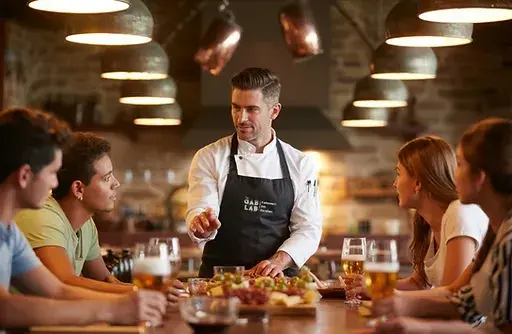
Reading a recipe only gets you so far. Watching a chef adjust heat, taste as they go, and correct a sauce in real time teaches you things a written recipe can’t.
If you want hands-on practice before or during your trip, a few options make sense depending on your group:
Book a paella class in Barcelona if paella is the one dish you want to master before you leave.
Try a premium paella masterclass for a smaller, more detailed session covering ingredient sourcing and rice technique.
Book a private group cooking class if you’re traveling with family or friends and want the session tailored to your group.
Organize a team building cooking workshop if you’re planning a corporate trip and want a shared activity that isn’t another dinner reservation.
You can browse the full range of experiences through Gastronomic Arts Barcelona, where local chefs teach several of the recipes covered in this guide.
How These 10 Essential Spanish Recipes Reflect Spain’s Regions
Spain’s food doesn’t come from one national playbook. Each recipe on this list ties back to a specific region and climate, which explains why the flavors shift so much as you travel.
Valencia gives you paella, built around rice fields and Mediterranean coastal ingredients
Andalusia gives you gazpacho and gambas al ajillo, shaped by intense heat and coastal seafood access
Madrid gives you patatas bravas, a bar-food classic born from the capital’s dense tapas culture
Catalonia gives you pa amb tomàquet, reflecting a food culture built around simple, high-quality ingredients
Asturias gives you fabada, a heavier dish suited to a cooler, wetter northern climate
Castilla-La Mancha gives you pisto, a farmhouse dish built around vegetables grown inland
Once you see the pattern, you’ll start predicting what a region’s food will taste like before you even open a menu. Coastal regions lean toward seafood and lighter dishes. Inland and northern regions lean toward heavier, slow-cooked meals. That single insight will guide you through nearly every regional menu you encounter.
Best Time of Year to Try Each Dish
Spanish cooking follows the seasons closely. Ordering a dish at the right time of year gets you a noticeably better version.
Recipe | Best Season | Why |
Gazpacho | Summer | Made with peak-season ripe tomatoes, served cold |
Fabada Asturiana | Winter | A heavy stew suited to cold northern weather |
Paella Valenciana | Spring through Autumn | Fresh vegetables and outdoor cooking season |
Pisto | Late Summer | Zucchini and peppers peak in late summer harvests |
Churros con Chocolate | Year-round | A breakfast and late-night staple in every season |
Pa amb Tomàquet | Summer | Best with ripe, in-season tomatoes |
If your trip lands outside the ideal season for a dish, don’t skip it. A skilled kitchen adjusts with quality ingredients year-round. But knowing the seasonal pattern helps you set expectations and choose where to prioritize your meals.
Kitchen Essentials You’ll Need Before You Start Cooking
A few pantry staples show up across nearly all 10 of these recipes. Stock these before you start practicing:
Good quality extra virgin olive oil
Smoked paprika, both sweet and hot
Saffron threads
Sherry vinegar
Short-grain rice for paella
Dried white beans for fabada
For a full breakdown of what to stock and why each item matters, this Spanish kitchen essentials guide covers the details ingredient by ingredient.
Ingredients You’ll Reuse Across Multiple Recipes
One of the easiest ways to make this list less overwhelming is to notice how much overlap exists between the 10 dishes. Learn a handful of core ingredients well, and you’re already halfway through several recipes at once.
Ingredient | Recipes That Use It |
Olive oil | All 10 recipes |
Garlic | Gambas al ajillo, pa amb tomàquet, pisto, patatas bravas |
Tomato | Gazpacho, patatas bravas, pa amb tomàquet, pisto |
Saffron | Paella Valenciana, fabada Asturiana |
Smoked paprika | Patatas bravas, fabada Asturiana |
Eggs | Tortilla española, croquetas |
Notice how often olive oil, garlic, and tomato show up. Stock those three well, and you’ll be ready to start cooking through most of this list without a special shopping trip for each recipe.
A One-Week Practice Plan for These 10 Essential Spanish Recipes
Trying to learn all 10 recipes in one weekend leads to burnout and a messy kitchen. Spread the practice out instead. Here’s a simple week-long plan you can follow before your trip.
Day | Recipe to Practice | Focus |
Monday | Tortilla Española | Slow-cooking technique and the flip |
Tuesday | Gambas al Ajillo | Fast, high-heat cooking with garlic and oil |
Wednesday | Gazpacho | Balancing acidity and chilling time |
Thursday | Patatas Bravas | Double-frying for texture |
Friday | Croquetas | Béchamel consistency and chilling |
Saturday | Paella Valenciana | Rice management and socarrat |
Sunday | Fabada Asturiana | Low, slow simmering over several hours |
Pisto, pa amb tomàquet, and churros con chocolate are simple enough to fit in on any day once you have a few of the core techniques down. By the end of the week, you’ll have hands-on experience with frying, slow-cooking, chilling, and fast sautéing, the four techniques that cover most of Spanish home cooking.
What to Drink With Each Dish
Pairing the right drink with each recipe rounds out the experience and mirrors how these dishes get served in Spain.
Tortilla Española pairs well with a light Spanish beer or a dry white wine like Albariño
Paella Valenciana pairs traditionally with a chilled Spanish rosé or a light red from the region
Gazpacho works best with sparkling water or a crisp, dry white, since a heavier drink competes with the acidity
Patatas Bravas and Croquetas are classic beer-and-tapas pairings, best with a cold caña
Fabada Asturiana calls for a fuller-bodied red, since the dish is rich enough to stand up to it
Churros con Chocolate pairs simply with coffee, especially a strong café con leche
None of these pairings are strict rules. Spanish dining culture leans casual, and locals mix and match based on the moment rather than a formal pairing chart. Use this list as a starting point, not a requirement.
What is the most important Spanish recipe to learn first?
Tortilla española is the best starting point. It teaches patience and technique without requiring hard-to-find ingredients.
Is paella hard to learn?
Paella is moderate in difficulty. The ingredients are simple, but timing and pan management take a few attempts to get right.
Can I learn these recipes without visiting Spain first?
Yes. Most of these dishes use ingredients available at well-stocked grocery stores. A cooking class before or during your trip speeds up the learning curve considerably.
Which recipe is best for a group activity?
Paella works well for groups since it’s traditionally cooked in one large pan and served family-style.
What’s the biggest mistake beginners make with Spanish cooking?
Rushing the slow steps. Tortilla, fabada, and pisto all depend on low, patient heat rather than high, fast cooking.
Do I need special equipment to cook these recipes?
A wide, shallow pan helps for paella, but the other nine recipes work fine with standard kitchen equipment most home cooks already own.
How long does it take to learn all 10 recipes?
Most home cooks can work through all 10 in a few weekends, practicing two or three dishes at a time before moving to the next.
Bring These 10 Essential Spanish Recipes With You
You don’t need a culinary degree to eat well in Spain. You need a working knowledge of what you’re ordering and why it matters.
These 10 essential Spanish recipes give you that foundation. Practice a few before your trip, and you’ll walk into every restaurant with a clearer sense of what a good version of a dish should taste like.
Start with the easy wins. Tortilla, gambas al ajillo, and pa amb tomàquet take under an hour combined and give you an immediate feel for how Spanish kitchens balance simplicity with technique. Once those feel natural, move on to paella and fabada, the two dishes that reward patience the most.
If you want to skip the trial and error, a paella cooking class experience in Barcelona puts several of these techniques directly in your hands, taught by chefs who cook this food every day.


Comments