
The Role of Saffron in Paella — Why It Matters

Saffron is the defining spice of authentic paella. This precious golden spice creates paella's signature golden color and delivers distinctive floral and earthy aromas that transform simple rice into a masterpiece.
Saffron connects paella to centuries of Spanish culinary tradition. Traditional chefs across Spain and beyond consider saffron the soul of paella. Without saffron, you lose the authentic character that makes this dish iconic.
Key Takeaways
Saffron is the signature spice of paella
It contributes aroma, flavor, and color to every bowl
Spanish saffron ranks among the world's most valuable spices
La Mancha saffron delivers exceptional quality
Authentic paella recipes always include saffron
Saffron works in harmony with rice, stock, and sofrito
A small amount produces significant flavor impact
Proper saffron preparation unlocks maximum results
High-quality saffron enhances authenticity and taste
Introduction
Paella stands as Spain's most iconic rice dish. It represents centuries of Mediterranean cooking tradition, cultural pride, and culinary innovation. Yet paella without saffron is simply not paella. Saffron transforms rice into something extraordinary. This golden spice creates the unmistakable appearance, aroma, and flavor that define authentic paella across Spain and beyond.
Saffron is inseparable from authentic paella. When you cook with saffron, you connect to Spanish gastronomy at its deepest level. You honor the tradition. You respect the craft. The relationship between saffron, rice, and stock creates a trinity of flavor that cannot be replicated with substitutes. Saffron became a symbol of Spanish cooking because it works. It delivers results. Chefs choose it deliberately, not accidentally.
Understanding saffron means understanding paella itself.
What Is Saffron?
Saffron is the world's most valuable culinary spice and the defining seasoning of authentic paella. It comes from the dried stigmas of Crocus sativus flowers. Each flower produces just three tiny stigmas. Each stigma must be harvested by hand. This reality explains why saffron costs more than gold by weight.
What Makes Saffron Special
Intense aroma that fills your kitchen
Golden color that transforms rice into something beautiful
Distinctive flavor that is floral yet earthy
High culinary value across Mediterranean cuisine
La Mancha saffron from Spain ranks among the highest quality in the world. Spanish saffron delivers consistency. It produces reliable results. Chefs trust it. Restaurants depend on it. Home cooks discover its magic when they use it properly.
Iranian saffron also delivers quality but lacks the cultural connection to paella tradition. Spanish saffron carries the history. It carries the authenticity. This matters when you cook.
Why Saffron Matters in Paella
Saffron defines the appearance, aroma, and identity of traditional paella. It is not optional. It is not a nice addition. Saffron is foundational. Understanding why reveals the chemistry of cooking and the science of flavor.
The Power of Color
Saffron delivers its golden color through a compound called crocin. This compound bonds with rice during cooking. Crocin is water-soluble, which means it transfers easily from saffron threads to your broth and then to every grain of rice. No other natural spice delivers this golden hue so reliably.
Flavor and Aroma
Two compounds drive saffron's flavor and aroma. Safranal creates the distinctive floral, slightly sweet aroma you notice when you open the container. Picrocrocin delivers a subtle bitter note that balances sweetness and adds complexity. Together, these compounds create something you cannot replicate. Your kitchen fills with aroma. Your palate discovers layers of flavor. This is the power of authentic saffron.
Cultural Significance
Paella without saffron feels incomplete to Spanish chefs. It violates tradition. It disappoints the palate. Saffron is not negotiable in authentic paella valenciana. This is why the finest restaurants in Valencia use premium Spanish saffron. This is why home cooks in Spain would never skip it. Tradition and taste converge in saffron.
The History of Saffron in Spanish Cuisine
Saffron has shaped Spanish cooking for centuries. It became central to paella's evolution. Understanding this history deepens your appreciation for every bowl you cook.
The Arab Influence
Arab traders brought saffron to Spain during the medieval period. They introduced Crocus sativus cultivation to the Iberian Peninsula. The region of La Mancha proved perfect for growing this spice. Climate, soil, and tradition combined to create Spain's saffron legacy. This heritage continues today.
Development in Valencia
Valencia became the birthplace of paella. Paella emerged from local ingredients and Mediterranean trade routes. Rice arrived via Arab traders. Fish and seafood came from the coast. Saffron joined these ingredients to create a unified dish. This combination became iconic. Today, paella represents Valencia more than any other city.
The UNESCO recognition of Paella Valenciana acknowledges this heritage. The Real Academia de Gastronomía honors these traditions. Spanish culinary authorities maintain strict definitions of authentic paella—and saffron remains non-negotiable in these definitions.
How Saffron Works with Rice in Paella
Saffron transforms ordinary rice into authentic paella. The interaction between saffron and rice creates something greater than the sum of its parts. This process depends on proper rice selection and technique.
Bomba and Calasparra Rice
Two rice varieties dominate authentic paella: Bomba and Calasparra. Both are short-grain, starchy rices that absorb liquid without becoming mushy. When you use saffron with these rices, something magical happens. The grains stay separate. Each grain absorbs saffron's color and flavor. You end up with golden rice where every grain tastes perfect, not a homogeneous mush.
For a deeper comparison of these options, read our guide to best rice for paella.
Long-grain rice will not work. It lacks the starch content that saffron needs to bond properly. Your paella will disappoint. Use short-grain varieties always.
How to Use Saffron Properly in Paella
Proper saffron preparation unlocks maximum flavor and aroma. Most home cooks make mistakes here. Understanding the correct method transforms your results.
Step-by-Step Guide
Measure between 1/4 and 1/2 teaspoon of saffron threads for a paella serving 4–6 people
Lightly toast the threads in a dry pan over medium heat for 30 seconds—do not burn them
Transfer the threads to a small bowl
Pour 1/4 cup of warm stock over the threads
Let the saffron steep for 5–10 minutes—this extracts color and flavor
Add the entire saffron mixture (threads and liquid) to your broth
Pour the saffron-infused broth over your rice and sofrito
Expert Tips
Avoid excessive heat when toasting—heat destroys volatile oils
Use genuine saffron threads, not powder—powder loses flavor faster
Add saffron before the rice—this ensures even distribution
Store saffron in an airtight container away from light
Professional chefs at restaurants like Quique Dacosta's establishments use this exact method. Ferran Adrià elevated paella into modern cuisine while maintaining respect for saffron's role. Danny Lledó, a Valencian chef, emphasizes that saffron preparation separates amateurs from professionals.
Saffron vs Turmeric: Can You Substitute Saffron?
Turmeric can mimic color but cannot replicate authentic saffron flavor. Many home cooks make this substitution to save money. This mistake always shows. Your paella will taste noticeably different. Guests will notice. You will regret the choice. Authenticity requires real saffron.
Feature | Saffron | Turmeric |
Flavor | Complex, floral, slightly bitter | Earthy, warm, mild |
Aroma | Distinctive, floral, instantly recognizable | Mild, earthy |
Authenticity | Traditional, essential | Budget substitute only |
Color Delivery | Golden, delicate | Yellow, artificial-looking |
Cost | Higher | Lower |
The choice is clear. Use saffron. Accept no substitutes when authenticity matters.
Common Saffron Mistakes That Ruin Paella
Most saffron mistakes reduce the depth and authenticity of paella. Learn these pitfalls and avoid them.
Using fake saffron. Counterfeit saffron is common in markets. It contains safflower or other imposters. These taste bitter and deliver false color. Buy from reputable suppliers like Antonio Sotos, Zaran Saffron, or Golden Saffron.
Adding too much saffron. More is not better. Excess saffron tastes bitter and unpleasant. Follow the 1/4 to 1/2 teaspoon guideline. Respect the ingredient.
Skipping infusion. Adding saffron directly to rice wastes its potential. Steeping in warm stock extracts maximum flavor and color. This step is non-negotiable.
Using saffron powder. Powder loses flavor faster than threads. Threads stay potent for years. Powder becomes stale in months.
Burning saffron threads. High heat destroys volatile oils. Toast gently for 30 seconds only. Burnt saffron tastes like char.
Professional chefs avoid these mistakes. You can too. Respect the ingredient. Follow proper technique.
What You Should Know About Saffron
Saffron ranks as the world's most expensive spice by weight
Spain produces thousands of tons of saffron annually
La Mancha carries official Denominación de Origen La Mancha designation
Each Crocus sativus flower produces just three stigmas
Culinary tourism in Spain continues to grow annually
Authentic paella experiences attract travelers worldwide
These facts matter because they underscore saffron's value. Quality costs more for good reason.
Expert Insights: Is Saffron Truly Essential?
Most culinary experts view saffron as a defining ingredient of authentic paella. This is not opinion. This is professional consensus. World-renowned chefs agree on this point.
José Andrés, the Spanish-American chef and humanitarian, uses saffron in his paella recipes. He respects tradition.
Ferran Adrià, the legendary chef of El Bulli, elevated Spanish cuisine while maintaining saffron's importance. Danny Lledó, a Valencian chef and paella expert, emphasizes that skipping saffron means abandoning authenticity.
The Real Academia de Gastronomía maintains that saffron is essential to paella valenciana. The Valencian Tourism Board promotes saffron as a defining ingredient. UNESCO recognition of paella includes saffron as a cultural component. These are not casual suggestions. These are authoritative statements.
Can you make paella without saffron? Technically yes. But you are making something else. You are making a rice dish. You are not making paella. This distinction matters to chefs. It matters to food historians. It should matter to you.
Cost considerations are legitimate. Saffron is expensive. Budget constraints are real. But skipping saffron altogether means lowering your standards. Instead, use quality saffron in the correct amount. You need less than you think. 1/4 teaspoon delivers remarkable results.
Learn more about paella by reading our article on what is paella. Explore the history of paella and its Mediterranean roots. Try our authentic seafood paella recipe.
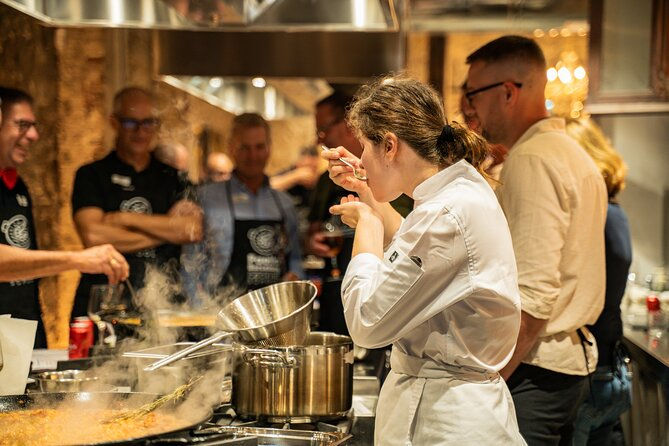
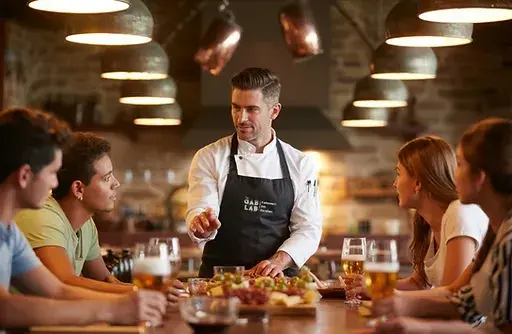
If you want to master paella, consider joining our paella cooking classes in Barcelona. Learn directly from experts. Experience the craft firsthand.
Frequently Asked Questions
Why is saffron used in paella?
Saffron creates paella's signature golden color and distinctive flavor. It provides floral and earthy aromas that define authentic paella. Spanish tradition, Mediterranean cuisine, and professional chefs all depend on saffron to deliver authenticity. Without it, you lose the essential character of this iconic dish.
What flavor does saffron add to paella?
Saffron delivers a complex flavor profile. It is floral yet earthy. It carries subtle sweetness balanced by a delicate bitterness. The aroma is distinctive—instantly recognizable to those familiar with Mediterranean cuisine. This flavor cannot be replicated with substitutes.
Is saffron necessary for authentic paella?
Yes. Authentic paella requires saffron. Professional chefs, culinary authorities, and Spanish tradition all agree on this point. Paella without saffron is a rice dish, not paella.
Can I make paella without saffron?
You can cook rice with broth and vegetables without saffron. This does not produce paella. Your dish will lack the color, aroma, and flavor that define authentic paella. If budget constraints exist, use less saffron rather than eliminating it entirely.
What is the best saffron for paella?
La Mancha saffron from Spain is ideal for paella. It carries the Denominación de Origen La Mancha designation, ensuring quality and authenticity. Buy from reputable suppliers. Brands like Antonio Sotos and Zaran Saffron deliver consistent quality.
How much saffron should I use?
Use 1/4 to 1/2 teaspoon of saffron threads for a paella serving 4–6 people. This amount delivers full flavor without bitterness. Using more is wasteful. Using less reduces authenticity.
Is La Mancha saffron the best choice?
La Mancha saffron ranks among the world's finest. Its designation guarantees quality standards. It delivers consistent color and flavor. For paella, it is the ideal choice. Spanish chefs choose it. Professional restaurants depend on it.
Why is saffron so expensive?
Each Crocus sativus flower produces just three tiny stigmas. These stigmas must be harvested by hand. Thousands of flowers produce only a small amount of saffron. This scarcity drives the price. The labor involved justifies the cost.
Can turmeric replace saffron?
Turmeric can mimic color but not flavor. Your paella will taste different. Guests will notice. Use saffron for authenticity. Turmeric is a poor substitute.
Does saffron affect paella color?
Saffron transforms rice from white to golden. This color is so distinctive that golden rice is instantly recognized as paella. The color comes from crocin, a water-soluble compound that bonds with rice during cooking.
When should saffron be added?
Add saffron before the rice. Steep saffron threads in warm stock for 5–10 minutes first. Then pour the saffron-infused broth over your rice and sofrito. This ensures even distribution and maximum flavor extraction.
What rice works best with saffron?
Bomba and Calasparra rice varieties work best. Both are short-grain, starchy rices that absorb liquid without becoming mushy. They bond well with saffron's color and flavor. Long-grain rice will not deliver authentic results.
Is saffron used in seafood paella?
Yes. Saffron is used in all authentic paella varieties, including seafood paella. It enhances seafood flavors. The aromatic compounds in saffron complement fish, shrimp, and mussels perfectly. Professional chefs always include saffron in seafood paella.
How do Spanish chefs use saffron?
Spanish chefs toast saffron threads lightly, then steep them in warm stock before adding to the paella. This method extracts maximum flavor and color. They use quality Spanish saffron. They respect traditional technique. They never skip saffron.
Where can I learn authentic paella cooking?
Gastronomic Arts Barcelona offers paella cooking classes in Barcelona. Learn from experienced instructors. Master the craft. Understand saffron's role firsthand. This Spanish cooking experience teaches authentic technique and Mediterranean flavors. Come learn paella in Barcelona and transform your cooking forever.
Conclusion
Saffron is not just an ingredient. It is the soul of paella. It is the connection between you and centuries of Spanish culinary tradition. It is the difference between rice and paella. This precious golden spice delivers color, aroma, and flavor that cannot be replicated. Quality matters. Technique matters. Respect for the ingredient matters.
When you cook paella with saffron, you honor tradition. You create something authentic. You produce a dish worthy of your table and your guests. Spanish chefs understand this. Professional restaurants depend on it. Food historians document it. Culinary authorities affirm it.
Use quality saffron. Follow proper technique. Respect the process. Your paella will transform. Your kitchen will fill with distinctive aroma. Your palate will discover authentic Mediterranean flavor. This is what saffron delivers. This is why it matters.
Ready to explore paella further? Learn more about the fundamentals with our what is paella article. Discover how to make seafood paella using our seafood paella recipe. Choose the best rice for paella with our comprehensive guide.
Join us for Spanish cooking experience at Gastronomic Arts Barcelona. In our paella cooking classes in Barcelona, you will learn paella in Barcelona directly from experienced chefs. Become fluent in authentic technique. Elevate your cooking.
Transform your kitchen.
Saffron awaits. Paella calls. Tradition endures.


Comments