
Paella Mistakes to Avoid: 10 Tips From Professional Chefs

Most paella failures stem from four critical errors: using the wrong rice variety, stirring the rice after adding liquid, miscalculating the rice-to-stock ratio, and overloading the pan with excessive ingredients.
Professional chefs avoid these pitfalls by selecting authentic Spanish short-grain rice, refusing to stir once the rice is added, maintaining precise liquid proportions, and embracing simplicity. Mastering these fundamentals delivers authentic texture, concentrated flavor, and the prized crispy socarrat that defines exceptional paella.
Key Takeaways
Principle | Why It Matters |
Use authentic Spanish rice | Bomba, Calasparra, or Senia rice absorbs stock without becoming mushy |
Never stir after adding rice | Stirring releases starch and prevents socarrat formation |
Maintain proper stock ratio | 3 parts liquid to 1 part rice produces perfect texture |
Use real saffron | Artificial coloring cannot replicate authentic flavor and aroma |
Control heat precisely | Even heat distribution prevents burning or undercooking |
Do not overload toppings | Excess ingredients dilute flavor and disrupt cooking balance |
Use a proper paella pan | The wide, shallow design ensures even evaporation |
Let socarrat develop naturally | The caramelized rice crust requires patience, not intervention |
Rest paella before serving | Resting allows flavors to stabilize and meld |
Embrace simplicity | Traditional paella relies on technique over excess ingredients |
Introduction
Paella deceives with its apparent simplicity. The iconic Spanish rice dish, born in the fertile fields surrounding Valencia and the Albufera Natural Park, appears straightforward: rice, stock, saffron, and a selection of proteins cooked together in a flat pan. Yet home cooks consistently struggle to replicate the results achieved by professional chefs across Spain's Mediterranean coast.
The gap between expectation and results comes down to technique. Professional chefs approach paella with respect for established principles that have evolved over centuries of Valencian cuisine. They understand that the dish demands precision in rice selection, heat management, and timing—elements that home cooks frequently overlook or misunderstand.
This guide presents ten paella mistakes identified by professional chefs and culinary experts. Each error represents a fundamental misunderstanding of Spanish cooking techniques that, when corrected, transforms a mediocre dish into an authentic paella worthy of any Spanish gastronomy celebration.
Why Paella Goes Wrong
Most paella problems stem from ignoring traditional Valencian cooking principles. The dish emerged as a practical solution for farmers and laborers who needed a hearty meal cooked over open flames using locally available ingredients. That heritage demands respect for specific techniques that modern cooking habits often violate.
Common Causes of Paella Failure
Wrong rice selection prevents proper flavor absorption and destroys texture. Long-grain varieties cannot absorb the volume of stock required, while risotto rice breaks down into a creamy consistency inappropriate for paella .
Poor heat distribution creates uneven cooking. Rice requires consistent, moderate heat to cook through before the liquid evaporates completely. Fluctuating temperatures produce burnt bottoms and undercooked tops.
Incorrect stock levels lead to either mushy rice or dry, undercooked grains. The precise liquid-to-rice ratio determines whether the final texture meets expectations.
Excessive ingredients dilute the concentrated flavors that make paella distinctive. Overloading the pan with meats, seafood, or vegetables disrupts the careful balance of flavors and starches.
Authentic paella demands balance. Each component must work in harmony, with rice serving as the foundation that absorbs and amplifies the flavors of the stock and accompaniments. When one element falls out of proportion, the entire dish suffers.
Mistake #1: Using the Wrong Rice
The wrong rice prevents authentic texture and proper flavor absorption. Paella requires short- or medium-grain Spanish rice varieties specifically cultivated for their ability to absorb liquid while maintaining structural integrity .
Why This Mistake Happens
Many home cooks substitute long-grain rice, arborio, or generic supermarket rice, believing that any rice works for paella. This assumption produces disappointing results.
Consequences of Wrong Rice Choice
Long-grain rice fails to absorb sufficient stock, leaving grains dry and separate. Arborio rice, designed for risotto, releases excessive starch and becomes creamy when cooked, destroying the dry, loose texture that defines authentic paella . The rice should deliver a toothsome bite, never mushy or clumpy.
Chef Recommendations
Valencian Chef Danny Lledo recommends Bomba rice as the best option for home cooks because it absorbs stock without breaking apart and offers forgiveness for minor timing errors . Bomba rice can absorb up to three times its volume in liquid while maintaining grain integrity.
Calasparra rice, another premium Spanish variety, offers similar absorption capabilities with a firmer texture. Some chefs prefer Senia rice for its superior flavor absorption, though it requires more precise cooking and burns more easily . For most home cooks, Bomba rice provides the safest path to authentic results.
Bomba rice for paella delivers the ideal balance of absorption and texture. Learn more about selecting the best rice for paella for your cooking needs.
Mistake #2: Stirring the Rice
Paella is not risotto and should not be stirred after the rice is added. This single principle separates successful paella from common failures .
Why Stirring Fails
When you stir rice, you release starch from the grains into the cooking liquid. This starch thickens the stock and creates a gelatinous texture. The result resembles risotto—creamy and cohesive—rather than the dry, separate grains that characterize authentic paella .
Impact on Texture
Stirring breaks the rice grains, causing them to stick together in clumps. The finished paella loses its signature dry texture, with grains that clump rather than separate. Chef Fran Rosat notes that people "cannot resist stirring," but this impulse ruins the dish .
Impact on Socarrat
Stirring prevents the formation of socarrat—the caramelized rice crust that represents one of paella's most prized elements. The crust forms when rice at the pan's bottom browns and crisps without stirring to disturb the process .
Understanding Socarrat
What is socarrat? The term comes from the Spanish word "socarrar," meaning "to scorch." This crispy rice layer develops through caramelization and the Maillard reaction, creating new flavors and aromas that enhance the entire dish . Socarrat represents the gold standard of paella craftsmanship .
The only exception to the no-stir rule occurs when initially distributing the rice across the pan. Spread the rice gently in a cross or X pattern to ensure even coverage, then leave it completely undisturbed for the remainder of cooking .
Master the art of what is socarrat and how to achieve the perfect crispy bottom every time.
Mistake #3: Using Too Much Liquid
Excess liquid creates mushy rice and prevents proper socarrat formation. The stock-to-rice ratio determines the final texture and must be precisely measured .
Correct Rice-to-Stock Ratios
Executive Chef Sergio Chamizo specifies that the liquid-to-rice ratio should not exceed 3 parts liquid to 1 part rice . This ratio ensures complete cooking without excess moisture at the end.
Signs of Excess Moisture
When too much stock remains after the rice cooks, the grains become waterlogged and soft. The rice loses its individual character, resembling a porridge rather than authentic paella. Visible liquid pooling on the surface indicates the ratio was incorrect.
Professional Solutions
Measure your stock precisely before adding it to the pan. If you prepare the stock separately (common for seafood paella), measuring becomes straightforward. For traditional Valencian paella where stock is made in the pan, experience guides the proper volume .
The cooking process follows a specific timeline: the rice boils for approximately 10 minutes to break the grain's heart and begin absorption. Then the heat reduces for another 7–10 minutes to finish cooking without excess liquid .
Mistake #4: Overloading Ingredients
Too many ingredients dilute flavor and disrupt cooking balance. The paella police at Wikipaella maintain strict standards for what belongs in authentic paella, and excessive additions disqualify the dish .
Common Ingredient Mistakes
Adding onions represents a major transgression in traditional paella. Cooked onions release moisture that softens the rice and ruins the desired al dente texture. The Spanish beer Estrella Damm learned this lesson when a commercial showing onions being prepared for paella sparked intense backlash from Valencians .
Other prohibited additions include mushrooms, carrots, and the highly controversial chorizo. Chef Fran Rosat explains that chorizo releases excessive fat that overwhelms the delicate flavors of seafood and saffron. Grated cheese "is another dish entirely" .
Traditional Ingredient Philosophy
Wikipaella recognizes only three types of authentic paella:
Valencian paella with chicken, rabbit, and snails
Seafood paella with shrimp, cuttlefish, mussels, or fish
Paella with rabbit and snails
Regional variations exist but must maintain the essential character of the dish .
Simplicity vs Excess
Mixing seafood and meat in the same paella creates what is known as "paella mixta," served widely to tourists but rejected by purists. Mallorca paella chef Ramón Cifuentes emphasizes that paella mixta is not authentic . Vegetarian versions are technically "rice dishes" rather than paella by traditional standards.
An authentic seafood paella recipe focuses on quality ingredients rather than quantity. Explore an authentic seafood paella recipe that follows traditional principles.
Mistake #5: Skipping Real Saffron
Authentic saffron defines the flavor and color of traditional paella. No substitute delivers the same complexity .
Why Saffron Matters
Saffron, often called "red gold," provides paella's signature earthy sweetness and golden hue. Chef José Pizarro states that saffron is absolutely mandatory for authentic paella . The spice contributes floral, slightly sweet notes that cannot be replicated artificially.
Fake Alternatives
Due to saffron's high cost—typically $10 per gram—counterfeit products flood the market. These imitations use artificial coloring like tartrazine, a synthetic yellow dye that produces unnaturally bright yellow rice lacking flavor complexity . The color serves as a visual warning: if the paella appears too bright yellow, artificial coloring was likely used.
Best Practices for Saffron
Real saffron threads possess a distinct floral, sweet aroma. When purchasing, examine the color and smell. Authentic saffron releases its color and flavor gradually when infused in warm liquid. Soak saffron threads in warm stock before adding to the paella to extract maximum flavor .
Mistake #6: Using the Wrong Pan
The paella pan directly affects rice depth, evaporation, and socarrat development. The dish derives its name from the pan itself—a paellera—making the equipment choice non-negotiable .
Traditional Paella Pan Design
A proper paella pan is wide, flat-bottomed, with slightly splayed sides. This design allows rice to spread in a thin, even layer (ideally 1 centimeter or less) for consistent cooking . The broad surface area ensures proper evaporation and even heat distribution.
Common Alternatives and Their Problems
Nonstick pans and cast iron make acceptable paella but fall short of ideal. Nonstick surfaces cannot achieve the high heat needed for socarrat formation. Cast iron responds too slowly to temperature changes, making heat management difficult .
Carbon steel or stainless steel pans offer better alternatives for home cooks without access to a traditional paella pan. These materials conduct heat effectively and can achieve the temperatures required for proper socarrat development .
Mistake #7: Poor Heat Management
Heat control determines whether paella cooks evenly or produces burnt bottoms and undercooked tops. Professional chefs approach heat management with specific techniques .
Understanding Heat Requirements
The traditional Valencian method cooks paella over an open wood fire, but home cooks can achieve excellent results on gas or charcoal grills. The key principle involves starting with high heat for boiling and reducing to low heat for finishing .
The Two-Stage Heat Approach
Chefs recommend cooking the paella in two distinct stages:
High heat for 8-10 minutes: Bring the mixture to a boil. This stage breaks the rice grain's heart and initiates stock absorption .
Low heat for 7-10 minutes: Reduce the fire to minimum. The rice absorbs remaining liquid and finishes cooking while the socarrat develops .
Recognizing Signs of Improper Heat
When the pan produces no liquid visible and you hear a gentle crackling sound, the socarrat is forming. This sound indicates the rice is now frying rather than boiling in stock. Wait approximately 60 seconds after hearing this sound before removing the pan from heat .
Home Stove Challenges
Home stoves often have burners smaller than the paella pan's diameter. For large pans, rotate the pan between burners or move it to distribute heat evenly . The goal remains consistent heat across the entire cooking surface.
Mistake #8: Moving the Pan Too Frequently
Constant movement disrupts rice cooking and crust formation. Once the rice is added and distributed, the pan should remain stationary .
Impact on Even Cooking
Moving the pan shifts the rice layer, disrupting the absorption process. Rice grains need to settle and cook in a stable environment. Frequent movement creates uneven cooking, with some portions receiving more heat than others.
Rice Settling Requirements
After distributing the rice across the pan, allow it to settle into position. The grains should form a single, undisturbed layer that absorbs stock consistently. Moving the pan breaks this settled layer and forces rice to re-position, interrupting the cooking process.
Socarrat Disruption
Socarrat development requires prolonged, undisturbed contact between the rice and the heated pan surface. Moving the pan breaks this contact and prevents the caramelization necessary for the crust to form.
Mistake #9: Ignoring Resting Time
Resting allows flavors and textures to stabilize before serving. The rice continues to absorb residual moisture during this period, improving the final texture .
Why Rest Matters
When paella comes off the heat, the rice remains active. Resting allows the grains to absorb any remaining moisture evenly, producing consistent texture throughout. The flavors meld during this period, creating a more harmonious dish.
Recommended Timing
Chef Danny Lledo recommends a resting time of approximately 5 minutes after removing the paella from heat. This brief pause allows the rice to settle and the flavors to integrate .
Chef Recommendations
Professional chefs emphasize that the resting period is not optional. Skipping this step leads to inconsistent texture and diminished flavor integration. A proper rest transforms good paella into excellent paella.
Mistake #10: Chasing Complexity Instead of Authenticity
The best paellas rely on technique rather than excessive ingredients. Professional chefs consistently emphasize simplicity over complexity .
Traditional Valencian Approach
Valencian paella originated as a practical dish using locally available ingredients. The combination of rabbit, chicken, and snails represents a specific culinary tradition rather than a maximum ingredient count. The focus remains on technique and quality, not quantity.
Modern Misconceptions
Tourist-oriented restaurants often create overly complex versions with numerous ingredients to justify higher prices. These versions confuse diners about what constitutes authentic paella. Chef Fran Rosat notes that "you cannot hide behind a sauce"—paella reveals everything about the cook's skill .
Expert Perspectives
Chefs José Andrés, Ferran Adrià, and Quique Dacosta consistently advocate for technique-first approaches to paella. Their expertise reinforces that rice selection, heat management, and ingredient quality matter far more than ingredient quantity .
Comparison Table: Good Technique vs Common Mistakes
Category | Correct Technique | Common Mistake | Result |
Rice | Bomba or Calasparra rice | Long-grain or arborio rice | Poor texture, mushiness |
Stirring | No stirring after rice added | Constant stirring | No socarrat, risotto texture |
Liquid | 3:1 liquid-to-rice ratio | Excess or insufficient stock | Mushy or undercooked rice |
Saffron | Real saffron threads | Artificial coloring | Weak flavor, unnatural color |
Heat | High then low, controlled | Uneven, uncontrolled | Burnt or undercooked |
Ingredients | Simple, traditional selections | Overloaded with extras | Diluted flavor |
Pan | Proper paella pan (carbon steel) | Nonstick or cast iron | Poor socarrat, heat issues |
Resting | 5 minutes rest before serving | Immediate serving | Inconsistent texture |
Statistics and Culinary Trends
Spanish culinary tourism continues to grow as travelers seek authentic gastronomic experiences. TURESPAÑA reports increasing demand for hands-on cooking experiences that teach traditional Spanish techniques. World Paella Day, celebrated annually, highlights the cultural significance of this iconic dish.
Cooking classes focused on paella represent one of the fastest-growing segments of Spanish culinary tourism. Visitors to Barcelona and Valencia increasingly prioritize learning authentic techniques over passive restaurant dining. The Valencian Tourism Board actively promotes paella as a cultural heritage experience, supporting the UNESCO recognition of Mediterranean cuisine .
The Real Academia de Gastronomía continues to document and preserve traditional paella techniques, ensuring that this cultural treasure maintains its authenticity.
Expert Insights From Professional Chefs
Professional chefs consistently emphasize technique over complexity when discussing paella preparation.
José Andrés
The acclaimed Spanish chef advocates for using homemade stock or even water instead of store-bought alternatives, noting that traditional Valencian paella uses water because the meat and bones create stock during cooking. He emphasizes that the pan must withstand high heat and recommends investing in a proper paella pan .
Ferran Adrià
The legendary chef of elBulli fame emphasizes precision in rice selection and cooking time. His approach treats paella as a technical exercise requiring disciplined execution rather than creative interpretation.
Quique Dacosta
The Michelin-starred chef from Dénia champions the importance of sofrito quality and stock depth, insisting that the rice reveals everything about the cook's skill. He emphasizes that "the rice shows everything" .
José Garces
The Iron Chef champion advocates for understanding the cultural context of paella, emphasizing that Valencian cuisine offers specific frameworks that produce authentic results.
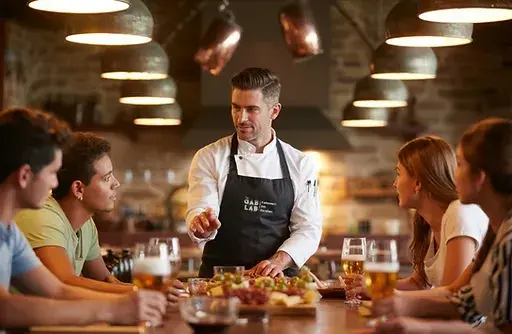
Learn Authentic Paella Techniques in Barcelona
The fastest way to avoid paella mistakes is learning directly from experienced instructors. Barcelona offers numerous opportunities to master authentic techniques through guided cooking experiences.
Hands-on learning addresses the specific challenges home cooks face, including rice selection, stock preparation, and heat management. Direct instruction demonstrates the subtle cues that distinguish success from failure—the sound of socarrat forming, the visual indicators of proper evaporation, and the timing that produces perfect texture.
Paella cooking classes in Barcelona provide the practical experience needed to transform paella technique from theoretical knowledge to practical skill. Learn authentic Spanish paella preparation from experienced instructors who guide you through each critical step.
FAQ: Common Paella Questions
What is the most common paella mistake?
Using the wrong rice and stirring after adding stock top the list. Short-grain Spanish rice varieties like Bomba absorb liquid without breaking apart. Stirring releases starch and prevents the formation of socarrat, the crispy rice crust .
Why shouldn't you stir paella?
Stirring releases starch from the rice grains into the cooking liquid, creating a gelatinous texture that resembles risotto. Authentic paella requires dry, separate grains. Stirring also prevents the caramelized rice crust, or socarrat, from forming .
What rice is best for paella?
Bomba rice is the most recommended choice for home cooks due to its high absorption capacity and forgiveness. Calasparra rice offers excellent results, while Senia rice delivers superior flavor absorption but requires more precise technique .
How much stock should paella use?
The correct ratio is 3 parts liquid to 1 part rice. This proportion ensures complete cooking without excess moisture. Too much stock creates mushy rice while insufficient stock leaves grains undercooked .
Why is my paella mushy?
Mushiness results from using the wrong rice, too much stock, or stirring. Long-grain rice cannot absorb sufficient liquid. Arborio rice releases too much starch. Excessive stock leaves grains waterlogged. Stirring releases starch that creates a creamy texture .
How do I create socarrat?
Achieving socarrat requires proper heat management and avoiding stirring. Cook the paella on high heat for 8-10 minutes to allow boiling, then reduce to low for 7-10 minutes. Listen for a gentle crackling sound when the liquid evaporates, indicating the rice is frying and caramelizing. Wait approximately 60 seconds before removing from heat .
Can I make paella without saffron?
Paella without saffron lacks the authentic flavor and color of traditional preparations. Saffron contributes an earthy sweetness and golden hue that substitutes cannot replicate. Artificial coloring produces yellow rice without the distinctive flavor .
What pan is best for paella?
A traditional paellera is a wide, flat-bottomed pan with slightly splayed sides. Carbon steel or stainless steel works well. Nonstick pans cannot achieve the high heat needed for socarrat, while cast iron responds too slowly to temperature changes .
Why does my paella burn?
Burning occurs from excessive heat, especially during the final stage of cooking. Rice burns quickly when the pan runs dry. The key is to achieve socarrat without crossing into charred rice. If the bottom is black rather than golden brown, the heat was too high .
How long should paella rest?
Paella should rest for approximately 5 minutes after removing from heat. This brief pause allows the rice to absorb residual moisture evenly and flavors to meld. Skipping rest time yields inconsistent texture .
Can seafood paella develop socarrat?
Yes. Socarrat formation depends on heat management and rice technique, not the specific protein used. Seafood paella develops the same caramelized rice crust as traditional Valencian paella .
Do professional chefs use Bomba rice?
Many professional chefs use Bomba rice, though some restaurants prefer Senia for its superior flavor absorption. Chef Danny Lledo notes his restaurant uses Senia but recommends Bomba for home cooks because it is more forgiving .
Is paella difficult to cook?
Paella requires technique but rewards disciplined execution. The difficulty lies in heat management and timing, not complex steps. Most failures stem from common mistakes that are easily avoided with proper technique .
How do Spanish chefs make paella?
Spanish chefs emphasize high-quality ingredients, precise heat management, and zero stirring. They make their own stock from fresh ingredients, use authentic Spanish rice, and allow socarrat to develop through careful heat control. They know paella is a lunchtime dish, rarely served for dinner .
Where can I learn authentic paella techniques?
Paella cooking classes in Barcelona offer hands-on instruction in traditional techniques. Professional chefs guide participants through rice selection, stock preparation, heat management, and socarrat development in an authentic Spanish cooking environment.
Conclusion
Avoiding common paella mistakes transforms this challenging dish into a rewarding culinary achievement. The ten errors outlined in this guide—from wrong rice selection to excessive ingredient addition—represent the most frequent obstacles home cooks face when attempting authentic Spanish paella.
Professional chefs consistently emphasize that technique outweighs complexity. The discipline to select proper rice, maintain precise liquid ratios, refuse stirring, and manage heat effectively produces results that exceed any shortcut or substitute. Quality ingredients matter, but technique determines whether those ingredients fulfill their potential.
The journey to mastering paella begins with understanding these principles and applying them with confidence. Each successful paella builds skill and intuition, developing the ability to recognize the visual and auditory cues that signal proper cooking.
Explore what is paella and its rich cultural heritage. Discover the best rice for paella for your kitchen. Learn what is socarrat and how to achieve the perfect crispy bottom. Master an authentic seafood paella recipe that embodies traditional principles. Join paella cooking classes in Barcelona to gain hands-on experience with expert guidance.


Comments