
What is Catalan Cuisine? A Complete Guide to Catalonia's Food Identity

You have heard of Spanish food. You know about paella and tapas. But you might not know about Catalan cuisine. This is a distinct culinary tradition.
The problem is that many travelers lump all Spanish food together. They miss the unique flavors of Catalonia. They do not understand the regional differences.
This guide answers what is Catalan cuisine. You will learn about its history and key ingredients. You will discover the dishes that define it. You will understand why it is special.
What is Catalan Cuisine? A Definition
Catalan cuisine is the traditional food of Catalonia. This is a region in northeastern Spain. It includes Barcelona, Girona, and Tarragona. The cuisine has a long history. It has been shaped by geography and culture.
The food is Mediterranean. It uses fresh, local ingredients. It features olive oil, garlic, and tomatoes. It includes seafood from the coast. It includes meats and vegetables from the interior. It is a diverse and flavorful cuisine.
Key Characteristics
Fresh, local ingredients
Mediterranean influences
Balance of land and sea
Simple but flavorful techniques
Rich sauces and stews
Emphasis on olive oil, garlic, and tomatoes
The History of Catalan Cuisine
The history of Catalan cuisine is long. It has been influenced by many cultures.
Roman Foundations
The Romans introduced olive oil and wine. They cultivated the land. They established the basics of Mediterranean agriculture. These foods remain central to Catalan cooking.
Moorish Influences
The Moors ruled parts of Spain. They introduced new ingredients. They brought rice, almonds, and citrus fruits. They introduced spices like saffron. These ingredients are now essential.
The Age of Exploration
Catalan merchants traveled widely. They brought back new foods. They introduced tomatoes, peppers, and potatoes. These became staples. They are now hard to imagine without them.
Modern Catalan Cuisine
The 20th century saw a revival. Chefs like Ferran Adrià gained fame. They experimented with new techniques. They elevated Catalan cuisine. They put it on the global map.
Key Ingredients of Catalan Cuisine
Catalan cuisine relies on specific ingredients. These are the building blocks of the dishes.
Olive Oil
Olive oil is the foundation. It is used for cooking and dressing. Catalonia produces high-quality oil. It is often used raw. It adds flavor and richness.
Garlic and Tomatoes
Garlic is used in many dishes. It adds a pungent flavor. Tomatoes are essential. They are used in sauces and stews. They add acidity and sweetness.
Rice
Rice is a key ingredient. It is used in paella and other dishes. The rice absorbs flavors. It becomes the heart of the meal.
Seafood
Catalonia has a long coastline. Seafood is abundant. You find prawns, squid, and fish. They are used in stews, grilled, or fried.
Meats
Meats are also important. Pork is common. Sausages like butifarra are popular. Game meats are also used.
Vegetables
Vegetables are used in many ways. Escalivada is a roasted vegetable dish. It features eggplant and peppers. Artichokes are also popular.
Nuts and Dried Fruits
Almonds and hazelnuts are used. They are used in sauces. Pine nuts are also common. These add texture and flavor.
Essential Catalan Dishes
These are the dishes that define Catalan cuisine. You must try them.
Pa amb Tomàquet (Bread with Tomato)
This is a simple dish. It is a symbol of Catalonia. You rub bread with a ripe tomato. You drizzle with olive oil. You sprinkle with salt. That is it.
The bread should be crusty. The tomato should be ripe. The oil should be good quality. It is eaten as an appetizer. It also accompanies meals.
Escalivada (Roasted Vegetables)
This is a dish of roasted vegetables. You roast eggplant, peppers, and onions. You peel and slice them. You dress them with olive oil. You can add anchovies.
It is eaten warm or cold. It is often served with bread. It is a simple, healthy dish.
Botifarra (Catalan Sausage)
Botifarra is a fresh pork sausage. It is seasoned with salt and pepper. It is grilled or fried. It is often served with white beans.
There are many variations. Some include blood (botifarra negra). Some are flavored with herbs. It is a staple of Catalan cuisine.
Suquet de Peix (Fish Stew)
This is a traditional fisherman's stew. It is made with fish and potatoes. It is cooked in a rich broth. The broth is made with almonds and garlic. It is a hearty, satisfying dish.
Escudella (Catalan Stew)
This is a hearty winter stew. It contains meat, vegetables, and pasta. It is often served in two courses. First the broth. Then the meat and vegetables.
It is a traditional dish. It is eaten on special occasions. It is a symbol of Catalan home cooking.
Crema Catalana (Catalan Crème Brûlée)
This is a classic dessert. It is a creamy custard. It is topped with burnt sugar. It is flavored with lemon and cinnamon. It is similar to crème brûlée.
Cava (Sparkling Wine)
Cava is a sparkling wine. It is produced in Catalonia. It is made using the traditional method. It is a festive drink. It is often served as an aperitif. It pairs well with many dishes.
Catalan Cuisine vs Spanish Cuisine
Catalan cuisine is distinct from other Spanish cuisines. Here are some differences.
The Role of Rice and Paella
Paella originated in Valencia. It is popular throughout Spain. But Catalonia has its own rice dishes. "Arròs a la catalana" is one example. It uses local ingredients.
The Use of Romesco Sauce
Romesco sauce is a Catalan specialty. It is made with almonds, garlic, and peppers. It is often served with grilled vegetables or fish. It is not common in other regions.
The Importance of Calçots
Calçots are a type of spring onion. They are a Catalan specialty. They are grilled and eaten in winter. They are part of a festive meal. They are not found elsewhere.
The Influence of the Sea and Mountains
Catalan cuisine balances the sea and the mountains. You have seafood from the coast. You have meat from the interior. This creates a diverse cuisine.
Regional Variations within Catalonia
Catalonia is not uniform. There are regional variations.
Barcelona
The cuisine in Barcelona is cosmopolitan. You find traditional dishes. You also find modern interpretations. The city has many seafood restaurants. It also has many tapas bars.
Girona
Girona is known for its meat dishes. It is also known for its sweets. The region has many small farms. They produce excellent quality products.
Tarragona
Tarragona is a coastal region. Seafood is central to its cuisine. It also produces excellent olive oil. You find many simple, fresh dishes.
Lleida
Lleida is in the interior. The cuisine is heartier. You find more meat dishes. You find stews and roasted foods. It is a less known but authentic cuisine.
The Social Aspect of Catalan Food
Food is social in Catalonia. It is a time to connect.
The Meal Structure
Lunch is the main meal. It is often eaten with family. It includes multiple courses. Dinner is later. It is a lighter meal.
Tapas Culture
Tapas are popular in Catalonia. They are small plates. They are meant to share. They are eaten in bars. They encourage conversation. You can learn about the top 10 classic tapas dishes every foodie should know.
Festivals and Celebrations
Food is central to festivals. Calçotada is a celebration of calçots. It is held in winter. You eat grilled calçots. You drink wine. It is a fun, social event.
Sharing Meals
Meals are meant to be shared. You pass dishes around. You eat from common plates. This creates a sense of community.
Where to Try Catalan Cuisine in Barcelona
Barcelona has many restaurants. You can find authentic Catalan food.
Traditional Restaurants
Look for restaurants that focus on local dishes. They are often in the Gothic Quarter. They serve escudella and suquet. They offer a traditional experience.
Markets
You can also try food at markets. La Boqueria is the most famous. You can find tapas bars there. You can taste fresh ingredients. You can read about what to buy at La Boqueria: best stalls & foodie finds.
Cooking Classes
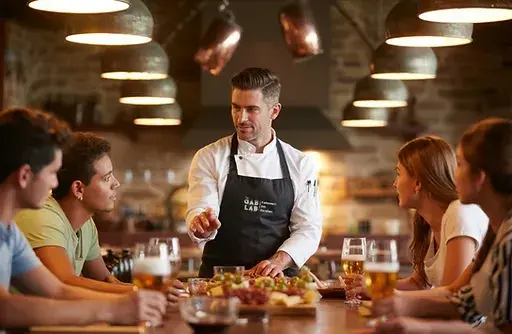
You can learn to cook Catalan food. You can take a paella cooking class. You can also book the Ultimate Paella Cooking Class Experience. This is a hands-on experience. You learn from expert chefs.
Private Group Experiences
You can also book a private group cooking class. This is ideal for families and groups. It is a great team building workshop. You cook together. You share a meal.
Private Classes
You can learn in a private setting. The private cooking class Barcelona is an option. This offers personalized attention.
Pairing Catalan Food with Drinks
Catalonia has excellent beverages. They pair perfectly with the food.
Cava
Cava is the perfect aperitif. It is also good with seafood. It cleanses the palate. It adds a festive touch.
Wines
Catalonia produces many wines. Priorat is a famous red wine region. Penedès is known for whites and cava. These wines are excellent with meat and cheese.
Vermouth
Vermouth is popular as an aperitif. It is served over ice. It is often accompanied by olives. It is a social drink.
Sangria
Sangria is also popular. It is a refreshing drink. It is perfect with tapas. You can learn about the differences between red, white, and rosé sangria. You can also learn about what is sangria.
Frequently Asked Questions
What is the most famous Catalan dish?
Pa amb tomàquet is the most iconic. It is a simple, everyday dish. It is a symbol of Catalonia.
Is paella Catalan?
Paella originated in Valencia. It is popular in Catalonia. But Catalonia has its own rice dishes.
What is the difference between Spanish and Catalan food?
Catalan food is part of Spanish cuisine. But it has its own identity. It uses more seafood. It has unique sauces like romesco.
What is a typical Catalan meal?
A typical meal includes bread and tomato. It includes a main dish of meat or fish. It includes a dessert like crema catalana.
What do Catalans eat for breakfast?
Breakfast is often a light meal. It might include coffee and bread. It might include a pastry.
Is Catalan cuisine healthy?
Yes, it is a Mediterranean cuisine. It uses olive oil. It includes vegetables and fish. It is considered a healthy diet.
Where can I learn to cook Catalan food?
You can take a cooking class. Gastronomic Arts Barcelona offers excellent classes. They focus on authentic techniques.
What is a calçotada?
A calçotada is a winter festival. You eat grilled calçots. It is a social, festive meal. It is unique to Catalonia.
What is romesco sauce?
Romesco is a sauce from Catalonia. It is made with almonds, garlic, and peppers. It is served with fish and vegetables.
Is Catalan food spicy?
Generally, no. Catalan food is flavorful. But it is not typically spicy. It uses herbs and garlic.
Resource Links :
Your Culinary Adventure Awaits
You now understand what is Catalan cuisine. You know its history and key ingredients. You know the dishes to try. You know how to experience it in Barcelona. This is a unique culinary tradition. It is a key part of the region's identity.


Comments