
How Can Tour Operators Create Food-Focused Barcelona Itineraries Around Cooking Workshops?

Introduction
Barcelona has the ingredients for a strong food-focused itinerary, but a cooking workshop works best when it connects with the rest of the trip. A class on its own can feel like another activity on a crowded schedule. The better approach is to build a food story around it, linking markets, neighbourhoods, local dishes, free time and cultural visits. This guide explains how tour operators can create Barcelona itineraries around cooking workshops, choose the right workshop format, manage timing and dietary needs, and turn one culinary activity into a useful part of a complete travel package.
Why Cooking Workshops Work for Barcelona Food Itineraries
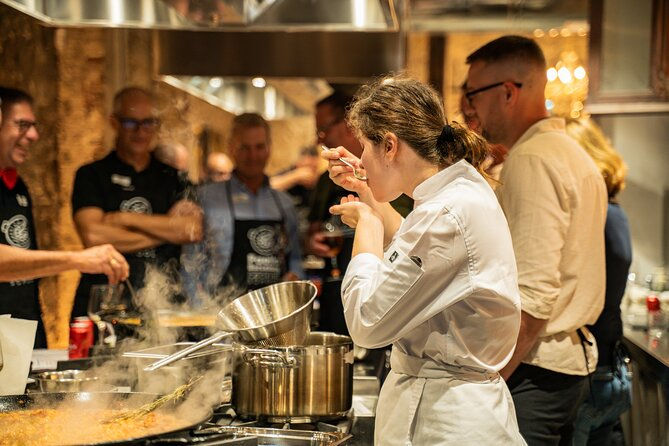
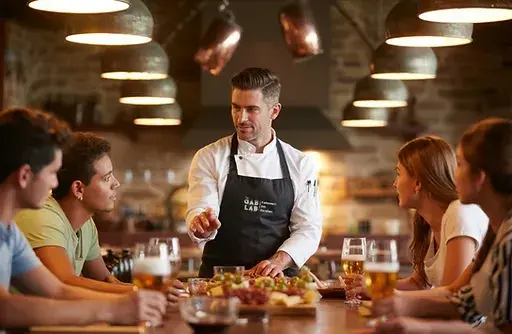
A cooking workshop gives travellers something they cannot get from a restaurant reservation alone. They do not only taste a dish. They learn how it is prepared, work with ingredients, ask questions and take part in the meal.
That makes cooking a strong anchor for a Barcelona culinary itinerary. It can sit between sightseeing blocks, work as a midday activity, or become the main experience in a food-focused day.
Turisme de Barcelona presents cooking workshops as part of the city’s wider food and wine offer. Its travel-trade information highlights market shopping, cooking, tapas routes, wine experiences and other activities that connect visitors with local food culture.
For tour operators, the opportunity is practical: use the workshop as the central activity, then build supporting experiences around it.
How Can Tour Operators Create Food-Focused Barcelona Itineraries Around Cooking Workshops?
Start with the traveller’s reason for booking. A couple on a first Barcelona trip needs a different schedule from a corporate incentive group, a family, a luxury private group or a repeat visitor.
Ask three questions before building the itinerary:
What food experience does the traveller want to remember?
How much time can the traveller give to a hands-on activity?
What other Barcelona experiences should sit before and after the workshop?
Once those answers are clear, choose the workshop first. Then build the day around it rather than adding a class as an afterthought.
Build the Itinerary Around One Culinary Anchor
A strong itinerary usually has one clear culinary anchor. For many visitors, that can be a paella cooking class. Other options can focus on tapas, Catalan dishes, market ingredients, desserts, wine pairings or a chef-led meal.
The anchor should have a clear role in the day. For example:
Morning anchor: market visit followed by a cooking workshop and lunch.
Midday anchor: sightseeing before the class, then cooking and a shared meal.
Evening anchor: neighbourhood walk, cooking experience and dinner.
Private-group anchor: a chef-led session followed by a tailored Barcelona evening.
Barcelona Tourism also describes cooking workshops as a way for visitors to learn local dishes and take those skills home. Its examples include paella, market-based cooking and chef-led workshops.
Match the Workshop to the Traveller
Do not sell the same workshop in the same way to every audience. The itinerary should answer the needs of the group.
Traveller | Workshop focus | Supporting activity | Best schedule |
First-time visitors | Paella or Catalan cooking | Gothic Quarter or market visit | Late morning to afternoon |
Couples | Private chef-led class | Wine, tapas or evening walk | Afternoon to evening |
Families | Interactive cooking | Market or family-friendly attraction | Late morning |
Corporate groups | Team cooking | Private dining or group activity | Midday or evening |
Luxury travellers | Private culinary experience | Hotel transfer, wine or premium dining | Flexible |
Food-focused travellers | Market-to-table workshop | Market exploration and food stops | Morning to afternoon |
Use Barcelona’s Markets as the Starting Point
A market visit can give the cooking workshop more context. Instead of taking guests directly to a kitchen, introduce the ingredients first.
A simple sequence can look like this:
Meet the guide or host.
Walk through a local market.
Discuss seasonal produce and common Catalan ingredients.
Continue to the cooking venue.
Prepare the dishes with the chef.
Eat the finished meal together.
Return guests to the next itinerary stop.
This structure gives the traveller a clear beginning, middle and end. It also makes the cooking class feel connected to Barcelona rather than separated from the destination.
Turisme de Barcelona highlights the city’s markets and local produce as part of its food tourism offer. It also describes experiences that combine market shopping with cooking.
Create a Barcelona Food Itinerary by Neighbourhood
Neighbourhood planning can reduce unnecessary transfers. A tour operator should avoid sending guests across the city between every activity.
Build each day around a geographic cluster where possible.
Ciutat Vella: combine a central cooking workshop with the Gothic Quarter, La Rambla or market time.
El Born: combine food activities with cultural visits, independent shops and evening dining.
Eixample: pair culinary activities with Modernisme architecture and restaurant reservations.
Barceloneta: combine food with waterfront time, seafood themes and the port.
The exact route should depend on the workshop location, group size and confirmed timings. The goal is simple: less transfer time and more time for the experience.
Create a One-Day Food-Focused Barcelona Itinerary
A one-day itinerary should not become a list of restaurants. Give the traveller a reason for each stop.
Time | Activity | Purpose | Planning point |
09:00 | Breakfast at hotel | Start without rushing | Keep breakfast light if lunch is part of the class |
10:00 | Market or neighbourhood walk | Introduce local food culture | Allow walking time |
11:30 | Cooking workshop | Main culinary experience | Confirm arrival and dietary needs |
13:30 | Cooked lunch | Complete the experience | Allow enough meal time |
15:00 | Cultural visit | Balance food with sightseeing | Choose a nearby attraction |
17:30 | Free time | Rest or explore | Avoid overbooking |
19:30 | Tapas or wine option | Extend the food theme | Optional for travellers who want more food |
Use Cooking Workshops to Fill the Middle of the Day
The middle of the day can be difficult to structure because travellers often want lunch but do not want a standard restaurant stop. A cooking workshop solves both needs when the experience includes a meal.
The traveller learns, cooks and eats within one booking. That can simplify the itinerary for the operator.
The key is to protect the time around the workshop. Do not place a timed attraction immediately before it unless the transfer has enough margin.
How to Build Different Food-Focused Barcelona Itineraries
Barcelona Food Itinerary for Couples
For couples, focus on shared participation rather than packing in many stops. A private cooking experience can become the centre of the day.
Morning: relaxed breakfast and independent sightseeing.
Late morning: market or neighbourhood exploration.
Afternoon: private cooking workshop.
Late afternoon: shared meal and wine option.
Evening: sunset walk or private dinner reservation.
For partner planning, see how partners can arrange private cooking sessions instead of shared classes.
Barcelona Food Itinerary for Families
Families need shorter walking blocks, clear meal times and activities where children can participate. A cooking experience can work well when the format is interactive and the venue can support the group’s needs.
Choose a workshop with practical tasks.
Keep the market walk short.
Avoid placing a long museum visit immediately before cooking.
Confirm child participation rules before selling the experience.
For family planning, review Barcelona cooking experiences suitable for guests and the guide to children’s cooking experiences.
Barcelona Food Itinerary for Corporate and Incentive Groups
Corporate groups need a different operating model. The experience must handle group size, timing, private space and clear communication.
Use private sessions when group control matters.
Confirm the maximum capacity before publishing the package.
Build transport around a fixed workshop start time.
Offer a group meal after cooking rather than splitting the group across restaurants.
Ask about dietary requirements before the final guest list.
For DMC planning, see DMC Barcelona itineraries and cooking experiences.
You can also review how DMCs can use hands-on cooking experiences in incentive programmes.
Barcelona Food Itinerary for Luxury Travellers
Luxury travellers often value privacy, flexibility and service coordination. A private chef-led workshop can sit inside a wider premium itinerary.
Private transfers.
A dedicated host or guide.
Private cooking session.
Wine or cava pairing where appropriate.
Flexible post-workshop plans.
Hotel concierge coordination.
For luxury positioning, see chef-led Barcelona experiences for luxury travel advisors.
Plan Dietary Requirements Before the Itinerary Is Sold
Dietary needs should not be treated as a last-minute request. They affect the workshop menu, ingredient planning and guest communication.
Ask for this information during booking:
Vegetarian requirements.
Vegan requirements.
Gluten-free requirements.
Food allergies.
Ingredient restrictions.
Religious or personal dietary requirements.
For partner bookings, review how GAB LAB accommodates dietary requirements.
Partners can also review vegetarian and special-diet cooking experiences.
The operator should pass confirmed requirements to the cooking provider before the activity date. That gives the host time to assess the menu and prepare the experience.
Build Packages That Are Easy to Sell
A food-focused itinerary should be simple for a sales team to explain. Avoid a package description that lists ten unrelated activities.
Use a clear structure:
Package name
Trip length
Main food experience
Included activities
Meal arrangement
Private or shared format
Dietary support
Transfer requirements
Booking deadline
Cancellation terms
A package such as “Barcelona Market-to-Table Day” is easier to understand than a generic “Barcelona Highlights and Food Tour.” The name tells the traveller what makes the day different.
Use a Cooking Workshop as the Package Differentiator
A traveller can book a city tour from many suppliers. A hands-on food experience gives the operator a clearer product story.
Ask yourself: what does the traveller actually do?
Walk through a market.
Select or learn about ingredients.
Cook with a chef.
Eat the food they helped prepare.
Learn something they can repeat at home.
This sequence creates useful content for sales pages, brochures and partner presentations.
Support Partner Sales With the Right Materials
Travel agencies, hotels and DMCs need more than a booking link. They need information they can use with their customers.
Provide partners with clear sales materials for promoting GAB LAB experiences.
You can also review how partners can access promotional materials for GAB LAB experiences.
Short product descriptions.
High-quality photos.
Experience highlights.
Duration and meeting information.
Guest suitability.
Dietary information.
Private-group details.
Booking and availability information.
For visual assets, see whether GAB LAB can provide photos and videos for partner marketing.
Use Real-Time Availability to Reduce Booking Friction
A food itinerary becomes difficult to sell when the operator cannot confirm the main activity. Real-time availability can help partners build packages around actual slots.
See GAB LAB real-time availability when planning date-specific packages.
For larger groups, confirm capacity before publishing a fixed itinerary. A package that promises a cooking session but cannot secure the required space creates unnecessary sales work.
Plan for Private and Large Groups
Large groups need a different planning process from couples or small families. Start with capacity, preferred dates and the level of privacy required.
For larger bookings, see GAB LAB quotes for large private groups.
For lead time, review how far in advance partners should book private cooking.
For recurring or high-volume programmes, review high-volume partner support.
Use Hotel Partnerships to Add Cooking Experiences to Guest Stays
Hotels can become a useful distribution channel for food-focused experiences. Guests often ask concierge teams what they can do during a free afternoon or evening.
For hotel partnerships, see hotel referrals for GAB LAB.
Hotels can also book GAB LAB experiences for hotel guests.
A partner-dedicated landing page can also give a sales team one place for product information.
Use White-Label and Bundled Products
Some travel companies want to sell the experience under their own holiday package rather than as a separate activity. This can make the cooking workshop part of a larger Barcelona itinerary.
Review Barcelona cooking white-label packages for this type of partnership.
Travel companies can also bundle cooking classes into Barcelona packages.
The package should still make the cooking experience visible. Do not hide the strongest product feature inside a long itinerary description.
Create a 3-Day Barcelona Food Itinerary
A three-day itinerary gives tour operators more room to spread food experiences across the trip.
Day | Main theme | Cooking role | Supporting activities |
Day 1 | Barcelona introduction | Light food stop | Gothic Quarter, central sights, tapas |
Day 2 | Hands-on food day | Main cooking workshop | Market visit, cooking, lunch, free time |
Day 3 | Catalan food and culture | Optional second culinary activity | Wine, architecture, neighbourhood exploration |
Create a 5-Day Barcelona Food Itinerary
For longer stays, avoid turning every meal into a scheduled event. Leave space for independent discovery.
Day 1: Barcelona orientation and neighbourhood food walk.
Day 2: Market visit and cooking workshop.
Day 3: Architecture, free time and optional tapas.
Day 4: Wine or cava experience outside the city, where suitable.
Day 5: Flexible morning and final food experience.
Barcelona’s official tourism resources also promote food and wine experiences beyond the city, including vineyards and wine regions within reach of Barcelona.
Connect Cooking With Catalan Food Culture
The cooking workshop should explain what guests are preparing and why it matters. A simple dish becomes more meaningful when the guide or chef gives context.
Explain seasonal ingredients.
Introduce common Catalan cooking methods.
Discuss how markets fit into daily food culture.
Explain the role of shared meals.
Connect dishes to the wider Mediterranean food tradition.
Turisme de Barcelona describes Catalan cuisine as closely linked with seasonal, local produce and the Mediterranean diet.
That context helps tour operators sell a workshop as a cultural experience rather than only a meal.
Build Around Paella Without Making the Whole Itinerary About Paella
Paella is a strong search and sales topic, but a Barcelona itinerary can become repetitive if every activity repeats the same food theme.
Use paella as the anchor, then change the surrounding experiences.
Paella workshop + Gothic Quarter.
Paella workshop + Boqueria or another market visit.
Paella workshop + architecture tour.
Paella workshop + evening flamenco.
Paella workshop + private wine experience.
This approach gives the traveller a recognisable food experience while keeping the wider itinerary varied.
Add Flexibility Without Losing Structure
Good itineraries have fixed points and flexible points.
Fixed points should include:
Cooking workshop start time.
Meeting point.
Private transfers where booked.
Timed attractions.
Restaurant reservations.
Flexible points can include:
Free exploration.
Shopping.
Coffee stops.
Optional tapas.
Hotel rest time.
This balance matters because cooking workshops usually have a fixed operating window. The rest of the itinerary should adapt around that window.
Use Language Options in International Packages
International tour operators may serve guests who do not speak English. Language information should appear in the product sheet before booking.
Review what languages are available for GAB LAB partner bookings before publishing a package.
Use Seasonal Promotions to Refresh the Product
A food itinerary can change with the season. This gives repeat customers and travel partners a reason to promote the product again.
For campaign planning, see GAB LAB seasonal promotions.
Spring: fresh produce and market themes.
Summer: lighter dishes and evening experiences.
Autumn: seasonal ingredients and wine themes.
Winter: indoor cooking and private group experiences.
Keep the core itinerary stable while changing the supporting story, content and promotional angle.
Create Partner-Friendly Booking Workflows
Tour operators should be able to move from enquiry to confirmed booking without repeated emails for basic information.
For online partner booking options, see bookings through an online partner portal.
For reporting, review booking reports for partners and GAB LAB booking reports for partners.
A clear workflow can include:
Select the experience.
Check availability.
Confirm guest count.
Submit dietary requirements.
Confirm language and privacy needs.
Confirm payment and cancellation terms.
Receive booking confirmation.
Add the experience to the final itinerary.
How to Measure Whether the Itinerary Works
A food-focused itinerary should be measured like a product, not only as content.
Metric | What to measure | Why it matters |
Workshop conversion rate | Enquiries that become bookings | Shows product-market fit |
Average booking value | Revenue per booking | Shows package value |
Add-on rate | Guests buying related activities | Shows cross-selling potential |
Cancellation rate | Cancelled bookings | Shows booking quality and fit |
Partner repeat bookings | Partners returning | Shows B2B product value |
Guest feedback | Comments about food and experience | Shows what to improve |
A Simple Planning Framework for Tour Operators
Use this framework each time you create a food-focused Barcelona package.
Define the traveller.
Choose one cooking workshop as the anchor.
Confirm capacity, date and time.
Map nearby activities.
Add a market, cultural or neighbourhood element.
Plan the meal around the workshop.
Collect dietary and accessibility information.
Decide whether the product is shared or private.
Prepare sales copy and partner materials.
Track bookings, feedback and repeat demand.
The question is not only “Where can we fit a cooking class?” A better question is “How can the cooking workshop give this Barcelona itinerary a clear food story?”
Partner Content and Promotion Opportunities
Tour operators can extend the life of the itinerary through content. A single cooking workshop can support landing pages, itinerary pages, partner emails and social content.
For brand collaboration, see whether partners can use GAB LAB branding in marketing campaigns.
For broader collaboration, review how partners can expand collaboration with GAB LAB.
For destination wedding packages, see cooking classes for destination weddings.
For influencer campaigns, see GAB LAB influencer experiences.
Example Package: Barcelona Market-to-Table Cooking Day
Here is a practical product structure a tour operator could adapt:
09:30: Hotel pickup or central meeting point.
10:00: Guided market or neighbourhood food walk.
11:30: Cooking workshop.
13:30: Shared lunch featuring the dishes prepared during the class.
15:00: Short cultural visit nearby.
16:30: Free time.
18:30: Optional tapas or wine add-on.
20:30: Return to hotel or continue independently.
The package works because every part supports the main theme. The market introduces ingredients. The workshop turns ingredients into food. Lunch completes the activity. The cultural stop gives the traveller a change of pace.
Resources for Tour Operators
Official Barcelona tourism travel-trade information: Food and wine in Barcelona
Official Barcelona tourism guide: Experience Barcelona’s gastronomy first hand
Official Barcelona tourism guide: Tasting Catalan gastronomy
Frequently Asked Questions
How can tour operators create food-focused Barcelona itineraries around cooking workshops?
Choose the cooking workshop as the main activity, then connect it with a market visit, neighbourhood exploration, cultural attraction or food-related add-on. Keep transfers short and protect the workshop time.
What should a Barcelona cooking itinerary include?
A strong package can include a cooking workshop, market or food introduction, meal, cultural activity, free time and optional food or wine add-ons.
Are cooking workshops suitable for private groups?
Yes, when the provider offers a private format and the group size fits the available space. Confirm capacity before selling the package.
How should tour operators handle dietary requirements?
Collect dietary information during booking and pass confirmed requirements to the cooking provider before the experience.
Can cooking workshops work for families?
They can when the activity supports children and the itinerary gives families enough time between walking, cooking and other attractions.
How can hotels sell Barcelona cooking experiences?
Hotels can recommend cooking workshops through concierge teams, guest packages and partner booking arrangements.
Can cooking workshops be included in white-label packages?
Yes, when the provider supports the required partner model. Confirm branding, booking, sales materials and operating terms before publication.
Internal Resources
External References



Comments