
Traditional Food in Barcelona: Must-Try Catalan Dishes
Updated: Jun 9

Introduction
Barcelona's food scene tells the story of Catalonia. Walk through the streets and you'll find more than restaurants—you'll find cultural landmarks on plates. Traditional food in Barcelona reflects centuries of Mediterranean influence, local agriculture, and Catalan pride. From seafood paella served in the beachfront neighborhoods of La Barceloneta to pa amb tomàquet offered in family-run taverns, each dish carries meaning. This guide reveals what food is typical in Barcelona and where to experience authentic Catalan cuisine.
What Is Traditional Food in Barcelona?
Traditional food in Barcelona represents the culinary identity of Catalonia. These dishes developed from the region's geography, available ingredients, and cultural heritage. Barcelona sits on the Mediterranean coast, so seafood remains central to local cuisine. The surrounding agricultural areas provide fresh vegetables, grains, and fruits. Traditional Catalan food emphasizes simplicity and quality ingredients over complex techniques. Dishes are often passed down through families and restaurants for generations. What makes Barcelona's traditional food unique is the balance between sea and land, humble ingredients and bold flavors.
Traditional Food in Barcelona: Authentic Catalan Cuisine You Must Try
Barcelona stands as Spain's culinary gateway. The city's traditional food tells stories of fishermen, farmers, and generations of cooks who understood that great food starts with respect for ingredients. Traditional Barcelona food differs from Spanish cuisine in other regions. Catalan cuisine emphasizes seafood, local vegetables, and cooking methods refined over centuries.
This guide covers the traditional food in Barcelona that defines the city's gastronomic identity. You'll learn about iconic dishes, where to find them, how they're prepared, and why locals consider them essential. Whether you're planning a food tour, visiting for the first time, or seeking cooking classes in Barcelona to master these dishes yourself, understanding traditional Catalan food enriches your visit.
The History and Origins of Traditional Catalan Food
Catalan cuisine emerged from necessity and geography. Barcelona's location on the Mediterranean meant fish arrived daily at local markets. Inland farmers grew what thrived in Spanish soil—tomatoes, eggplants, peppers, and onions. When these ingredients combined with olive oil, garlic, and local herbs, traditional Barcelona food took shape.
Medieval Barcelona developed a distinctive food culture. Trade routes brought spices and techniques from across the Mediterranean and beyond. Catalan merchants traveled to Italy, France, and North Africa, returning with knowledge that influenced local cooking. By the 15th century, Barcelona's food identity was already recognizable in documents that described popular dishes.
The modern form of traditional Catalan food solidified during the Industrial Revolution. Working-class communities needed affordable, filling meals. Dishes like patatas bravas, tortilla, and escalivada became staples because they stretched limited budgets while delivering satisfaction. Seafood remained the wealth of Barcelona's coastal population. Working fishermen and their families ate what they caught—squid, cod, cuttlefish, and anchovies.
Throughout the 20th century, Barcelona's traditional food faced challenges. Modernization and tourism threatened to overshadow authentic cuisine with commercialized versions. Local chefs and families fought to preserve traditional methods. Today, this effort has succeeded. You'll find Barcelona's traditional food respected in both Michelin-starred restaurants and neighborhood bars.
Origins of Key Dishes
Paella: While paella originated in Valencia, Barcelona made seafood paella its own. The dish traveled from rice-farming regions to coastal cities, where fishermen substituted their daily catch for the rabbit and beans used inland. Seafood paella became iconic to Barcelona's food identity by the 18th century.
Pa amb tomàquet: This appears simple—bread rubbed with tomato and drizzled with olive oil. The dish emerged from Catalan farmland where workers needed quick sustenance in fields. A piece of bread, a ripe tomato from the garden, and local olive oil created a complete meal. Pa amb tomàquet remains deeply embedded in traditional Barcelona food culture.
Patatas bravas: Potatoes arrived in Spain from the Americas in the 16th century. Barcelona's traditional food adapted them slowly. By the 19th century, fried potatoes with spicy sauce became popular tapas. The name "bravas" means "wild" or "fierce," referring to the brava sauce's kick.
Essential Traditional Dishes in Barcelona
Paella: Barcelona's Most Famous Dish
Paella represents Barcelona's relationship with the sea. When most people think of traditional food in Barcelona, they picture paella. The dish requires technique, quality ingredients, and understanding of heat management.
Authentic seafood paella in Barcelona includes short-grain rice, saffron, stock made from seafood, and fresh catches. You'll find shrimp, mussels, squid, and sometimes cuttlefish in quality versions. The rice shouldn't be mushy—each grain stays separate while absorbing the flavorful liquid. The bottom develops a crispy layer called "socarrat," which adds textural contrast.
Paella demands respect. Cooks in Barcelona take paella seriously. The wide, shallow pan distributes heat evenly. The cook watches constantly, adjusting temperature as the rice cooks. Professional chefs train for years to master paella. You can learn this skill through cooking classes in Barcelona, where expert instructors guide you through proper technique.
The best paella in Barcelona comes from restaurants near the water or family establishments that have cooked it for decades. The dish typically serves 2-4 people. Expect to pay between €25-45 per person at respected restaurants. At street food stalls, prices drop to €8-15 for smaller portions.
Pa amb Tomàquet: Bread with Tomato
Pa amb tomàquet might be the most Catalan of all traditional Barcelona food. This dish requires only four ingredients: bread, tomato, olive oil, and salt. The simplicity is deceptive. Execution determines whether it tastes like cardboard or heaven.
The bread must be good quality with a crispy crust and soft interior. Day-old bread works better than fresh. Cut it horizontally. Take a ripe, room-temperature tomato—never cold from refrigeration. Rub the cut bread with the tomato's flesh, letting the juice and seeds soak in. Drizzle generously with olive oil. Add salt. Eat immediately.
Pa amb tomàquet appears on menus across Barcelona, from casual tapas bars to upscale restaurants. Some establishments charge €2-4 for it. Others include it with drinks. Many Barcelonans eat this for breakfast, lunch, or as a snack. It's comfort food in its purest form. The dish embodies traditional Barcelona food philosophy: quality ingredients, no pretense, maximum satisfaction.
Patatas Bravas: Crispy Potatoes with Sauce
Patatas bravas dominate Barcelona's tapas scene. These fried potatoes arrive at bars and restaurants as golden, irregular chunks piled on small plates. The magic happens in the sauces.
The brava sauce is spicy and complex. It combines paprika, mayo, and sometimes chili pepper or hot sauce. Some restaurants add garlic or herbs. The exact recipe varies, making each version unique. Alongside, you'll find aioli—a creamy emulsion of garlic, egg yolk, and olive oil. The contrast between spicy bravas sauce and cool, garlicky aioli defines the dish.
Order patatas bravas as a tapa with beer or wine. A small plate costs €3-6 in most Barcelona restaurants. The dish is shareable and intended for casual eating. Street food vendors sell them for €2-4, perfect for walking while exploring Barcelona's neighborhoods.
Patatas bravas reflect traditional Barcelona food in its most approachable form. They require no complicated preparation. The flavors are straightforward. The eating experience is unpretentious and social.
Escalivada: Roasted Vegetables
Escalivada represents Barcelona's vegetable traditions. The dish features roasted eggplant, red peppers, and onions. Some versions include zucchini or tomatoes. The vegetables are grilled or roasted until soft and slightly charred, then dressed with olive oil, salt, and sometimes sherry vinegar.
Escalivada appears on menus as a side dish, starter, or component of larger meals. The dish is entirely vegetarian, making it popular with plant-based diners. It captures Mediterranean simplicity while delivering serious flavor through the vegetables' natural sweetness and the charring process.
The name comes from the Catalan word "escalivada," meaning roasted over coals. Traditional preparation involved cooking vegetables directly over fire. Modern restaurants use ovens or grills, achieving similar results. The dish works hot, warm, or at room temperature, making it flexible for various dining situations.
Cod Dishes: Esqueixada and More
Dried salted cod holds enormous importance in Barcelona's traditional food. The ingredient appears in multiple iconic dishes. Esqueixada features shredded salt cod mixed with tomato, peppers, onion, and olive oil. The dish is served cold as a salad or tapa. The salt cod's intense, briny flavor balances the fresh vegetables perfectly.
Bacalao a la Llauna (cod baked in a tin) represents another traditional preparation. The cod comes with tomato sauce, peppers, and sometimes potatoes. The name refers to the metal tin traditionally used for cooking and serving.
Dried salted cod became central to Barcelona's food because it preserved well before refrigeration. Fishermen salted and dried their excess catch. The product lasted months, feeding families and workers year-round. Today, salt cod remains expensive and prized, showing its continued importance in Catalan culture and cuisine.
Fideuà: Barcelona's Pasta Paella
Fideuà substitutes short noodles for rice in a paella-style preparation. The dish originated in Barcelona and remains closely associated with the city. Thin noodles cook in seafood stock, absorbing all the flavors. Seafood tops the finished dish just like in paella. Many locals consider fideuà even better than paella because the noodles develop more texture variation.
Fideuà requires the same skill as paella. The cook must manage heat to develop a crispy bottom layer while keeping the noodles tender. The dish typically costs the same as paella—€25-45 per person—because it demands equal expertise.
Jamón: Cured Ham Traditions
Jamón ibérico represents Spain's most prestigious ham. Barcelona's traditional food includes quality jamón served as a tapa, in bocadillos (sandwiches), or as part of charcuterie boards. The ham melts on your tongue with complex, salty, umami-rich flavor. Jamón ibérico comes from black Iberian pigs raised on acorns. This diet creates the ham's distinctive nutty undertones.
A plate of jamón slices costs €8-20 depending on quality. Some restaurants offer jamón serrano, a less expensive but still excellent cured ham. Both deserve respect. The best way to eat jamón is slowly, noticing the flavor's complexity.
Calcots: Spring Onions
Calcots are larger, sweeter onions than regular scallions. They're particular to Catalonia and appear in traditional Barcelona food during late winter and early spring. The season runs roughly November through April. Calcots are grilled over open flame until the outer layers char and soften. The charred exterior protects the sweet onion inside.
To eat calcots, pull the soft interior from the charred skin, dip in romesco sauce (a Spanish sauce made from peppers, tomatoes, garlic, hazelnuts, and almond), and eat. It's a social activity. Calcot festivals draw thousands to Catalan towns. A plate of grilled calcots with romesco costs €6-12 in Barcelona restaurants.
Crema Catalana: The Dessert
Crema catalana is Barcelona's version of crème brûlée. The Catalan custard uses milk, egg yolks, and cornstarch. Many recipes add cinnamon and citrus zest. The mixture is chilled, then topped with sugar that's caramelized with a hot iron or blowtorch. Cracking through the caramelized sugar to the creamy custard below is essential to the experience.
The origins of crema catalana are debated. Some food historians claim Catalan origin predates the French version. Others suggest the dishes developed independently. What matters is that crema catalana represents Barcelona's traditional food identity and deserves equal respect to crème brûlée.
Order crema catalana for dessert at most Barcelona restaurants. Expect to pay €5-8. Many cooking classes in Barcelona include crema catalana lessons, making it possible to master the dish at home.
Where to Experience Traditional Food in Barcelona
La Boqueria Market: Barcelona's Food Heart
La Boqueria market sits on Las Ramblas boulevard in central Barcelona. The market has operated for over 400 years, making it a cornerstone of Barcelona's food culture. Walking through La Boqueria immerses you in the ingredients of traditional Barcelona food. You'll see seafood vendors calling out their fresh catches—squid, cuttlefish, shrimp, mussels, and anchovies. Produce stalls overflow with tomatoes, peppers, eggplants, and onions. Meat vendors display jamón, chorizo, and botifarra.
Many stalls offer prepared food. You can eat croquettes, seafood, and traditional dishes while standing at counters. La Boqueria market is both tourist destination and working market where locals shop. Prices range from €2-8 for most ready-to-eat items. The experience teaches you about ingredients that define traditional Barcelona food.
Neighborhood Bars and Taverns
Some of Barcelona's best traditional food happens in small neighborhood bars. These establishments have existed for decades, often run by families. The menus rarely change. The cook knows exactly how to prepare patatas bravas, pa amb tomàquet, and local fish specials.
Look for bars in neighborhoods like Gràcia, Sant Antoni, or Gothic Quarter. Order beer or wine. Ask for tapas recommendations. Let the bartender guide you. Prices in neighborhood bars run €1-4 per tapa, making meals affordable. You'll eat alongside locals, not tourists. The experience connects you to how Barcelona actually eats traditional food.
Beachfront Restaurants in La Barceloneta
La Barceloneta, the beach neighborhood, concentrates seafood restaurants. This is where paella and fideuà originated in their modern forms. The best paella in Barcelona often comes from waterfront restaurants with views of the Mediterranean.
Beachfront restaurants in La Barceloneta range from casual to upscale. Casual paella restaurants charge €15-25 per person. Nicer establishments run €30-50 per person. Many offer menus in multiple languages, catering to tourists. Ask locals which restaurants maintain quality and authenticity. Word-of-mouth separates authentic paella establishments from tourist traps.
Cooking Classes in Barcelona
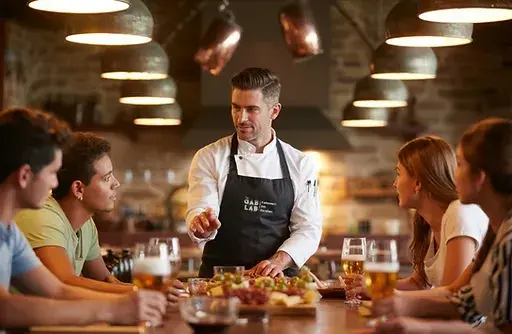
Learning to cook traditional Barcelona food offers deeper understanding than just eating. Cooking classes in Barcelona teach techniques, ingredient selection, and the philosophy behind dishes. You'll visit markets, learn from professional chefs, and prepare dishes from scratch.
Gastronomic Arts Barcelona offers paella classes and other cooking experiences. You'll learn how to select seafood at markets, prepare ingredients, and master cooking technique. Classes typically run 3-4 hours and include lunch or ingredients to take home. Prices range €60-150 per person depending on the class.
Other organizations offer tapas classes, dessert workshops, and market tours. These experiences enhance appreciation for traditional Barcelona food and provide skills to recreate dishes at home.
How Traditional Barcelona Food Is Prepared
Cooking Methods
Traditional Barcelona food relies on several core cooking techniques:
Grilling: Many dishes involve grilled vegetables or seafood. Open-flame grilling adds char and depth. Calcots, botifarra (Catalan sausage), and whole fish are grilled regularly.
Roasting: Escalivada and other vegetable dishes are roasted in ovens or over coals until soft and slightly charred. Roasting brings out natural sweetness.
Frying: Patatas bravas and croquettes are deep-fried until golden and crispy. The frying creates texture contrast with creamy interiors.
Simmering: Soups, stews, and seafood preparations often simmer slowly, allowing flavors to blend and intensify.
Sautéing: Dishes are often started by sautéing onions, garlic, and tomatoes in olive oil. This builds flavor foundations.
Essential Ingredients
Understanding ingredients is crucial to traditional Barcelona food:
Ingredient | Role | Notes |
Olive Oil | Foundation | Used for cooking, drizzling, and dips |
Garlic | Flavor | Raw in aioli, cooked in sauces |
Tomato | Sauce base | Fresh or preserved in traditional dishes |
Seafood | Protein | Paella, fideuà, esqueixada feature fish/shellfish |
Rice | Paella base | Short-grain varieties absorb stock |
Peppers | Vegetables | Red peppers common in romesco and escalivada |
Eggplant | Vegetables | Grilled in escalivada |
Potatoes | Carbs | Fried for patatas bravas |
Saffron | Spice | Expensive but essential for authentic paella |
Salt | Seasoning | Quality sea salt preferred |
Paprika | Spice | Smoked paprika adds depth |
Bread | Staple | Used for pa amb tomàquet |
Cultural Significance of Traditional Food in Barcelona
Food as Identity
Traditional Barcelona food expresses Catalan identity. Food choices represent cultural pride and regional distinction. When locals eat pa amb tomàquet or order paella, they're affirming their Catalan heritage. The food connects them to history, family traditions, and place.
Barcelona's traditional food survived attempts to suppress Catalan culture. During periods when Catalan language and traditions faced pressure, food remained a private, personal way to express identity. Families maintained recipes and cooking methods across generations. Today, traditional Barcelona food represents cultural continuity and resilience.
Social Eating
Traditional Barcelona food encourages social interaction. Paella and other dishes are shared. Tapas are meant for group eating, conversation, and lingering. Meals aren't rushed transactions but social events. Going out to eat traditional food in Barcelona is about connection—to other people, to place, to history.
Bar culture in Barcelona centers on casual, social eating. People gather for drinks and small plates. They stand or sit, talking, watching. This eating pattern shapes how traditional food is experienced. You don't sit alone at a table. You participate in community.
Seasonal Awareness
Traditional Barcelona food respects seasons. Calcots appear in winter. Fresh seafood varies by season. Tomatoes taste best in summer. This seasonality connects eating to agriculture and nature. It prevents food from becoming monotonous. Returning to Barcelona at different times of year brings different traditional food experiences.
Comparison of Traditional Barcelona Dishes
Dish | Main Ingredients | Preparation | Price | Occasion |
Paella | Rice, seafood, saffron, stock | Cooked in wide pan over heat | €25-45/person | Special meals, celebrations |
Fideuà | Noodles, seafood, stock | Cooked like paella | €25-45/person | Special meals |
Patatas Bravas | Potatoes, sauce, aioli | Deep-fried, served with toppings | €3-6/plate | Casual tapas |
Pa amb Tomàquet | Bread, tomato, olive oil, salt | Rubbed and assembled | €2-4/plate | Breakfast, snacks |
Escalivada | Peppers, eggplant, onions | Grilled or roasted | €5-10/dish | Side, starter |
Crema Catalana | Milk, eggs, sugar, spices | Baked custard, caramelized top | €5-8/serving | Dessert |
Calcots | Spring onions | Grilled over flame | €6-12/plate | Winter/spring meals |
Esqueixada | Salt cod, tomato, peppers | Shredded, mixed, served cold | €4-8/plate | Tapa, cold starter |
Jamón Ibérico | Cured ham | Sliced thin | €8-20/plate | Tapa, starter, snack |
Tips for Eating Traditional Food in Barcelona Like a Local
Visit During Meal Hours
Barcelonans eat on a different schedule than many travelers. Lunch runs 1-3pm. Dinner starts at 8pm or later. Restaurants may be quiet between 3-6pm. Bars with tapas stay busy most of the day. Plan meals accordingly. If you're hungry at noon, head to a cafe for a light breakfast. Save your main meal for afternoon lunch or evening dinner.
Order What's Fresh Today
Ask your server what's fresh. What's the daily special? What seafood arrived this morning? Traditional Barcelona food celebrates seasonal, fresh ingredients. Chefs highlight what's best right now. Follow their recommendations over menu selections. This approach ensures you eat quality traditional food at its peak.
Learn Key Phrases
Speaking some Catalan or Spanish helps. Ask for "la especialidad de la casa" (the house specialty). Request "lo típico" (what's typical). Say "recomendado" (I want your recommendation). Servers respond positively to genuine interest in traditional food. They'll guide you toward authentic dishes.
Eat Standing at Bars
Standing at neighborhood bars while eating tapas is legitimate dining in Barcelona. You're not waiting for a table. You're experiencing how locals eat. The pace is casual. You can order one tapa, eat it, have a drink, decide if you want another. There's no pressure to order entire meals or leave after eating. This format makes trying many different traditional dishes affordable and relaxed.
Pair Food with Local Drinks
Vermouth is Barcelona's pre-dinner drink. It's served over ice with olives or anchovies. Local beers pair perfectly with tapas. Spanish wines—especially from nearby regions—complement seafood. Don't drink wine the way you might in France or Italy. Barcelonans drink wine with meals, but beer and vermouth dominate casual eating. Ask what locals recommend.
Common Mistakes to Avoid
Eating Only at Tourist Restaurants
Tourist restaurants on Las Ramblas and near major attractions rarely serve authentic traditional Barcelona food. They serve simplified, often mediocre versions designed for quick service and maximum profit. Venture into neighborhoods. Find where locals eat. The best traditional food in Barcelona happens away from heavy tourist zones.
Ordering at Midday
Many restaurants don't open for lunch until 1pm. If you arrive hungry at noon, you'll struggle. Cafes serve light breakfast items. Small bars might offer bocadillos. Plan to eat light breakfast, snack through morning, then enjoy full lunch in afternoon.
Expecting Paella Instantly
Good paella takes 30-45 minutes to prepare. If a restaurant serves paella in 10 minutes, something's wrong. The rice needs time to absorb stock and develop proper texture. Respect the cooking time. Order paella when you have time to linger.
Skipping Neighborhood Exploration
The best traditional Barcelona food experience involves wandering neighborhoods, discovering small bars, and eating like locals. If you stay in tourist areas and eat at established restaurants, you'll miss what makes Barcelona's food special. Get lost. Turn down random streets. Pop into small bars. This exploration reveals authentic traditional food experiences.
Ordering Too Much
Tapas are small. Sharing several dishes lets you try more variety. Ordering entire meals at restaurants means missing other traditional dishes. Eat multiple small plates instead of one large main. This approach maximizes flavor variety and stays more affordable.
🟨 Pro Tips for Traditional Food Lovers
Visit La Boqueria market early morning (8-10am) before tourist crowds arrive. Produce is freshest, vendors are in better moods, and the market feels more authentic.
Ask restaurant staff if they cook with products from La Boqueria. Many pride themselves on using the market's best ingredients daily.
Learn the difference between jamón serrano and jamón ibérico before ordering. Jamón ibérico is more expensive but worth the premium for its superior flavor.
Take a cooking class in Barcelona to learn knife skills and techniques used in traditional food preparation. This knowledge makes future meals more meaningful.
Eat crema catalana at a restaurant rather than making it at home initially. Watching how professionals caramelize the sugar teaches technique you'll use later.
🟨 Local Insights
Barcelona's traditional food culture survived centuries of change. Wars, economic shifts, and tourism transformed the city, but food remained. Families passed recipes to children. Restaurants maintained standards. Today, this commitment to traditional Barcelona food distinguishes the city.
Locals debate food authenticity passionately. Which restaurant makes the best paella? Where are the true patatas bravas? These conversations matter because food represents cultural identity. When visitors eat traditional food with respect and genuine interest, Barcelonans recognize and appreciate it.
The best traditional Barcelona food experiences happen outside guidebooks. They're discovered through conversation with locals, through wandering, through returning to the same small bar repeatedly and building relationships with staff. The food itself is constant. How you experience it changes everything.
🟨 Must-Know Facts About Traditional Barcelona Food
Catalan cuisine is recognized as distinct from Spanish cuisine. Barcelona's food has unique regional characteristics.
The Mediterranean diet—abundant in olive oil, fresh vegetables, seafood, and whole grains—forms the foundation of traditional Barcelona food.
UNESCO recognizes Mediterranean diet practices as intangible cultural heritage.
Saffron is the most expensive ingredient in traditional paella. One pound costs hundreds of dollars.
Pa amb tomàquet is so central to Catalan identity that it appears in schools, workplaces, and homes throughout Barcelona.
Barcelona's food culture influenced Spanish cuisine broadly. Many Spanish dishes now associated with the entire country actually originated in Barcelona or Catalonia.
Best Times to Visit Barcelona for Food Lovers
Spring (March-May)
Spring brings calcots, fresh vegetables, and comfortable temperatures for food exploring. Prices rise as tourist season begins, but the food quality peaks. Spending time at outdoor markets and eating at neighborhood restaurants is pleasant. Spring markets overflow with fresh produce that defines Barcelona's cooking.
Fall (September-November)
Fall offers excellent food without peak summer crowds. Temperatures remain warm. New seafood seasons begin. Prices are lower than summer. Food is fresh and abundant. Fall is an underrated time for food-focused Barcelona visits.
Winter (December-February)
Winter brings calcot season and holiday food specialties. Weather is mild by Northern standards but can be rainy. Tourist numbers drop significantly. Restaurants are less crowded. Winter is perfect for lingering over long meals and exploring traditional food without time pressure.
Summer (June-August)
Summer brings peak tourists, higher prices, and occasional overcrowding. However, fresh seafood is abundant, and eating on patios is pleasant. Visit early morning at markets before heat arrives. Eat light during day, enjoy main meals in evening when temperatures cool.
Cost Breakdown
Item | Cost Range |
La Boqueria market snacks | €2-8 |
Neighborhood bar tapas | €1-4 per plate |
Casual restaurant meal | €15-30 |
Mid-range restaurant meal | €25-50 |
Upscale seafood restaurant | €50-100+ |
Cooking class | €60-150 |
FAQ: Everything You Need to Know About Traditional Food in Barcelona
What food is Barcelona most famous for?
Barcelona is most famous for paella and seafood dishes. Paella represents the city's identity and appears on virtually every tourist's must-try list. However, locals consider patatas bravas, pa amb tomàquet, and seafood equally important to Barcelona's food reputation. The city's fame for food comes from combining excellent ingredients with refined techniques and deep cultural respect for eating.
What is typical Barcelona food?
Typical Barcelona food includes dishes featuring seafood, fresh vegetables, olive oil, and bread. Paella, patatas bravas, escalivada, pa amb tomàquet, and croquettes represent typical fare. Most dishes are Mediterranean in style, emphasizing fresh ingredients and straightforward preparation. Typical Barcelona food avoids heavy sauces and complicated techniques, instead letting ingredient quality shine.
What is the best season for food lovers to explore seasonal dishes in Barcelona?
Spring and fall are best for food-focused visits. Spring brings calcots and fresh vegetables. Fall offers excellent seafood and fewer crowds. Both seasons provide comfortable weather for exploring markets and neighborhoods. Summer is hot but offers abundant fresh seafood. Winter is excellent for calcots but has less variety. Spring and fall balance food quality, weather, and reasonable prices.
What are the must-try food experiences in Barcelona?
The essential food experiences include eating paella at a beachfront restaurant, trying patatas bravas at a neighborhood bar, visiting La Boqueria market, eating pa amb tomàquet with quality olive oil, taking a cooking class, eating fresh seafood at a tapas bar, and trying crema catalana for dessert. These experiences cover Barcelona's food spectrum from casual to special.
What traditional foods should I try during a food tour in Barcelona?
Food tours typically cover paella, seafood, tapas like patatas bravas, calcots if in season, jamón, croquettes, bread with tomato, and local wine. Quality tours also include market visits where you learn about ingredients. Choose tours led by local food experts rather than large group operations. Smaller groups have better access to authentic restaurants and market vendors.
Is traditional Barcelona food expensive?
Traditional Barcelona food ranges from very affordable to expensive. Street food and market snacks cost €2-8. Neighborhood bar tapas cost €1-4 per plate. Casual restaurants charge €15-30 per person. Upscale seafood restaurants run €50-100+. You can eat excellent traditional food affordably by eating at bars, visiting markets, and exploring neighborhoods. Tourist-focused restaurants charge premium prices but often deliver mediocre food.
Where can I eat authentic traditional food in Barcelona?
Authentic traditional Barcelona food is found in neighborhood bars away from major tourist zones, family-run restaurants in residential areas, La Boqueria market, beachfront restaurants in La Barceloneta, and casual tapas bars. Ask locals where they eat. The best recommendations come from people who live in Barcelona. Look for restaurants with menus in only Catalan or Spanish rather than multiple languages.
Can I learn to cook traditional Barcelona food?
Yes. Cooking classes in Barcelona teach paella, seafood preparation, tapas, and desserts. Gastronomic Arts Barcelona offers paella classes and other cooking experiences. Classes range from 2-4 hours and typically include market visits, hands-on cooking, and eating what you prepare. These classes cost €60-150 per person and provide skills to recreate dishes at home.
What makes Barcelona food different from Spanish food?
Barcelona's food is Catalan, not Spanish. Catalan cuisine emphasizes seafood more than most Spanish regions. Dishes like pa amb tomàquet and calcots are uniquely Catalan. The cooking style is more Mediterranean. While both are Spanish, Barcelona's traditional food has distinct characteristics reflecting its location, history, and culture.
How much should I budget for eating traditional food in Barcelona?
Budget €20-40 daily for eating like locals at bars and casual restaurants. €50-80 daily allows for nicer restaurants and cooking classes. €100+ daily accommodates upscale dining. These budgets assume at least one main meal daily plus snacks. Eating exclusively at tourist restaurants costs more for lower quality. Eating at bars and markets keeps costs lower while improving quality.
Internal Linking Opportunities
Within Barcelona's traditional food scene, several resources deepen your learning:
Visit the ultimate paella cooking class experience to master this iconic dish under professional guidance. The hands-on approach combines market visits with cooking instruction, transforming how you understand paella.
Explore the best cooking classes in Barcelona to compare options beyond paella. These classes cover tapas, seafood, desserts, and market tours. Finding the right class depends on your interests and skill level.
Learn more about Gastronomic Arts Barcelona and their full range of food experiences. The organization offers cooking classes, market tours, and food-focused activities designed by local experts.
References :
Understanding Barcelona's food heritage benefits from multiple authoritative sources:
Catalan Tourism Board provides official information about Catalan food culture, regional dishes, and food-related tourism. The board recognizes traditional Barcelona food as central to cultural identity.
UNESCO Recognition of Mediterranean Diet documents the cultural significance of Mediterranean eating patterns that form the foundation of Barcelona's traditional food.
La Boqueria Market Official Information offers details about hours, vendors, and history of Barcelona's iconic market where traditional food shopping occurs.
The Future of Traditional Barcelona Food
Barcelona's traditional food faces modern pressures. Tourism growth strains authentic restaurants. Rising property costs force family businesses to close. Young Barcelonans increasingly seek international cuisine. Despite these pressures, traditional food maintains importance.
A new generation of chefs respects traditional Barcelona food while bringing contemporary techniques. Restaurants blend classic dishes with modern plating. Cooking schools teach traditional methods to interested visitors. Food organizations work to preserve recipes and techniques before knowledge disappears.
The future of Barcelona's traditional food depends on locals continuing to eat these dishes, value their cultural significance, and demand authenticity. When tourists show genuine respect and interest, restaurants maintain standards. This cycle sustains traditional Barcelona food for future generations.
How to Recreate Barcelona Flavors at Home
Essential Pantry Items
Build a Barcelona-inspired kitchen with these staples:
Extra-virgin olive oil from Catalonia or Spain
Saffron for paella
Smoked paprika
Short-grain rice suitable for paella
Quality sea salt
Garlic and onions
Canned tomatoes for off-season cooking
Dry sherry
Spanish wines
Simple Recipes to Start
Pa amb tomàquet requires only good bread, ripe tomatoes, olive oil, and salt. Make this daily.
Patatas bravas involves frying potatoes, then making bravas sauce from mayo, paprika, and hot sauce. Drizzle aioli (garlic mayo) on top.
Escalivada demands roasted peppers and eggplants. Slice vegetables, drizzle olive oil, add salt. That's the complete recipe.
These simple dishes teach you Barcelona's food philosophy: respect quality ingredients, avoid unnecessary complexity, and taste the food rather than the technique.
Building Cooking Skills
Start with simple vegetable dishes and cold preparations. Progress to fried items like croquettes. Then tackle seafood. Finally, attempt paella after watching professionals cook it multiple times. This progression respects the learning curve while building confidence.
Conclusion
Traditional food in Barcelona represents centuries of cultural identity, Mediterranean geography, and family cooking traditions. Paella, patatas bravas, pa amb tomàquet, and other iconic dishes tell Barcelona's story. These aren't just foods but expressions of what Catalonia values—quality ingredients, respectful preparation, social eating, and seasonal awareness.
Experiencing traditional Barcelona food means abandoning tourist restaurants and wandering neighborhoods where locals eat. It means taking time at La Boqueria market, lingering over meals, and asking locals for recommendations. It means understanding that Barcelona's food culture connects to history, place, and identity in ways that run deeper than mere sustenance.
What food is Barcelona known for? Ultimately, it's food that respects tradition while staying alive. Barcelona's chefs and families maintain recipes not because they're stuck in the past, but because these dishes remain delicious, meaningful, and worth preserving. Whether you eat traditional Barcelona food at a Michelin-starred restaurant or a neighborhood bar, you're participating in a culinary tradition that has survived centuries and will continue because Barcelonans refuse to let it fade.
Plan to visit Barcelona with specific food goals. Take a cooking class. Eat at neighborhood bars. Spend time at markets. Return to the same restaurants multiple times. These actions connect you to traditional Barcelona food more deeply than passive tourism ever could. When you leave Barcelona, you'll take not just memories but understanding of how food shapes culture, connects communities, and keeps history alive on plates.


Comments