
Best Cooking Classes in Barcelona
Updated: Jun 27

Cooking Classes in Barcelona: Master Spanish Cuisine at Gastronomic Arts Barcelona
Introduction
Cooking in Barcelona isn't just about following recipes. It's about understanding culture, tasting tradition, and creating memories you'll carry home. Walking through La Rambla or browsing the famous La Boqueria Market shows you something crucial: food here is identity. Gastronomic Arts Barcelona transforms you from tourist to participant. You stop watching and start creating. This guide covers everything about cooking classes in Barcelona, with focus on the premier experience at Gastronomic Arts Barcelona, where expert local chefs teach hands-on Spanish and Catalan cuisine. Whether you're planning a couples experience, corporate event, or solo culinary adventure, discover how to master authentic Spanish cooking.
The History and Cultural Significance of Spanish Cooking
How Spanish Cuisine Became a Global Culinary Movement
Spanish cuisine wasn't always celebrated internationally. Twenty years ago, French and Italian cooking dominated global perception. Then something shifted. Chefs like Ferran Adrià at El Bulli revolutionized how the world viewed Spanish gastronomy. Barcelona became ground zero for this culinary awakening.
The city's location matters. Catalonia sits at the crossroads of Mediterranean and continental European food traditions. Fresh seafood comes from coastal waters. Ingredients arrive from inland farms. Add multicultural influences, and you have a kitchen constantly evolving.
Cooking classes emerged as Barcelona's natural response to this culinary renaissance. They weren't invented purely for tourism. They evolved because locals wanted to share their food culture. They wanted to teach visitors something real, not packaged.
Today, Barcelona hosts dozens of cooking schools. But the best ones, like Gastronomic Arts Barcelona, maintain this authentic teaching philosophy. They connect students to Barcelona's actual food culture, not tourist approximations.
Catalonia's Distinct Culinary Identity
Catalan cuisine differs fundamentally from Spanish cuisine. This distinction matters. When you learn traditional Catalan cooking at Gastronomic Arts Barcelona, you're studying something specific and culturally significant.
Catalan cooks emphasize:Local, seasonal ingredients from Barcelona's marketsSimple preparation methods that highlight ingredient qualityBold, honest flavors without heavy saucesWine pairings from Catalan regions like Penedès and PrioratRecipes passed through generations of Barcelona families
The foundation of Catalan cooking rests on four essential sauces. Sofrito combines tomato, onion, and garlic. Allioli blends garlic and olive oil. Picada mixes nuts, bread, and garlic. Romesco features red peppers, almonds, and tomatoes. Master these sauces, and you unlock Catalan cuisine's secrets.
Gastronomic Arts Barcelona's chef instructors teach these foundational techniques early. They understand that cooking Catalan isn't just following steps. It's understanding philosophy and tradition behind every ingredient.
Why Barcelona Became the Cooking Class Capital
Several factors explain Barcelona's dominance in culinary education and tourism.
First, La Boqueria Market. This isn't ordinary marketplace. It's a cathedral to Spanish food. Operating since 1840, it displays over 400 vendors selling seafood, produce, cured meats, wines, and spices. For professional chefs teaching market-to-table experiences, La Boqueria is irreplaceable.
Second, Barcelona's walkability. Most quality cooking classes exist within minutes of residential neighborhoods. You're embedded in real Barcelona, not isolated in tourism zones. Gastronomic Arts Barcelona's location near La Rambla exemplifies this accessibility.
Third, Barcelona's chef culture. The city attracts culinary talent globally. Spanish chefs trained in Madrid. French-trained Spanish cooks. International chefs living in Barcelona. This diversity enriches teaching perspectives. Gastronomic Arts Barcelona employs expert bilingual chefs reflecting this rich heritage.
Fourth, infrastructure. Barcelona has restaurants, markets, and culinary schools supporting both tourist and professional education. The city invests in food culture as identity, not commodity.
What Makes an Exceptional Cooking Class in Barcelona
The Role of the Professional Chef Instructor
Your instructor shapes everything. A great chef brings three essential elements.
First, technical skill. They understand heat control, timing, and seasoning at expert levels. They can explain why paella's rice needs exactly 18 minutes of cooking, not 15 or 20. They've cooked thousands of times. They've made and fixed every mistake possible.
Second, passion for teaching. Not every excellent chef can teach. Great teaching chefs break complex techniques into understandable steps. They answer questions without impatience. They adjust pacing based on student understanding. Gastronomic Arts Barcelona's chef instructors demonstrate this teaching passion consistently.
Third, local knowledge. The best Barcelona chefs aren't just culinary professionals. They're cultural guides. They know which La Boqueria vendors sell the best saffron. They understand historical context of dishes. They connect food to Barcelona's real life, not tourist mythology.
Gastronomic Arts Barcelona's instructors come from varied backgrounds. Some learned cooking in family kitchens passed through generations. Others trained in formal culinary schools. Many trained under master chefs. This diversity enriches instruction perspectives.
The Critical Importance of Hands-On Experience
Reading about paella differs completely from making paella. Watching someone cook differs from standing at the stove yourself.
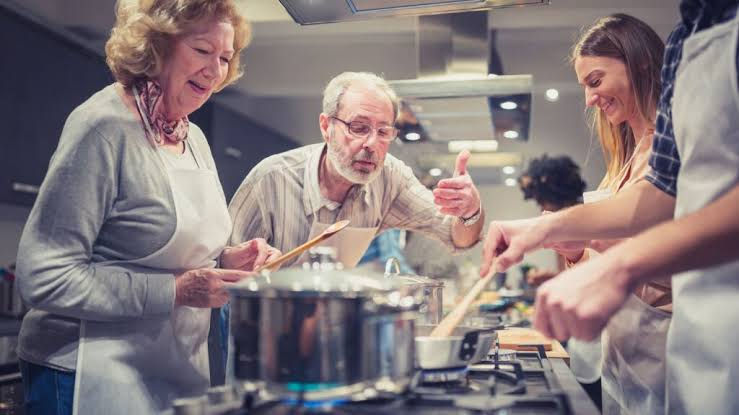
True hands-on cooking classes require specific elements. Each participant needs cooking station access or shared equipment. Class sizes must stay small enough that students get actual cooking time, not just demonstration time. Gastronomic Arts Barcelona limits classes to ensure every student cooks actively.
During hands-on sessions, you:Chop ingredients yourself, learning proper knife techniqueBuild flavors by tasting at each stageExperience heat and timing firsthandHandle raw ingredients and feel their texturesMake mistakes and correct them immediatelyAsk questions as problems arise in real time
This direct engagement creates learning that sticks. You return home and cook paella again because your hands remember the feeling. Your palate remembers the tastes.
Fresh Ingredients from La Boqueria Market
Spanish cuisine rests on ingredient quality. The difference between olive oil from different regions changes a dish. Tomato variety matters for gazpacho. Seafood freshness determines whether paella tastes vibrant or flat.
Gastronomic Arts Barcelona sources fresh ingredients daily from La Boqueria Market. This connection serves multiple purposes.
Students learn to select ingredients properly. You discover why a chef chooses Iberian ham over ordinary ham. You taste the difference between Spanish and imported saffron. You understand that cooking begins at the market, not at home.
Most Gastronomic Arts Barcelona classes include market tour components. You walk through La Boqueria with your chef. They point out seasonal specialties. They explain storage and preparation. You select ingredients together before heading to the kitchen.
This market-to-table experience transforms how you shop permanently. You return home and approach your local market with new awareness and skill.
Cultural Immersion Beyond Cooking Technique
Food exists in cultural context. A paella connects to Valencia's irrigation history and agricultural development. Tapas connect to Spanish labor culture and afternoon drinking traditions. Crema catalana connects to Catalan national identity and celebration.
The best cooking classes weave this context in. Expert chefs at Gastronomic Arts Barcelona teach history alongside technique. You're learning more than cooking steps. You're learning culture, geography, and people through food.
Some Gastronomic Arts Barcelona classes incorporate wine tastings. You taste Spanish and Catalan wines alongside dishes you've cooked. You learn which wines complement which flavors. You understand that wine selection is as thoughtful as ingredient selection.
Classes often incorporate food history discussions. Why do Spanish meals have late dinner hours? Because of historical work schedules and climate adaptation. How did Spanish conquistadors change Spanish cuisine? Through ingredients like tomatoes and peppers from the Americas. These stories make cooking classes memorable and meaningful.
Gastronomic Arts Barcelona: The Premier Cooking Experience in Barcelona
About Gastronomic Arts Barcelona
Gastronomic Arts Barcelona stands as Barcelona's premier private cooking experience. Located at Carrer de Lancaster 10, Bajo 1a near La Rambla and Metro Liceu, they offer hands-on Spanish culinary classes designed for private groups, couples, families, and corporate teams.
What separates Gastronomic Arts Barcelona from other cooking schools? Their commitment to exclusivity, customization, and consistent excellence. You don't share your experience with strangers. You don't follow preset menus. You control every element. Your preferences shape instruction.
Gastronomic Arts Barcelona earned recognition as a Top 1% Experience on Tripadvisor, a distinction based on actual customer reviews and satisfaction ratings spanning years of operation. This ranking reflects consistency in delivering exceptional experiences repeatedly.
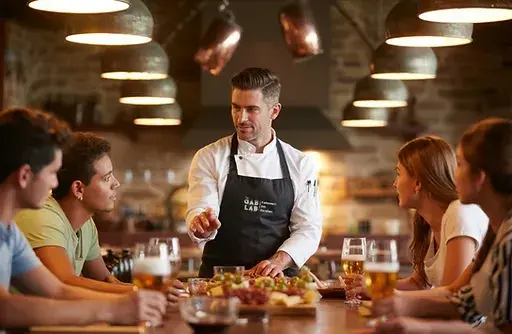
Their reputation stems from genuine commitment to quality. Expert bilingual chefs guide every class. Fresh La Boqueria ingredients feature in every session. Small group sizes ensure hands-on learning time. The baroque kitchen space creates ambiance matching celebration occasions.
Visit https://www.gastronomicartsbarcelona.com/ to explore their comprehensive offerings.
What's Included in Your Private Cooking Experience at Gastronomic Arts Barcelona
Your 3-hour private experience includes:Exclusive use of their dedicated kitchen with no other groups presentExpert bilingual chef guiding your group from start to finishOptional La Boqueria Market tour to select fresh ingredients togetherHands-on cooking of appetizers and main course (typically paella or your chosen dish)Sangria, wine, beer, or non-alcoholic options throughout the experienceHomemade dessert and celebratory mealGroup photo and recipe cards to take homeCustomizable menus accommodating all dietary needs (vegetarian, gluten-free, vegan options available)
The private format matters significantly. No strangers sharing your class. No competing for attention. No rushing through steps. Your group sets the pace. Your preferences shape the menu. Your celebration becomes the exclusive focus.
Best Cooking Classes in Barcelona: Gastronomic Arts Barcelona's Offerings
Paella Cooking Classes at Gastronomic Arts Barcelona
Paella represents Spain's most recognized dish globally. Yet most people have never tasted authentic paella. Tourist restaurants serve yellow rice with random ingredients. Real paella is structured, purposeful, and balanced.
Traditional Valencian Paella Instruction
Gastronomic Arts Barcelona's chefs teach why authentic paella uses only short-grain bomba rice. You discover that traditional paella uses chicken and rabbit, not seafood. You spend significant time developing sofrito flavor from tomato, onion, and garlic cooked low and slow.
You learn proper salt tasting and adjustment techniques. You understand why rice needs specific heat levels at different cooking stages. You master timing so every ingredient finishes simultaneously.
The final step matters most. Traditional paella finishes with socarrat, a deliberately crispy layer of rice at the pan's bottom. This isn't burned rice. It's the intended finish, adding texture and deeper caramelized flavor.
Seafood Paella Masterclasses
Barcelona's coastal location makes seafood paella natural and essential. This version features shrimp, mussels, clams, and fresh fish. Learning seafood paella means understanding precise timing. Each ingredient cooks at different rates. Mussels open quickly. Shrimp needs minimal cooking. Clams take longer.
Gastronomic Arts Barcelona instructors teach you to layer these ingredients so everything finishes simultaneously. You discover techniques for extracting maximum flavor from seafood shells. Many classes make quick stocks from shrimp heads and shells before cooking, intensifying the paella's seafood character significantly.
Private Paella Classes for Couples
Some students want intimate settings. Private paella classes for couples at Gastronomic Arts Barcelona offer exclusivity and personalization. You and your partner work together with a private expert chef. Many classes happen in their beautiful baroque kitchen space.
These experiences often include wine pairings. You cook the paella together, then sit at an imperial table to eat together. Some sessions include appetizers and desserts prepared while you cook, creating complete multi-course meals around your handmade paella.
Private couple paella classes range €300-450 per couple, but you control menu selection, timing, and learning pace entirely.
Tapas and Spanish Appetizer Classes
Tapas represent Spanish food culture perfectly. They're small plates with intention. Tapas culture means social eating, sharing, conversation, and drinks together.
Classic Tapas Essentials Taught at Gastronomic Arts Barcelona
Certain tapas appear everywhere in Barcelona and throughout Spain. You should learn them properly.
Pan con tomate seems simple: bread, tomato, olive oil, salt. But technique matters tremendously. You rub the tomato into the bread's surface correctly. You season properly. You use the right bread texture. The result is something restaurants struggle to match because they rush it.
Tortilla de patatas (Spanish potato omelet) teaches fundamental cooking technique. You slice potatoes uniformly, fry them gently, then bind them with eggs. The result should be tender inside, barely set on the outside. Most people either undercook or overcook their first tortilla. Gastronomic Arts Barcelona prevents this through expert instruction.
Patatas bravas (fierce potatoes) gets its name honestly. Fried potato chunks with spicy mayonnaise and tomato sauce teaches flavor balancing. The sauce-making teaches how to layer flavors.
Croquetas represent technique mastery. You make béchamel, requiring understanding of heat and whisking speed. You shape croquetas properly. You bread and fry them to golden crispness. Croquetas teach fundamental French cooking techniques used throughout Spanish cuisine.
Gambas al ajillo (garlic prawns) seems straightforward. Heat oil, add garlic, cook prawns. Yet execution matters greatly. Garlic can burn, turning bitter. Prawns can overcook, turning rubbery. Learning proper timing transforms a simple dish.
Modern Tapas Innovations
Barcelona's culinary scene constantly evolves. Gastronomic Arts Barcelona teaches contemporary approaches while respecting tradition.
Some classes focus on unexpected flavor combinations. Tapas with Asian influences. Vegetarian or vegan tapas adaptations. Tapas using less common Spanish ingredients like sea urchin or bonito.
These classes suit students who want to apply Spanish techniques to their own creative culinary directions.
Market-to-Table Experiences at La Boqueria
La Boqueria Market tours integrated with cooking classes offer complete culinary education experiences.
The La Boqueria Market Tour Component
La Boqueria requires navigation. It's large. It's not organized like typical grocery stores. Without guidance, you'll feel overwhelmed.
A chef-led tour changes everything. Your Gastronomic Arts Barcelona instructor explains vendors. They show you seasonal availability. They teach how to select produce by examining and touching it. You taste samples. You understand pricing and quality markers.
The tour focuses on ingredients for that day's cooking class. Your chef might select paella rice and explain the difference between types. They show you Spanish saffron and discuss quality markers. They choose seafood, explaining freshness indicators.
Walking La Boqueria with a professional chef connects you to Barcelona's food system. You see tourists and locals, vendors and families, morning rushes and quiet afternoons. You understand that this market serves Barcelona's actual eating, not just tourism.
Cooking with Ingredients You Selected
After touring, you cook with ingredients you selected yourself. This transforms the cooking experience. The produce you handled is on your cutting board. The seafood you evaluated is in your pot. The herbs you examined are in your hands.
This approach teaches market shopping skills you'll use for years. You return home and apply these lessons at your local market. You understand ingredient quality and seasonality. You make better cooking decisions daily.
Private and Small Group Classes at Gastronomic Arts Barcelona
Group dynamics shape learning significantly. Some students prefer small groups of 4-6 people. Others want private instruction. Both have distinct advantages.
Small Group Classes at Gastronomic Arts Barcelona
Small group classes (4-8 students) balance social interaction with hands-on learning. You meet other food enthusiasts. You cook together. You share the meal at the end. This creates memories beyond just culinary skills.
Small groups allow adequate attention from instructors. Students aren't rushed. Questions get answered thoroughly. Everyone gets actual cooking time, not demonstration time.
Pricing for small groups ranges €80-150 per person for 3-hour classes, making quality instruction affordable.
Private Family-Friendly Classes
Families with children benefit from private classes at Gastronomic Arts Barcelona. Children learn without peer pressure. Parents control pacing. The experience becomes family-bonding time focused on shared creation.
Kids enjoy hands-on cooking more than adults sometimes. They're uninhibited about trying techniques. They ask honest questions. They find joy in simple tasks like stirring or seasoning.
Private family classes accommodate younger children (ages 6+) safely. The kitchen remains controlled. The instructor watches carefully. Parents supervise their children's involvement.
Team Building and Corporate Classes
Companies book Gastronomic Arts Barcelona for team building, department celebrations, and company offsites. Cooking together builds unexpected collaboration benefits.
Cooking requires teamwork. Different team members handle different tasks. Success depends on coordination and communication. People who rarely interact outside work collaborate naturally. The informal atmosphere loosens typical office dynamics.
A paella represents a perfect team-building metaphor. One person doesn't make paella. Multiple people handling different components create the final dish. Timing matters. Communication matters. Celebration follows completion.
Gastronomic Arts Barcelona's corporate experiences feature:Team-focused cooking toward common goalsWelcome drinks (wine, sangria, cava, or non-alcoholic options)Shared tapas during cookingOptional icebreaker activities or cooking challengesProfessional chef ensuring smooth executionTeam meal celebrationBusiness invoicing and documentationFlexible timing, including after-work evening slotsCustomizable group sizes (small departments to large teams)
Corporate groups discover that cooking together creates bonds that formal team-building rarely achieves.
Practical Planning Information for Barcelona Cooking Classes
Duration and Schedule of Classes
Most Barcelona cooking classes run 2.5 to 4 hours. This timing works well for focused learning. You tour the market (if included), do prep work, cook, and eat. Rushed classes feel stressful. Extended classes risk fatigue.
Gastronomic Arts Barcelona offers morning classes starting around 9-10 AM, afternoon classes starting around 2-3 PM, and evening classes available for special experiences and celebrations.
The cooking itself typically takes 1.5 to 2 hours. Market tour adds 30-60 minutes. Eating adds 30-60 minutes.
Full-day experiences (5-6 hours) include both lunch and a second cooking session, suiting students who want deeper immersion and multiple skill-building components.
Class Size and Instruction Quality
Smaller classes provide better learning. This isn't opinion. Educational research confirms it.
In a class of 12 students, your instructor can't watch everyone's technique properly. In a class of 6 students, your instructor notices if your knife grip is wrong. They correct it immediately.
Gastronomic Arts Barcelona maintains optimal class sizes:Private lesson: 1-2 students (most personal instruction)Small group: 4-6 students (balanced learning and social interaction)Medium group: 7-10 students (still manageable, hands-on time adequate)Large group: 11+ students (limited hands-on individual attention)
For serious cooking instruction, classes above 10 students start feeling like demonstrations rather than hands-on learning experiences.
Seasonal Cooking Considerations
Barcelona's food changes seasonally. Spring brings fresh vegetables. Summer brings seafood and cold soups. Fall brings game and mushrooms. Winter brings hearty stews and preserved ingredients.
The best cooking class experience matches seasonal availability. Taking a seafood paella class during peak seafood season differs significantly from learning the same class in winter when seafood is expensive and less available.
Gastronomic Arts Barcelona adjusts their menus seasonally. Ask what dishes are currently in season when booking. This ensures you learn with ingredients at peak quality and flavor.
Language Options
Most Gastronomic Arts Barcelona cooking classes offer English-language instruction. Many offer both Spanish and English with the same bilingual chefs. Some offer additional languages like French or German.
Language matters for comprehension, especially when learning technique details. If you're fluent in Spanish, choosing Spanish-language teaching provides cultural immersion. If you're more comfortable in English, English instruction ensures you catch every detail.
Gastronomic Arts Barcelona accommodates specific instructor requests when possible. If you want Spanish-language teaching but need some English support, ask directly.
What Are the Best Cooking Classes in Barcelona?
The best cooking classes in Barcelona combine expert instruction, small group sizes, hands-on participation, fresh local ingredients, and cultural immersion. Gastronomic Arts Barcelona ranks among the top options, offering private and small group classes taught by bilingual professional chefs. Their Top 1% Tripadvisor rating reflects consistent excellence. Classes include optional La Boqueria Market tours, customizable menus, and flexible timing for couples, families, and corporate groups. Visit https://www.gastronomicartsbarcelona.com/our-classes to explore their complete offerings and book your experience.
Why Are Barcelona Cooking Classes Popular?
Barcelona cooking classes attract visitors because the city sits at the intersection of Mediterranean and Spanish culinary traditions. The iconic La Boqueria Market provides unmatched ingredient access and cultural experience. Professional chefs combine technical expertise with genuine passion for teaching. Students learn hands-on in small groups, ensuring personal attention. The combination of skill-building, cultural learning, market experience, and immediate eating creates memorable experiences. Barcelona's reputation as a culinary destination, boosted by innovative chefs, adds prestige. Cooking classes offer active tourism, transforming visitors into participants rather than observers.
How Much Do Barcelona Cooking Classes Cost?
Barcelona cooking classes range from €80-150 per person for small group classes to €300-450 per couple for private paella classes. Full-day experiences cost €200-300 per person. Corporate team building ranges €150-250 per person. Dessert classes cost €85-115 per person. Price variation depends on class size, duration, market tour inclusion, ingredient costs, and instructor experience. Most classes include meals in their pricing. Private instruction costs more than group classes because costs don't distribute across participants. Gastronomic Arts Barcelona provides customized quotes based on your specific needs.
What Dishes Are Taught in Barcelona Cooking Classes?
Barcelona cooking classes teach paella (traditional Valencian and seafood versions), tapas (pan con tomate, tortilla de patatas, patatas bravas, croquetas, gambas al ajillo), crema catalana desserts, gazpacho cold soups, romesco sauce, and seasonal Spanish specialties. Paella and tapas classes dominate offerings. Specialized classes teach dessert-making, wine pairing, and market-to-table techniques. Classes focus on traditional Catalan and Spanish methods while some modern classes incorporate contemporary innovations. Gastronomic Arts Barcelona provides recipe cards so you recreate dishes at home.
Expert Tips and Pro Tips
Pro Tip: Market Shopping Skills Transform Your Home Cooking
The ingredient knowledge you gain at La Boqueria transfers directly home. When you return to your local market, you evaluate produce differently. You understand seasonality. You recognize quality. This transforms your entire cooking practice.
Practice this immediately upon returning home. Visit your local market and apply Barcelona's lessons. Select produce like your Gastronomic Arts Barcelona chef showed you. Talk to vendors about seasonal specialties. Understand what's actually in season versus what's imported.
Expert Tip: Master the Sofrito Base Foundation
Spanish and Catalan cooking rests on sofrito. This foundational sauce of tomato, onion, and garlic builds flavor for paella, stews, and sauces. Many classes don't emphasize sofrito enough because students focus on final results.
Master sofrito separately from your cooking class. Cook it low and slow for 15-20 minutes. Let onions become completely tender. Let tomato flavor deepen. This takes patience. But superior sofrito elevates every Spanish dish you make afterward.
Must-Know Fact: Saffron Quality Matters Dramatically
Spanish saffron, especially from La Mancha, differs completely from saffron grown elsewhere. Real Spanish saffron costs more but provides incomparable flavor and color. In a Gastronomic Arts Barcelona class, your instructor uses authentic saffron. Note the color it gives. Taste the subtlety.
When you buy saffron at home, buy Spanish saffron only. The cost difference between Spanish and cheap imports is small compared to the flavor difference in your finished paella.
Local Insight: Morning Is the Best Time to Visit La Boqueria
If your cooking class includes a market tour, go early if possible. Morning hours (before 11 AM) mean fewer tourists and better vendor interaction. By afternoon, La Boqueria gets crowded. Vendors are tired. The energy shifts noticeably.
Early morning also means vendors have fresh supplies. The best seafood, the best produce, hasn't sold yet. Your Gastronomic Arts Barcelona chef can select absolute best ingredients for your class.
Common Mistakes People Make in Cooking Classes
Mistake 1: Selecting Based Only on Price
The cheapest class isn't always the worst choice, but it might cut corners. It might have larger groups (12-15 students). The instructor might rush. Ingredients might be less fresh.
Evaluate value, not just price. A €120 class with 6 students and a market tour offers better value than a €90 class with 12 students and no market access. Gastronomic Arts Barcelona's pricing reflects their quality, not expense-cutting.
Mistake 2: Not Mentioning Dietary Restrictions Early
Cooking classes can accommodate dietary needs. But mention them when booking, not on class day. Your instructor needs time to adjust menus or plan substitutions thoughtfully.
If you follow a vegan diet, tell Gastronomic Arts Barcelona when inquiring. They adjust paella with vegetable stock. They skip seafood. They modify tapas selections for your preferences.
Mistake 3: Skipping the Market Tour
Some students skip the market tour component to save time or money. This is a mistake. The market tour provides cultural context that elevates the cooking experience. You understand where ingredients come from. You learn shopping skills. You experience authentic Barcelona food culture.
The market tour also makes the experience uniquely Barcelona. You could take a cooking class anywhere. But learning to shop La Boqueria makes the experience distinctly place-based.
Mistake 4: Not Taking Notes or Photos
Your instructor teaches dozens of classes yearly. You take one. Your memory will fade. Specific techniques blur together. Seasoning amounts get forgotten.
Take notes during class. Write down ingredient amounts. Note temperature and timing details. Take photos of dishes before eating (even if it feels silly). Snap photos of techniques.
Gastronomic Arts Barcelona provides recipe cards, but your own notes capture class-specific details and instructor tips you'll want later.
Mistake 5: Arriving Late
Cooking classes start on time. If you arrive late, you'll miss initial instructions. You'll miss the market tour. You'll start already behind peers.
Arrive 15 minutes early. This gives you time to settle, use facilities, and ask preliminary questions. You'll be calm and ready to engage fully.
F.A.Q:
How Much Does a Chef Class Cost?
Chef classes in Barcelona range widely depending on type and size. Group paella classes at Gastronomic Arts Barcelona cost €90-120 per person for 3 hours including market tour and meal. Tapas classes cost €85-115 per person. Full-day experiences run €200-300 per person. Private paella classes for couples cost €300-450. Corporate team building classes cost €150-250 per person depending on group size. Dessert classes cost €85-115 per person. Gastronomic Arts Barcelona provides customized quotes. Budget €100-150 per person as an average for quality instruction in Barcelona.
How Much Does It Cost to Go to Culinary School in Spain?
Culinary school differs from cooking classes. Formal culinary education in Spain runs €8,000-20,000 yearly for professional programs. Culinary institutes offering professional certifications require 1-2 years of study. However, most visitors take recreational cooking classes, not formal culinary school. Recreational classes cost far less (€80-300 per session) because they're focused learning experiences, not comprehensive education. If you're considering formal culinary education in Spain, contact specific schools for detailed pricing and program information.
What Is the Culinary Institute of Barcelona?
The Culinary Institute of Barcelona represents Spain's professional culinary education options. These institutions offer comprehensive training for those pursuing culinary careers. Programs include classical French technique, Spanish gastronomy, kitchen management, and professional certifications. These are formal schools requiring months or years of study, different from tourist cooking classes.
However, some professional culinary schools also offer recreational workshops and short courses for visitors. Contact specific Barcelona culinary institutions to see if they offer part-time classes combining professional instruction with visitor flexibility. Gastronomic Arts Barcelona operates as a specialized cooking experience rather than formal institute, focusing on hands-on learning for tourists and small groups.
Which Course Is Best for Cooking?
The best cooking course depends on your goals. For skill-building, hands-on paella classes at Gastronomic Arts Barcelona teach fundamental technique (heat control, timing, flavor layering). For cultural immersion, market-to-table classes combine shopping knowledge with cooking. For social experiences, small group tapas classes offer fun, low-pressure learning.
If you're a beginner, start with tapas classes. Individual dishes like pan con tomate and tortilla de patatas teach basics without overwhelming complexity. If you're intermediate, paella classes challenge your heat control and multitasking. If you want cultural depth, choose classes with significant market components and chef storytelling.
Couples should consider private paella experiences at Gastronomic Arts Barcelona. Families should choose private or small family-friendly classes. Corporate groups should book team-building focused classes emphasizing collaboration.
Are There Family-Friendly or Kid-Friendly Cooking Classes in Barcelona?
Yes. Gastronomic Arts Barcelona offers family classes welcoming children ages 6 and up. Private family classes work best because instructors adjust pacing for younger participants. Children enjoy hands-on activities like stirring, seasoning, and shaping ingredients.
Family classes typically focus on dishes with simple steps (tapas, basic paella, desserts). They're shorter (2-3 hours) to accommodate shorter attention spans. Prices for family classes range €120-180 per family. Gastronomic Arts Barcelona can customize classes specifically for families. Always ask about age recommendations and supervision when booking.
Can I Find Vegan-Friendly Cooking Classes in Barcelona?
Many Barcelona cooking schools accommodate vegan diets with advance notice. Gastronomic Arts Barcelona makes vegan paella with vegetable stock instead of chicken or seafood. Tapas selections adjust to exclude cured meats and dairy. However, traditional Spanish cooking heavily features olive oil, seafood, cured meats, and dairy.
Finding fully vegan instruction requires communication with schools. Tell Gastronomic Arts Barcelona about your diet when inquiring. Ask if they can design a vegan-focused menu or adapt classes. Some modern tapas classes incorporate vegan appetizers. Summer classes focusing on gazpacho and vegetables suit vegan interests better than seafood-focused classes.
Contact Gastronomic Arts Barcelona directly. Schools with established vegan options advertise them. Others can adapt with advance planning.
Do We Visit La Boqueria Market?
Most Gastronomic Arts Barcelona cooking classes include La Boqueria Market tours. Market-to-table classes make this central (typically 45-60 minutes). Small group paella and tapas classes often include a market visit (30-45 minutes) before cooking.
However, not all classes include markets. Dessert classes and private evening classes might skip the market component. Ask specifically when booking. Gastronomic Arts Barcelona lets you choose whether to add a market component for additional cost. If market access is important to your experience, explicitly request market-included classes.
How Long Are Typical Cooking Class Sessions in Barcelona and What Is the Usual Group Size?
Typical Barcelona cooking classes run 2.5 to 4 hours. Classes including market tours tend toward 3-4 hours. Classes focusing just on cooking run 2.5-3 hours. Full-day experiences at Gastronomic Arts Barcelona extend 5-6 hours with two cooking sessions or multiple components.
Usual group sizes range 4-8 students for quality instruction. Small group classes (4-6 students) allow personalized attention. Larger classes (8-10 students) feel crowded for hands-on learning. Classes above 10 students function more as demonstrations than hands-on experiences.
Private lessons accommodate 2 people (couples, friends). Family classes run 4-6 people. Corporate groups vary but often run 8-15 people. Gastronomic Arts Barcelona customizes class sizes to your group's needs.
Is It Possible to Combine a Market Tour with a Cooking Class in Barcelona?
Yes. Gastronomic Arts Barcelona offers market-to-table classes combining La Boqueria tours with cooking directly. These 3.5-4 hour experiences include 45-60 minutes at the market guided by your chef, then 2-3 hours cooking with ingredients selected together.
Some classes offer market tours as optional add-ons. You might book a 2.5-hour cooking class and add a 45-minute market tour for additional cost. This combination works exceptionally well. You understand ingredient sourcing before cooking. You handle ingredients you selected. The market context enriches the cooking experience significantly.
Visit https://www.gastronomicartsbarcelona.com/la-boqueria-market to learn more about their market tour options.
Looking for a Private Cooking Experience in Barcelona?
Barcelona offers excellent private cooking experiences for couples, small families, and groups. Gastronomic Arts Barcelona provides private classes where you choose the menu, timing, and instructional focus. Classes typically happen in their baroque kitchen or with imperial table dining.
Pricing for private paella cooking ranges €300-450 for two people. Some sessions charge €100-150 per additional person. Private classes run 2.5-4 hours depending on menu complexity.
To book private experiences, visit https://www.gastronomicartsbarcelona.com/our-classes or contact their team directly. Ensure any private instructor has professional experience and good reviews. Gastronomic Arts Barcelona maintains consistent 5-star ratings.
Looking for Cooking Classes in Barcelona That Go Beyond Traditional Recipes?
Modern Barcelona has forward-thinking chefs offering contemporary approaches. Some classes focus on fusion techniques blending Spanish tradition with Asian influences. Others teach modern plating or innovative tapas.
Gastronomic Arts Barcelona occasionally offers advanced classes exploring Spanish cuisine beyond tourist tradition. These might focus on underutilized Spanish ingredients or innovative cooking methods. Some sessions teach Spanish cooking using modern equipment and contemporary flavor combinations.
If you want to go beyond traditional classes, ask Gastronomic Arts Barcelona about their most advanced or experimental offerings when booking. Individual private chefs often specialize in contemporary cooking more than established schools.
Need Help Choosing a Cooking Class?
Consider these questions when choosing:What excites you most: technique, cultural immersion, social experience, or special atmosphere?How much time do you have: 2.5 hours, 4 hours, or full day?Do you prefer group learning or private instruction?What dishes interest you: paella, tapas, desserts, or seasonal cooking?Do you want a market component?What's your budget?Are there dietary considerations?
Gastronomic Arts Barcelona can help you find the right fit if you're clear about preferences. Contact their team with your answers, and they'll customize recommendations specifically for your needs.
What Cultural Etiquette Should I Observe During a Cooking Class in Barcelona?
Cooking classes are casual, but some etiquette helps. Be on time. Cooking schedules are tight. Follow instructor directions exactly, especially regarding heat and timing.
Keep your workspace clean. Spanish chefs value organization. Taste and evaluate food honestly. Spitting into a sink is normal during tasting if needed.
Be respectful of other students' space and pace. Put your phone away during class. Photography is fine, but not constant phone distraction.
Ask questions. Good questions show engagement. Respect the food. Don't waste ingredients. Enjoy the experience. Barcelona's food culture is joyful. Match that energy.
Your Gastronomic Arts Barcelona instructor wants you to enjoy learning. They'll guide appropriate behavior naturally through their teaching approach.
What Languages Are the Cooking Classes Offered In?
Gastronomic Arts Barcelona offers English-language instruction and Spanish-language instruction. Many instructors are bilingual, offering both languages. Some sessions accommodate French or German speakers.
Language matters for comprehension, especially when learning technique details. If you're fluent in Spanish, Spanish-language instruction provides cultural immersion. If you're more comfortable in English, English instruction ensures you catch everything.
Gastronomic Arts Barcelona accommodates language requests when possible. If you want Spanish-language teaching but need some English support, ask directly. Their team works to match your language preferences to available instructors.
What Seasonal Dishes or Festivals Can I Experience During a Cooking Class in Barcelona?
Barcelona's culinary calendar follows seasons and festivals.
Spring brings fresh vegetables. Classes might teach artichoke dishes or spring vegetable preparations. Summer emphasizes seafood and gazpacho. This is ideal for seafood paella and cold soup classes. Fall brings game, mushrooms, and hearty preparations. Cooking classes might feature wild mushroom dishes or meat stews.
Winter features preserved ingredients, dried goods, and festive dishes. Some schools offer special holiday classes around Christmas.
Specific festivals like Barcelona's food festivals might feature special classes. Ask Gastronomic Arts Barcelona about seasonal menus or festival-specific offerings when planning your visit.
What Signature Dishes Are Usually Taught in Barcelona Cooking Classes?
Paella is most common. Both traditional Valencian and seafood versions appear regularly in Barcelona classes. Tapas are universal, with pan con tomate, tortilla de patatas, gambas al ajillo, patatas bravas, and croquetas most frequent.
Crema catalana appears in dessert classes. Gazpacho shows up in summer. Romesco sauce teaches fundamental technique applicable across Spanish cooking.
Most Gastronomic Arts Barcelona classes teach at least two dishes so you gain varied skills. A typical tapas class teaches 4-6 appetizers. A paella class might teach the paella plus an appetizer.
Ask what specific dishes are taught before booking. Different instructors sometimes emphasize different recipes based on seasonal availability.
Why Choose Gastronomic Arts Barcelona
Gastronomic Arts Barcelona distinguishes itself through consistent excellence and genuine commitment to exceptional experiences.
Their chefs aren't just culinary professionals. They're cultural ambassadors who understand Barcelona's food history deeply. Their classes range from intimate couple experiences to corporate team-building events. They customize everything based on your preferences.
The Top 1% Tripadvisor rating reflects years of consistent customer satisfaction. Real people rating real experiences gave them this distinction. You're not reading marketing claims. You're seeing verified customer feedback.
Their location near La Rambla makes access easy. Their baroque kitchen creates ambiance matching celebration occasions. Their dedication to fresh ingredients from La Boqueria ensures quality.
Most importantly, Gastronomic Arts Barcelona views each class as an opportunity to create a genuinely memorable experience, not just another class to teach.
For more information about cooking experiences in Barcelona, visit Gastronomic Arts Barcelona at https://www.gastronomicartsbarcelona.com/. Their market-to-table classes at https://www.gastronomicartsbarcelona.com/la-boqueria-market provide guided La Boqueria tours integrated with hands-on cooking. For detailed class offerings and booking, explore their cooking class page at https://www.gastronomicartsbarcelona.com/our-classes.
References and Sources
For broader context on Spanish culinary traditions, the Spanish Ministry of Culture provides resources on Spanish gastronomy heritage. UNESCO recognizes the cultural significance of Mediterranean diet traditions. Additionally, Barcelona's Official Tourism Board publishes comprehensive guides on Barcelona food experiences, cooking schools, and market information.
Conclusion
Cooking classes in Barcelona transform how you understand food, culture, and a city. You arrive as a tourist. You leave as someone who's cooked paella in Spain, selected ingredients at La Boqueria, learned from professional chefs, and tasted Spanish gastronomy in authentic context.
Gastronomic Arts Barcelona represents what quality cooking instruction looks like. Expert bilingual chefs guide small groups or private experiences. Fresh La Boqueria ingredients feature in every class. Customization ensures your experience matches your priorities. Top 1% Tripadvisor ratings confirm their consistency.
The best cooking class in Barcelona matches your goals, schedule, and learning style. Consider what excites you most. Communicate openly with Gastronomic Arts Barcelona about your preferences. Visit https://www.gastronomicartsbarcelona.com/our-classes to explore their offerings and request your personalized quote.
You return home with recipes, skills, and memories. More importantly, you return with deeper understanding of how food connects to place, culture, and people. You'll cook Spanish food differently. You'll shop more thoughtfully. You'll think about Barcelona every time you taste paella, eat tapas, or select Spanish saffron.
Book your cooking class at Gastronomic Arts Barcelona today. Your culinary education awaits.



Comments