
The Rise of Experiential Travel: Why Travelers Want Experiences Instead of Things

You plan a vacation. You book a flight and a hotel. You create a list of sights to see. This used to be enough. Now, something has changed. You want more. You want to do, not just observe. You want to connect, not just consume.
Many travelers now return from trips feeling empty. They saw the sights. They took the photos. They bought the souvenirs. Yet, they feel disconnected from the place.
They missed the culture behind the attractions. This is the problem of passive tourism.
The solution is active participation. You need to engage with a destination. A hands-on cooking class is a perfect example. You learn a skill.
You meet local people. You create a lasting memory. This article explores the rise of experiential travel. It explains why travelers want experiences instead of things.
You will learn how to make your next trip more meaningful. You will see why cooking classes in Barcelona are at the forefront of this movement.
What is Experiential Travel?
Experiential travel is about active participation. You do not just look at a place. You live it. You learn a local craft. You cook a traditional dish. You participate in a cultural ritual.
It is a shift from passive consumption to active creation. It is a desire for deeper connection. It is a move toward a more meaningful form of tourism.
The Rise of Experiential Travel: Why Travelers Want Experiences Instead of Things
A Generational Shift
Research shows a clear trend. Younger generations prefer experiences over things. They value memories over possessions. This shift is driven by a few key factors.
Social media plays a role. People share experiences, not just items. A photo of you cooking paella is more engaging than a photo of a souvenir. This encourages others to seek similar experiences.
There is also a growing desire for authenticity. You want to understand a place. You want to connect with its people. Souvenirs feel inauthentic. Experiences feel real.
The Limitations of "Stuff"
Physical items have limitations. They take up space. They gather dust. They lose their meaning.
Experiences are different. They become part of your story. They shape who you are. They create lasting memories. You remember a cooking class for years.
The Rise of the "Do-It-Yourself" Traveler
You are no longer content to be a spectator. You want to be a participant. You want to learn.
You book a cooking class. You learn to make paella. You shop at the market. You understand the ingredients. You create the meal. This is active, engaging, and rewarding.
The Shift in Travel Motivation
From Sightseeing to Skill-Building
Traditional travel was about sightseeing. You collected landmarks. You checked off a list. This is no longer enough.
You now want to build skills. You want to take something home. A skill is a lasting souvenir. You keep it forever.
From Tourism to Connection
You want to connect with a place. You want to understand its culture. A cooking class is a direct connection.
You learn from a local chef. You hear their stories. You understand their traditions. This connection is deeper than any tour.
From Consumer to Creator
You are not just consuming. You are creating. You are making a meal. This creation brings satisfaction.
You feel a sense of accomplishment. You feel connected to the food. You feel you have earned the meal.
Why Travelers Choose Experiential Travel: The Data
Experiential travel is a growing trend. Data confirms this shift.
74% of travelers want to have unique experiences.
65% say they will choose a destination based on its food.
62% are willing to spend more on authentic experiences.
These numbers show a clear shift. You are not alone in this search for meaning. This is a global movement.
Experiential Travel: Cooking Classes as a Case Study
The Perfect Example: Paella in Barcelona
A paella cooking class in Barcelona is a perfect example. It combines all the elements of experiential travel.
You learn a hands-on skill.
You connect with a local chef.
You understand the culture.
You taste the results of your effort.
You take home a recipe.
The ultimate paella cooking class experience is a popular choice. It offers a journey from market to table.
The Market Tour: A Sensory Experience
The class starts at La Boqueria. This is not just a market. It is a cultural experience. You see the ingredients. You smell the seafood. You feel the energy.
A guide teaches you how to choose ingredients. You learn to select the freshest produce. This is active learning. You are doing, not just watching.
The Cooking Process: Active Participation
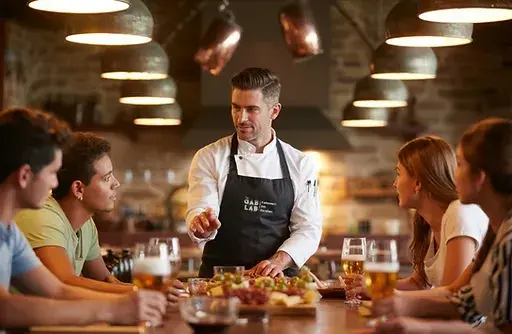
You return to the kitchen. You are not a spectator. You are a cook. You chop, stir, and season. You learn by doing.
You make a sofrito. You build the broth. You master the rice-to-liquid ratio. You create the socarrat. This is deep learning.
The Shared Meal: Creating Community
The class ends with a shared meal. You eat with your group. You connect with other travelers. You share stories.
This is social. It is communal. It is a core part of the Spanish culture. The experience creates a bond.
The Lasting Skill: A Permanent Souvenir
A cooking class offers a permanent skill. You can recreate the meal at home. You can share it with friends. You will remember the class every time.
Comparing Travel Styles
Factor | Traditional Travel (Sightseeing) | Experiential Travel (Learning) |
Focus | Seeing landmarks | Learning skills, connecting |
Activity | Passive observation | Active participation |
Outcome | Photos, souvenirs | Memories, skills, connections |
Connection | Surface-level | Deep cultural |
Value | Short-term | Long-lasting |
Experiential Travel and the Culture of Tapas
Learning the History
You can also dive into the history and culture of tapas. Tapas are not just food. They are a social tradition. You can learn about the history of tapas and how a simple "lid" became a global phenomenon.
Tasting the Classics
You can also try the top 10 classic tapas dishes every foodie should know. This knowledge enhances your eating experience.
Making Tapas at Home
You can even learn to make tapas. You bring this skill home. You share it with friends. This is experiential learning.
The Role of Social Media
Social media fuels the rise of experiential travel. You see posts from friends. They are cooking in Italy. They are learning to paint in France. They are at a paella class in Barcelona.
These posts are aspirational. They create desire. You want to share similar experiences. You want to post about your own adventures.
This is a powerful driver. It encourages you to seek out unique experiences. You want content, not clutter.
The Benefits of Experiential Travel
Personal Growth
You learn new skills. You step out of your comfort zone. You gain confidence. You become a more interesting person.
Cultural Understanding
You connect with local cultures. You understand their traditions. You break down stereotypes. You become a more empathetic person.
Lasting Memories
You create vivid memories. You remember the sights, smells, and feelings. These are priceless. They last a lifetime.
Meaningful Souvenirs
Your souvenir is a skill. It is a memory. It is a connection. This has more value than a physical item.
Experiential Travel for Different Groups
Solo Travelers
A cooking class is a great way to meet people. You bond over shared tasks. You eat together. You make new friends.
Private group classes are ideal for families. You have an intimate experience. The focus is on you.
Couples
A cooking class is a romantic activity. You share a skill. You create a meal. You build a memory.
Corporate Groups
A team building workshop is a great way to build connections. You collaborate. You communicate. You create something together.
Case Study: Gastronomic Arts Barcelona
Gastronomic Arts Barcelona is a leader in experiential travel. They offer a range of classes. They focus on authentic skills and cultural connections.
Authentic Spanish recipes
Small-group, hands-on format
A full shared meal with wine or drinks
Professional local chefs
Premium, locally sourced ingredients
Central Barcelona location
Top-rated guest experience
You can read Barcelona paella cooking class reviews to see what other travelers say. Their classes are consistently rated as the best.
Resources for Your Journey
You can learn more about this trend and the culture of Spanish food.
Spain's Official Tourism Website - Offers information on Spanish food culture and travel.
UNESCO Mediterranean Diet - Recognizes the cultural importance of Spain's food traditions.
Answering the Question: What Kind of Traveler Are You?
Think about your last trip. Did you simply observe? Or did you participate? Did you buy souvenirs? Or did you gain skills?
The rise of experiential travel suggests you are ready for a change. You want more. You want to create, connect, and learn.
The Verdict: Choose Experiences, Not Things
The choice is clear. Experiences bring lasting happiness. They shape who you are. They connect you to the world.
A cooking class in Barcelona is the perfect example. It is an investment in yourself. It is a souvenir that will never gather dust. It is a skill you will use for life.
Your Experiential Adventure Awaits
You now understand the rise of experiential travel. You know why travelers want experiences instead of things. You see the value of a hands-on cooking class.
Your next step is simple. Plan a trip that includes active participation. Book a class. Learn a skill. Create a memory.
Book Your Culinary Experience
Ready to trade things for experiences? Book a cooking class in Barcelona. It will be the best souvenir you will ever bring home.


Comments