
The History of Tapas: From Spanish Bars to Global Phenomenon
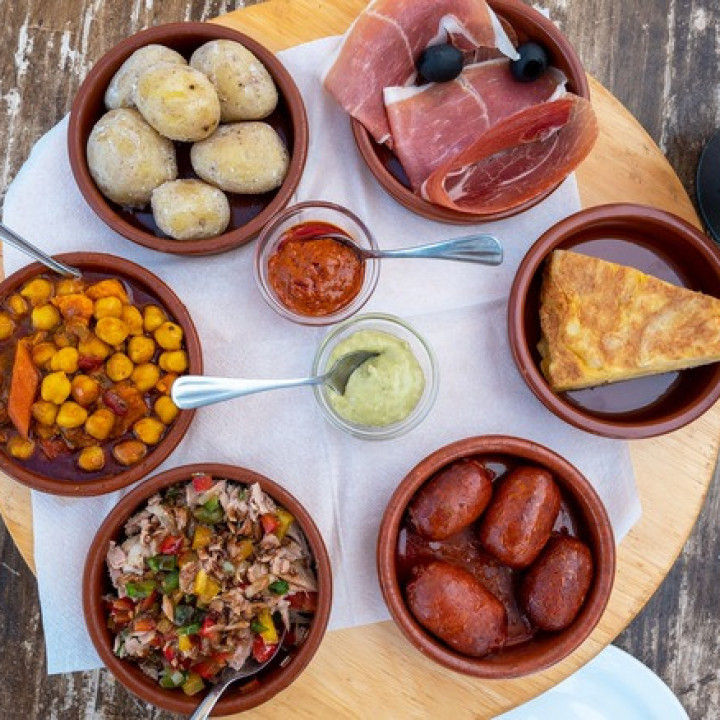
You bite into a small piece of bread. It has a slice of ham on top. You drink a glass of wine. This is the essence of tapas.
But where did this tradition start? How did a simple snack become a global phenomenon? Why do people across the world now seek out tapas bars?
This article explores the history of tapas. It traces the journey from Spanish bars to international fame. It explains how this tradition evolved.
You will learn about the origins. You will understand the cultural significance. You will see how tapas shaped Spanish identity. You will know why tapas is a global success.
Key Takeaways
Tapas originated as a practical solution to keep flies out of drinks.
The tradition evolved from a simple covering to a complex culinary art.
Each region of Spain has its own tapas specialties and traditions.
The global popularity of tapas reflects a broader interest in Spanish culture and communal dining.
The History of Tapas: From Spanish Bars to Global Phenomenon: The Early Origins
The Practical Beginning
The history of tapas starts with a practical problem. Spanish wine attracted flies. The climate was warm. The wine was sweet. The flies were persistent.
Bartenders needed a solution. They covered the glasses with something. They used bread. They used cheese. They used a slice of ham.
These covers kept the flies away. They also gave you something to eat. The word "tapa" means "lid" or "cover."
This simple act started a tradition. The cover became the snack. The snack became the meal. The meal became the culture.
The Royal Decree
King Alfonso X of Castile (1252-1284) issued a royal decree. He required taverns to serve food with wine. He had a specific goal. He wanted to prevent public drunkenness. The food slowed the absorption of alcohol.
The king was practical. He was also famous for his wisdom. He is known as "Alfonso the Wise." His decree had a lasting impact. It formalized the tapas tradition.
The Practical Solution Evolves
Tapas started as a practical solution. It evolved into a cultural tradition. It became a way of life. It is now a symbol of Spanish culture.
The evolution happened gradually. It took centuries. It spread across Spain. Each region adapted the tradition. They used local ingredients. They created local specialties.
How Tapas Spread Across Spain
The Andalusian Birthplace
Tapas started in Andalusia. The region has a hot climate. People drank wine. The wine attracted flies. The need for a cover was practical.
Andalusia is in southern Spain. It is known for its dry heat. It is known for its olives. It is known for its ham. These became early tapa staples.
The Journey North
Tapas moved north from Andalusia. Travelers and traders brought the tradition. They moved to Madrid. They moved to Barcelona. They moved to the Basque Country.
Each region adapted the tradition. They used local ingredients. They created new dishes. The tradition became regional.
The Basque Pintxo
The Basque Country created its own version. They call it pintxos. It is a small snack on bread. It is held with a toothpick. It is often more elaborate.
Pintxos are different from other tapas. You choose them yourself. You pay per piece. You eat them standing up. They are a local specialty.
The history of tapas in the Basque Country is separate. It is related. But it is also unique. It is a distinct tradition.
The Madrid Tradition
Madrid is the capital of Spain. It is a melting pot. It has tapas from every region. It also has its own specialty.
Madrid is famous for its vermouth bars. You order a vermouth. You get a free tapa. The tapa is often a simple snack. It is a social tradition.
The Catalan Tradition
Catalonia is in the northeast. It has its own food culture. Pan con tomate is a Catalan tapa. It is bread with tomato and oil. It is a simple dish. It is a perfect snack.
The history of tapas in Catalonia is separate. It has its own local specialty. It includes seafood. It includes vegetables. It includes sausages.
The Golden Age of Tapas
The 19th Century
Tapas became more popular in the 19th century. The middle class grew. People had more leisure time. They went to bars.
The bars offered a variety of tapas. They became more sophisticated. The tradition became more formal. It was no longer just a cover for drinks.
The 20th Century
The 20th century saw a change. Spain was under Franco's rule (1939-1975). The regime promoted traditional culture. It used tapas as a symbol of Spanish identity.
Tapas bars flourished. They were a place for social gathering. They were a place for political discussion. They were a place for normal life.
The Post-Franco Era
After Franco died, Spain opened up. It joined the European Union. Tourism increased. People from all over the world visited.
They discovered tapas. They liked the food. They liked the social aspect. They brought the tradition home.
The History of Tapas: From Spanish Bars to Global Phenomenon: The Globalization
The Spanish Expats
Spanish immigrants brought tapas with them. They moved to other European countries. They moved to the Americas. They opened bars and restaurants.
They served the food they knew. They served the food they loved. They introduced tapas to the world.
The International Interest
People around the world became interested in Spanish culture. Spain is a popular tourist destination. People wanted to recreate the experience at home.
They started cooking Spanish dishes. They started hosting tapas parties. They started opening Spanish restaurants.
The Media Influence
The internet helped spread the tradition. Blogs and social media shared recipes. Travel shows featured tapas bars. Cookbooks explained the tradition.
The history of tapas became a popular topic. People wanted to know more. They wanted to understand the culture behind the food.
What Are Tapas? A Definition
Tapas are small, shareable plates. They are served in bars. They accompany drinks. They are a social tradition.
Key Characteristics of Tapas:
Small portions: They are not a full meal.
Shared: They are meant to be eaten communally.
Variety: They can be anything from olives to seafood.
Social: They are about conversation and connection.
Regional: Each region has its own specialties.
Tapas are not a specific dish. They are a style of eating. They can be hot or cold. They can be simple or complex.
The Cultural Significance of Tapas
The Social Aspect
Tapas are about socializing. You go to a bar. You stand at the counter. You talk to friends. You talk to strangers. You share food. You share stories.
This is a fundamental part of Spanish life. It is not just about the food. It is about the interaction.
The Community Aspect
Tapas create community. You meet your neighbors. You meet the bartender. You meet other regulars. You become part of a group.
The bar is a social hub. It is a place where people connect. It is a place where communities form.
The Identity Aspect
Tapas are part of Spanish identity. They are a symbol of the country. They are a point of pride. They are a tradition that is passed down.
The history of tapas is also the history of Spain. It is a story of adaptation. It is a story of survival. It is a story of cultural pride.
Regional Tapas Specialties
Region | Tapa | Description |
Andalusia | Pescado frito | Fried fish, often served with a squeeze of lemon. |
Basque Country | Pintxos | Snacks on bread, held with a toothpick. |
Catalonia | Pan con tomate | Bread rubbed with tomato, olive oil, and salt. |
Madrid | Callos a la madrileña | A rich tripe stew, a classic Madrid dish. |
Galicia | Pulpo a la gallega | Octopus with paprika and olive oil, served on a wooden plate. |
Valencia | Fideuà | Paella-like dish made with noodles instead of rice. |
Andalusia
Andalusia is where it all started. The tapas are simple and fresh. They focus on local ingredients. Olives, ham, and fried fish are common.
Basque Country
The Basque Country has the most elaborate tapas. They are called pintxos. They are often made with high-end ingredients. They are a culinary art form.
Catalonia
Catalonia is known for its Mediterranean cuisine. Seafood is a common tapa ingredient. Vegetables are also common. Pan con tomate is the essential tapa.
Madrid
Madrid is a melting pot. It has tapas from everywhere. It is also famous for its vermouth culture. You order a vermouth. You get a free snack.
Tapas and Drinks: A Perfect Pairing
Tapa | Recommended Drink |
Jamón Ibérico | Dry sherry (Fino), Rioja wine |
Manchego Cheese | Rioja wine, Cava |
Olives | Dry sherry, beer |
Pan con Tomate | Beer, white wine |
Tortilla Española | Beer, red wine |
Patatas Bravas | Beer, red wine |
Gambas al Ajillo | White wine (Albariño), beer |
Chorizo al Vino | Red wine (Tempranillo) |
The right drink enhances the tapa. The right tapa enhances the drink. It is a perfect pairing.
Tapas and Paella: A Comparison
Factor | Tapas | Paella |
Meal Size | Small plates | Full meal |
Social Setting | Bar-hopping, standing | Table, sitting |
Variety | Many dishes | One dish |
Time | Quick, flexible | Long, set time |
Learning | Try many things | One technique |
Tapas are about variety. Paella is about focus. Both are essential Spanish experiences.
You can even learn to cook both. A paella cooking class teaches you a specific dish. A tapas crawl teaches you variety. Gastronomic Arts Barcelona offers excellent paella classes for those wanting to master Spain's most iconic rice dish.
The Future of Tapas
Innovation and Evolution
Tapas are evolving. Chefs are creating new versions. They are using modern techniques. They are using global ingredients.
This innovation keeps the tradition alive. It attracts new audiences. It ensures the history of tapas continues.
The Global Spread
Tapas are now a global phenomenon. You can find tapas bars all over the world. You can find them in London, New York, Tokyo, and Sydney.
The international tapas scene is vibrant. It is adapting to local cultures. It is creating new traditions.
The Rise of the Tapas Class
People want to learn how to cook tapas. They want to understand the tradition. They want to bring it home.
The paella class is a popular option. It teaches you a specific dish. It gives you a tangible skill. It connects you to the culture.
How to Experience Tapas in Spain
Go to a Tapería
A tapería is a tapas bar. It is the best place to experience the tradition. You order a drink. You get a free tapa. You enjoy the atmosphere.
Go on a Tapas Crawl
A tapas crawl is the best way to explore. You visit multiple bars. You try different tapas. You experience the variety.
Take a Cooking Class
A cooking class is a deep dive. You learn the technique. You understand the ingredients. You gain a new skill.
You can read Barcelona paella cooking class reviews to find the best class for you.
Visit a Market
A market is a sensory experience. You see the ingredients. You smell the food. You taste the samples. You understand the source.
Eat with Locals
This is the best way. You ask for recommendations. You follow their lead. You learn from them.
The History of Tapas: From Spanish Bars to Global Phenomenon: A Timeline
Period | Key Events |
13th Century | King Alfonso X requires taverns to serve food with wine. |
15th-18th Centuries | Tapas tradition spreads from Andalusia to other regions. |
19th Century | Tapas become more popular and sophisticated. |
20th Century | Tapas become a symbol of Spanish identity during Franco's rule. |
1970s-Present | Tourism and globalization spread tapas worldwide. |
Frequently Asked Questions About the History of Tapas
What is the origin of tapas?
Tapas started as a practical solution in Andalusia. Bartenders covered wine glasses with bread or cheese to keep flies out.
Why are tapas so popular?
Tapas are popular because they are social, diverse, and delicious. They are also associated with the Spanish lifestyle.
Are tapas free in Spain?
Sometimes. In some bars, you get a free tapa with each drink. In others, you pay. It depends on the region and the bar.
What is the difference between tapas and pintxos?
Tapas are from all of Spain. Pintxos are a Basque specialty. They are usually on bread and held with a toothpick.
What is the best tapa?
There is no single best tapa. It depends on your taste. But jamón ibérico and tortilla española are classic favorites.
How did tapas become global?
Spanish immigrants brought the tradition abroad. Tourism and media also helped spread the popularity of tapas.
Where can I learn more about Spanish cooking?
You can take a cooking class. Gastronomic Arts Barcelona offers excellent paella masterclasses. You can also read travel guides and food blogs.
Additional Resources
Spain's official tourism site offers information on Spanish food culture and tapas routes.
UNESCO's Mediterranean Diet listing recognizes the cultural importance of Spain's food traditions.
Barcelona's official tourism site lists tapas bars and culinary events in the city.
Your Tapas Journey
The history of tapas is a story of adaptation. It started as a practical solution. It became a cultural tradition. It spread across Spain. It spread across the world.
Tapas are more than food. They are a symbol of Spanish culture. They represent community. They represent conversation. They represent enjoyment.
You now understand this history. You can appreciate the tradition. You can experience it for yourself. You can order like a local. You can share with friends.
Your tapas journey is ready to begin. Go to a bar. Order a drink. Try a tapa. Enjoy the moment. This is the true spirit of tapas.


Comments