
Barcelona Paella Cooking Class Reviews: What Every Traveler Should Know
Updated: Jul 17

Paella pulls thousands of visitors into Barcelona kitchens every year. You want the real dish, not a rushed demo with soggy rice. Barcelona paella cooking class reviews are scattered across many sites, and sorting honest feedback from marketing copy takes real work.
This guide pulls out the patterns that matter most: what reviewers praise, what they warn you about, and how prices and formats stack up. Read on, and book a class that fits your taste, your budget, and your group.
Why Barcelona Paella Cooking Class Reviews Matter Before You Book
Barcelona has dozens of paella schools within a few blocks of La Boqueria market. Many use the same ingredients, the same market stalls, and similar class structures. What separates a forgettable afternoon from a trip highlight is the instructor, the group size, and the level of hands-on work you actually get.
Barcelona paella cooking class reviews expose these details in a way that a polished website never will. A five-star listing with three reviews tells you far less than a four-star listing with three hundred.
You should treat reviews as a research tool, not a popularity contest. Read past the star rating. Look at what guests describe doing with their hands, how the chef managed the group, and whether the price matched the experience. Patterns across dozens of reviews reveal more truth than any single glowing comment.
Think about how you research a restaurant before you travel. You check more than the star average. You read a handful of recent comments, look at the photos guests uploaded, and skim for any recurring warning.
Apply that same habit here. A paella class is a bigger investment than a single meal, often three or four hours of your trip and a meaningful chunk of your food budget, so a few extra minutes of research pays off.
What Reviewers Praise Most in Barcelona Paella Cooking Class Reviews
Certain themes repeat across hundreds of Barcelona paella cooking class reviews. These are the details that turn a good class into a memorable one.
A guided walk through La Boqueria market before cooking starts
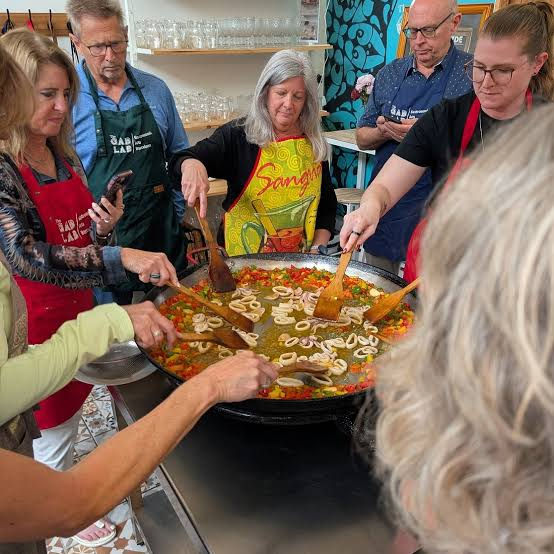
A chef who lets you chop, stir, and plate instead of just watching
Small groups where everyone gets a turn at the pan
Instructors who share real stories about Catalan food culture
Flexible menus for vegetarian, vegan, and allergy needs
Sangria or wine included as part of the meal
A sit-down meal at the end, eaten together as a group
Notice how few of these points mention the food itself. Guests judge a paella class mostly on how included and engaged they felt, not just on taste.
Common Complaints Found in Barcelona Paella Cooking Class Reviews
No class is perfect, and honest reviews tell you where things go wrong. Watch for these red flags before you book.
Groups too large for one instructor to manage properly
Classes that turn into a chef demonstration with little hands-on time
High prices for a short session with basic ingredients
Confusing meeting points in Barcelona's old town alleys
Rushed pacing that skips the story behind the dish
If you see the same complaint in five or six recent reviews, believe it. One bad review might be a bad day. A repeated pattern is a structural problem with that class.
Pay close attention to the date of any complaint too.
A school might have fixed a staffing problem from eight months ago, or a new manager might have shrunk group sizes after guests pushed back. Recent reviews carry more weight than old ones, so weigh a cluster of complaints from last month far more heavily than a single gripe from two years back.
Types of Paella Classes You Will Find in Barcelona
Not every paella class is built the same way. Understanding the format helps you match the experience to your trip. Some schools run one fixed format all week, while others offer several formats side by side, so read the listing carefully rather than assuming every session runs the same way.
Standard Group Classes
You join a shared session with other travelers, usually eight to fifteen people. These classes work well for solo travelers and couples who want to meet other people while they cook.
Private and Small Group Classes
Families and small friend groups often prefer a private group class where the pace, menu, and language stay tailored to just your party. Reviewers consistently rate private sessions higher for personal attention and flexibility around dietary needs.
Market Tour Combo Classes
These pair a walking tour of La Boqueria with the cooking session. You shop for the ingredients yourself, learn how to pick fresh seafood, then head to the kitchen. First time visitors to Barcelona tend to rate this format highest because it doubles as a cultural tour.
Corporate and Team Building Workshops
Companies visiting Barcelona for conferences or offsites often book a team building workshop. Teams split into small groups, each responsible for one pan, which naturally builds communication and a shared sense of achievement.
A Typical Barcelona Paella Cooking Class, Hour by Hour
Reviews often describe the flow of a class in vague terms, so here is a realistic timeline pulled from common patterns across group and market tour combo classes.
Minute 0 to 15: Meet your chef and group, get a short introduction to the day
Minute 15 to 60: Walk through La Boqueria, choose seafood, meat, and vegetables
Minute 60 to 90: Arrive at the kitchen, wash hands, get your station assigned
Minute 90 to 150: Prep the sofrito, portion the rice, and build the broth
Minute 150 to 195: Cook the paella together, finishing with the socarrat crust
Minute 195 to 240: Sit down, eat as a group, and enjoy sangria or wine
Private and premium classes often stretch each stage out further and add an extra course, such as a starter tapa or a dessert like crema catalana. Corporate workshops usually compress the timeline into two to three hours to fit around a conference schedule.
What to Wear and Bring to Your Class
Comfortable closed toe shoes, since kitchens can have wet or slippery floors
Clothes you do not mind getting a little oil or broth on
A reusable water bottle, especially for market tours in warm months
A note of any allergy written down, in case of a language gap
Cash for tips, since card tipping is less common in small Barcelona kitchens
Most schools provide aprons and any equipment you need, so you rarely have to bring tools of your own. Confirm this detail in the booking email if you are unsure.
Barcelona Paella Cooking Class Reviews Compared
Here is a general comparison based on common class formats. Exact prices shift with season, group size, and venue, so treat these as a starting range rather than a fixed quote.
Class type | Group size | Duration | Price range | Best for |
Standard group class | 8 to 15 | 3 hours | 65 to 85 EUR | Solo travelers, couples |
Private class | 2 to 6 | 3 to 4 hours | 90 to 150 EUR pp | Families, special occasions |
Market tour combo | 6 to 12 | 4 hours | 85 to 110 EUR | First time visitors |
Premium masterclass | 4 to 10 | 3 to 4 hours | 100 to 160 EUR | Food enthusiasts |
Team building workshop | 10 to 40 | 2 to 3 hours | Custom quote | Companies, groups |
What a Top Rated Paella Class Actually Includes
Reviewers who describe an ultimate paella cooking class experience tend to mention the same building blocks. The class sources ingredients fresh, often that same morning. You prepare your own sofrito base, the slow cooked mix of tomato, garlic, and onion that gives paella its depth.
You learn correct rice to broth ratios, and you get hands-on time building the socarrat, the crisp toasted rice layer at the bottom of the pan that separates home cooking from restaurant quality.
The best classes end with a shared meal, not a rushed tasting. You sit down, eat what you made, and talk with your group. That final course is where most five-star reviews come from.
Photos and short videos of that final table shot up again and again in guest galleries, plates steaming, sangria glasses half full, and a group of new friends leaning in for one last picture before heading back out into the city. That single detail, a genuine sit down meal rather than a rushed sample plate, separates the classes people rave about from the ones they simply rate as fine.
Premium Masterclasses vs Standard Paella Classes
A premium paella masterclass differs from a standard class in a few clear ways. Group sizes stay smaller, chefs often hold professional culinary credentials, and the venue itself becomes part of the experience, think rooftop terraces or restored historic kitchens rather than a plain classroom.
Wine or cava pairing chosen to match the dish
One on one coaching at each stage of cooking
Higher end ingredients such as fresh langoustine or artisan rice
A more polished venue with better photo opportunities
Standard classes still deliver a genuinely good paella and a fun afternoon. Choose premium when you want extra polish, a special occasion setting, or a smaller group for a deeper learning experience.
Reviewers who book premium sessions for anniversaries, birthdays, or honeymoons tend to mention the setting almost as often as the food. A rooftop with a skyline view or a restored building in the old town adds a layer of memory that a plain teaching kitchen cannot match.
If you are celebrating something specific during your trip, filter your search toward classes advertised as a masterclass or premium experience, then confirm the venue details before you pay.
Neighborhoods Where Paella Classes Take Place
Where a class happens shapes the experience almost as much as who teaches it. Barcelona's paella schools cluster in a few distinct areas, each with its own character.
Ciutat Vella, the old town, close to La Boqueria and easy to reach on foot
Gracia, a leafy, residential feel with a slower, local pace
Sarria, a quieter uptown district known for smaller boutique style kitchens
The waterfront and Barceloneta, popular for rooftop and terrace venues
If your hotel sits in the old town, a Ciutat Vella class saves you travel time before and after. If you are staying uptown, look for a class in Gracia or Sarria so you are not crossing the whole city after a long day of sightseeing.
How Much Should You Budget for a Paella Class
Expect to pay between 65 and 160 euros per person depending on format, group size, and season. Summer months and weekend slots book faster and sometimes carry a premium. Private and premium classes cost more per head but often include extra courses, drinks, and a smaller group.
Compare that price against a sit down paella dinner at a tourist restaurant, and the cooking class usually wins on both value and memory.
Tipping is optional in Spain but appreciated for a good class. Reviewers who mention tipping usually leave five to ten euros per person for a group class, or a slightly larger amount for a private chef who spent the whole afternoon focused on just their party. Bring small cash notes so you are not stuck asking for change at the end of a great afternoon.
How to Choose a Class Based on Reviews: A Checklist
Check the total review count and how recent they are
Look for the same instructor names mentioned repeatedly and positively
Search for the words hands on rather than demonstration
Confirm the group size guests describe matches what you want
Look for mentions of dietary flexibility if you have restrictions
Read at least one negative review, not just the top five star ones
Check that the meeting point is described clearly and easy to find
Questions to Ask Before You Book
A quick message to the operator before booking saves you from surprises on the day. Ask these directly.
Is this class hands-on, or will the chef do most of the cooking?
How many guests will share each paella pan?
Can you accommodate my allergy or dietary restriction?
What exactly is included in the listed price?
Where precisely do we meet, and what happens if I run late?
Booking Your Own Barcelona Paella Cooking Class
Once you know which format fits your trip, you can book a paella class directly and lock in your preferred date. Weekday afternoons tend to have more availability than weekend evenings, so book early if your travel dates are fixed.
You can find the full range of formats, from group sessions to private and corporate options, on the Gastronomic Arts Barcelona website.
The History Behind the Dish You Are Learning to Cook
Understanding paella's origins on Spain's eastern coast gives extra meaning to your class. The dish began as farm and field food, cooked outdoors over an open fire using whatever rice, vegetables, and proteins were on hand that day.
Barcelona classes adapt the technique for a home or restaurant kitchen while keeping the core method intact, a wide shallow pan, a slow built broth, and rice that cooks without stirring so it forms that prized crisp bottom layer.
You will also notice a friendly rivalry mentioned in some reviews between Valencia's traditional recipe and Barcelona's more seafood forward version. Traditional Valencian paella uses rabbit, chicken, and green beans, while the Catalan coast leans toward mixed seafood or a combination version guests often call paella mixta.
Most Barcelona classes teach the seafood or mixed style, since that is what the local market stalls supply best, but a good chef will explain the difference so you understand which tradition you are actually learning.
Where Barcelona Fits Into Spain's Food Culture
Cooking classes give you a direct entry point into local food traditions that guidebooks only describe from a distance. Spain's official tourism board highlights food
experiences as one of the top reasons travelers extend their stay in Catalonia. A paella class packs market shopping, technique, history, and a shared meal into one afternoon, which explains why it appears on so many Barcelona itineraries.
How to Read Online Reviews Like a Pro
Review platforms such as Tripadvisor host thousands of opinions on Barcelona cooking classes, and not all of them carry equal weight. Use these habits to filter signal from noise.
Sort by most recent first, since instructors and management can change
Weigh long, detailed reviews above short one line comments
Check guest photos, since they often show real group size and portions
Read how the business responds to criticism, not just praise
Compare a handful of listings side by side rather than trusting just one
Different platforms attract slightly different review habits. A quick side by side view helps you know what to expect from each source.
Platform | Typical review style | Best used for |
Tripadvisor | Long, descriptive, travel focused | Reading detailed guest stories |
Google reviews | Short, quick star ratings | Checking overall volume and average |
Booking platforms | Verified purchase reviews only | Confirming the listing is legitimate |
Direct website | Curated, often fewer negative reviews | Seeing highlight photos and menus |
No single platform tells the whole story. Cross check a listing on at least two sources before you commit, especially for a private or premium class where the price is higher.
Language, Group Dynamics, and Accessibility
Barcelona attracts visitors from every corner of the world, and most established paella schools run classes in English, with Spanish or Catalan available on request. Reviewers rarely mention language as a barrier, since cooking itself communicates across languages once the chef starts demonstrating a technique.
If you or someone in your group needs a class conducted in a specific language, confirm this detail directly with the operator before booking rather than assuming from the general listing.
Ask about wheelchair access if the kitchen is on an upper floor without an elevator
Mention any mobility needs so the chef can adjust standing time at the stove
Request a smaller group slot if social anxiety or sensory sensitivity is a concern
Confirm whether a companion who is not cooking can still join the meal
Group dynamics also shape the experience more than most people expect going in. Solo travelers often say the shared cooking station is what turned strangers into dinner companions by the end of the class.
If you prefer to keep to your own party the whole time, a private class removes that variable entirely.
Review Themes That Keep Showing Up, Trip After Trip
Read enough Barcelona paella cooking class reviews and you start to see the same story told by different travelers. A family celebrates a birthday and the chef adjusts the menu without being asked twice.
A solo traveler joins a group class and leaves with new friends from three different countries. A couple on their honeymoon books a rooftop masterclass and mentions the view almost as much as the food.
None of these stories are unique on their own, but together they show what this experience consistently delivers, connection, hands-on skill, and a meal you actually helped create.
Signs an Operator Actually Listens to Feedback
A school's response to reviews tells you almost as much as the reviews themselves. Look for these signals before you book.
Thoughtful replies to negative reviews rather than silence or generic copy paste answers
Evidence that a past complaint led to a real change, such as smaller group sizes
Direct answers to guest questions about allergies or accessibility in the comments
A consistent tone across responses, suggesting one owner or manager stays involved
An operator who engages seriously with feedback is more likely to fix a problem quickly if something goes wrong during your own class.
Frequently Asked Questions About Barcelona Paella Cooking Class Reviews
Are Barcelona paella cooking classes worth the price?
Most reviewers say yes, especially when you compare the cost to a sit down paella dinner plus the added value of the market tour, the cooking lesson, and the shared meal.
What rating should I look for before booking?
Aim for a class with a rating above 4.5 out of 5 and at least fifty reviews. That volume gives you a realistic picture rather than a handful of early reviews from friends and family.
Should I book a private class or a group class?
Choose private if you want a tailored pace, a special occasion setting, or you are traveling with a large family. Choose a group class if you want to meet other travelers and prefer a lower price per person.
Do these classes accommodate vegetarians, vegans, and allergies?
Most established schools in Barcelona can adjust the menu with advance notice. Always confirm your restriction directly with the operator before you pay, rather than assuming from the general listing description.
How far ahead should I book?
Book at least one to two weeks ahead during spring and summer. Popular time slots, especially evenings and weekends, sell out faster than you might expect.
Is a market tour worth adding to the class?
Reviewers who add the market tour almost always call it a highlight rather than filler. Walking through La Boqueria with a local chef teaches you how to judge freshness in seafood and produce, a skill that carries well beyond the class itself.
Can children join a paella cooking class?
Many families report success with kids around ten years and older, especially in private classes where the pace can slow down for younger hands. Always mention children's ages when you book so the chef can plan safe, age appropriate tasks like stirring or garnishing.
Ready to Book Your Barcelona Paella Cooking Class
You now know what real reviews reveal about Barcelona's paella classes, what to look for, what to avoid, and how much to expect to pay. Match the format to your trip, ask the right questions before you pay, and read past the star rating into the actual details guests share.
A few extra minutes of research turns a random booking into a genuinely well matched afternoon. Think about who you are traveling with, how hands-on you want to be, and what kind of setting fits the occasion.
Whether you pick a lively group class near the market or a private rooftop session for a special celebration, the pattern in the reviews stays the same, guests remember the people and the process more than any single ingredient.
Do your homework now, and your own review will likely read just as well as the ones that convinced you to book in the first place.



Comments