
Seasonal Catalan Recipes: A Guide to Eating with the Calendar

Catalan cuisine is a celebration of the land and sea. The best cooking is simple and respects the ingredients. You can taste this in every dish.
The problem is that many visitors miss the seasonal side of Catalan food. They order the same dishes year-round. The food is good, but it could be better.
The solution is to eat with the seasons. Local ingredients change throughout the year. Each season brings unique flavors and dishes. This is how locals eat. It is the most authentic and delicious way to experience Catalan cuisine.
This article explores seasonal Catalan recipes. You will learn what to eat in each season. You will discover the key ingredients and dishes. You will understand the philosophy of seasonal eating.
The Philosophy of Seasonal Eating
Seasonal eating is a core part of Catalan food culture. The Catalan people celebrate the arrival of new ingredients each season. They respect the natural cycle of the land.
Why Eat Seasonally?
There are many reasons to eat this way. The taste is better. Vegetables and fruits at their peak have more flavor. The texture is also better.
It is more sustainable. You support local producers and reduce your carbon footprint. The food has traveled a shorter distance to your plate.
It is also healthier. Seasonal produce is packed with nutrients. It is at its most nutritious right after it is picked.
A Deep Connection to the Land
The Catalan region has a deep connection to its land and sea. The Mediterranean provides fresh seafood. The hillsides provide game and vegetables. The coast provides salt and spices. This connection is what makes Catalan cooking special.
The recipes reflect this relationship with the seasons. You will not find heavy stews in the summer. You will not find light salads in the winter. Each season has its own distinct character.
Spring: A Time of Rebirth
Spring is the season of renewal. The days get longer. The weather gets warmer. The markets fill with vibrant, green produce.
Key Spring Ingredients
Artichokes: A quintessential spring vegetable. They are tender and flavorful. You can eat them grilled, roasted, or in a stew.
Broad Beans: These are a favorite in Catalan cooking. They are often served with ham and mint. They are a perfect side dish.
Peas: These sweet, fresh peas are a treat. They are used in stews or simply cooked with ham and onions.
Asparagus: Wild asparagus is a prized ingredient. It is foraged in the countryside. It has a more intense flavor than cultivated asparagus.
Fresh Fish and Seafood: Spring is a great time for fish. You will find fresh sardines and anchovies. The seafood is also excellent.
Classic Spring Dishes
Escalivada: This is a dish of roasted vegetables. It typically includes eggplant, peppers, and onions. You roast them until they are soft and smoky. It is served at room temperature.
Paella de Verduras: A vegetable paella. It is a lighter version of the classic dish. It showcases the spring vegetables perfectly. It is a celebration of the season.
Calçots: This is a specific type of green onion from Catalonia. They are grilled over a fire. You dip them in romesco sauce. This is a traditional springtime event.
Summer: The Height of Flavor
Summer is a time of abundance. The sun is strong. The produce is at its peak flavor. The cuisine is light and fresh.
Key Summer Ingredients
Tomatoes: The star of the summer. They are sweet, juicy, and full of flavor. They are used in salads, sauces, and on bread. Pan con tomate is a quintessential summer dish.
Peppers: Both sweet and hot peppers are plentiful. They are grilled, roasted, or used in salads. They add color and flavor to any dish.
Zucchini: This is a versatile summer vegetable. It is grilled, sautéed, or used in stews. It is light and refreshing.
Fresh Seafood: Summer is the best time for fresh seafood. You will find grilled sardines, anchovies, and prawns. Paella is also a popular choice for a summer meal.
Stone Fruits: Peaches, apricots, and cherries. They are perfect for desserts. They are also eaten fresh as a snack.
Classic Summer Dishes
Paella: A summer classic. It is often cooked outdoors. The seafood version is especially popular. It is a dish for sharing with friends and family.
Esqueixada: This is a salted cod salad. It is a refreshing summer dish. It includes tomatoes, onions, and olives. It is dressed with olive oil and vinegar.
Suquet de Peix: This is a fish stew. It is a rich and flavorful dish. It is made with fresh fish, potatoes, and almonds. It is a taste of the Mediterranean.
Autumn: The Harvest Season
Autumn is a time of abundance and flavor. The weather begins to cool. The cuisine becomes more hearty and warming.
Key Autumn Ingredients
Mushrooms: A huge variety of wild mushrooms. They are foraged in the forests. They are used in stews, with rice, or simply fried.
Game: This is the season for game birds. You will find partridge, quail, and duck. They are roasted or braised.
Winter Squash: Pumpkins, butternut squash, and other squash. They are roasted or used in soups. They are sweet and comforting.
Grapes: The grape harvest is in autumn. The grapes are used for wine and for eating. You can also find them in desserts.
Olives: The olive harvest begins in autumn. You will find fresh olives in the markets. They are a perfect snack.
Classic Autumn Dishes
Escudella: This is a hearty winter stew. It is a combination of meat, vegetables, and pasta. It is a classic Catalan dish.
Coca de Recapte: This is a savory flatbread. It is topped with seasonal vegetables. It often includes peppers, onions, and anchovies.
Amanida de Camagroc: A typical Catalan autumn salad. It includes escarole, salt cod, and anchovies. It is dressed with a simple vinaigrette.
Winter: Comfort and Warmth
Winter is a time for comfort food. The weather is cold. The cuisine is rich and warming.
Key Winter Ingredients
Game Meats: Venison, wild boar, and rabbit. They are a staple of winter cooking. They are braised or roasted until tender.
Winter Vegetables: Cabbage, leeks, and root vegetables. They are used in soups, stews, and roasts.
Legumes: Beans, chickpeas, and lentils are a key source of protein. They are a core ingredient in many winter dishes.
Sausages: Botifarra, a Catalan sausage, is a winter favorite. It is served with white beans or as a tapa.
Shellfish: Mussels, clams, and prawns are often in season. They are used in stews and soups.
Classic Winter Dishes
Escudella i Carn d'Olla: This is the classic Catalan winter stew. It is a rich broth with meat, vegetables, and pasta. It is a true comfort food.
Faves a la Catalana: This is a broad bean stew. It is made with sausage and pork. It is a hearty and filling dish.
Canelons: These are baked pasta tubes. They are filled with meat and bechamel. They are a traditional winter meal.
Seasonal Catalan Recipes: A Guide to Ingredients and Dishes
This table summarizes the key ingredients and dishes for each season.
Season | Key Ingredients | Classic Dishes |
Spring | Artichokes, Broad Beans, Peas, Asparagus | Escalivada, Paella de Verduras, Calçots |
Summer | Tomatoes, Peppers, Zucchini, Fresh Seafood | Paella, Esqueixada, Suquet de Peix |
Autumn | Mushrooms, Game, Winter Squash, Grapes | Escudella, Coca de Recapte, Amanida de Camagroc |
Winter | Game Meats, Winter Vegetables, Legumes | Escudella i Carn d'Olla, Faves a la Catalana, Canelons |
The Mediterranean Connection
The Catalan diet is a part of the Mediterranean diet. This is a way of eating recognized for its health benefits. It is based on fresh, seasonal, and local ingredients. It is the key to Catalan cooking.
You can learn more about the cultural importance of this diet from UNESCO's listing of the Mediterranean Diet.
How to Experience Seasonal Cooking
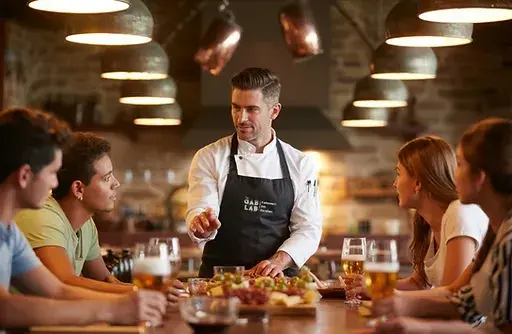
You can eat seasonally in Barcelona. The markets are a great place to start. You can also take a cooking class to learn to prepare seasonal dishes.
Learn the Classics
A paella cooking class is a great way to start. You can learn the classics. You can also learn about the top 10 classic tapas dishes every foodie should know. This will help you appreciate the variety of Catalan cuisine.
Explore the History
You can also learn about the history of tapas. This will deepen your understanding of the culture. It will also show you the evolution of the region's food.
Beyond Paella
You can also explore other aspects of the cuisine. A premium paella masterclass Barcelona offers a deeper dive.
Resources
Spain's Official Tourism Website - Offers information on Spanish food culture and travel.
Your Seasonal Adventure Awaits
You now understand the importance of seasonal eating in Catalonia. You know what to eat in each season. You know the key ingredients and dishes.
Your next step is to eat with the calendar. Visit the markets. Try the seasonal specials. Take a cooking class. Your taste buds will thank you.
Book Your Culinary Experience
Ready to cook with the seasons? Book a class to bring the flavors of the Catalan calendar home with you.


Comments