
Can Partners Request Customized Menus for Their Clients?

Yes, partners can request customized menus for their clients. This is not a special favor. It is a standard part of the service offered by professional culinary experience providers like Gastronomic Arts Barcelona.
The ability to customize is one of the main reasons partners choose to work with a private cooking class provider. It allows them to offer a unique, tailored experience that meets the specific needs and preferences of their clients.
What Menu Customization Includes
Menu customization goes beyond simply choosing a dish. It involves adapting the entire culinary experience to fit the client's requirements.
Dietary Accommodations. This is the most common request. Chefs can adapt menus for vegetarian, vegan, gluten-free, dairy-free, and allergy-friendly diets. They can also accommodate religious dietary requirements, such as halal or kosher, with advance notice.
Ingredient Preferences. Clients may have specific preferences. Some love seafood and want it featured prominently. Others prefer meat or poultry. The menu can be adjusted to focus on their favorite ingredients.
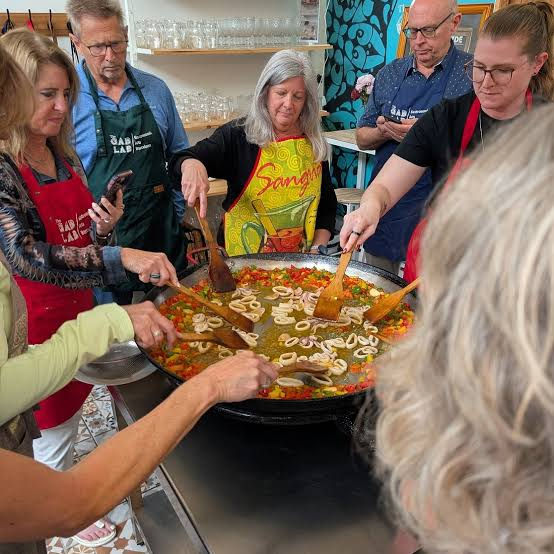
Cuisine Selection. While the core experience is often Spanish or Catalan cuisine, clients can focus on specific styles. A group might want to specialize in seafood paella, tapas, or traditional Catalan dishes. The menu can reflect this.
Seasonal Focus. The menu can be designed around seasonal ingredients. This ensures the freshest and most flavorful dishes. It also highlights the connection to local Catalan cuisine.
Branding and Theming. For corporate groups, the menu can be themed to align with a brand or a specific event concept. This adds a layer of personalization and reinforces the event's purpose.
Level of Difficulty. The menu can be adjusted for the group's skill level. Beginners might focus on simpler techniques. Experienced cooks might tackle more complex dishes.
The Customization Process
The process is designed to be straightforward and collaborative.
Partner Contacts the Provider. The partner reaches out to the provider with the client's requirements. This can be done through email, phone, or the partnership page.
Provider Discusses Options. The provider works with the partner to understand the client's needs and preferences. They discuss menu options, ingredient availability, and any constraints.
Menu is Proposed. The provider proposes a customized menu for the client. This includes the dishes, the ingredients, and any special instructions.
Partner Approves. The partner reviews the proposed menu and approves it. They can request changes if needed.
Menu is Finalized. The provider confirms the final menu. This includes any dietary accommodations and specific ingredient requests.
Experience is Delivered. The client attends the cooking class and enjoys their customized menu.
Examples of Customized Menus
Example 1: The Corporate GroupA tech company requests a menu for a team-building event. They want a fun, interactive experience that focuses on modern Spanish cuisine. The menu includes a tapas workshop with a twist: a challenge to create the most innovative tapas. The chef guides the group, emphasizing creativity and teamwork.
Example 2: The Luxury FamilyA family celebrating a milestone anniversary requests a luxury menu. They want a private paella class with premium ingredients. The menu includes lobster paella, a selection of fine wines, and a special dessert to mark the occasion. The chef also includes a short history of paella and its role in Catalan culture.
Example 3: The Dietary RestrictionsA client has a group with multiple dietary needs: vegetarian, gluten-free, and a nut allergy. The provider designs a menu that accommodates all these requirements without compromising on flavor. The result is a safe and delicious experience for everyone.
What Gastronomic Arts Barcelona Offers
Gastronomic Arts Barcelona is well-equipped to handle menu customization.
Professional Chefs. Their chefs are experienced in adapting menus for diverse needs. They understand the importance of flavor and presentation.
Fresh Ingredients. They use fresh, high-quality ingredients. This allows for flexibility in menu design.
Accommodating Allergies. They have protocols in place to prevent cross-contamination.
Cultural Authenticity. They maintain the authenticity of Spanish and Catalan cuisine while accommodating dietary preferences.
The Bottom Line
Partners can absolutely request customized menus for their clients. It is a standard, expected part of the service. The provider's willingness and ability to customize is a major reason to choose a private culinary experience over a standard restaurant meal.
The process is collaborative and straightforward. The partner communicates the client's needs, the provider proposes a solution, and the result is a unique, memorable culinary experience that meets the client's requirements.
Get Started Today:
Explore the partnership page to learn more.
Read the guide on how hotels can partner with a cooking class in Barcelona .
Discover referral program options .
Resources :
Learn more about Barcelona's food culture from Barcelona Tourism .
Explore Spanish culinary traditions on Spain.info .
Discover influencer marketing insights from the World Food Travel Association .



Comments