
Can Partners Book Culinary Experiences Throughout the Year?

Yes, partners can book culinary experiences throughout the entire year. This is a standard feature of the partnership model offered by professional culinary experience providers like Gastronomic Arts Barcelona.
The ability to book year-round is essential for partners who need to offer consistent, reliable experiences to their clients, regardless of the season. Whether it is a peak summer tourist season or a quieter winter month, the provider should be available to deliver high-quality experiences. The short answer is clear, but the practicalities of year-round booking involve understanding availability, seasonal variations, logistics, and how to plan effectively.
This guide explores the full scope of year-round booking, from seasonal menus to planning strategies, ensuring partners can confidently offer culinary experiences at any time.
Year-Round Availability: What It Means
Most professional culinary experience providers in Barcelona operate throughout the year. They do not close for extended periods. This allows partners to book experiences at any time, provided they plan ahead.
Key Points:
Classes are available daily, or at least on a regular weekly schedule.
Availability may be more limited during major holidays, but the provider will be open for most of the year.
The provider can adapt to different seasons, using seasonal ingredients and adjusting the menu.
Practical Implications:
A hotel can offer a cooking class as a consistent guest activity, regardless of the month.
A corporate planner can schedule team-building events at any time of year.
A tour operator can include a cooking class in itineraries year-round.
Seasonal Variations: The Menu Changes, the Experience Continues
While the provider is available year-round, the experience itself may vary by season. This is a benefit, not a drawback. It keeps the experience fresh and aligned with the best ingredients available.
Spring: Fresh and Light
Spring is a time of renewal. The markets fill with fresh vegetables, herbs, and the first seafood of the season. Menus may feature:
Fresh peas and broad beans. These are a staple of Catalan spring cuisine.
Artichokes. A versatile vegetable that appears in many dishes.
Baby seafood. The first catches of the season, such as small squid and shrimp.
Light broths and soups. Reflecting the transition from winter to warmer weather.
Spring Class Focus: A spring paella might use fresh peas and artichokes. A tapas class could focus on seasonal vegetables and light seafood dishes.
Summer: Peak Flavor and Tourism
Summer is peak season for tourism and for many ingredients. The sun brings out the best in tomatoes, peppers, and eggplants.
Tomatoes. At their sweetest and most flavorful.
Peppers. Both sweet and hot varieties are in abundance.
Eggplants. A key ingredient in many Catalan dishes.
Seafood. Summer is the best time for many types of seafood, including prawns, mussels, and clams.
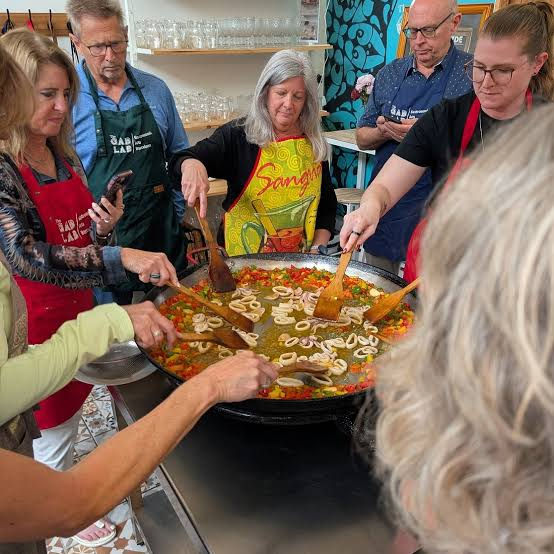
Summer Class Focus: Seafood paella is a summer classic. A tapas class might feature gazpacho, a cold tomato soup, and other refreshing dishes.
Autumn: Earthy and Rich
Autumn is the season for mushrooms, game, and heartier dishes. The weather cools, and the food becomes more substantial.
Wild mushrooms. A prized ingredient in Catalan cuisine.
Game birds. Such as partridge and quail.
Nuts and dried fruits. Used in both savory and sweet dishes.
Heartier stews. Reflecting the cooler weather.
Autumn Class Focus: A paella class might feature wild mushrooms. A tapas class could include game dishes and rich, slow-cooked meats.
Winter: Comfort and Celebration
Winter is a time for comfort food. Menus may include heartier stews, roasted meats, and dishes that highlight the season's citrus and root vegetables.
Root vegetables. Such as carrots, parsnips, and potatoes.
Citrus fruits. Oranges and lemons are at their best.
Hearty stews. Slow-cooked dishes that warm from the inside.
Holiday specialties. Many classes feature special dishes for Christmas and New Year.
Winter Class Focus: A paella class might feature a richer, meat-based paella. A tapas class could focus on hot, comforting dishes.
Planning for Year-Round Bookings
Year-round availability requires year-round planning. Partners need to think ahead, especially for peak seasons and large groups.
Peak Season Planning (Summer)
Summer is the busiest time for tourism in Barcelona. Demand for cooking classes is high. Partners should:
Book Early. Secure dates at least 2-3 months in advance.
Confirm Availability. Check with the provider regularly.
Consider Weekdays. Weekends book up faster.
Off-Season Planning (Winter)
Winter is a quieter time. This offers advantages for partners:
More Flexibility. Easier to secure preferred dates.
Potential Discounts. Some providers offer lower rates for off-season bookings.
Smaller Groups. Easier to accommodate smaller groups.
Holiday Periods
Major holidays, such as Christmas and New Year, require special attention.
Book Very Early. Holiday periods book up quickly.
Check Holiday Hours. Confirm if the provider is open on specific dates.
Special Menus. Many providers offer special holiday menus.
How to Book Year-Round: A Step-by-Step Process
The booking process is straightforward and can be done at any time.
1. Plan Ahead. While you can book at any time, planning ahead is essential, especially for large groups or peak seasons. Determine your desired dates and group size.
2. Contact the Provider. Reach out to the provider through their preferred method, such as their partnership page . Provide details about your group and your preferred dates.
3. Confirm Availability. Check the provider's availability for your desired dates. They will confirm if they can accommodate your group.
4. Finalize Details. Work with the provider to finalize the menu, group size, and any special requirements.
5. Confirm Booking. Once all details are confirmed, finalize the booking. This may involve a deposit or full payment.
Why Year-Round Booking Matters
Consistent Offering. Partners can offer a reliable, consistent activity to their clients throughout the year. This is essential for hotels, tour operators, and corporate event planners.
Revenue Stability. Year-round availability allows partners to generate revenue consistently, not just during peak seasons.
Client Satisfaction. Clients appreciate having a reliable option, regardless of when they visit.
Seasonal Variety. The seasonal variation keeps the experience fresh and interesting, encouraging repeat bookings.
Frequently Asked Questions
Can I book a culinary experience in December?
Yes. Most providers operate throughout the year, including December.
Is the menu the same in winter and summer?
No. Menus often change with the seasons to reflect the best available ingredients.
How far in advance should I book?
For large groups or peak seasons, book as far in advance as possible. For smaller groups or off-season, 2-4 weeks is often sufficient.
Are there any months when the provider is closed?
Most providers are open year-round, but may be closed on major holidays.
Can I book a class for a group in January?
Yes. January is a great time for a cooking class, especially for corporate groups.
Does the experience change with the seasons?
Yes. The menu and ingredients will change seasonally to reflect what is fresh and available.
The Bottom Line
Partners can book culinary experiences throughout the year. This provides reliability, consistency, and revenue stability. The seasonal variations in the menu ensure the experience remains fresh and aligned with the best ingredients available. Planning ahead is essential to secure your preferred dates and ensure a smooth experience.
Get Started Today:
Explore the partnership page to learn more.
Read the guide on how hotels can partner with a cooking class in Barcelona .
Discover referral program options .
Resources :
Learn more about Barcelona's food culture from Barcelona Tourism .
Explore Spanish culinary traditions on Spain.info .
Discover influencer marketing insights from the World Food Travel Association



Comments