
Cooking Class vs Wine Tasting for Corporate Team Building Barcelona

You are planning a corporate event in Barcelona. You want something memorable. You want to build team connections. You are considering a cooking class or a wine tasting.
This is a common dilemma for event planners. The problem is choosing between two excellent options. Both offer unique benefits. Both create shared experiences.
This guide compares cooking class vs wine tasting for corporate team building Barcelona. You will understand the strengths of each activity. You will learn what to expect. You will make an informed decision for your team.
Why Corporate Team Building Matters
Team building is essential for modern companies. It improves workplace relationships. It boosts morale and productivity.
The Benefits of Team Building
Stronger communication between colleagues
Improved problem-solving skills
Increased trust within teams
Better collaboration on projects
Reduced workplace stress
Enhanced employee engagement
Why Barcelona is Perfect for Corporate Events
Barcelona offers an ideal setting for corporate events. The city has excellent infrastructure. The food culture is world-class. The weather is pleasant year-round.
Reasons to Choose Barcelona
Direct international flights
Extensive hotel options
Professional event venues
Rich culinary traditions
Vibrant city atmosphere
Great transport connections
Understanding the Options: Cooking Class vs Wine Tasting
What is a Corporate Cooking Class?
A cooking class is a hands-on culinary experience. Teams work together to prepare a meal. Professional chefs provide guidance. The group then enjoys their creation.
What Happens in a Cooking Class
You arrive at a professional kitchen. Chefs welcome your group. You receive an overview of the menu. You divide into teams.
Each team prepares a dish. You learn techniques from the chefs. You work together to complete the meal. The atmosphere is lively and interactive.
After cooking, you sit down together. You eat the meal you prepared. This is a key moment for connection. You share stories and laughs.
Team Building Benefits of Cooking Classes
Cooking classes promote collaboration. Teams must coordinate their efforts. They assign tasks and work together. This mirrors workplace dynamics.
Communication is essential in the kitchen. You share information and give instructions. You provide feedback to teammates. This improves interpersonal skills.
Problem-solving occurs naturally. You encounter challenges. You adapt and find solutions. This builds resilience and creativity.
What is a Corporate Wine Tasting?
A wine tasting is a guided experience. Participants sample different wines. They learn about wine production and regions. They develop their palates.
What Happens in a Wine Tasting
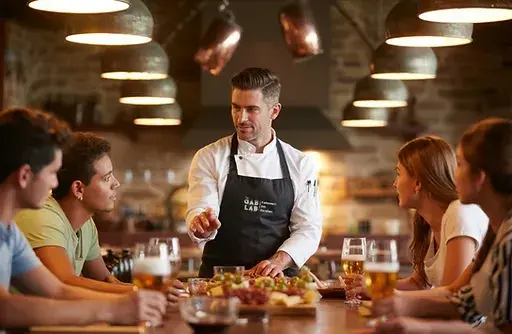
You arrive at a wine venue. A sommelier welcomes your group. They provide an introduction to wine. You learn about grape varieties and regions.
You taste 4-6 different wines. The sommelier explains each one. You learn to identify flavors and aromas. The experience is educational and relaxed.
Some tastings include food pairings. This enhances the experience. It allows for further discussion. The atmosphere is sophisticated.
Team Building Benefits of Wine Tastings
Wine tastings encourage conversation. Participants discuss their impressions. They share their preferences. This builds social connections.
The shared experience creates bonds. You experience something new together. This forms a collective memory. It provides topics for future conversation.
The relaxed atmosphere reduces tension. It allows for informal interaction. This can improve team dynamics.
Cooking Class vs Wine Tasting: A Direct Comparison
This table compares the key features of each activity.
Feature | Cooking Class | Wine Tasting |
Activity Type | Hands-on, interactive | Guided, educational |
Duration | 3-4 hours | 2-3 hours |
Team Focus | Collaboration, communication | Discussion, socialising |
Skill Development | Culinary skills | Wine knowledge |
Physical Activity | Standing, moving | Seated |
End Result | Shared meal | Shared knowledge |
Atmosphere | Lively, energetic | Relaxed, sophisticated |
Best For | Active learners | Social learners |
1. The Cooking Class: A Deep Dive
The Structure of a Corporate Cooking Class
A corporate cooking class follows a proven format. This ensures a successful experience.
1. Arrival and Welcome
Your group arrives at the cooking venue. Chefs welcome you warmly. They explain the class format. They divide teams.
The atmosphere is informal. This helps people relax. It encourages participation.
2. The Cooking Session
Teams begin preparing their dishes. Chefs demonstrate techniques. They provide guidance and support.
The session lasts 2-3 hours. It is structured yet flexible. Teams work at their own pace.
3. The Shared Meal
The group sits down to eat together. This is the highlight of the experience. Everyone shares the meal they prepared.
This is when the team connection happens. People relax and enjoy the food. They discuss their experiences.
Menu Options for Corporate Cooking Classes
Most venues offer multiple menu choices. This allows you to select something appropriate.
Traditional Spanish Menu
This is a popular choice. Teams learn to cook Spanish classics. This includes paella, tapas, and sangria.
Sample Menu
Tapas: Patatas bravas, croquetas
Main: Paella with seafood or chicken
Dessert: Crema catalana
Drinks: Sangria, wine
This menu connects teams with local culture. It provides a complete culinary experience.
Flexible Menu Options
Many venues offer flexibility. You can choose dishes that suit your group. You can accommodate dietary restrictions.
Common Options
Vegetarian menus
Vegan menus
Seafood-focused
Meat-focused
Gluten-free options
Key Benefits of a Cooking Class for Team Building
1. Hands-On Engagement
Cooking classes are active. Everyone participates. You cannot be a passive observer.
This ensures full engagement. Team members must contribute. They cannot simply watch.
2. Collaborative Problem-Solving
Cooking involves many challenges. Dishes may not go to plan. Teams must adapt.
This mirrors workplace situations. It builds problem-solving skills. It encourages creative thinking.
3. Communication and Coordination
Cooking requires teamwork. You assign tasks. You coordinate timing. You share information.
This improves communication skills. Teams learn to work together efficiently. They develop clearer processes.
4. Shared Achievement
You create something together. You see the results of your work. You sit down and enjoy the meal.
This provides a sense of achievement. Teams feel proud of their efforts. This builds confidence.
5. Relaxed Atmosphere
Cooking is enjoyable. It is not competitive. It is social and fun.
This reduces workplace stress. It allows for genuine interaction. It creates positive associations.
Specific Outcomes from a Cooking Class
Improved team communication
Better collaboration skills
Enhanced problem-solving abilities
Increased trust among colleagues
Shared positive memories
Practical culinary skills
2. The Wine Tasting: A Deep Dive
The Structure of a Corporate Wine Tasting
A corporate wine tasting follows a set format. This ensures a smooth experience.
1. Arrival and Introduction
Your group arrives at the venue. A sommelier welcomes you. They explain the session structure. They provide an overview of the wines.
The setting is usually refined. This creates a sophisticated atmosphere.
2. The Tasting Session
Participants taste 4-6 wines. The sommelier explains each one. You learn about the region, grape, and style.
You taste the wines yourself. You identify flavors and aromas. You compare your impressions with others.
This is the core activity. It is the focus of the experience.
3. Discussion and Learning
The sommelier encourages discussion. You share your impressions. You ask questions and learn.
This creates a shared learning experience. You learn from the sommelier and from each other.
4. Optional Food Pairing
Some tastings include food. This can be simple snacks or a full meal. This enhances the experience.
Food pairing encourages further discussion. It introduces new sensory experiences. It makes the tasting more complete.
Wine Selection for Corporate Tastings
The wine selection is a key element. It should suit your group and occasion.
Spanish Wine Focus
This is the most common choice. Participants taste wines from Spain. This connects to the local culture.
Sample Selection
White: Albariño (Rías Baixas)
Red: Rioja or Ribera del Duero
Sparkling: Cava (Penedès)
Sherry: Fino (Jerez)
This offers variety and education. It introduces participants to Spanish wine.
Themed Tastings
Some venues offer themed tastings. These focus on a specific region or style.
Theme Options
Regional focus: Priorat, Ribera del Duero
Grape focus: Tempranillo, Garnacha
Style focus: Sparkling, fortified
Vintage comparison
Key Benefits of a Wine Tasting for Team Building
1. Relaxed Social Atmosphere
Wine tastings are sophisticated and relaxed. Participants can be themselves. The setting encourages conversation.
This is ideal for social interaction. People can discuss and learn. They can share opinions.
2. Shared Learning Experience
Everyone learns together. The sommelier teaches the group. You learn about wine regions and production.
This creates a shared experience. It provides common knowledge. It gives people a new skill.
3. Encourages Conversation
The tasting encourages discussion. You share impressions of the wine. You ask questions and learn.
This builds social connections. It provides topics for conversation. It creates a comfortable environment.
4. Low Physical Demand
Wine tastings require little physical activity. You are seated. You taste and discuss.
This is ideal for all fitness levels. It is accessible for everyone. It avoids any potential stress.
5. Sophisticated Experience
Wine tastings feel special. They are cultural and refined. They provide a sense of occasion.
This can be impressive for guests. It creates a memorable event. It reflects well on the company.
Specific Outcomes from a Wine Tasting
Better social connections
Shared cultural knowledge
A new appreciation of wine
Increased comfort in social settings
Relaxed, memorable experience
3. Which Activity is Best for Your Team?
This depends on several factors. You should consider your team's profile and preferences.
Consider Your Team's Personality
Active vs. Relaxed
Do your colleagues enjoy hands-on activities? Do they like to be active? A cooking class is a good choice.
Do they prefer a more relaxed setting? Do they enjoy conversation? A wine tasting is a better option.
Competitive vs. Collaborative
Cooking classes are collaborative. There is no competition. Teams work together to create a meal.
Wine tastings are social. There is no competition. It is about sharing and learning.
Novices vs. Enthusiasts
Do your colleagues have existing culinary knowledge? Are they willing to learn? Cooking classes are suitable for beginners.
Do they have wine knowledge? Are they interested in learning? Wine tastings are also suitable for beginners.
Consider Your Event Objectives
Building Communication
Both activities improve communication. Cooking classes require verbal coordination. Wine tastings encourage social conversation.
For specific communication skills, cooking classes are more direct. Teams must communicate clearly to complete tasks.
Celebrating Success
For a celebration, wine tastings are sophisticated. They create a sense of occasion. They feel like a reward.
Cooking classes can also be celebratory. They are fun and engaging. They create a shared achievement.
Learning New Skills
Cooking classes teach practical skills. Participants learn to cook. They take recipes home.
Wine tastings teach cultural knowledge. Participants learn about wine. They develop their palates.
Practical Considerations
Time Available
Cooking classes typically last 3-4 hours. Wine tastings last 2-3 hours. Choose based on your schedule.
Budget
Both activities have variable costs. Consider your budget per person. Factor in any additional services.
Group Size
Cooking classes work well for groups of 10-30. Wine tastings can accommodate more. Check with venues for capacity.
Dietary Restrictions
Cooking classes can accommodate dietary needs. Inform the venue in advance. They will prepare appropriate menus.
Wine tastings have fewer dietary concerns. Food pairings can be adjusted. Alcohol is the primary focus.
4. Combining Both Experiences
You do not have to choose. You can combine both activities.
Option 1: Cooking Class with Wine
This is the most popular combination. You take a cooking class. The class includes wine or sangria.
This provides the best of both worlds. You get the hands-on cooking experience. You also get the wine experience.
Option 2: Wine Tasting with Paella
This is a popular combination. You have a wine tasting. You then enjoy a paella meal.
This is less active than a cooking class. But it still provides a meal experience. It is a good compromise.
Option 3: Separate Events
You can schedule separate events. Have a cooking class on one day. Have a wine tasting on another.
This provides two distinct experiences. It breaks up a multi-day event. It offers variety.
5. How to Choose the Right Venue
For a Cooking Class
Look for professional kitchens. They should have experienced chefs. They should have good group capacity.
What to Look For
Professional equipment
Experienced instructors
Group capacity
Flexible menus
Dietary accommodation
Location and accessibility
For a Wine Tasting
Look for venues with knowledgeable sommeliers. They should have a good wine selection. They should have appropriate space.
What to Look For
Certified sommelier
Good wine selection
Group capacity
Atmosphere and setting
Food pairing options
Location and accessibility
6. The Gastronomic Arts Barcelona Experience
Gastronomic Arts Barcelona offers both options. They provide a high-quality team building experience.
Their Cooking Classes
They offer award-winning cooking classes. The classes are hands-on and interactive. Chefs provide expert guidance.
You can book the Ultimate Paella Cooking Class Experience. This is their most popular class.
You can also book the Premium Paella Masterclass Barcelona. This offers a more in-depth experience.
They offer private group cooking classes. This is ideal for corporate events.
They also offer team building workshops. These are designed for professional groups.
They can accommodate partnerships for larger events.
What Past Guests Say
Many teams have enjoyed these classes. You can read Barcelona paella cooking class reviews. These provide real feedback.
Travelers rate the experience highly. They praise the chefs and the atmosphere. They appreciate the hands-on format.
7. Integrating Your Team Building with Barcelona
You can combine your activity with other experiences. This makes your event more complete.
Explore Barcelona's Food Culture
You can learn about the best time to visit Barcelona. This helps you plan your trip.
You can discover things only locals know Barcelona. This provides insider tips.
You can explore the best things to do in Barcelona. This helps you plan other activities.
Experience Different Neighbourhoods
You can find the best food activities in El Born Barcelona. This is a trendy neighbourhood.
You can read about the best neighbourhoods for food in Barcelona. This helps you choose where to explore.
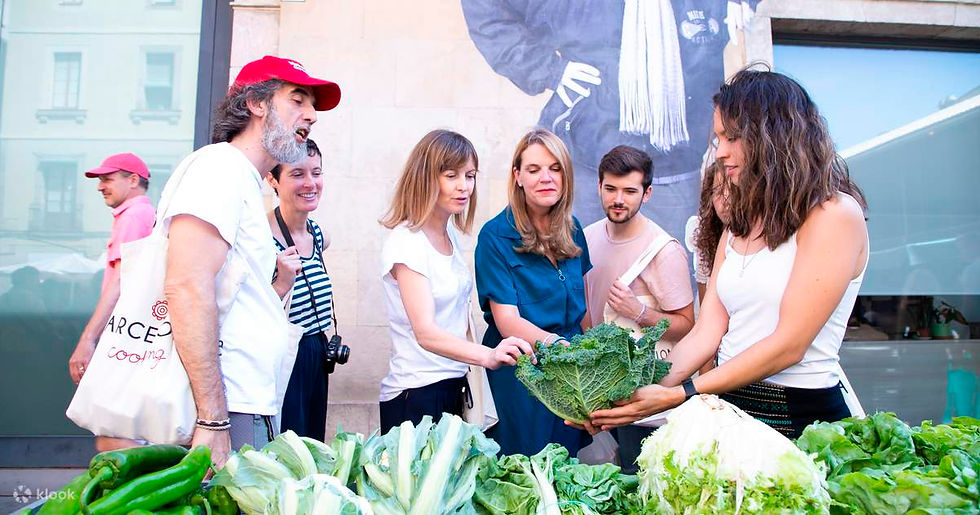
Combine Tours and Classes
You can compare a walking food tour vs cooking class Barcelona. This helps you decide.
You can read what to expect on a food tour. This provides more details.
You can find the best food tours Barcelona. This gives you options.
You can explore a food tour starting in Gothic Quarter Barcelona. This is a historic area.
8. Comparison Table: Cooking Class vs Wine Tasting
Aspect | Cooking Class | Wine Tasting |
Primary Focus | Hands-on cooking | Guided tasting and learning |
Team Interaction | High, collaborative | Moderate, conversational |
Key Activity | Preparing and cooking food | Sampling and discussing wine |
Physical Demand | Standing, active | Seated, relaxed |
Skill Development | Culinary techniques, teamwork | Wine knowledge, palate |
End Result | A shared meal | Shared knowledge and experience |
Atmosphere | Energetic, busy | Sophisticated, relaxed |
Suitable for | Active learners, collaborators | Social learners, conversationalists |
Group Size | Best for 10-30 | Can accommodate larger groups |
Duration | 3-4 hours | 2-3 hours |
9. Making Your Decision: Which is Best?
Choose a Cooking Class If...
You want an active, hands-on experience.
You want to improve team collaboration.
You want a tangible result (a meal).
Your team enjoys working together.
You want a lively, energetic atmosphere.
Choose a Wine Tasting If...
You want a relaxed, social experience.
You want to encourage conversation.
You want to learn about wine culture.
Your team prefers a sophisticated setting.
You have a larger group or limited time.
10. Final Recommendations
For New Teams
A cooking class is a good choice. It requires close collaboration. It breaks down barriers quickly.
For Established Teams
Both options are good. A wine tasting encourages socialising. A cooking class deepens collaboration.
For Mixed-Ability Groups
Wine tastings are more inclusive. They require no prior knowledge. They suit all fitness levels.
For Multi-Day Events
Consider both. Have a cooking class on one day. Have a wine tasting on another. This provides variety.
11. Next Steps
1. Define Your Objectives
What do you want to achieve? What skills do you want to build? What atmosphere do you want?
2. Assess Your Team
What is their personality? What do they enjoy? What are their limitations?
3. Choose Your Activity
Select the best option for your team. Consider the factors discussed.
4. Book Your Venue
Contact Gastronomic Arts Barcelona for a quote. Book your preferred activity and date.
5. Plan Your Event
Coordinate logistics. Confirm all details. Enjoy your team building experience.
13. Your Team's Adventure Awaits
You now have a clear comparison. You understand the options. You can make an informed choice.
Barcelona offers a perfect setting for corporate events. The city is vibrant and welcoming. The food culture is world-class.
Choose cooking class vs wine tasting for corporate team building Barcelona. Create an unforgettable experience. Build stronger connections in your team.
Your Barcelona adventure starts now.



Comments