
How Can Hotels Partner with a Cooking Class in Barcelona?
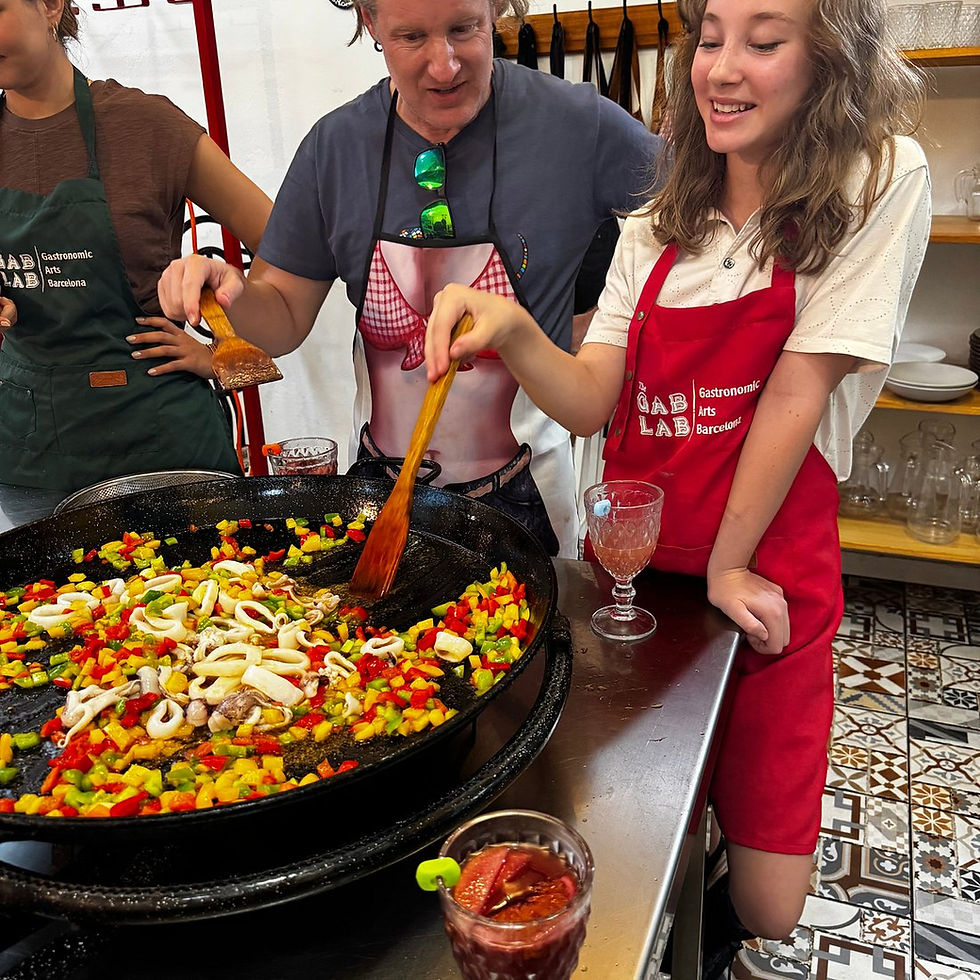
Barcelona's tourism industry is fiercely competitive. Hotels are constantly seeking unique ways to stand out, enhance guest experiences, and drive revenue. One powerful yet often overlooked strategy lies in culinary partnerships.
The problem is clear. Many hotels offer generic recommendations or basic concierge services, missing the opportunity to provide truly memorable, immersive experiences. They struggle to differentiate themselves in a saturated market.
The solution is a strategic partnership with a premier culinary experience provider like Gastronomic Arts Barcelona. This guide explores how hotels can partner with a cooking class in Barcelona, creating a win-win scenario that delights guests and boosts hotel profitability.
By the end of this article, you will have a comprehensive framework to develop, implement, and promote a successful hotel-culinary partnership, answering the crucial question: how can hotels partner with a cooking class in Barcelona?
Why Hotels Should Partner with a Cooking Class in Barcelona
Modern travelers crave authentic, immersive experiences over passive sightseeing. A 2023 study by Booking.com found that 72% of global travelers want to experience local culture through food. By partnering with a cooking class, hotels can directly meet this demand.
Key Benefits for Hotels:
Enhanced Guest Satisfaction: Offering a unique, hands-on cooking class creates lasting memories. Guests return home with more than just souvenirs; they bring stories and skills. This translates directly to higher guest satisfaction scores and glowing reviews.
Increased Revenue Streams: Partnerships open new revenue channels. Hotels can earn commissions on bookings, upsell packages at check-in, and create premium guest experiences that command higher nightly rates. This is a low-risk way to boost ancillary income.
Competitive Differentiation: In a city with over 2,000 hotels, standing out is essential. A curated culinary partnership positions your hotel as a curator of authentic local experiences. It becomes a key selling point that attracts discerning travelers.
Improved Guest Loyalty: Guests who have a memorable, unique experience are more likely to return and recommend the hotel. Partnerships create an emotional connection to your brand, driving repeat bookings.
Leveraging Hotel Assets: Hotels possess valuable assets: a lobby, a concierge, a website, and a guest database. A partnership allows you to monetize these assets effectively by promoting and booking the experience.
Strengthened Brand Image: Associating your hotel with a top-rated, award-winning culinary provider like Gastronomic Arts Barcelona (Tripadvisor Best of the Best Winner 2025 & 2026) elevates your own brand's prestige and commitment to quality.
Understanding the Partnership Landscape
Before diving into specific strategies, it's crucial to understand the ecosystem of a culinary partnership.
Key Stakeholders:
Hotel: Provides the platform, marketing, and guest access.
Cooking Class Provider: Delivers the expertise, venue, and experience.
Guests: The end consumers seeking a memorable activity.
Concierge Team: The frontline staff who recommend and book experiences.
Core Elements of a Successful Partnership:
Mutual Benefit: Both parties must gain tangible value, whether through revenue, exposure, or enhanced reputation.
Clear Communication: Establish expectations, booking procedures, and commission structures upfront.
Quality Alignment: The cooking class must meet the hotel's standards of quality and service. This is why partnering with an award-winning provider is essential.
Seamless Integration: The booking process should be easy for guests and staff. Ideally, guests can book directly through the hotel's concierge or online portal.
Marketing Collaboration: Both parties should actively promote the partnership through their channels.
Types of Hotel-Cooking Class Partnerships
Hotels can partner with a cooking class in Barcelona in several ways, depending on their goals, resources, and brand positioning.
Preferred Partner and Referral Programs
This is the simplest and most common partnership model. The hotel recommends a specific cooking class provider to guests, and the provider pays a commission or referral fee for each booking.
How It Works:
The hotel negotiates a commission rate (typically 10-20% of the booking value).
The concierge team recommends the cooking class to guests.
The guest books directly with the provider, mentioning the hotel.
The provider tracks bookings and pays the commission monthly.
Advantages:
Low commitment and easy to implement.
Minimal operational overhead.
Provides an immediate upsell opportunity for the concierge.
Best For:
Smaller hotels or boutique properties.
Hotels testing the waters of culinary partnerships.
Example: A boutique hotel in the Gothic Quarter partners with Gastronomic Arts Barcelona. Their concierge recommends the private group cooking class and earns a 15% commission on every booking.
Exclusive Guest Packages
This model creates curated packages that combine hotel accommodation with a cooking class experience. It offers greater value to guests and higher revenue for both parties.
How It Works:
The hotel and cooking class provider co-create a package (e.g., "3-Night Barcelona Culinary Escape").
The package includes accommodation, the cooking class, and often extras like a market tour or flamenco show.
The package is promoted on the hotel's website and booking platforms.
A fixed price is set, and revenue is shared between the hotel and provider.
Advantages:
Higher average booking value.
Attracts guests specifically looking for a culinary-focused stay.
Creates a unique, differentiated offering.
Builds a closer working relationship with the provider.
Best For:
Mid-sized to large hotels with marketing capabilities.
Hotels targeting foodie travelers and experience-seekers.
Example: A 4-star hotel creates a "Saffron & Sangria Package" including a 2-night stay, a private paella class with Gastronomic Arts Barcelona, and a welcome bottle of cava. The package is marketed on the hotel's website and through travel agents.
Book This Experience: Guests can book this package directly through the hotel, or they can explore what private experiences can groups enjoy in Barcelona for more options.
On-Site Culinary Experiences
For a truly integrated partnership, the cooking class can be hosted partially or fully on the hotel's premises. This is a powerful way to leverage hotel facilities.
How It Works:
The hotel provides a suitable space (e.g., a private dining room, rooftop terrace, or kitchen).
The cooking class provider brings chefs, equipment, and ingredients to the hotel.
Experiences can range from a private cooking demonstration to a hands-on class for small groups.
This can be a one-time event or a recurring offering.
Advantages:
Creates a highly exclusive, VIP experience.
Guests don't need to travel, enhancing convenience.
Generates significant publicity and social media content.
The hotel can charge a premium for this experience.
Best For:
Luxury hotels with event spaces.
Hotels seeking to create a signature guest experience.
Example: A luxury hotel's rooftop terrace hosts a private paella cooking class for up to 12 guests, led by a chef from Gastronomic Arts Barcelona, complete with panoramic city views.
Corporate and MICE Partnerships
Barcelona is a major hub for corporate events and MICE travel. Hotels can partner to offer unique corporate team-building activities for their business guests.
How It Works:
The hotel works with the provider to design corporate packages.
These include team-building cooking challenges, wine tastings, and private dinners.
The hotel's sales team promotes these to corporate clients and event planners.
The provider handles the logistics and facilitation of the activity.
Advantages:
Accesses the lucrative corporate travel market.
Positions the hotel as a one-stop shop for corporate events.
Builds long-term relationships with corporate clients.
Best For:
Business-oriented hotels with conference facilities.
Hotels with an active sales team targeting corporate clients.
Example: A hotel's sales team offers a "Team Building & Tapas" package for corporate groups, including a Corporate Cooking Challenge facilitated by Gastronomic Arts Barcelona. Book the team building workshop for an engaging corporate event.
Co-Branded Marketing Campaigns
This model focuses on joint marketing efforts to promote both brands and drive bookings.
How It Works:
Both parties co-invest in marketing campaigns (e.g., social media ads, email newsletters, influencer collaborations).
Content is co-created, featuring both brands.
Campaigns drive traffic to both the hotel's and cooking class's booking pages.
Costs and returns are shared.
Advantages:
Expands reach to new audiences.
Creates consistent, compelling brand messaging.
Increases brand awareness for both partners.
Best For:
Hotels and providers with established marketing teams.
Partners looking for a long-term, integrated relationship.
Example: Gastronomic Arts Barcelona and a partner hotel create a series of Instagram Reels and blog posts featuring the "Ultimate Barcelona Foodie Stay." The campaign promotes both the hotel rooms and the private group activities, sharing the cost of paid social media ads.
The Gastronomic Arts Barcelona Advantage
When considering how hotels can partner with a cooking class in Barcelona, choosing the right partner is critical. Gastronomic Arts Barcelona stands out as the premier choice for hotels.
Why Gastronomic Arts Barcelona?
Award-Winning Excellence: Recognized with the Tripadvisor Best of the Best Award in 2025 and 2026, they are consistently ranked among Barcelona's top culinary experiences.
Private Experience Focus: They specialize in exclusive, private group experiences, offering the highest level of personalization. Hotels can offer their guests an intimate, VIP activity.
Proven Track Record: With extensive experience hosting corporate events, team building, and family groups, they understand the needs of discerning travelers.
Central Location: Located in the heart of Barcelona, their venue is easily accessible from most hotels in the city center.
Exceptional Customization: From paella and tapas classes to market visits and flamenco nights, every experience can be tailored to a hotel's brand and guest profile. They offer fully customizable experiences to meet any need.
Comprehensive Service: They handle all logistics, including ingredients, professional chefs, and equipment, making the partnership seamless for hotel staff.
Dietary Accommodation: They expertly manage diverse dietary requirements, enhancing guest satisfaction.
Professionalism: Their team is experienced in working with hotel partners, ensuring smooth communication and execution.
Book This Experience: Explore their partnership opportunities to see how they can work with your hotel.
Step-by-Step Guide to Establishing a Partnership
This practical guide outlines the steps for hotels to successfully establish a partnership with a cooking class provider.
Step 1: Identify Your Goals and Objectives
What do you want to achieve? (e.g., increase guest satisfaction, generate extra revenue, differentiate your brand)
What is your target audience? (e.g., luxury travelers, families, corporate groups)
What is your budget and expected ROI?
Step 2: Research and Select a Partner
Research potential cooking class providers in Barcelona.
Evaluate their reputation, reviews, and awards. Check providers like Gastronomic Arts Barcelona.
Assess their experience, professionalism, and range of offerings.
Consider their location and accessibility for your guests.
Read reviews and ask for references.
Step 3: Initiate Contact and Propose a Partnership
Reach out to the provider with a clear proposal.
Outline the type of partnership you are interested in (referral, package, on-site, etc.).
Propose initial terms, including commission rates or revenue sharing.
Be prepared to discuss your hotel's guest profile and marketing capabilities.
Step 4: Negotiate Terms and Agreement
Finalize the details: commission rate, booking procedure, payment terms, and marketing responsibilities.
Discuss exclusivity (if desired).
Address operational details: how bookings are tracked, point of contact, lead times.
Draft and sign a formal partnership agreement.
Step 5: Train Your Team
Educate your front desk and concierge teams about the partnership.
Provide them with brochures, menus, and key selling points.
Train them on how to book the experience and answer guest questions.
Consider having the provider's team conduct a training session.
Step 6: Develop Marketing Materials
Create co-branded flyers, brochures, and digital assets.
Update your hotel website with information about the partnership and packages.
Create a dedicated page for the experience or package.
Coordinate a joint social media campaign.
Step 7: Launch and Promote
Announce the partnership through your marketing channels (email newsletters, social media, press releases).
Feature the experience prominently on your hotel's website and booking confirmation emails.
Encourage your staff to actively promote the offering to guests.
Consider a launch event for corporate clients or travel agents.
Step 8: Monitor, Measure, and Optimize
Track bookings, revenue, and guest feedback.
Review the partnership's performance against your goals.
Hold regular meetings with your partner to discuss performance and improvements.
Adjust pricing, marketing, or the offering based on data.
Marketing Your Culinary Partnership
A great partnership needs effective marketing. Here is how to promote your culinary collaboration.
On Your Hotel Website:
Create a dedicated landing page for the experience.
Use high-quality photos and videos.
Embed a booking widget or direct link to the provider's booking page.
Integrate the experience into your room packages.
In Guest Communications:
Mention the experience in pre-arrival emails.
Include a flyer in the welcome packet.
Train the concierge to recommend it proactively.
Feature it on the in-room TV or app.
Through Social Media:
Share photos and videos of guests enjoying the experience.
Co-host Instagram Lives or Reels with your partner.
Run targeted social media ads.
Use relevant hashtags like #BarcelonaCooking, #HotelesBarcelona, and #GastronomicArts.
With Corporate Clients:
Include the experience in your corporate event proposals.
Host a tasting or preview event for corporate travel managers.
Create a specific brochure for MICE clients.
Using Content Marketing:
Write blog posts about the experience, like this guide.
Create video testimonials from guests.
Partner with food and travel influencers.
Develop a newsletter series featuring the partnership.
Book This Experience: Promote the private group food experience as a must-do activity for your guests.
Measuring Success and ROI
To ensure the partnership is worthwhile, track key performance indicators (KPIs).
Metrics to Track:
Number of Bookings: Total bookings generated through the hotel.
Revenue Generated: Total revenue from commissions and package sales.
Commission Earned: Total commission income from referrals.
Guest Satisfaction: Feedback and reviews related to the experience.
Package Uptake: Number of guests booking packages versus standard rooms.
Concierge Performance: Number of referrals per concierge team member.
Social Media Engagement: Likes, shares, and comments on partnership content.
Website Traffic: Visits to the partnership landing page.
Incremental Revenue: Additional spend by guests who book the experience (e.g., dining, spa).
Calculating ROI:
ROI = (Net Profit / Total Cost) x 100
For example, if you spend €500 on marketing and earn €2,000 in commissions, your ROI is (2000-500)/500 x 100 = 300%.
Regular Review:
Hold quarterly reviews with your partner.
Analyze what is working and what is not.
Adjust your strategy and marketing efforts accordingly.
Frequently Asked Questions for Hoteliers
How can hotels partner with a cooking class in Barcelona?
Hotels can partner through referral programs, exclusive guest packages, on-site experiences, corporate MICE offerings, or co-branded marketing campaigns. The best approach depends on the hotel's size, target audience, and goals. Explore the partnerships page for details.
What are the benefits of partnering with a cooking class?
Benefits include enhanced guest satisfaction, increased revenue, competitive differentiation, improved brand image, and stronger guest loyalty. It allows hotels to offer unique, authentic local experiences.
How much commission should a hotel expect?
Commission rates typically range from 10-20% of the booking value. The exact rate depends on the volume of bookings, exclusivity, and the nature of the partnership.
Can a hotel host the cooking class on-site?
Yes, many hotels with suitable spaces can host on-site cooking classes. This offers a highly exclusive experience for guests and can be a significant differentiator. The provider handles the chefs, ingredients, and equipment.
How do we market the partnership effectively?
Market through your website, guest communications, social media, corporate sales channels, and content marketing. Co-branded materials and a dedicated landing page are essential.
What should we look for in a cooking class partner?
Look for a provider with an excellent reputation, high customer ratings (like Tripadvisor's Best of the Best), professional staff, private experience options, and a willingness to customize for your guests. Gastronomic Arts Barcelona checks all these boxes.
How do we handle bookings and payments?
This depends on the partnership model. For referral programs, guests typically book and pay the provider directly. The hotel invoices the provider for commissions monthly. For packages, the hotel can collect full payment and remit the provider's share.
What if our guests have dietary restrictions?
Partner with a provider that can accommodate dietary needs. Gastronomic Arts Barcelona is experienced in handling vegetarian, vegan, gluten-free, and allergy-friendly requests.
Can we offer this to corporate groups?
Yes! Corporate team-building activities are a fantastic opportunity. Hotels can work with providers like Gastronomic Arts Barcelona to offer team building workshops to their corporate clients.
How do we get started?
Start by researching providers and contacting them with a proposal. Clearly outline your goals, guest profile, and desired partnership model. A good provider will be eager to collaborate.
Conclusion: Elevate Your Hotel with a Culinary Partnership
In Barcelona's competitive hospitality landscape, offering a generic experience is no longer enough. Today's travelers, especially those interested in culinary tourism, seek authentic, immersive, and memorable activities. By strategically partnering with a premier cooking class provider, hotels can meet this demand while driving significant business value.
From simple referral programs to fully integrated on-site experiences, the opportunities are diverse and scalable. The key is to choose a partner that aligns with your brand values and can deliver consistently exceptional experiences. Gastronomic Arts Barcelona, with its award-winning reputation and focus on private, customizable events, is the ideal partner for hotels looking to elevate their guest offerings.
How can hotels partner with a cooking class in Barcelona to create a lasting impact? By focusing on mutual benefit, seamless integration, and relentless marketing, you can transform a simple partnership into a powerful driver of guest satisfaction, loyalty, and revenue.
Key Takeaways for Hoteliers:
Act Now: The demand for authentic experiences is growing. Don't delay in developing a partnership.
Choose Wisely: Select a partner like Gastronomic Arts Barcelona that guarantees quality and professionalism.
Customize: Tailor the offering to your hotel's unique brand and guest profile.
Market Actively: A great partnership needs great promotion.
Measure and Optimize: Track your ROI and continuously improve your offering.
By following this guide, your hotel can unlock a powerful new revenue stream and create unforgettable experiences for your guests. The culinary partnership is not just a trend; it is the future of experiential hospitality in Barcelona.
Take the First Step:
Contact Gastronomic Arts Barcelona: Explore partnership opportunities today.
Define Your Strategy: Determine which partnership model best fits your hotel.
Start Marketing: Begin promoting your unique culinary offering to guests and corporate clients.
Your hotel's journey to becoming a culinary destination starts with a single partnership. Elevate your guest experience and your bottom line today.
Book Your Partnership: Learn more about the best private cooking experiences for groups and private team activities to craft the perfect offering for your guests.



Comments