
What Are the Benefits of Offering Culinary Experiences as Part of a Barcelona Tour Package?

Barcelona is a city of layers. Its architecture, its history, and its food culture are all deeply intertwined. For travel companies, the question is not whether to include culinary experiences, but how to position them within a broader itinerary.
The challenge is that many packages still treat food as an afterthought—a meal at a restaurant, a quick tapas stop, a generic lunch. This approach misses the opportunity to create deeper, more memorable client experiences.
This guide outlines the benefits of offering culinary experiences as part of a Barcelona tour package, from increased revenue to enhanced client satisfaction.
Why Culinary Experiences Matter in Barcelona
Barcelona's food culture is not a side attraction. It is central to the city's identity. Catalan cuisine is distinct, rich, and historically significant. Ignoring it means missing a core part of what Barcelona has to offer.
A culinary experience—particularly a hands-on one like a paella class—transforms a meal into a cultural event. It engages clients in a way that passive sightseeing cannot.
The Key Benefits
1. Enhanced Client Satisfaction
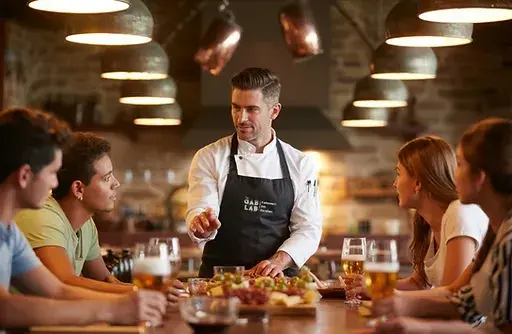
A cooking class is memorable. Clients are not just eating; they are participating. They are learning about ingredients, working with a chef, and sharing a meal they have helped prepare.
The result is a deeper connection to the destination. Clients leave with a story, not just a photograph. This translates directly into higher satisfaction scores and better reviews.
2. Competitive Differentiation
Every travel company offers a tour of the Sagrada Familia and Park Güell. Few offer an authentic paella class with a professional chef. Culinary experiences are a clear point of differentiation.
This differentiation is particularly valuable for DMCs and travel agencies competing for corporate clients and luxury travelers, who are seeking unique, high-quality experiences.
3. Additional Revenue
Culinary experiences allow travel companies to create premium packages with higher margins.
A standard lunch costs a fixed amount. A cooking class can be priced significantly higher.
Add-ons like wine tastings, flamenco shows, and market visits further increase the package value.
Corporate and incentive groups are willing to pay a premium for unique team-building activities.
4. Longer Client Engagement
A cooking class typically takes 3 to 4 hours, from the market visit to the final meal. This is a significant portion of a travel day. It keeps clients engaged and occupied, reducing downtime.
For DMCs, this structured engagement improves the rhythm of the itinerary and reduces the need for filler activities.
5. Repeat Business and Referrals
Clients who have a truly memorable experience are more likely to return or refer others.
A paella class is the kind of activity people talk about. It is a social activity that creates shared memories, making it more likely that clients will recommend the tour to friends and colleagues.
6. Cultural Connection
A cooking class is an education, not just a meal. Clients learn about Spanish history, agriculture, and social customs through the lens of food.
This cultural connection enhances the overall tour. It is not just about seeing Barcelona; it is about understanding Barcelona.
Culinary Experiences That Work in Tour Packages
Paella Cooking Classes: The most popular option. Perfect for groups and families.
Tapas Tours: A more social, walkable experience. Ideal for food-focused clients.
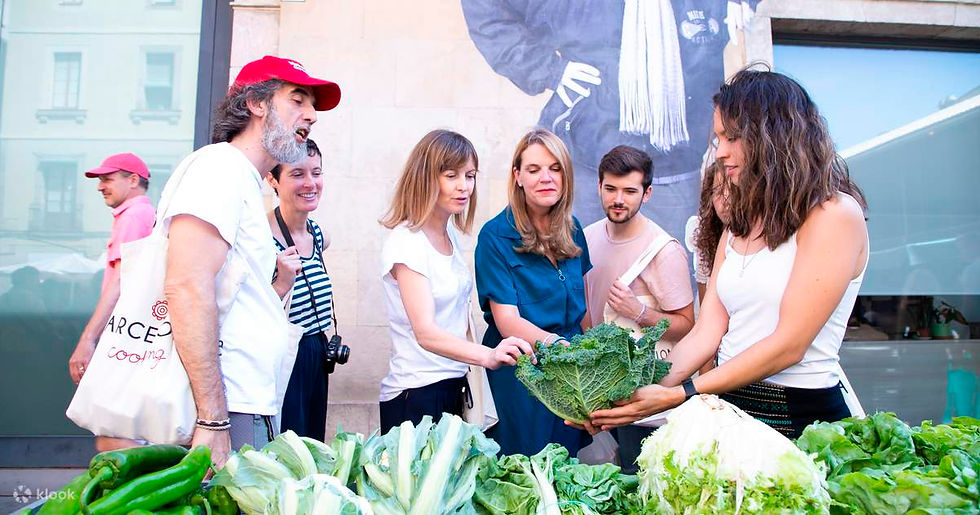
Market Visits and Cooking Classes: Combines a tour of La Boqueria with a hands-on class. This is the most immersive option.
Flamenco and Paella Nights: Combines dinner and entertainment. Ideal for evening events.
How to Position Culinary Experiences to Clients
The messaging should emphasize the unique, authentic nature of the experience.
Sample Language:
"Cook paella with a professional chef in Barcelona's historic district."
"Visit La Boqueria market, select your ingredients, and learn the secrets of Catalan cooking."
"A private culinary experience that connects you to the heart of Spanish culture."
Why Partner with a Specialist Provider
For travel companies, the most efficient way to add culinary experiences is to partner with a specialist provider. The provider handles the venue, the chef, the ingredients, and the instruction.
Gastronomic Arts Barcelona offers private paella classes, tapas classes, and market visits, all designed for groups. They are an award-winning provider specializing in private culinary experiences.
Common Questions
Is a cooking class appropriate for corporate groups? Yes. Cooking classes are excellent for team-building.
What about dietary restrictions? Private classes can be customized for vegetarian, vegan, gluten-free, and allergy-friendly options.
How long does a cooking class take? A standard class, including the market visit and meal, takes 3 to 4 hours.
Can a cooking class be combined with other activities? Yes. Classes can be combined with market visits, wine tastings, flamenco shows, and other cultural experiences.
The Bottom Line
Offering culinary experiences as part of a Barcelona tour package is a straightforward way to enhance client satisfaction, differentiate the offering, and generate additional revenue. It transforms a meal into an event, a side activity into a centerpiece.
For travel companies, the question is no longer whether to include culinary experiences, but how to integrate them effectively. Resources



Comments