
Authentic Spanish Paella Cooking Techniques: A Complete Guide to Traditional Paella Mastery
Updated: Jun 11

Authentic Spanish Paella Cooking Techniques
Spain's most famous rice dish looks simple. Rice, broth, and a few ingredients cooked in one pan.
Many home cooks struggle to achieve the texture, flavor, and crust that define real paella. The rice becomes mushy, the flavors lack depth, and the bottom layer never develops properly.
The solution lies in understanding authentic Spanish paella cooking techniques passed down through generations.
This guide shows you how to choose the right rice, use traditional equipment, build flavor step by step, and create restaurant-quality paella at home.
What Makes Paella Authentic?
Authentic paella is more than a recipe.
It is a cooking method developed in the Valencia region of Spain. Traditional paella relies on specific ingredients, proper rice management, and controlled heat.
Key elements include:
Short-grain Spanish rice
Wide and shallow paella pan
Even heat distribution
Quality stock
Saffron
Proper resting time
Socarrat, the crispy rice layer at the bottom
Many dishes marketed as paella ignore these fundamentals.
Core Principles of Authentic Spanish Paella Cooking Techniques
Principle | Why It Matters |
Correct rice | Maintains texture and absorbs flavor |
Wide pan | Ensures even cooking |
No stirring after adding rice | Prevents creamy texture |
Saffron use | Creates authentic flavor and color |
Proper heat control | Produces even cooking |
Resting period | Allows flavors to settle |
The History Behind Authentic Spanish Paella
Paella originated in Valencia during the 18th century.
Farm workers cooked rice over open fires using ingredients available nearby.
These often included:
Rabbit
Chicken
Green beans
Butter beans
Tomatoes
Olive oil
Saffron
The name "paella" comes from the pan itself.
Today, authentic Valencian paella remains one of Spain's most respected culinary traditions.
For official information about Spanish cuisine and food culture, visit the Spain Tourism Board.
Choosing the Right Rice for Authentic Spanish Paella Cooking Techniques
Rice determines the success of your paella.
Many beginners focus on proteins and seasonings while overlooking the rice.
Best Rice Varieties
Bomba Rice
Benefits:
Absorbs large amounts of liquid
Maintains structure
Difficult to overcook
Calasparra Rice
Benefits:
Excellent flavor absorption
Traditional Spanish variety
Consistent cooking results
Senia Rice
Benefits:
Rich texture
Strong flavor absorption
Popular in Spain
Rice Comparison Table
Rice Type | Absorption | Texture | Traditional Use |
Bomba | High | Firm | Excellent |
Calasparra | High | Firm | Excellent |
Senia | Medium-High | Soft | Very Good |
Arborio | Medium | Creamy | Not Traditional |
Essential Equipment
The right equipment improves consistency.
Traditional Paella Pan
A proper paella pan offers:
Wide surface area
Shallow depth
Even evaporation
Heat Source Options
Heat Source | Performance |
Wood fire | Traditional |
Gas burner | Excellent |
Paella burner | Excellent |
Electric stove | Fair |
Ingredients Used in Traditional Paella
Base Ingredients
Spanish rice
Olive oil
Saffron
Tomatoes
Garlic
Stock
Protein Options
Chicken
Rabbit
Seafood
Mussels
Clams
Shrimp
Vegetables
Green beans
Lima beans
Red peppers
Artichokes
The Importance of Saffron
Saffron is essential.
It contributes:
Distinct aroma
Golden color
Earthy flavor
Without saffron, the dish loses one of its defining characteristics.
The Encyclopaedia Britannica guide to paella explains the historical role of saffron in traditional Spanish cooking.
Step-by-Step Authentic Spanish Paella Cooking Techniques
Step 1: Prepare Ingredients
Organize everything before heating the pan.
This includes:
Measured rice
Warm stock
Prepared vegetables
Seasoned proteins
Step 2: Build the Sofrito
Sofrito forms the flavor foundation.
Ingredients:
Olive oil
Garlic
Tomato
Cook slowly until concentrated.
Step 3: Brown the Proteins
Proper browning creates depth.
Avoid overcrowding.
Cook in batches if necessary.
Step 4: Add Vegetables
Cook vegetables until slightly softened.
Do not overcook.
Step 5: Add Stock and Saffron
Introduce warm stock.
Add saffron and distribute evenly.
Step 6: Add Rice
Spread rice evenly.
After this point:
Do not stir.
This is one of the most important authentic Spanish paella cooking techniques.
Step 7: Control Heat
Cooking timeline:
Time | Heat Level |
First 8 minutes | Medium-high |
Next 8 minutes | Medium |
Final minutes | Low |
Step 8: Create Socarrat
Increase heat briefly near the end.
Listen carefully.
A gentle crackling sound indicates socarrat formation.
Step 9: Rest
Cover lightly with a towel.
Rest for 5–10 minutes.
Understanding Socarrat
Socarrat is the prized crispy layer of rice at the bottom.
Many Spanish chefs consider it the best part of the dish.
Characteristics:
Golden brown
Crisp texture
Nutty flavor
Avoid burning it.
Burnt rice tastes bitter.
Common Mistakes to Avoid
Using Too Much Liquid
Result:
Mushy rice
Stirring After Adding Rice
Result:
Risotto-like texture
Excess Ingredients
Result:
Rice loses prominence
Uneven Heat
Result:
Undercooked sections
Skipping Rest Time
Result:
Less flavor development
Authentic Valencian Paella vs Seafood Paella
Feature | Valencian Paella | Seafood Paella |
Chicken | Yes | No |
Rabbit | Yes | No |
Seafood | No | Yes |
Green Beans | Yes | Optional |
Traditional Origin | Valencia | Coastal Spain |
Learn Authentic Spanish Paella Cooking Techniques in Barcelona
Hands-on learning accelerates progress.
Cooking alongside local chefs helps you understand:
Rice management
Ingredient selection
Heat control
Traditional preparation methods
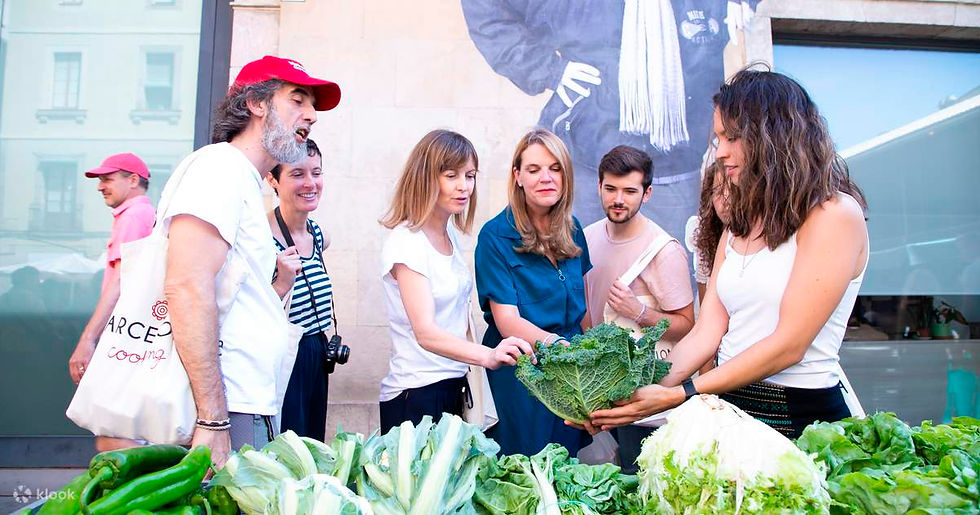
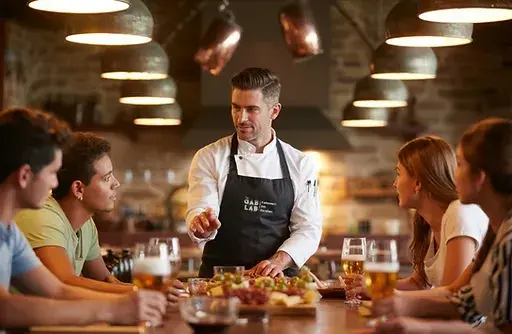
The Barcelona Paella Cooking Class offers an immersive experience where participants prepare authentic paella using traditional techniques.
Visitors looking for broader culinary experiences can also explore Gastronomic Arts Barcelona and its local food-focused activities.
For corporate events, celebrations, and team-building experiences, the private group cooking experiences in Barcelona provide customized paella workshops.
Frequently Asked Questions
What rice is best for authentic paella?
Bomba rice is widely considered the best option because it absorbs flavor while maintaining texture.
Can I make paella without a paella pan?
Yes, but a traditional paella pan produces better evaporation and more even cooking.
Why should you not stir paella?
Stirring releases starch and changes the texture. Authentic paella requires separate rice grains.
What is socarrat?
Socarrat is the crispy caramelized rice layer that forms on the bottom of the pan.
Is seafood paella traditional?
Seafood paella is traditional in coastal regions of Spain, while Valencian paella is the original version.
Final Thoughts
Authentic Spanish paella cooking techniques focus on simplicity and precision.
The rice remains the star.
When you use proper ingredients, control the heat carefully, avoid stirring, and develop socarrat correctly, you create a dish that reflects the traditions of Spain.
Master these techniques, and every paella you make will move closer to the version served in Valencia and throughout Spain.
And if you really want to perfect your paella skills, Gastronomic Arts Barcelona will have you cooking like the professionals in no time.



Comments