
How Gastronomic Arts Barcelona Is Making Culinary Tourism More Sustainable

You book a cooking class in Barcelona. You expect a fun experience. But you might not consider its impact. The food you cook and eat has a story.
Many culinary tourism experiences are not sustainable. They use imported ingredients. They generate waste. They miss the chance to do good.
The solution is to choose a company that cares. Gastronomic Arts Barcelona is a leader in sustainable culinary tourism. They are changing how visitors experience the city's food. This article explains how they are making a difference.
What is Sustainable Culinary Tourism?
Sustainable culinary tourism means you think about the impact of your food choices. It considers the environment, society, and the local economy. It is about eating and cooking in a responsible way.
The Core Principles
Several principles guide sustainable culinary tourism.
Local and Seasonal: Using ingredients grown or produced nearby. This reduces the carbon footprint of your meal. It also supports local farmers.
Reducing Waste: Using all parts of an ingredient. This means less food goes to the landfill.
Supporting Local Producers: Choosing to work with local suppliers. This helps the local economy. It also ensures a more ethical food system.
Education: Teaching people about where food comes from. This builds awareness and appreciation.
Why It Matters
The food industry has a major environmental impact. It is a significant contributor to climate change. Your choices can help.
By choosing sustainable options, you can reduce your impact. You can support a more just and equitable food system. Your vacation can be a force for good.
How Gastronomic Arts Barcelona Is Making Culinary Tourism More Sustainable
Gastronomic Arts Barcelona is a pioneer in this field. They have integrated sustainability into every part of their business.
Sourcing Ingredients Locally
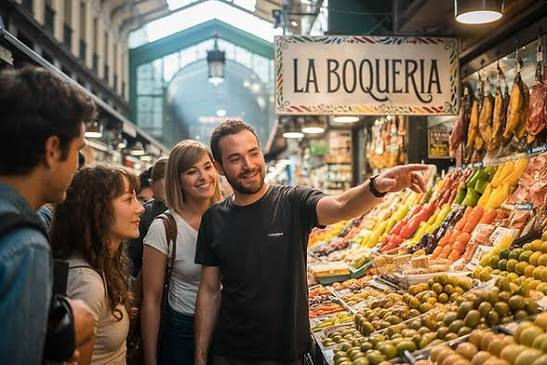
They prioritize local ingredients. They source from La Boqueria Market and other local suppliers. This reduces food miles. It also supports the local economy.
You visit the market as part of the class. This helps you understand the source of your food. You see the local producers. This is a key part of the education.
Focusing on Seasonal Produce
They also focus on seasonal produce. This is the most sustainable way to eat. It ensures the best flavor. It also reduces the environmental impact. Seasonal ingredients often require less energy to produce.
The menu changes with the seasons. This keeps the experience authentic. It also helps you learn about Catalan food culture. You can learn about the history of tapas and how seasonal eating is a tradition.
Minimizing Food Waste
They are also committed to reducing waste. They use whole ingredients. They avoid single-use plastics. This is a crucial part of being sustainable.
They teach you to do the same. You learn to use all parts of an ingredient. You learn to minimize waste in your own kitchen. This is a skill that lasts a lifetime.
Connecting with Local Producers
Gastronomic Arts Barcelona has a direct relationship with producers. They support local farmers, fishermen, and artisans. This creates a positive economic impact.
You can learn more about the cultural importance of these connections from sources like UNESCO's listing of the Mediterranean Diet. This diet is built on local and sustainable principles.
The Role of the Market Tour
The market tour is a key part of the experience. It is not just a fun activity. It is a lesson in sustainability.
A Direct Connection to the Source
You see where the ingredients come from. You see the local producers. You understand the seasonality of the produce. This builds a real connection to the food.
Learning to Choose Quality
You learn to choose quality ingredients. You learn to judge freshness. You learn to ask about the source. This knowledge helps you make more sustainable choices.
Supporting the Local Economy
The market tour also supports the local economy. You are buying from local vendors. Your money goes directly to the producers. This is a powerful way to contribute.
The Cooking Class: A Hands-On Lesson in Sustainability
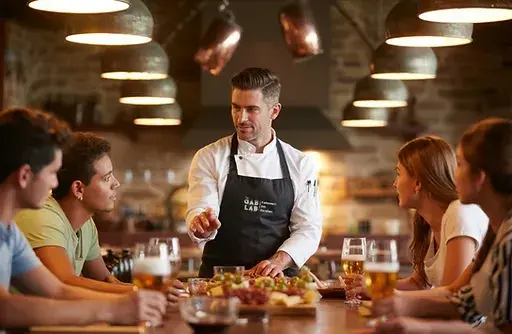
The cooking class is where the learning continues. You learn techniques that reduce waste. You learn to cook with seasonal ingredients.
Using Whole Ingredients
You learn to use whole ingredients. You use the vegetables and the meat. You make stocks and sauces. This minimizes waste.
Cooking Seasonally
You learn to cook with seasonal ingredients. The recipes change with the seasons. This is a fundamental lesson in sustainable cooking.
Reducing Waste at Home
You take these skills home. You learn to make more sustainable choices in your own kitchen. This is a lasting benefit of the class.
A Comparison of Sustainable vs. Non-Sustainable Practices
Factor | Non-Sustainable Practice | Sustainable Practice (Gastronomic Arts) |
Sourcing | Imported, unknown origin | Local, from known producers |
Seasonality | Not considered | Prioritized |
Waste | High, single-use plastics | Minimized, whole ingredients |
Connection | No direct connection | Direct connection to producer |
Impact | High carbon footprint | Low carbon footprint |
Supporting Sustainability as a Traveler
You can also make a difference. Here are some tips for sustainable eating in Barcelona.
Choose Sustainable Experiences
Book experiences like the one offered by Gastronomic Arts Barcelona. You can find more information on the Gastronomic Arts Barcelona website. Their ultimate paella cooking class experience is a great option.
Eat at the Markets
The markets are the heart of sustainable eating. Buy local, seasonal produce. Talk to the producers. This is the best way to support the local food system.
Reduce Your Waste
Say no to single-use plastic. Bring a reusable bag. Choose restaurants that are committed to sustainability. Small changes can make a big difference.
Learn the Classics
Understanding the cuisine helps you make better choices. Learn about the top 10 classic tapas dishes every foodie should know. This knowledge will help you appreciate the quality of the ingredients.
The Future of Culinary Tourism
The future of culinary tourism is sustainable. Travelers want more than a meal. They want a meaningful connection. Gastronomic Arts Barcelona is leading the way.
A Model for the Industry
They are showing that sustainability is good for business. It is also good for the planet. They are a model for other culinary tourism companies.
Creating a Better World
By choosing sustainable experiences, you are part of the solution. You are supporting a more just and equitable food system. You are making the world a better place.
Your Sustainable Journey Awaits
You now understand how Gastronomic Arts Barcelona is making culinary tourism more sustainable. They are sourcing locally, reducing waste, and educating travelers. Your choices matter.
Your next step is to book a sustainable experience. You can learn to cook like a local. You can support the local economy. You can help protect the planet.
Book Your Sustainable Culinary Experience
Ready to make a positive impact with your travel choices? Book a class that prioritizes local ingredients and sustainable practices.



Comments