
Can Travel Agencies Partner with Cooking Classes in Barcelona?

In the competitive world of travel, agencies are constantly seeking unique, high-value experiences to offer their clients. Culinary tourism is booming, and Barcelona stands as one of Europe's premier food destinations.
The challenge for many travel agencies is finding reliable, high-quality local partners. You might worry about quality control, commission structures, or logistical complexities. You might miss out on a lucrative opportunity simply because you don't know where to start.
The answer is a resounding yes. Travel agencies can and should partner with cooking classes in Barcelona. This guide demonstrates exactly how such partnerships work, the immense benefits they offer, and how to establish a successful collaboration.
By the end, you will have a complete framework for creating a profitable partnership that delights your clients and answers the question: how can hotels partner with a cooking class in Barcelona? (and travel agencies too!).
Why Travel Agencies Should Partner with Cooking Classes
Modern travelers are no longer content with passive sightseeing. They crave authentic, immersive experiences that connect them with local culture. Food is one of the most powerful ways to achieve this.
The Rise of Culinary Tourism:
According to the World Food Travel Association, over 80% of travelers seek out local food experiences.
Cooking classes are among the top requested activities for travelers to Spain.
Barcelona is a global culinary hub, attracting food lovers from around the world.
Partnering with a cooking class allows agencies to:
Meet growing client demand for authentic experiences.
Offer unique, bookable activities that enhance itineraries.
Earn additional revenue through commissions or package inclusions.
Differentiate themselves from competitors.
The Benefits of Partnership for Travel Agencies
Partnering with a cooking class offers travel agencies a wide range of advantages.
Enhanced Client Satisfaction
Offering a unique, high-quality experience is a surefire way to delight clients.
Memorable Moments: A cooking class creates lasting memories that clients will cherish.
Authentic Engagement: Clients connect with local culture in a meaningful way.
Positive Reviews: Happy clients are more likely to leave positive reviews and recommend your agency.
Example: A family on a Barcelona trip will remember cooking paella together far more than a standard bus tour.
Additional Revenue Stream
Culinary partnerships create a new, profitable revenue stream for travel agencies.
Commission Income: Earn a commission (typically 10-20%) on each booking.
Package Markups: Incorporate cooking classes into packages and add a service fee.
Upselling: Offer premium experiences (e.g., private flamenco nights) at a higher margin.
Example: An agency that books 50 cooking class clients per month at €150 per person earns €1,125 in monthly commission at a 15% rate.
Competitive Differentiation
In a crowded market, offering exclusive, curated experiences sets your agency apart.
Unique Selling Point: "We offer authentic, private cooking experiences in Barcelona."
Niche Appeal: Attract foodies and experience-seekers.
Value Proposition: Show clients you offer more than just flights and hotels.
Access to Exclusive Experiences
Partnerships often grant access to experiences not available to the general public.
VIP Treatment: Your clients receive priority booking and special perks.
Private Options: Offer exclusive private classes for your clients.
Special Events: Gain access to seasonal or limited-edition experiences.
Simplified Logistics
A good partner handles all the details, making it easy for your agency.
Single Point of Contact: Streamlined communication and booking.
Professional Service: The provider manages ingredients, chefs, and facilities.
Client Support: The provider handles client questions and dietary needs.
Types of Partnerships Available
Travel agencies can partner with cooking classes in several ways, depending on their goals and client base.
Commission-Based Referral Programs
This is the simplest partnership model. The agency recommends the cooking class to clients, and the provider pays a commission for each booking.
How It Works:
The agency signs a partnership agreement.
The agency provides clients with a referral code or booking link.
The provider tracks bookings and pays a commission (usually 10-20%).
Commissions are paid monthly or quarterly.
Advantages:
Low commitment and easy to start.
No operational overhead.
Provides immediate revenue for recommendations.
Best For:
Agencies of all sizes.
Agencies testing culinary partnerships.
Book This Experience: Travel agencies can partner with Gastronomic Arts Barcelona through their partnership program to earn commissions on private group cooking classes.
Exclusive Client Packages
This model creates curated packages that combine travel services with cooking class experiences.
How It Works:
The agency and provider co-create a package (e.g., "Barcelona Culinary Escape").
The package includes accommodation, the cooking class, and often extras.
The package is promoted by the agency and integrated into their offerings.
A fixed price is set, and revenue is shared or the agency adds a markup.
Advantages:
Higher average booking value.
Attracts clients specifically seeking culinary experiences.
Creates a unique, differentiated offering.
Best For:
Agencies specializing in themed or niche travel.
Agencies with strong marketing capabilities.
Example: An agency offers a "Saffron & Sangria" 3-night package including hotel, a private paella class, and a welcome dinner.
Customized Itinerary Integration
Cooking classes are seamlessly integrated into broader, customized itineraries.
How It Works:
The agency includes the cooking class as one component of a multi-day itinerary.
The agency books the class as part of the client's overall travel plan.
The agency earns a commission or includes the cost in the overall package.
Advantages:
Provides a comprehensive, seamless client experience.
Positions the agency as a full-service provider.
Allows for upselling additional activities.
Best For:
Agencies offering fully customized travel planning.
High-end and luxury travel agencies.
Group and Corporate Bookings
Travel agencies specializing in group travel or corporate events can book cooking classes for their clients.
How It Works:
The agency books a private cooking class for a group (family reunion, corporate team, etc.).
The agency receives a commission or a discounted group rate.
The provider handles the logistics for the group.
Advantages:
High-value bookings with significant commission potential.
Builds relationships with corporate and group clients.
Positions the agency as a one-stop shop for group travel.
Book This Experience: Book a team building workshop for corporate groups or a private group cooking class for family reunions.
Co-Branded Marketing Campaigns
For a deeper collaboration, agencies and providers can co-invest in marketing campaigns.
How It Works:
Both parties co-create marketing content (e.g., blog posts, social media ads).
Campaigns promote both the agency's services and the cooking class.
Costs and returns are shared.
Advantages:
Expands reach to new audiences.
Creates consistent, compelling brand messaging.
Increases brand awareness for both partners.
Best For:
Agencies with established marketing teams.
Partners seeking a long-term, integrated relationship.
How Does a Partnership Work?
Understanding the operational mechanics ensures a smooth relationship.
Step-by-Step Process:
Sign Partnership Agreement: The agency and provider sign a formal contract outlining terms, commission rates, payment schedules, and responsibilities.
Receive Marketing Materials: The provider supplies brochures, digital assets, and booking links.
Promote to Clients: The agency recommends the cooking class through its channels (website, email, concierge, etc.).
Client Books: The client books using a unique referral code or link provided by the agency.
Booking Tracked: The provider tracks bookings and attributes them to the agency.
Experience Delivered: The client enjoys the cooking class.
Commission Paid: The provider pays the agency its commission, usually monthly or quarterly.
Key Elements of a Successful Partnership:
Clear Communication: Regular check-ins and updates.
Reliable Tracking: A system to accurately attribute bookings.
Professional Service: The provider delivers a consistently excellent experience.
Marketing Support: Both parties actively promote the partnership.
Why Gastronomic Arts Barcelona Is the Ideal Partner
For travel agencies seeking a reliable, high-quality partner, Gastronomic Arts Barcelona stands out as the premier choice.
Award-Winning Excellence:
Tripadvisor Best of the Best Award Winner in 2025 and 2026.
Consistently ranked among Barcelona's top culinary experiences.
Private Experience Focus:
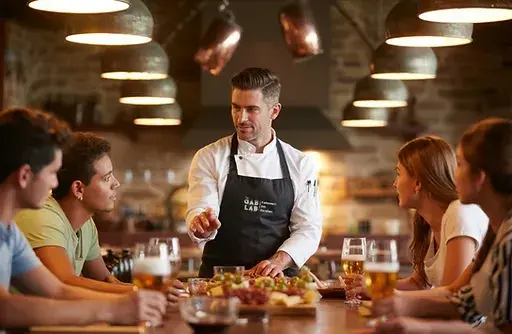
Specialized in exclusive, private group experiences.
Perfect for discerning clients seeking VIP treatment.
Proven Track Record:
Extensive experience hosting clients from around the world.
Expertise in handling group and corporate bookings.
Exceptional Customization:
Every experience can be tailored to client preferences.
Menus, activities, and pacing are fully customizable.
Comprehensive Service:
Handles all logistics: ingredients, chefs, equipment, and cleanup.
Accommodates dietary restrictions with ease.
Professional and Reliable:
Experienced in working with travel agency partners.
Clear communication and dedicated support.
Book This Experience: Explore their partnership opportunities to see how they can work with your agency.
How to Choose the Right Cooking Class Partner
Selecting the right partner is crucial. Use these criteria to evaluate potential providers.
1. Reputation and Reviews:
Check online reviews on platforms like TripAdvisor and Google.
Look for awards and industry recognition.
Read client testimonials and case studies.
2. Experience with Agencies:
Does the provider have experience working with travel agencies?
Are they familiar with commission structures and referral processes?
3. Quality of Experience:
What types of classes do they offer?
Are the chefs professional and experienced?
Is the venue appealing and well-maintained?
4. Customization Capabilities:
Can they tailor experiences for your clients?
Can they accommodate dietary restrictions?
Can they create exclusive packages?
5. Reliability and Professionalism:
Is communication prompt and clear?
Are they organized and responsive?
Do they have clear booking and cancellation policies?
6. Commission Structure:
What are the commission rates?
Are there volume-based incentives?
How and when are commissions paid?
7. Marketing Support:
Do they provide marketing materials (brochures, photos, videos)?
Can they co-brand content?
Do they actively promote the partnership?
Example: An agency should prioritize partners like Gastronomic Arts Barcelona who meet all these criteria, ensuring a positive experience for both the agency and its clients.
Steps to Establish a Successful Partnership
Follow these steps to create a thriving partnership.
Step 1: Define Your Goals
What do you want to achieve? (e.g., increase client satisfaction, generate revenue, differentiate your brand)
What is your target client demographic? (e.g., luxury travelers, families, corporate groups)
Step 2: Research and Select a Partner
Research potential cooking class providers in Barcelona.
Evaluate their reputation, offerings, and agency experience.
Choose a partner that aligns with your brand and goals.
Step 3: Initiate Contact and Propose a Partnership
Reach out to the provider with a clear proposal.
Outline the type of partnership you are interested in (referral, package, etc.).
Propose initial terms, including commission rates.
Step 4: Negotiate Terms and Agreement
Finalize details: commission rate, booking procedure, payment terms.
Discuss marketing responsibilities and support.
Draft and sign a formal partnership agreement.
Step 5: Train Your Team
Educate your sales and booking teams about the partnership.
Provide them with key selling points and booking procedures.
Share marketing materials and client testimonials.
Step 6: Develop Marketing Materials
Co-create brochures, flyers, and digital assets.
Update your website with information about the experience.
Create a dedicated page or section for the offering.
Step 7: Launch and Promote
Announce the partnership through your marketing channels.
Feature the experience in your travel packages and itineraries.
Actively recommend it to relevant clients.
Step 8: Monitor, Measure, and Optimize
Track bookings, revenue, and client feedback.
Review the partnership's performance regularly.
Adjust strategies based on data and client responses.
Marketing Your Cooking Class Offerings to Clients
Effectively promoting the partnership is key to its success.
On Your Website:
Create a dedicated page or section for culinary experiences.
Use high-quality photos and videos.
Include client testimonials and reviews.
Offer easy booking links or contact forms.
In Client Communications:
Mention the experience in pre-trip emails.
Include it in your destination guides and brochures.
Offer it as an add-on during the booking process.
Through Social Media:
Share compelling photos and videos of the experience.
Run targeted ads to foodie and experience-seeking audiences.
Use relevant hashtags like #BarcelonaCooking, #CulinaryTravel, and #GastronomicArts.
For Corporate and Group Clients:
Include the experience in your group travel proposals.
Offer it as a team-building option for corporate clients.
Highlight group booking benefits and exclusivity.
Using Content Marketing:
Write blog posts about the experience.
Create video testimonials from past clients.
Develop case studies showcasing successful bookings.
Book This Experience: Promote the private group food experience as a must-do activity for your clients.
Frequently Asked Questions for Travel Agencies
Can travel agencies partner with cooking classes in Barcelona?
Yes, absolutely. Travel agencies can partner with cooking class providers through referral programs, exclusive packages, itinerary integration, and group bookings. These partnerships are mutually beneficial.
What are the benefits of such a partnership?
Benefits include enhanced client satisfaction, an additional revenue stream, competitive differentiation, access to exclusive experiences, and simplified logistics.
How do travel agencies earn commissions?
Commissions are earned on bookings made through the agency's referral link, code, or direct booking. The provider tracks these bookings and pays a commission (typically 10-20%) to the agency.
What types of cooking classes can we offer our clients?
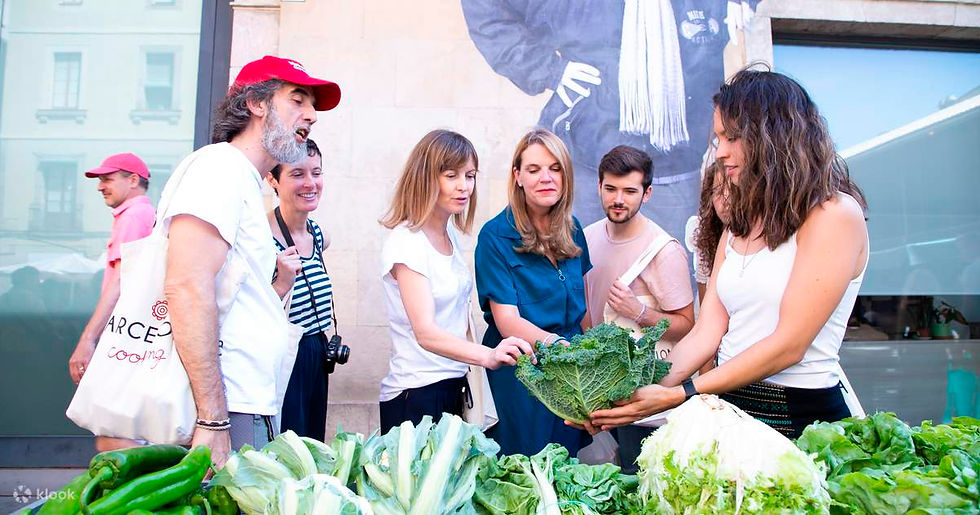
Agencies can offer various classes, including private paella, tapas, market visits, dessert classes, flamenco and paella nights, and wine tastings. Many providers also offer fully customized events.
Do we need to sign a contract?
Yes, most providers require a formal partnership agreement outlining terms, commission rates, booking procedures, and responsibilities. This protects both parties.
Can we create exclusive packages with the cooking class provider?
Yes, many providers offer flexible partnerships that allow you to create exclusive packages. This is a powerful way to differentiate your offerings.
What if our clients have dietary restrictions?
Reputable providers like Gastronomic Arts Barcelona are experienced in handling dietary needs. You can customize menus for vegetarian, vegan, gluten-free, and allergy-friendly options.
How do we market the cooking class to our clients?
Market through your website, client communications, social media, and content marketing. Use high-quality visuals and compelling descriptions to attract interest.
Is there a minimum booking requirement?
This varies by provider. Some programs have minimum requirements, while others do not. This is typically negotiated in the partnership agreement.
What if a client cancels their booking?
Cancellation policies vary by provider. Commissions are generally not paid on canceled bookings. Ensure your clients are aware of the cancellation policy when booking.
Can we partner with multiple cooking class providers?
Yes, you can partner with multiple providers. However, consider whether you want to offer a curated selection or a broad range of options.
What happens after the client books the experience?
The provider handles all the logistics, including ingredients, chefs, and facilities. The agency provides a seamless booking experience, and the provider delivers an excellent experience to the client.
How do we get started?
Start by researching providers and contacting them with a proposal. Clearly outline your agency's goals, client profile, and desired partnership model. A good provider will be eager to collaborate.
Book This Experience: Learn more about how much a private group experience in Barcelona costs to better understand pricing for your packages.
Conclusion: Unlock the Potential of Culinary Partnerships
The question "Can travel agencies partner with cooking classes in Barcelona?" has a clear and affirmative answer. Such partnerships are not only possible but also highly advantageous for agencies seeking to enhance their offerings, delight clients, and increase profitability.
Key Takeaways:
Benefits: Increased client satisfaction, additional revenue, competitive differentiation, and simplified logistics.
Partnership Types: Commission-based referrals, exclusive packages, itinerary integration, group bookings, and co-branded marketing.
Choosing a Partner: Prioritize reputation, experience, quality, customization, reliability, and clear commission structures.
Execution: Follow a step-by-step approach to establish and market the partnership effectively.
Provider: Gastronomic Arts Barcelona is an ideal partner due to their award-winning reputation, private focus, and professionalism.
By leveraging a partnership with a top-tier cooking class provider, your travel agency can offer clients an authentic, memorable taste of Barcelona while building a profitable new revenue stream.
Your Next Steps:
Research Providers: Identify potential partners like Gastronomic Arts Barcelona.
Define Your Strategy: Determine the type of partnership that best fits your agency.
Contact a Partner: Reach out to discuss collaboration opportunities.
Sign an Agreement: Formalize the partnership with a clear contract.
Market and Promote: Start offering the experience to your clients.
Don't miss out on the opportunity to elevate your travel agency's offerings. Partner with a cooking class in Barcelona and unlock the potential of culinary tourism.
Book Your Agency's Partnership Today:



Comments