
HOW TO MAKE SANGRIA : AUTHENTIC SPANISH RECIPE FOR EVERY GATHERING
- Jul 1, 2025
- 27 min read
Updated: Jun 9
Master the Art and Science of Sangria: Revealing the Secrets of Free Pouring vs. Jiggering

INTRODUCTION
Sangria sits at the intersection of simplicity and elegance. This Spanish wine punch combines red wine, brandy, fresh fruit, and sweetness into one refreshing drink that works for any occasion. Many people avoid making sangria at home, thinking it requires special skills or expensive ingredients. The reality is different. You need just five basic components and minimal preparation time. This guide walks you through making authentic sangria from start to finish. You'll learn ingredient ratios, timing secrets, and variations that transform a simple wine drink into a crowd-pleasing centerpiece for your next gathering.
WHAT IS SANGRIA DRINK?
Sangria is a Spanish wine punch made by mixing red or white wine with brandy, fresh fruit, sweetener, and water or carbonated water. The drink combines sweetness with alcohol, creating a refreshing beverage served cold in large pitchers. The name comes from "sangre," meaning blood in Spanish, referring to the drink's deep red color. Originating in Spain, sangria has become popular worldwide for summer gatherings, parties, and casual dining. The drink is simple to prepare and easily customized with different fruits, sweetener types, and spirit choices. You can serve it at restaurants, home entertaining, or casual social gatherings. It appeals to wine drinkers and those seeking something lighter than straight liquor.
THE HISTORY AND ORIGIN OF SANGRIA
Sangria's roots run deep into Spanish culture. The drink emerged during warm months when people needed refreshing beverages that lasted longer than fresh fruit alone. Spanish wine producers mixed their red wine with local brandy, seasonal fruit from orchards, and sweeteners to create a drink that served many people from a single pitcher. The Iberian Peninsula became the birthplace of this tradition, with different regions developing their own versions. Portugal developed similar wine punch drinks, though Spain claims sangria as its signature creation. The drink remained primarily local until the 1960s, when tourism brought Spanish culture to American attention. Spanish restaurants abroad introduced sangria to international diners, and its popularity grew steadily. Today, sangria represents Spanish hospitality and warm-weather entertaining across the globe. The drink bridges old traditions and modern entertaining needs.
WHY SANGRIA IS A SPANISH TRADITION
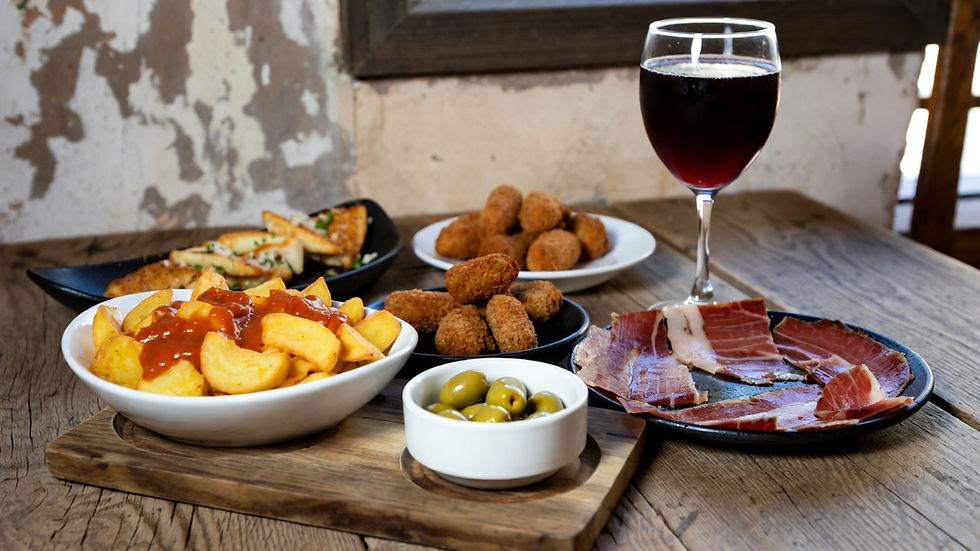
Sangria embodies Spanish values around food, wine, and social gathering. Spain's wine culture stretches back centuries, with regions like Rioja and the Iberian Peninsula producing exceptional red wine. Rather than drink wine alone, Spanish tradition emphasized sharing and community. A pitcher of sangria served more people than individual wine bottles, making it economical for large groups. Sangria pairs perfectly with tapas, the Spanish tradition of small appetizers. The drink's sweetness balances salty, savory appetizers like patatas bravas and cured meats. Spanish restaurants served sangria as a way to extend wine service while adding value through added fruit and flavoring. The combination of brandy and orange liqueur reflected Spanish culinary tradition of mixing spirits with local ingredients. In Spain, ordering sangria signals an understanding of local custom and a commitment to leisurely, social dining. The drink remains central to the Spanish experience of food and wine.
BASIC INGREDIENTS FOR SANGRIA
Your sangria drink recipe starts with understanding each ingredient's role. The foundation is wine, specifically dry red wine or white wine depending on your preference. Spanish wine varieties like Rioja, Tempranillo, or Grenache offer the balanced acidity and flavor depth sangria requires. Brandy adds depth and warmth, raising the alcohol content while introducing vanilla and oak notes. Fresh fruit provides natural sweetness, tartness, and visual appeal. Citrus fruits like oranges and lemons are essential. Optional additions include liqueurs like triple sec or Cointreau, sugar or simple syrup for adjustable sweetness, and sparkling water or club soda for lightness and carbonation.
Red Wine Selection
Choose dry red wines for traditional sangria. Avoid very tannic wines or cheap, low-quality options. Look for wines with 12-14 percent alcohol by volume. Spanish red wine from Rioja region works perfectly. The wine serves as your base, providing color, flavor, and alcohol content. A standard 750ml bottle makes approximately one pitcher of sangria serving six to eight people.
Brandy Types
Spanish brandy is traditional but cognac or other fruit brandies work well. You need 1.5 to 2 ounces per pitcher. Brandy adds warmth and complexity to your sangria drink recipe. Higher quality brandy creates smoother flavor but increases cost. Budget brandy still delivers good results at lower price points.
Fruit Choices
Oranges and lemons are non-negotiable. Add them on day one of preparation. Strawberries, peaches, raspberries, and berries add sweetness and tartness. Different fruits release flavor at different rates. Delicate berries should join later to maintain their character. Count on two to three oranges, one to two lemons, and one cup of mixed berries per pitcher.
Sweeteners and Syrups
White sugar, simple syrup, honey, or agave work equally well. Simple syrup dissolves immediately, while granulated sugar needs three to four hours. Use half a cup of sugar or equivalent sweetener per pitcher. Taste as you go rather than adding all sweetener upfront.
STEP-BY-STEP: HOW TO MAKE CLASSIC SANGRIA
Making sangria is straightforward once you understand the process. Here's exactly how to make sangria that impresses every time.
Step 1: Prepare Your Ingredients
Wash all fruit thoroughly. Slice oranges and lemons into thin rounds, leaving skin on. Pit peaches and cut into bite-sized pieces. Leave berries whole. Pour your brandy into a small measuring glass. This takes about five minutes.
Step 2: Combine Wine and Brandy
Pour your 750ml bottle of dry red wine into a large pitcher. Add 1.5 to 2 ounces of brandy. Stir gently to combine. This forms your alcohol base.
Step 3: Add Sugar
If using granulated sugar, add half a cup directly to the pitcher. If using simple syrup or liquid sweetener, add half a cup. Stir well until sugar dissolves or syrup fully incorporates. This takes two to five minutes depending on sugar type.
Step 4: Add Citrus Fruit
Add your sliced oranges and lemons to the pitcher. Press gently on the fruit to release some juice without crushing completely. This step takes two minutes.
Step 5: Refrigerate for Initial Infusion
Place your pitcher in the refrigerator. Let it sit for at least four hours, ideally overnight. This allows flavors to meld and the wine to absorb fruit essences. At this point, your sangria drink recipe is nearly complete.
Step 6: Add Remaining Fruit
Add berries and stone fruit pieces just before serving. This preserves their fresh character. Add one cup of club soda or sparkling water for lightness and carbonation.
Step 7: Add Ice and Serve
Fill serving glasses with ice. Pour sangria from the pitcher, ensuring each glass gets fruit pieces and liquid. Serve immediately while cold.
Total preparation time: approximately fifteen minutes active work plus four to twenty-four hours chilling time.
THE BEST WINE FOR SANGRIA
Selecting the right wine makes the difference between average sangria and exceptional sangria. Your wine choice affects flavor profile, sweetness level, and alcohol content.
WINE TYPE | ALCOHOL % | BEST FOR | PRICE RANGE | NOTES |
Rioja Red | 13-14% | Traditional approach | $8-15 | Balanced acidity, berry notes |
Tempranillo | 12-14% | Classic preparation | $10-18 | Rich flavors, smooth finish |
Grenache/Garnacha | 13-15% | Bold sangria | $9-14 | Higher alcohol, fruit-forward |
Pinot Grigio | 12-13% | White variation | $8-14 | Light, crisp profile |
Sauvignon Blanc | 12-13% | White sangria | $7-12 | Bright acidity, herbaceous |
Spanish red wines from the Iberian Peninsula dominate sangria preparation for good reason. These wines have acidity and flavor structure that shine in sangria rather than getting lost. Avoid very expensive wines. Sangria masks subtle characteristics of premium wines. Also skip cheap wines under five dollars. These often lack the flavor depth to shine through fruit and brandy additions. Look for wines in the eight to fifteen dollar range. These deliver quality without excessive cost.
Dry red wine is essential. Avoid sweet wines entirely. Sweetness comes from your added fruit and sugar, not from the wine base. A dry red wine's acidity balances the final drink and prevents excessive sweetness.
Temperature matters too. Serve your wine cold before mixing. Cold wine mixes better with chilled fruit and brandy. It also cools your sangria faster.
FREE POURING VS. PRECISE MEASUREMENT IN SANGRIA MAKING
When you make sangria at home, measurement precision affects consistency. Understanding pouring counts and measurement standards helps you create repeatable results.
A standard shot in bartending equals 1.5 ounces, though some bars use 1 ounce or 2 ounce measures. One ounce equals approximately thirty milliliters. A standard pour typically takes three to four seconds when free pouring. Two ounces requires four to six seconds of continuous pouring.
For sangria, precision matters less than for individual cocktails. You're making large pitchers, not individual drinks. Small measurement variations disappear when serving six to eight people. However, understanding proportions helps you scale recipes up or down.
A jigger—a measuring tool with different-sized cups—removes guesswork. Most jiggers have 1 ounce on one side and 1.5 ounces on the other. Using a jigger takes thirty seconds longer per drink but ensures accuracy.
For your sangria drink recipe, use a jigger when adding brandy. Be precise here since brandy provides most of the alcohol and strong flavors. For other ingredients like fruit juice or sparkling water, free pouring is fine.
If you're making sangria for a large gathering, measure your first pitcher precisely, note the results, then free pour subsequent batches based on that first batch.
WHITE SANGRIA RECIPE VARIATION
White sangria offers a lighter, crisper alternative to red sangria. The preparation mirrors the red version but calls for different wine and fruit choices.
White Wine Selection
Use dry white wine from Spain or other regions. Sauvignon Blanc brings bright acidity. Pinot Grigio offers floral notes. Albariño, a Spanish white wine, works beautifully. These wines have less body than red wine, so they pair better with lighter fruits.
Fruit Pairing for White Sangria
White sangria plays well with lighter fruits. Use green apples, pears, peaches, and light berries. Pineapple and mango add tropical character. White grapes provide sweetness without overpowering. Avoid dark berries like blackberries that can stain and overpower the delicate wine.
Sweetener Options
White sugar works fine, but honey adds warmth to white sangria. Agave syrup contributes neutral sweetness without competing with fruit flavors. Some people add a splash of brandy or fruit brandy like peach brandy rather than traditional brandy.
Carbonation Choice
Sparkling wine or prosecco can replace part of the wine base, creating extra effervescence. Club soda works equally well for a lighter touch. The bubbles brighten white sangria's character.
White Sangria Instructions
Follow your standard sangria making process. Pour 750ml of white wine into a pitcher. Add 1 to 1.5 ounces of brandy or fruit brandy. Add half a cup of sweetener. Add your sliced light fruits. Refrigerate four hours to overnight. Add remaining fruit and club soda before serving.
White sangria appeals to people who find red wine too heavy or prefer lighter flavors. The drink works equally well for warm-weather entertaining.
RED SANGRIA RECIPE: TRADITIONAL SPANISH VERSION
This is the classic sangria drink recipe served throughout Spain and beloved internationally.
INGREDIENTS
750ml dry red wine (Rioja or Tempranillo preferred)
2 ounces Spanish brandy
2 oranges, sliced thin
1 lemon, sliced thin
1 cup fresh strawberries, hulled and halved
1/2 cup fresh raspberries
1/2 cup white sugar
1 cup club soda or sparkling water
Ice for serving
Optional additions: one cinnamon stick, one star anise, one whole clove
INSTRUCTIONS
Pour wine into a large pitcher
Add brandy
Stir in sugar until dissolved (three to five minutes)
Add orange and lemon slices
Press gently on fruit to release some juice
Add optional spices if desired
Cover and refrigerate minimum four hours (overnight preferred)
Thirty minutes before serving, add strawberries and raspberries
Add club soda just before serving
Fill serving glasses with ice
Pour sangria ensuring each glass receives fruit and liquid
Serve immediately
Serves six to eight people. Prep time: fifteen minutes. Total time: four to twenty-four hours.
SPANISH SANGRIA: HOW LOCALS MAKE IT
Spanish people make sangria differently than many international recipes suggest. Understanding local techniques elevates your home preparation.
In Spain, sangria preparation varies by region. Some regions emphasize brandy heavily, while others minimize it. Coastal regions often add more citrus. Rural areas might add local herbs like rosemary. What's consistent is the principle: wine, fruit, and sweetness mixed together and chilled.
Spanish bartenders at restaurants use different fruit combinations based on season. Summer sangria emphasizes light berries and citrus. Late season sangria might feature apples and pears. They don't follow rigid recipes, instead adjusting to available fruit.
Temperature control matters immensely in Spain. Sangria must be very cold, served immediately after mixing. Spanish bars often prepare sangria in large batches each morning and add fresh fruit throughout the day.
In Spanish homes, sangria preparation is casual. People rarely measure precisely. A bottle of wine, a splash of brandy, whatever fruit looks good, some sugar, and refrigeration creates sangria. The casual approach means your home version need not be exact.
One critical Spanish tradition: serve sangria in large pitchers, not individual bottles. The communal pitcher encourages sharing and conversation. This social aspect matters as much as the drink itself.
Another key difference: Spanish sangria is typically less sweet than American versions. The wine's natural acidity matters. Too much added sugar masks the wine's character. Start with less sugar than recipes suggest, taste, then add more if needed.
ESSENTIAL SANGRIA INGREDIENTS EXPLAINED
Each ingredient serves a specific function in your sangria drink recipe. Understanding these functions helps you make intelligent substitutions and variations.
INGREDIENT | FUNCTION | QUANTITY | ALTERNATIVES | WHY IT MATTERS |
Red Wine | Base and primary liquid | 750ml | White wine, rosé | Provides structure and flavor foundation |
Brandy | Alcohol boost and warmth | 1.5-2 oz | Cognac, rum, bourbon | Adds depth and complexity |
Orange | Citrus sweetness and brightness | 2-3 whole | Lemon, grapefruit | Provides classic citrus character |
Lemon | Tartness and acidity balance | 1-2 whole | Lime, orange zest | Balances sweetness |
Sugar | Sweetness and body | 0.5 cup | Honey, agave, simple syrup | Adjusts final flavor profile |
Fresh Fruit | Flavor, sweetness, texture | 1-2 cups | Any seasonal fruit | Adds visual appeal and flavor layers |
Water/Sparkling | Dilution and lightness | 1 cup | Club soda, tonic | Controls alcohol concentration |
Ice | Temperature control | As needed | Frozen grapes | Keeps drink cold without dilution |
The wine serves as your liquid base, providing roughly seventy percent of your drink's volume. Its acidity keeps the final product from tasting cloying. Brandy raises alcohol content from approximately ten percent to twelve to fourteen percent, adding warmth that raw wine lacks. Fruit provides natural sweetness, acidity, and texture. Different fruits contribute different flavor notes. Oranges bring brightness and sweetness. Lemons add tartness and balance. Berries contribute subtle, delicate flavors. Stone fruits like peaches add complexity.
Sugar adjusts final sweetness. The amount depends on your fruit choices and wine selection. Sweeter wines need less added sugar. Tart wines benefit from more sweetness. Sparkling water keeps the drink light and refreshing, preventing it from feeling heavy.
SANGRIA STORAGE AND SHELF LIFE
Your sangria drink recipe keeps for days when stored properly. Understanding storage extends your preparation time and allows batch making.
Sangria lasts five to seven days in the refrigerator when properly sealed. Keep it in a covered pitcher or bottle. The alcohol content and acid from fruit and wine prevent bacterial growth. Sugar acts as a preservative. The combination means sangria stays safe and tasty longer than many beverages.
Fresh fruit degrades over time. Citrus slices stay fresh for five to seven days. Delicate berries last only two to three days before becoming mushy. Stone fruits like peaches stay firm for four to five days. This means you can prepare wine and brandy mixture days ahead, then add fresh fruit the day of serving.
Make sangria ahead for parties. Prepare your wine, brandy, sugar, and citrus fruits up to two days in advance. Add berries and stone fruits on the morning of your event. Add club soda just before serving. This strategy gives you maximum flavor while minimizing preparation day stress.
For longer storage, you can prepare the wine, brandy, and sugar mixture and refrigerate for two weeks without fruit. Add fresh fruit when you decide to serve. This flexibility makes sangria perfect for entertaining with advance planning.
Freezer storage works for small amounts. Freeze sangria in ice cube trays, then pop cubes into a blender with fresh fruit for a frozen sangria cocktail. Frozen sangria cubes also chill drinks without diluting them.
COMMON MISTAKES WHEN MAKING SANGRIA
Avoid these errors to ensure your sangria turns out perfectly every time.
Using low-quality wine. The wine provides your drink's foundation. Poor quality wine makes poor sangria. Invest in decent wine.
Over-sweetening. Sangria should taste like wine punch, not sugar punch. Start with less sugar. Add more after tasting.
Wrong fruit choices. Avoid very soft fruits that dissolve into mush. Avoid canned fruit entirely. Fresh fruit only.
Poor timing on fruit addition. Delicate berries added too early become mushy. Add them just before serving.
Inadequate chilling time. Sangria needs minimum four hours refrigeration. Overnight is better. Cold sangria tastes better than warm sangria.
Skipping brandy entirely. Wine alone is not sangria. The brandy adds essential warmth and complexity.
Using inappropriate spirits. Whiskey, vodka, and tequila create confusing flavors in sangria. Stick with brandy, cognac, or fruit brandies.
Adding too much sparkling water. This dilutes flavor. Add just one cup per pitcher.
Failing to taste as you go. Everyone's preference differs. Taste before serving and adjust sweetness or brandy strength.
Ignoring temperature. Warm sangria tastes flat and dull. Always serve ice cold.
SANGRIA VARIATIONS AND CREATIVE TWISTS
Your sangria drink recipe can take many directions. Here are proven variations that expand your entertaining options.
Sparkling Sangria
Replace one-third of your red wine with sparkling wine or prosecco. This creates lighter, bubblier sangria. Perfect for daytime entertaining or brunch service. Reduce sugar slightly since sparkling wine adds some sweetness.
Peach Sangria
Emphasize stone fruit flavors. Use fresh peaches exclusively, adding them on day one. Consider peach brandy instead of regular brandy. Add one cinnamon stick during refrigeration. This variation tastes warm and summery.
Berry Sangria
Use mixed berries as your primary fruit. Raspberries, blueberries, blackberries, and strawberries create complex flavor. Add citrus minimally. This variation appeals to people who prefer fruit-forward drinks.
Tropical Sangria
Use white wine as your base. Add pineapple, mango, and passion fruit. Add rum instead of brandy. Add coconut rum for authentic tropical character. This variation evokes vacation vibes.
Honey Sangria
Replace granulated sugar with honey. Use equal amount by volume. Honey creates rounder, warmer sweetness than white sugar. Pair with stone fruits and spices. This version feels more sophisticated.
Non-Alcoholic Sangria
Replace wine with grape juice and sparkling water. Omit brandy entirely. Double the fruit and sugar. This version works for people avoiding alcohol. It appeals to designated drivers and those preferring alcohol-free options.
Spiced Sangria
Add cinnamon sticks, whole cloves, star anise, and vanilla bean. Let spices steep in wine for six hours. Add fruit last. This winter-appropriate variation pairs beautifully with desserts.
SANGRIA AND FOOD PAIRING GUIDE
Sangria works with many dishes, especially Spanish cuisine. Understanding these pairings helps you plan menus around your drink.
DISH TYPE | SANGRIA VARIATION | WHY THIS WORKS | SERVING CONTEXT |
Tapas (salty appetizers) | Traditional red | Sweet drink balances salty food | Appetizer hour |
Grilled fish | White sangria | Light wine pairs with delicate protein | Main course |
Paella | Red sangria | Wine complements saffron and seafood | Dinner party |
Cured meats | Sparkling sangria | Bubbles cut through rich, salty flavors | Charcuterie board |
Patatas bravas | Red sangria | Wine cools spicy potato dish | Casual gathering |
Churros | Sparkling white sangria | Light, sweet drink pairs with fried dessert | After dinner |
Gazpacho | White sangria | Chilled soup, chilled drink harmony | Summer lunch |
Seafood | White or sparkling | Lighter wines suit seafood | Elegant dinner |
Grilled vegetables | Red sangria | Wine adds richness to vegetables | Vegetarian meal |
Chocolate dessert | Spiced sangria | Warm spices echo dessert flavors | Dessert course |
Red sangria pairs naturally with Spanish cuisine. Tapas—small Spanish appetizers—balance perfectly with sweet, fruity sangria. The wine's acidity complements salty flavors like jamón ibérico and olives. Grilled meats get brightened by wine's tartness.
White sangria suits seafood, lighter appetizers, and summer fare. The crisp wine complements delicate fish and shellfish.
Sparkling sangria works as a cocktail hour drink before dinner. The bubbles and slight sweetness appeal to people transitioning from non-alcoholic to alcoholic drinks.
At restaurants, sangria service begins with appetizers and continues through the meal. In home entertaining, serve sangria during the appetizer phase and throughout the meal if guests desire.
COCKTAIL MIXING METHODS FOR SANGRIA
Sangria preparation differs from individual cocktail mixing. Understanding mixing methods ensures proper blending and flavor development.
Stir, don't shake. Sangria mixes best through gentle stirring. Shaking introduces excess air and can bruise delicate fruits. A large spoon and gentle circular motions combine ingredients without damage.
Layering isn't necessary. Unlike some cocktails, sangria ingredients distribute throughout the pitcher without special technique. Wine and brandy naturally blend with juice from added fruit.
Chill components before mixing. Cold wine mixes better and reaches serving temperature faster. Chilled fruit doesn't shock the wine's flavor compounds.
Pressing fruit gently during mixing releases juice without crushing the fruit structure. Press once when adding citrus, not repeatedly. Multiple pressings create mushy, unappetizing texture.
Timing matters. Add delicate items last. Sturdy items like citrus handle long soaking. Berries should spend minimal time in liquid before serving.
Temperature control during service is critical. Serve sangria immediately after adding sparkling water. Don't let it sit. The bubbles disappear rapidly, and the drink warms quickly.
COST BREAKDOWN: MAKING SANGRIA AT HOME
Understanding costs helps you compare homemade sangria to bar service and plan entertaining budgets.
ITEM | QUANTITY | UNIT COST | TOTAL COST |
Red wine (750ml bottle) | 1 bottle | $10 average | $10.00 |
Brandy (1.5 oz per pitcher) | 45ml | $0.50/oz | $2.25 |
Fresh oranges (2-3) | 2.5 average | $0.75 each | $1.88 |
Fresh lemon (1-2) | 1.5 average | $0.50 each | $0.75 |
Mixed berries (1 cup) | 1 cup | $3-5 range | $4.00 |
White sugar (0.5 cup) | 2 oz | $0.25/lb | $0.50 |
Club soda (1 cup) | 8 oz | $0.25/bottle | $0.25 |
TOTAL PER PITCHER | Serves 6-8 | Per person | $2.50-3.00 |
Making sangria at home costs approximately two dollars fifty cents to three dollars per person. Bar service costs eight to fifteen dollars per glass. You save roughly seventy-five percent making sangria yourself.
Wine quality affects cost. Budget wines ($7-8) reduce the per-person cost to two dollars. Premium wines ($15-20) increase it to four to five dollars per person. Even premium sangria remains cheaper than bar service.
Seasonal fruit availability affects costs. Off-season berries cost more. Shopping farmers markets often saves money on produce. Seasonal fruit shopping reduces costs while supporting local growers.
For large gatherings, buying in bulk saves money. Purchase wine by the case. Buy fruit at wholesale suppliers. The math works well for entertaining groups of twelve to twenty people.
SANGRIA SERVING TIPS AND PRESENTATION
How you serve sangria affects the entire experience. Presentation matters for entertaining.
Use clear glass pitchers. Your guests want to see the beautiful color and suspended fruit. Avoid opaque pitchers that hide the drink's visual appeal.
Choose appropriate glassware. Wine glasses work, but larger glasses or goblets are more festive. Iced tea glasses also work for casual settings. Fill glasses three-quarters full.
Include fruit in each serving. Strain some fruit pieces into each glass. Guests enjoy eating the fruit afterward. The final pieces are somewhat intoxicated and taste interesting.
Serve with a bar spoon for stirring. Guests might want to adjust sweetness or mix settled fruit back into the pitcher. A spoon makes this easy.
Garnish considerations: a fresh mint sprig adds visual interest. A cinnamon stick works for spiced sangria. An orange slice on the glass rim adds elegance.
Keep the pitcher visible and accessible. Guests enjoy refilling their own drinks. This casual service style encourages lingering and conversation.
Refresh fruit as needed. If your event lasts hours, add fresh fruit midway through to maintain visual appeal and flavor freshness.
Temperature maintenance: use a wine bucket with ice beneath the pitcher. This keeps sangria cold without requiring constant refrigerator trips. Never use a punch bowl for sangria. The open surface allows warming and carbonation loss.
FREQUENTLY ASKED QUESTIONS
Q1: What are the basic ingredients for sangria?
The foundation of sangria drink recipe includes five essential components. First is dry red wine, preferably Spanish varieties like Rioja or Tempranillo. Second is brandy, adding warmth and complexity at one and a half to two ounces per pitcher. Third is fresh fruit, particularly oranges and lemons for citrus character. Fourth is sweetener, using white sugar, simple syrup, honey, or agave at approximately one-half cup per pitcher. Fifth is sparkling water or club soda for lightness at one cup per pitcher. Optional additions include liqueurs like triple sec or Cointreau, cinnamon sticks, and additional berries. These five components create traditional Spanish sangria that tastes refreshing and balanced.
Q2: How do you make classic sangria?
Making classic sangria takes five simple steps. Pour 750ml dry red wine into a large pitcher. Add one and a half to two ounces of brandy. Stir in one-half cup white sugar until dissolved, taking three to five minutes depending on sugar granule size. Add two sliced oranges and one sliced lemon, gently pressing to release some juice. Cover and refrigerate for minimum four hours, ideally overnight. Before serving, add one cup of fresh berries and one cup of club soda. Fill serving glasses with ice, pour sangria ensuring fruit reaches each glass, and serve immediately. The total active preparation time is approximately fifteen minutes, with most time spent on initial refrigeration allowing flavors to meld together completely.
Q3: What makes a drink sangria?
A drink qualifies as sangria when it combines wine with fruit and sweetness served cold from a pitcher. The essential characteristics include wine as the primary base, fresh fruit providing flavor and visual appeal, sweetener creating balance, and cold temperature for refreshment. Traditionally, sangria uses red wine, though white wine versions are equally valid. Brandy is traditional but not absolutely required, though most authentic sangria includes it. The drink must serve multiple people from a communal pitcher rather than individual cocktails. Sangria's defining characteristic is the combination of wine, fruit, and sweetness rather than any single ingredient. Some variations add brandy, others use different fruit combinations, but all true sangria shares the wine-fruit-sweetness foundation and pitcher service style.
Q4: How do Spanish make sangria?
Spanish preparation emphasizes simplicity and seasonal availability. Spanish bartenders and home cooks rarely measure precisely. They combine whatever wine is available with local fruit, add brandy, sugar, and chill for several hours. Temperature control is paramount—Spanish sangria must be very cold. Regional variations matter significantly. Coastal regions emphasize citrus and light fruits. Interior regions might add spices like cinnamon. The key Spanish principle is flexibility within tradition. Rather than following exact recipes, Spanish cooks adjust to available fruit and personal preference. They start with less sugar than international recipes suggest, tasting and adding more as needed. Spanish service tradition emphasizes the communal pitcher over individual servings, encouraging sharing and conversation during meals and social gatherings.
Q5: What is the best wine for sangria?
Dry red wine from Spain works best for traditional sangria. Rioja wines offer balanced acidity and berry notes that shine in sangria. Tempranillo grapes create rich flavors without overwhelming the drink. Grenache or Garnacha provides fruit-forward character. Look for wines in the twelve to fourteen percent alcohol range. Avoid very tannic wines that taste harsh in sangria. Skip budget wines under five dollars that lack flavor complexity. Also skip very expensive wines—sangria's added fruit and brandy mask subtle characteristics worth preserving. The ideal wine costs eight to fifteen dollars, offering quality without excessive expense. For white sangria, choose crisp, dry options like Sauvignon Blanc or Pinot Grigio. Spanish white wines like Albariño work beautifully. The wine's role is foundational—it should taste good on its own, not necessarily shine in the finished drink.
Q6: What is the best fruit for sangria?
Oranges and lemons are non-negotiable for traditional sangria. These citrus fruits provide brightness, sweetness, and the characteristic flavors people expect. Strawberries add sweet tartness and pretty color. Raspberries contribute delicate flavor if added late. Peaches introduce stone fruit complexity. Apples work for autumn variations. Pineapple and mango work for tropical variations. Avoid very soft fruits like bananas that disintegrate. Skip canned fruit entirely—the texture and flavor suffer. The best fruit for sangria is whatever is fresh and in season. Seasonal fruit tastes better and costs less. Farmers market fruit often surpasses grocery store options. Different fruits contribute at different stages. Sturdy citrus handles overnight refrigeration. Delicate berries should join hours before serving. Consider your intended flavor profile when choosing fruit. Light berries and citrus suit white sangria. Darker berries work with red sangria and spiced variations.
Q7: How long does sangria last in the fridge?
Sangria lasts five to seven days in the refrigerator when stored in a covered pitcher or bottle. The alcohol content and natural acids prevent spoilage. Sugar acts as a preservative. However, fruit quality deteriorates within this window. Citrus slices stay fresh for five to seven days. Strawberries last three to four days. Raspberries last only two to three days before becoming mushy. Peaches stay firm for four to five days. Taste sangria before serving if stored more than three days. Discard if you notice off flavors, fermentation, or mold. To extend shelf life, prepare your wine, brandy, and sugar mixture without fruit. Store this base for up to two weeks. Add fresh fruit when serving. This strategy gives you flexibility and maintains fruit quality for upcoming events.
Q8: Can sangria be made ahead of time?
Yes, sangria preparation works perfectly for advance preparation. You can prepare the wine, brandy, and sugar mixture up to two days ahead. Citrus fruits stay fresh in the mixture for five to seven days. Prepare sturdy fruits like apples and peaches on the morning of serving. Add delicate berries hours before serving. Add club soda just before serving to preserve carbonation. This approach gives you maximum convenience while ensuring fresh flavors. For events one to two weeks away, prepare the base mixture and freeze. Thaw in the refrigerator the morning of service, then add fresh fruit. Some people prepare individual pitchers the morning of events, refrigerating until serving time. This strategy works well for entertaining with advance planning. Making sangria ahead reduces stress and ensures you're not mixing drinks while hosting guests.
Q9: Are there variations of sangria recipes?
Absolutely. Sangria variations expand the drink's appeal and seasonal options. White sangria uses white wine instead of red, creating a lighter, crisper drink perfect for seafood and light appetizers. Sparkling sangria replaces some wine with prosecco or sparkling wine, adding bubbles and lightness. Peach sangria emphasizes stone fruits and warm spices like cinnamon. Berry sangria focuses on mixed berries, appealing to fruit-forward palates. Tropical sangria uses white wine and tropical fruits like pineapple and mango with rum instead of brandy. Non-alcoholic sangria uses grape juice instead of wine, appealing to those avoiding alcohol. Spiced sangria adds cinnamon, cloves, and vanilla for winter entertaining. Honey sangria replaces sugar with honey for rounder sweetness. Each variation follows sangria's basic principle—wine, fruit, sweetness, served cold—while adapting to different preferences and seasons.
Q10: Can sangria be made non-alcoholic?
Yes, non-alcoholic sangria works excellently for inclusive entertaining. Replace wine with grape juice, preferably fresh rather than processed. Use sparkling water or club soda as your primary liquid, approximately two cups. Omit brandy entirely. Double the fruit quantity to compensate for missing wine flavors. Use slightly more sugar since grape juice is naturally less tart than wine. Add fresh orange and lemon juice for tartness. The basic instructions remain identical—combine liquids, add fruit, refrigerate, serve cold. Non-alcoholic sangria appeals to designated drivers, people avoiding alcohol for health reasons, and children at family gatherings. The drink still offers refreshment and festive presentation. You can serve non-alcoholic and traditional sangria simultaneously, allowing guests to choose. Some people make both versions—the non-alcoholic version costs slightly less and appeals to broader audiences.
Q11: Can I substitute the brandy for another alcohol?
Yes, several spirits work in place of brandy. Cognac works beautifully, offering smoother, more complex flavors than standard brandy. Use the same quantity. Rum adds different character, working especially well in tropical variations. Spiced rum creates warm, complex sangria. Bourbon whiskey creates bold, warming sangria but can overpower fruit flavors—use less than you would brandy. Fruit brandies like peach brandy align perfectly with stone fruit sangria. Triple sec or Cointreau creates orange-forward sangria. These liqueurs work as brandy replacements at the same quantity. Avoid vodka and gin—these neutral spirits don't add the depth sangria needs. Avoid whiskey varieties beyond bourbon. Don't substitute with tequila or mezcal unless you're intentionally creating a fusion drink. The key is choosing spirits that complement wine and fruit rather than clash with them.
Q12: Can you give a white sangria recipe?
Absolutely. White sangria follows the same process as red sangria but uses different wine and fruit. Combine 750ml dry white wine like Sauvignon Blanc or Pinot Grigio with one and a half ounces white brandy or cognac. Add one-half cup white sugar, stirring until dissolved. Add two sliced green apples, two sliced pears, and one sliced lemon. Refrigerate minimum four hours. Before serving, add fresh white grapes, additional pear slices, and fresh berries like blueberries. Add one cup club soda or sparkling water. Serve in wine glasses over ice with fruit in each glass. This white sangria variation tastes lighter and crisper than red versions. It pairs beautifully with seafood, lighter appetizers, and brunch settings. White sangria appeals to people who find red wine heavy or prefer lighter flavor profiles. The preparation takes identical time to red sangria but creates an entirely different flavor experience.
Q13: Could I use spiced rum instead of brandy?
Yes, spiced rum substitutes excellently for brandy in sangria recipes. Use the same one and a half to two ounce quantity. Spiced rum contributes vanilla, cinnamon, and warming spice notes that work beautifully with wine and fruit. This substitution works especially well when you're adding cinnamon sticks or planning a spiced sangria variation. The rum's natural spicing reduces your need for additional spices. Combine 750ml red wine with one and a half ounces spiced rum, one-half cup sugar, two sliced oranges, and one sliced lemon. Refrigerate and serve identically to traditional sangria. The resulting drink tastes warm and festive, perfect for autumn and winter entertaining. Some people prefer spiced rum's character to brandy's. Experiment to find your preference. Spiced rum works equally well in white sangria when paired with warmer spices and stone fruits like peaches.
Q14: What ingredients do I need for white sangria?
White sangria requires the same five foundational components as red sangria but with different specific choices. Your base is dry white wine—750ml of Sauvignon Blanc, Pinot Grigio, or Albariño. Add one and a half to two ounces of brandy, cognac, or white brandy. Sugar remains at one-half cup white sugar or simple syrup. Fruit selection changes to light options: green apples, pears, white grapes, and white or pale berries. Citrus includes lemon and lime rather than orange. Add one cup club soda or sparkling water for lightness. Optional additions include mint, basil, or light herbs that complement white wine. Skip dark berries and heavy spices. The result is lighter, crisper sangria that pairs with seafood and summer appetizers. White sangria appeals to people preferring lighter flavors and works beautifully for daytime entertaining, brunch service, and spring and summer gatherings.
Q15: Does sangria have brandy or rum?
Traditional Spanish sangria uses brandy, making it the authentic choice. Spanish brandy specifically—from Spain—offers historical and cultural validity. However, modern sangria variations often use other spirits. Some recipes call for rum, particularly spiced rum or dark rum from Caribbean producers. Cognac, a French brandy, is increasingly popular in sangria. The distinction matters less to most modern drinkers than to sangria purists. Both brandy and rum work, though they create different flavor profiles. Brandy provides warmth and vanilla notes. Rum adds sweetness and spice. Your choice depends on your intended flavor profile. For traditional sangria served at Spanish restaurants or celebrating Spanish tradition, choose brandy. For casual home entertaining, choose whichever spirit you prefer or have available. Either choice creates a valid sangria drink recipe that satisfies most guests.
Q16: What kind of white wine is best for sangria?
Choose dry white wine for white sangria. Sauvignon Blanc offers bright acidity and herbaceous notes that complement fruit beautifully. Pinot Grigio provides light, crisp character without overpower. Albariño, a Spanish white wine, works perfectly, honoring sangria's Spanish origins while offering excellent flavor. Avoid sweet white wines—your added sweetener provides sufficient sugar. Skip very expensive wines like premium Chablis or Burgundy. The added fruit and sweetener mask subtle characteristics worth preserving. Look for wines in the eight to twelve dollar range. Vermentino, Verdejo, or other Spanish white wines work when available. The wine's role is to provide a neutral, slightly tart base that lets fruit flavors shine. Unlike red wine, white wine's subtlety matters more. Choose well-made wines that taste good independently.
Q17: Has anyone made this with grape juice for non-drinkers?
Yes, many people successfully make grape juice sangria for non-drinkers. Replace wine entirely with grape juice, using fresh-squeezed or high-quality bottled juice rather than corn syrup-laden options. Omit brandy. Increase sparkling water to two cups for appropriate liquid volume. Double fruit quantity to compensate for missing wine's flavor complexity. Increase sugar to three-quarter cup for proper sweetness. Add fresh orange and lemon juice for tartness and acidity wine would provide. The preparation remains identical. The resulting drink tastes refreshing and festive, allowing non-drinkers to participate in sangria service. Serve alongside traditional sangria at gatherings, letting guests choose. Many people drink both—some preferring the lighter, fresher flavor of grape juice sangria. Children often prefer it to alcoholic versions. Making both versions requires minimal extra effort while maximizing inclusivity at your gathering.
Q18: What exact brandy works best for this recipe?
Spanish brandy is most traditional, offering authentic character and honoring sangria's origins. Look for bottles labeled Brandy de Jerez, which comes from southern Spain. These range in price from twelve to thirty dollars. Budget Spanish brandy works excellently in sangria. Cognac, a French brandy from the Cognac region, creates smoother, more complex sangria. Expect to pay twenty-five to fifty dollars for quality cognac. Fruit brandies like peach brandy or blackberry brandy work beautifully in fruit-forward sangria variations. Most important is choosing brandy you'd drink independently. Avoid the cheapest bottom-shelf options lacking flavor complexity. Look for bottles in the fifteen to thirty dollar range for consistent quality. Some people prefer cognac's smoothness. Others value Spanish brandy's authenticity. Your choice depends on budget, preference, and intention. Either choice creates valid, delicious sangria that impresses guests.
Q19: How many hours should sangria sit before serving?
Sangria requires minimum four hours refrigeration but improves with overnight soaking. Four hours allows flavors to begin melding and the wine to absorb fruit essence. Eight to twelve hours creates fuller, more developed flavor. Twenty-four hours represents optimal timing for flavor development without degradation. After two days, delicate citrus flavors begin fading. Berries added at the beginning become mushy. For best results, prepare wine, brandy, sugar, and sturdy fruits like citrus twenty-four hours ahead. Add delicate fruits like berries four to six hours before serving. Add club soda immediately before serving to preserve carbonation. This timing strategy balances convenience with flavor optimization. If you're short on time, four hours minimum is acceptable. The resulting sangria won't taste quite as developed but still impresses. For casual gatherings, the difference is minimal. For special occasions where flavor quality matters, invest the full overnight chilling time.
Q20: Can I make sangria without sparkling water?
Yes, sangria works without sparkling water, though it changes the character. Still water works as a replacement, maintaining the drink's basic function. Use one cup still water for one cup sparkling water. The resulting sangria tastes fuller, less refreshing, and slightly heavier without carbonation. For some people, this is preferable. For summer entertaining, carbonation adds lightness that appeals to most guests. Non-carbonated sangria works well for warm climates where refreshment is valued. You can also skip water entirely, increasing fruit juice or wine quantity. Skip water only if you want a stronger-tasting drink and understand it will be more concentrated. Most people prefer the lighter quality carbonation provides. If you have sparkling water available, add it. If not, still water works adequately. Some people use ginger ale or lemon-lime sparkling drinks, though these change the flavor profile noticeably.
MAKING SANGRIA YOUR WAY
You now understand how to make authentic sangria in your home. The process is straightforward. You understand the ingredient choices and their functions. You know how Spanish traditions shape preparation. You can customize variations matching your preferences and available ingredients. Most importantly, you recognize that sangria permits flexibility within tradition.
Start with the classic red sangria recipe. Follow the steps exactly once. Note your results. Adjust sweetness, brandy strength, or fruit quantity based on your taste preferences. Your second batch will taste even better because you've learned your own preferences.
Invite friends to share your homemade sangria drink recipe. Watch their reactions when they taste your creation. Notice how the communal pitcher encourages lingering and conversation rather than quick drinks and departures. This is sangria's real power—it facilitates connection and hospitality.
Experiment with seasonal fruit variations. Spring calls for light berries and citrus. Summer welcomes stone fruits and tropical flavors. Autumn suggests spiced variations. Winter favors warm, comforting flavors. Your sangria can shift with seasons and occasions.
Taste before serving every time. Adjust sweetness, alcohol strength, or fruit balance based on your current situation. Make sangria your own rather than following recipes rigidly. Home entertaining is personal. Your sangria should reflect your preferences and creativity.
Share your sangria drink recipe with friends. Write down your exact ingredients and process. Gift them a pitcher for their next gathering. Help others experience the joy of making and serving homemade sangria.
REFERENCES
Learn more about Spanish wine culture and sangria traditions at official tourism sources. The Spanish wines featured in this article—Rioja, Tempranillo, Grenache, and other Iberian Peninsula varieties—represent centuries of winemaking tradition. Research wine regions on the official Spain tourism board website for deeper understanding of geographic influence on wine character.
Explore the relationship between Spanish food and wine pairing through culinary research. Understanding how tapas and Spanish appetizers complement sangria enriches your entertaining and cooking knowledge.
For more insight into Spanish hospitality and entertaining traditions, visit cultural resources documenting Spanish customs and social gatherings.
When you understand Spanish wine culture deeply, you might want to explore why some people react to wine in the U.S. but not in Europe. Discover the science and culture behind wine's effects across continents.
For more on authentic Spanish dining experiences and award-winning establishments that serve exceptional sangria and Spanish cuisine, discover award-winning Spanish dining experiences and traditions.
To deepen your understanding of Spanish gastronomy and culinary arts beyond sangria, explore gastronomy and cultural traditions in Barcelona.


Comments