
What to See at La Mercè: Your Guide to Barcelona's Patron Saint Festival
Updated: Jun 10
Barcelona transforms every September. The city fills with fire, music, and tradition during La Mercè, the festival celebrating the city's patron saint, the Virgin of Mercy. Fire-breathing dragons parade through streets. Human towers rise above crowds. Fireworks explode against the night sky. If you visit Barcelona in late September, you'll see La Mercè in full motion. This guide shows you what to see, where to go, and when to experience each event.
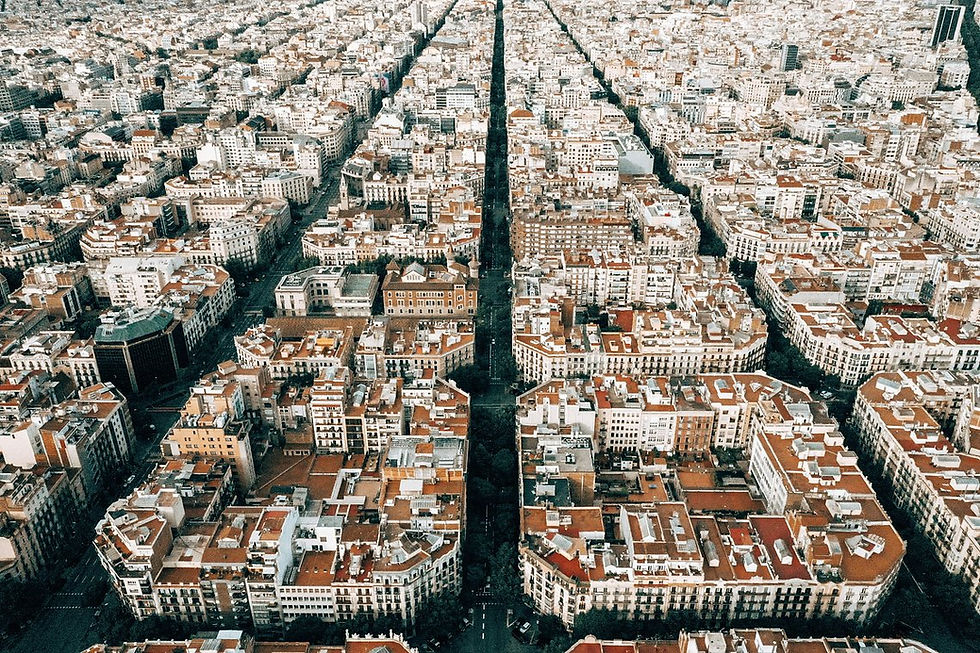
What Is La Mercè and Why Is It Celebrated?
La Mercè is Barcelona's main festival honoring the city's patron saint. The festival dates back to 1687. According to legend, during a plague that devastated Barcelona, citizens called on the Virgin of Mercy for help. The plague stopped. In gratitude, the city declared September 24 as the festival date celebrating this miraculous intervention.
Today, La Mercè runs for five days in late September. It's one of Catalonia's biggest celebrations. The festival combines religious tradition with street party atmosphere. You'll see processional giants parading alongside rock concerts. Church processions happen near correfoc fire runs. The festival pulls together Barcelona's cultural identity in one intense week.
Why Is La Mercè So Important to Barcelona?
La Mercè represents Barcelona's Catalan identity and pride. Unlike festivals in other Spanish cities, La Mercè emphasizes local traditions. The festival showcases castellers (human towers), a tradition unique to Catalonia. It celebrates the city's patron saint without losing its secular street festival energy. For Barcelona residents, La Mercè is the moment when the city reveals its character to the world.
Main Events: What Happens During La Mercè
La Mercè offers dozens of events across the city. Here are the highlights you shouldn't miss:
Correfoc (Fire Run)
Correfoc is La Mercè's most dramatic event. The name means "fire run." Picture this: dozens of fire-breathing dragons parade down Barcelona streets at night. They're not real dragons. They're elaborate papier-mâché figures spouting flames and sparklers. Crowds follow alongside, dancing with devil figures that also throw sparks.
This isn't a spectator sport. You can jump into the correfoc. Wear red and white (traditional Catalan colors), bring a walking stick or cardboard tube, and join the running crowd. The devil figures get close enough to singe your eyebrows. The atmosphere is controlled chaos. The main correfoc runs through the Gothic Quarter near Plaça Sant Jaume late at night (usually around 11 PM).
Timing matters. Arrive early to claim a spot near the devils. Wear protective gear. Long sleeves and pants work better than shorts. Watch your eyes when the flames shoot from the dragon's mouth.
Castellers (Human Towers)
Castellers are human towers unique to Catalonia. Teams of people form living pyramids that can reach six stories high. They perform at various locations throughout La Mercè, with the main performances at Plaça Sant Jaume and Plaça de Catalunya.
The base consists of dozens of people locked together. As more people climb up their backs, the tower grows. The final person climbs to the top and raises one hand, completing the castell. The crowd erupts. Then everyone dismantles carefully. It looks dangerous but it's been practiced for centuries.
Watch castellers in the morning when it's calmer and easier to see. Go early to grab a good view. The Gothic Quarter near Plaça Sant Jaume is the traditional location.
Parades and Processional Giants
Barcelona brings out the gegants (processional giants) during La Mercè. These enormous wooden-frame figures, some 12 feet tall, parade through the city. They dress in elaborate costumes representing historical figures and Catalan mythology. Musicians follow, playing traditional drums and instruments.
The main parade happens on the final day of La Mercè. It starts in the morning and winds through Barcelona's streets. La Rambla fills with crowds. The parade moves slowly, allowing everyone to photograph the giants. The route typically goes past Plaça de Catalunya and down toward the waterfront.
Fireworks and Magic Fountain Show
Barcelona's famous Magic Fountain of Montjuïc becomes a fireworks venue during La Mercè. On specific nights, pyrotechnic displays set to music light up the fountain. The show runs about 30 minutes. The fountains spray water high in the air while explosions echo across Montjuïc.
Get there early. Thousands of people gather on the steps leading up to the fountain. Finding a good view requires arriving at least an hour before the show. The sound quality from lower ground is better than from higher up. Check the La Mercè schedule for exact times, as they change daily.
Street Performances and Concerts
La Mercè brings street performers across Barcelona. You'll see live music at almost every plaza. Plaça de Catalunya hosts free concerts featuring rock, pop, jazz, and Catalan music. Plaça Sant Jaume has traditional percussion performances. Street performers do acrobatics, live painting, and theatre throughout the Gothic Quarter.
Music venues also host official La Mercè concerts with tickets. These range from established rock bands to emerging Catalan artists. Check the official festival program for lineups and times. Most street performances are spontaneous and free.
Best Places to Experience La Mercè
Plaça Sant Jaume
This plaza is the spiritual center of La Mercè. It's where castellers perform, parades gather, and processional giants assemble. It's also where the main religious procession honors the Virgin of Mercy. The plaza sits in Barcelona's Gothic Quarter, surrounded by historic buildings including City Hall and the Generalitat (regional government building).
The plaza fills with people from morning through midnight. Early visits give better views of castellers. Evening brings the correfoc fire runs. Late night brings concerts and performances. Plan multiple visits to experience different times.
Plaça de Catalunya
Barcelona's main plaza becomes a secondary festival hub during La Mercè. Free concerts happen here multiple times daily. The space is less crowded than Plaça Sant Jaume, making it easier to move around. Street performers work the area all day. There are more shade options if you're standing in the sun.
This plaza marks the entry to La Rambla, the famous tree-lined avenue. If you're heading toward the waterfront, Plaça de Catalunya is where the main parade passes through.
Gothic Quarter
The narrow medieval streets of Barcelona's Gothic Quarter pulse with activity during La Mercè. Correfoc fire runs happen here late at night. Street performers set up in smaller plazas throughout the neighborhood. It's where casual festival atmosphere lives. You can find bars and restaurants tucked between performances.
The downside: the narrow streets get extremely crowded. Navigation is difficult. Pickpockets are more common in dense crowds. Go with friends and keep valuables secure.
Magic Fountain of Montjuïc
Montjuïc is a hill overlooking Barcelona with museums, gardens, and the famous fountain. During La Mercè, the Magic Fountain becomes a fireworks venue. It's about 20 minutes from Plaça de Catalunya by public transport. The journey is worth it for the show quality. The viewing area has better sight lines than downtown plazas.
Arrive early to find a seat on the fountain steps. Bring water. The evening can be warm even in late September. After the show, restaurants and bars at the fountain's base stay open late.
Parc del Fòrum
Parc del Fòrum sits north of Barcelona's city center along the coast. This modern park hosts beach concerts and performances during La Mercè. It's less crowded than downtown areas. It has better parking and wider open spaces. Many families prefer this location for that reason.
Getting there requires public transport or a taxi. It's about 15-20 minutes from Plaça de Catalunya. The park has food vendors and shaded areas.
When La Mercè Happens and Festival Timeline
La Mercè runs around September 24, the feast day of the Virgin of Mercy. The festival typically spans five to six days. In 2025, it runs September 21-27. In 2026, dates are September 20-26. The official program announces dates several months in advance.
Most major events happen in the evenings and late nights. Morning brings castellers and parades. Afternoon offers street performances and plaza concerts. Evening brings fire runs and magical fountain shows. Late night brings more music and performances.
Daily Schedule During La Mercè
Morning (9 AM-1 PM): Castellers performances at plazas, parades starting at various locations
Afternoon (2 PM-6 PM): Street performances, smaller castellers events, plaza concerts
Early Evening (6 PM-10 PM): Main concerts, dinner break, preparation for night events
Late Evening (10 PM-2 AM): Correfoc fire runs, Magic Fountain shows, street parties
Practical Tips for Experiencing La Mercè
Getting Around Barcelona
Barcelona has an excellent public transport system. The metro is fastest but gets crowded during La Mercè. Buses are slower but less packed. A single journey ticket costs about 2.50 euros. Multi-day passes (2, 3, 4, or 5 days) offer unlimited travel and save money. You can also use these passes for the airport train.
During La Mercè, expect delays. Extra police presence slows metro boarding. Street closures redirect bus routes. Leave more time between events. Walking between nearby plazas is often faster than transit.
Dealing with Crowds
La Mercè attracts over a million visitors. Crowds are unavoidable. But you can minimize the stress. Avoid peak times. Main events happen late at night when fewer tourists show up. Morning castellers attract dedicated fans rather than casual crowds. Arrive at plazas 45 minutes early for front-row spots. Use less-crowded locations like Parc del Fòrum.
Safety Considerations
Barcelona is safe during La Mercè but pickpockets increase during crowded events. Keep valuables in front pockets or under clothing. Don't carry an expensive camera or phone openly. Avoid the correfoc if you're uncomfortable with fire. Keep some distance from the devil figures to avoid sparks in your face. Go with friends rather than alone.
What to Wear
Late September in Barcelona averages 24 degrees Celsius (75 Fahrenheit) during the day and 16 degrees (60 Fahrenheit) at night. Bring layers. Wear comfortable shoes. You'll be walking and standing for hours. If you're planning to join the correfoc, wear red and white clothing with long sleeves and pants. Avoid synthetic fabrics that catch fire easily.
Food During La Mercè
You'll find food vendors throughout the festival. Catalan specialties include esqueixada (salt cod salad) and escalivada (roasted vegetables). Pizza, kebabs, and other quick options are everywhere. Restaurants around the plazas stay open late. Book dinner reservations in advance if you want table service. Otherwise, eat quick meals between events.
La Mercè Events Comparison
Event | Best Time | Location | Crowd Level |
Correfoc | 11 PM | Gothic Quarter | Very High |
Castellers | 10 AM | Plaça Sant Jaume | High |
Parade | 10 AM | La Rambla | Very High |
Fireworks | 9 PM | Montjuïc | High |
Concerts | 4 PM-11 PM | Multiple locations | Medium |
History of La Mercè: 300+ Years of Tradition
La Mercè's origin story blends history and legend. In the 14th century, Barcelona declared the Virgin of Mercy its patron saint. In 1687, during a plague threatening the city, Barcelona's bishop led a procession calling on the Virgin for intervention. The plague subsided. Citizens credited divine intercession. The city pledged to celebrate this miraculous deliverance annually.
For over 300 years, La Mercè has grown from a religious procession into a major cultural festival. The 20th century brought modern additions like electric fireworks and concerts. The late 20th century added contemporary music and street performances. Today, La Mercè blends historical traditions with modern celebration.
The religious core remains. The feast day is September 24. The procession still honors the Virgin of Mercy. But the festival has evolved. What started as a church event now celebrates Catalan culture and Barcelona's identity. The festival incorporates castellers, devils, giants, and dragons. It brings together religious tradition and secular celebration.
Cultural Significance: Why La Mercè Matters to Barcelona
La Mercè is not just a festival. It's an expression of Catalan identity. Everything about La Mercè connects to Catalan culture. The castellers are unique to Catalonia. The devils and giants come from Catalan tradition. The processional music uses traditional Catalan instruments. The festival language is Catalan.
For Barcelona residents, La Mercè is the annual moment when the city celebrates itself. Political rallies often happen during La Mercè. Independence movements use the festival to gather supporters. Cultural organizations showcase Catalan arts. Sports teams participate. La Mercè becomes a referendum on Barcelona's identity.
The festival also marks the calendar. La Mercè signals the end of summer. Children return to school during the festival. Businesses plan around La Mercè dates. For many Barcelona families, attending La Mercè is an annual tradition passed down across generations.
Frequently Asked Questions
What to do during La Mercè?
During La Mercè, you can watch castellers (human towers) at Plaça Sant Jaume in the morning. In the afternoon, explore street performances in the Gothic Quarter and plazas. Evening brings free concerts at Plaça de Catalunya and around the city. Late night offers the correfoc fire run through narrow streets near the cathedral. You can watch fireworks and fountains at Montjuïc. The main parade happens on the final day down La Rambla. You can eat traditional Catalan food at bars and restaurants throughout the city. Most events are free to watch. Participating in correfoc requires joining the crowds. Concerts have varying schedules and some charge admission. Plan your day by checking the official La Mercè program.
What should we not miss in Barcelona?
If visiting Barcelona during La Mercè, don't miss the correfoc fire run. It's the most dramatic La Mercè event and won't happen outside this festival period. Don't skip castellers. They're uniquely Catalan and central to the festival. Watch the main parade on the final day. See the fireworks and fountain shows at Montjuïc. Explore the Gothic Quarter during the festival to experience the atmosphere. Listen to live music at the plazas. If you're visiting Barcelona outside La Mercè, see Sagrada Familia, Park Güell, and the beaches. But La Mercè itself is what makes September special in Barcelona.
Why are there fireworks in Barcelona today?
If you're seeing fireworks in Barcelona today and it's late September, it's likely La Mercè. The festival features daily fireworks displays set to music at the Magic Fountain on Montjuïc. These displays happen during specific evening hours announced in the festival program. If it's a different time of year, fireworks might celebrate another event like New Year's Eve or an unofficial celebration. Check the La Mercè official website or ask locals to confirm the exact reason. Most significant Barcelona fireworks happen during La Mercè in late September.
Why is La Mercè celebrated?
La Mercè celebrates the Virgin of Mercy, Barcelona's patron saint, and commemorates the day the city claims divine intervention stopped a devastating plague in 1687. The festival honors religious tradition while celebrating Catalan culture and Barcelona's identity. La Mercè brings the city together to showcase traditions like castellers, devils, giants, and processional music that define Catalan heritage. For Barcelona residents, the festival is an annual affirmation of cultural pride and community identity. The celebration combines religious gratitude with street party atmosphere, making it both a spiritual observance and a cultural celebration.
When is La Mercè Barcelona 2025?
La Mercè Barcelona 2025 runs from September 21-27. The festival centers on September 24, the feast day of the Virgin of Mercy. Key events happen throughout the six-day period. The main parade occurs on the final day (September 27). Fireworks shows happen multiple nights. Castellers perform each morning. The correfoc fire run happens on multiple late nights. Check the official La Mercè Barcelona website closer to September for the exact daily schedule, as times vary. Make hotel and travel reservations early, as the festival attracts thousands of visitors.
What is La Mercè and why is it celebrated?
La Mercè is Barcelona's main festival honoring the Virgin of Mercy, the city's patron saint. The celebration dates back to 1687, when legend says the Virgin intervened to stop a plague. Barcelona has celebrated the miracle annually ever since. The festival combines religious tradition with secular celebration. It showcases Catalan culture through castellers (human towers), devils, giants, and traditional music. The festival runs for several days in late September, with events happening across the city. Main events include correfoc (fire runs), casteller performances, parades, fireworks, and concerts. La Mercè is celebrated because it represents Barcelona's identity, history, and cultural pride. For residents, it's the most important annual festival.
Did you know you can enjoy unlimited travel on public transport for 2, 3, 4 or 5 days?
Barcelona offers multi-day passes for the metro, buses, and some trains. A 2-day pass costs about 15 euros and covers unlimited journeys. A 3-day pass costs roughly 22 euros. A 4-day pass is about 29 euros. A 5-day pass runs around 35 euros. These passes work for metro lines, bus routes, and some regional trains including the airport connection. Buy them at metro stations, at the airport, or through apps. During La Mercè, public transport gets crowded and may experience delays. The pass saves money if you're traveling between festival locations multiple times daily. Walking between nearby plazas is often faster than waiting for transit. Plan your day to minimize transport needs during peak festival hours.
See for free top attractions in Barcelona and get a 10% discount for other attractions which you wish to visit
Many Barcelona museums offer free or discounted entry during certain hours or on specific days. The Picasso Museum has free hours on Thursday evenings. MNAC (National Art Museum of Catalonia) offers free entry on first Sundays. Barcelona Card provides free entry to some attractions plus discounts at others and includes public transport. During La Mercè, most festival events are completely free. Street performances, concerts, castellers, parades, correfoc, and fireworks cost nothing to watch. Only premium ticketed concerts at official venues charge admission. Some museums and attractions stay open late during La Mercè, extending free or discounted access. Plan your visit to include free attractions and festival events alongside paid cultural sites to maximize value.
External Sources
Barcelona Official Tourism Board (Barcelona Turisme): Official guide to La Mercè festival events, dates, locations, and complete schedule with details on castellers, correfoc, parades, and concerts.
Ajuntament de Barcelona (Barcelona City Hall): Official city website with historical information about La Mercè, cultural significance, and the Virgin of Mercy patron saint tradition dating to 1687.
Generalitat de Catalunya: Regional government resources on Catalan cultural traditions including castellers, processional giants, devils, and the history of La Mercè as expression of Catalan heritage.
Conclusion: Plan Your La Mercè Experience
What to see at La Mercè depends on your interests and energy level. If you want drama and action, don't miss the correfoc fire run. If you want cultural tradition, watch castellers and the parade. If you want music and atmosphere, spend time at plaza concerts. If you want to understand Barcelona, experience all of it.
La Mercè happens every year around September 24. Plan your trip early. Book accommodations in advance. Check the official La Mercè program for the exact schedule. Wear comfortable shoes. Bring layers. Stay hydrated. Go with friends if possible. Experience the fire, music, giants, and human towers that make La Mercè unique to Barcelona.
This is where Barcelona shows itself to the world. This is what to see at La Mercè.
YOU CAN FIND THE COMPLETE LINEUP AND MORE INFORMATION HERE: https://www.barcelona.cat/lamerce/en
BONUS TIP FOR READING THIS FAR:
Make sure to wear comfortable shoes, carry water, and plan ahead as it's impossible to see everything. Start early to avoid the crowds and watch your belongings—Barcelona gets busy during this festival and its easy to get distracted. Most importantly, enjoy the celebrations and dive into the city's rich culture!



Comments