
Traditional Spanish Food Guide in Barcelona
- Dec 9, 2025
- 25 min read
Updated: 2 days ago
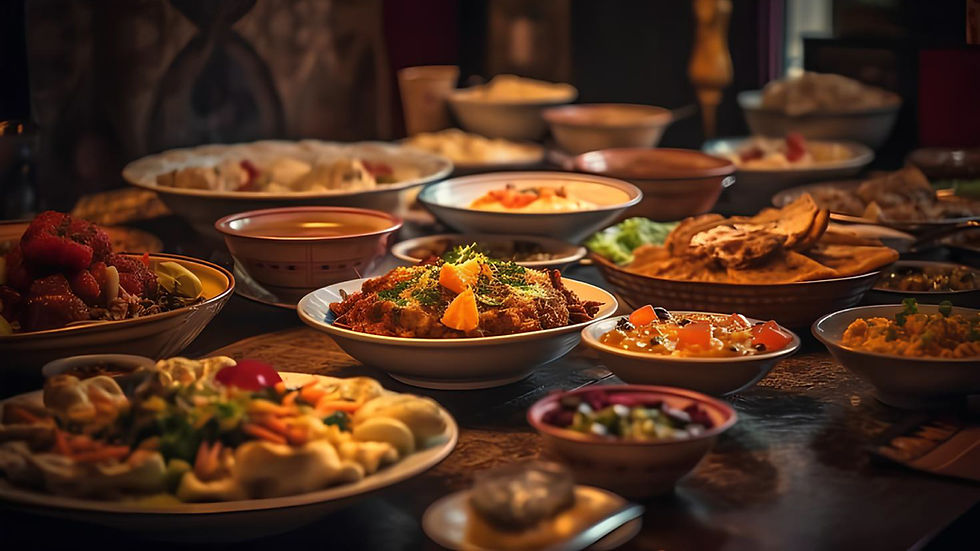
Barcelona Cuisine: Spanish and Catalan Food Traditions
Barcelona is a city built on flavors. Walk through any neighborhood and you will find food that tells stories. The food in Barcelona Spain reflects centuries of tradition, local ingredients, and culinary passion. Whether you are eating pa amb tomàquet with bread and tomato at a neighborhood café or sampling seafood tapas at La Barceloneta, every bite connects you to Catalonia's unique culture.
This guide shows you what food Barcelona is actually known for. You will discover traditional catalan dishes you cannot find elsewhere, understand where to eat in Barcelona, and learn the stories behind iconic meals. Get ready to experience authentic Spanish food the way locals do. The food of Barcelona matters because it represents a place, a history, and a way of life worth understanding.
BARCELONA SPAIN FOOD: YOUR GUIDE TO CATALAN CUISINE & AUTHENTIC DINING
Barcelona serves food that works. The city does not chase trends. Instead, it honors ingredients, respects technique, and feeds people the way Catalonia has for generations.
If you are planning a trip to Barcelona or wondering what food Barcelona is famous for, you need to understand one thing first: Barcelona food is not generic Spanish cuisine. This is catalan cuisine. It has its own identity, traditions, and flavors that stand apart from the rest of Spain.
This complete guide covers everything you need to know about Barcelona Spain food. You will learn what to eat in Barcelona, where to find authentic dishes, how to navigate catalan restaurants, and which foods define this region's culinary scene. Understanding Barcelona food means connecting with Mediterranean tradition, ingredient quality, and culinary passion that defines this region.
What Is Barcelona Food? Understanding Catalan Cuisine
The food in Barcelona Spain comes from a specific place and time. Catalonia sits between the Mediterranean Sea and the Pyrenees. This geography shaped everything that grows here, everything that swims in local waters, and everything that appears on your plate.
Barcelona cuisine is Mediterranean food. That means seafood. That means olive oil. That means vegetables grown in the warm climate. But it also means something more specific: catalan food traditions that developed over hundreds of years and continue to shape dining in Barcelona today.
Why Barcelona Spain Food Is Different
Barcelona traditional food differs from Spanish cuisine you might find in Madrid or Seville. Catalan dishes emphasize simplicity. You get bread. You get tomato. You get salt. These ingredients combine into pa amb tomàquet, and that combination tells you everything about how Barcelona approaches food and respects ingredient quality.
The food culture in Barcelona values quality ingredients over complicated preparation. A tomato should taste like tomato. Olive oil should taste like olives. Garlic should taste like garlic. You will not find heavy sauces hiding these flavors. Instead, you will find respect for what each ingredient brings to the meal.
Barcelona is also a port city. That means your food in Barcelona includes fresh seafood daily. Squid arrives at La Boqueria market in the morning. Mussels come from the Mediterranean. Anchovy and cured cod traditions run deep because these are foods Barcelona has relied on for centuries of culinary development.
The Mediterranean Influence on Catalan Food
Mediterranean Sea food culture shapes everything served in Barcelona restaurants and home kitchens alike. The proximity to water means:
Fresh fish appears in lunch and dinner menus
Olive oil becomes the foundation of cooking, not an afterthought
Seafood tapas are affordable and abundant
Grilling becomes a primary cooking method
Salad appears at almost every meal
Vegetables from local growing regions dominate seasonal menus
This Mediterranean approach keeps Barcelona food honest. You are eating what this region produces naturally, not what farms can ship from distant places. Understanding this connection between geography and cuisine is essential to appreciating Barcelona Spain food.
Famous Food in Barcelona You Must Try
Walking through Barcelona neighborhoods means encountering specific dishes repeatedly. These are the foods Barcelona is known for. These are what locals eat regularly, what restaurants serve daily, and what you should prioritize during your visit to Barcelona.
Pa Amb Tomàquet (Bread with Tomato)
Start here. This is the foundation of catalan food culture.
Pa amb tomàquet means bread with tomato. You take toasted bread. You rub a cut tomato across the surface. You drizzle olive oil. You add salt. That is it. This simple combination appears at nearly every meal in Barcelona. It is served before tapas arrive at restaurants. It is eaten at home before lunch. It is breakfast, snack, and accompaniment all at once.
Why does Barcelona food culture treasure this so much? Because it works. The bread absorbs tomato juice and olive oil. The salt brings out flavor. The combination tastes fresh, immediate, and satisfying. This dish represents Barcelona Spain food at its essence—simple, quality-focused, and deeply satisfying.
You will find pa amb tomàquet at:
Neighborhood cafés during breakfast
Tapas restaurants as a starter
Street food vendors
Local restaurants included free with drinks
Markets like La Boqueria
Pro Tip
The quality of this dish depends entirely on ingredient quality. Seek out Barcelona restaurants using fresh tomatoes, proper olive oil, and good bread. When these elements align, you understand why Barcelona food culture celebrates pa amb tomàquet and returns to it repeatedly.
Patatas Bravas (Potatoes with Sauce)
Patatas bravas are Barcelona's most iconic tapas. Cut potatoes get deep fried until crispy. Then they are dressed with two sauces that define the dish.
The first sauce is aioli. This is garlic and olive oil emulsified into something creamy and potent. The second sauce is spicy tomato-based sauce. Together they create a balance that makes Barcelona tapas restaurants wildly popular and keeps diners returning for this signature dish.
What food is Barcelona known for among visitors? Patatas bravas consistently appears at the top of lists. You can order this dish at nearly any tapas bar in Barcelona. Quality varies wildly, so seek recommendations or watch how the kitchen prepares them.
The difference between good patatas bravas and mediocre ones comes down to:
Potato quality and size
Oil temperature during frying
Aioli freshness and garlic balance
Sauce depth and spice level
Timing and service temperature
This dish proves that Barcelona Spain food does not need to be complicated to be memorable. Sometimes the simplest preparations reveal the most about food quality and technique.
Escalivada (Grilled Vegetables)
Escalivada is roasted vegetables prepared the catalan way. Eggplant, bell pepper, onion, and tomato get grilled until soft and slightly charred. Then they are dressed with olive oil, salt, and sometimes garlic.
This is comfort food in Barcelona. It appears on restaurant menus as a side dish or light lunch option. At home, people make escalivada and eat it at room temperature with bread. The grilling method is essential to this catalan dish. High heat creates flavor that boiling or steaming never reaches. The slight charring adds depth. The vegetables soften but hold their shape.
Escalivada shows you how Barcelona food works with simple vegetables. No cream sauce. No heavy preparation. Just vegetables, grilling, olive oil, and salt. This approach defines Barcelona Spain food philosophy.
Seafood Tapas: Squid, Anchovy, and Cured Cod
Barcelona sits on the Mediterranean Sea. This geography means your food in Barcelona centers on what the water provides. Seafood appears constantly in restaurants and markets.
Squid appears in many forms: grilled whole as a main dish, cut into rings and fried, served cold in salad, and prepared in ink sauce with rice. Anchovy is cured and preserved, making it available year-round. You will find this fish on toast as a tapa, in salads, as a pizza topping, and in traditional sauce recipes.
Cured cod holds deep historical importance in Barcelona food culture. Before refrigeration, salt cod was a way to preserve seafood catches. This tradition continues. Barcelona restaurants serve salt cod prepared multiple ways: soaked and shredded in salads, prepared as croquettes, mixed into stews, and grilled as a main dish.
These seafood traditions explain why Barcelona Spain food feels different. Your meal includes flavors from the Mediterranean, not from inland regions. Understanding these traditions connects you to Barcelona's maritime heritage.
Crema Catalana (Catalan Cream)
Dessert in Barcelona means crema catalana. This is custard topped with caramelized sugar, similar to crème brûlée but distinctly catalan. The custard includes milk, egg yolks, cinnamon, and sometimes citrus zest. The caramelized sugar top is created fresh at your table using a hot iron.
This dessert appears at traditional catalan restaurants and can be ordered at most Barcelona dining establishments. It is the food Barcelona chooses to end meals, representing centuries of culinary tradition and catalan identity in sweet form.
Catalan Restaurants in Barcelona: Where to Eat
Finding authentic Barcelona Spain food means knowing where locals actually eat. Tourist traps serve expensive mediocrity. Real catalan restaurants focus on ingredients and technique, not theme or Instagram appeal.
Tapas Bars vs. Formal Restaurants
Barcelona restaurants come in different styles. Understanding the difference shapes your dining experience significantly.
Tapas bars are casual. You stand or sit at high counters. You order small plates of food. You drink wine or beer. Meals are quick and informal. Costs stay reasonable. This is how many locals eat in Barcelona regularly.
Formal restaurants have table service. Menus are longer. Courses arrive in sequence. Presentation matters more. Costs increase significantly. These places excel at refined catalan cuisine prepared with careful technique.
For visitors experiencing Barcelona food for the first time, tapas bars offer the most authentic introduction. You can sample many dishes without committing to expensive set menus.
Neighborhoods with Best Barcelona Restaurants
Barcelona Spain food quality varies by location. Some neighborhoods have better restaurant density and higher standards.
La Barceloneta
This is the old fishing neighborhood. It sits directly on Mediterranean Sea. Seafood restaurants dominate. This area developed around the fishing industry, so traditional seafood dishes appear everywhere. Fresh catch arrives daily. Restaurants can serve seafood that was not caught yesterday, it was caught this morning. Prices run higher than other neighborhoods because ingredient costs are genuinely higher.
Go to La Barceloneta for: Grilled whole fish, seafood paella in Barcelona, raw seafood preparations, traditional catalan fish stews, and restaurants where you watch boats unload their catch.
El Raval
This neighborhood has transformed dramatically. Young chefs opened innovative restaurants here. Traditional kitchens continue operating. The food scene feels alive and experimental while respecting catalan traditions.
Go to El Raval for: Creative takes on traditional dishes, contemporary catalan cuisine, good value restaurants, diverse food options, and neighborhood energy that feels authentic.
Gràcia
This is a residential neighborhood that maintains local character. You find neighborhood restaurants serving food to people who live here, not just tourists. Prices stay lower. Quality stays high.
Go to Gràcia for: Authentic neighborhood dining, reasonable prices, traditional recipes, local wine selections, and people actually from Barcelona eating around you.
Eixample
This grid-planned neighborhood contains upscale dining options. More formal restaurants operate here. Michelin Guide recognition exists in this area. Pricing reflects the formality level.
Go to Eixample for: Fine dining catalan cuisine, Michelin Guide restaurants, special occasion meals, refined preparation techniques, and higher price points with corresponding quality.
Sarrià
Originally a separate village, now Barcelona's southwestern neighborhood. It maintains village character in a city setting. Old family restaurants continue operating here. This is where Barcelona's wealthy eat locally.
Go to Sarrià for: Traditional catalan food, older establishments with history, quieter dining atmosphere, neighborhood feel in Barcelona, and local wine selections from small producers.
What Makes a Good Barcelona Restaurant
Quality Barcelona Spain food comes from restaurants that:
Source ingredients locally whenever possible
Change menus seasonally based on available produce
Respect traditional preparation methods
Train staff to explain dishes and pairings
Keep wine lists focused on Spanish and catalan options
Price fairly relative to ingredient quality
Maintain consistent kitchen standards
Use cooking technique appropriate to the food
A good Barcelona restaurant does not need to be expensive. It needs to care about quality, tradition, and the dining experience it provides to customers.
Traditional Catalan Dishes Beyond the Basics
You have learned the foundation. Now expand your Barcelona Spain food knowledge to include less obvious traditional dishes that locals eat regularly.
Bombas (Fried Potato Croquettes)
Bombas are different from patatas bravas. They are breaded and fried potatoes filled with seasoned meat, usually pork. They arrive golden and crispy, often with aioli for dipping. This is comfort food. Barcelona food culture serves bombas as tapas, as street food, as bar snacks. They are cheap. They are satisfying. They are everywhere in Barcelona restaurants and bars.
The name comes from their round shape, supposedly resembling bombs. The food is much friendlier than the name suggests. When you bite into a warm bomba, the contrast between crispy exterior and soft, seasoned filling inside is deeply satisfying.
Croquetas (Meat and Seafood Croquettes)
Croquetas represent Barcelona Spain food done right. These are creamy inside, crispy outside, deeply flavorful, and prepared the same way for generations. Common croqueta varieties in Barcelona include: ham croquetas filled with jamón or jamón ibérico, seafood croquetas with shrimp or crab, chicken croquetas, mushroom croquetas for vegetarians, and salt cod croquetas.
Each type requires a different filling but follows the same basic preparation. The filling is bound with a creamy sauce. It is chilled. It is breaded. It is fried. It arrives hot and delicious. Croquetas taste best when eaten immediately after frying. The exterior is still crispy. The interior is still hot. Temperature difference between outside and inside creates the eating experience.
Romesco Sauce
Romesco is a catalan sauce made from roasted red peppers, tomatoes, garlic, olive oil, vinegar, and Spanish paprika. Sometimes it includes nuts. Sometimes it is smooth. Sometimes it maintains texture. This sauce appears with grilled vegetables, seafood, bread, meat dishes, and salads.
Romesco shows up so frequently in Barcelona restaurants that you will taste it multiple times during any visit. Each preparation varies slightly. Some are thinner, more sauce-like. Others are thicker, almost paste consistency. The food is Barcelona's. The preparation is traditional. The flavor is distinctly catalan.
Calçots (Grilled Spring Onions)
Calçots are oversized spring onions grilled until charred on the outside and soft inside. They are pulled from the grill and peeled at the table. You dip them in romesco sauce and eat them. This food appears seasonally in Barcelona, primarily in winter and early spring. When calçots are in season, Barcelona restaurants feature them prominently. It is a seasonal tradition that locals anticipate yearly.
The eating experience is playful. There is charring. There is peeling. There is dipping. There is mess. This is Barcelona food meant to be enjoyed without pretense or formal dining rules.
Barcelona Food Culture: More Than Just Eating
Understanding what food Barcelona is famous for means understanding the culture around eating.
Lunch as the Main Meal
In Barcelona Spain, lunch is the significant meal of the day. Dinner is lighter. Lunch happens around 1 to 2 PM. Restaurants fill with people who take time away from work. The meal lasts. Multiple courses arrive. Wine is poured. Food is the focus.
This meal structure explains why Barcelona restaurants show different faces at lunch and dinner. At lunch, you are seeing the kitchen focused on the meal that matters most to locals. During dinner, you are seeing a more relaxed service meant for lighter eating.
If you want authentic Barcelona Spain food, eat lunch like locals do. Arrive around 1:30 PM. Order an appetizer, main course, and dessert. Stay for wine. Enjoy the experience. This is how food culture actually works in this city.
The Role of Wine in Barcelona Meals
Wine appears at Barcelona meals automatically. It is not optional. It is expected. Barcelona Spain wine options focus on Spanish production, especially catalan wines from regions like Penedès and Priorat. These wines pair naturally with local food.
The wine selection at good Barcelona restaurants tells you something about their philosophy. A restaurant caring about food also cares about wine. They choose bottles that work with their menu. They price fairly. They have staff who understand pairings.
Beer is also present in Barcelona food culture, especially for informal dining. Spanish beer appears alongside wine at tapas bars. Understanding drink options helps you appreciate Barcelona Spain food fully.
Markets and Fresh Food Culture
Barcelona has several major food markets. La Boqueria is the most famous. La Cova Fumada near Barcelona's waterfront is another important market. These markets show you Barcelona Spain food as it actually exists. Before it reaches restaurants. Before it reaches your plate. In its raw state, selected by merchants, arranged by vendors who know customers by name.
Visiting markets gives you insight into what is in season, what Barcelona is cooking with, and how food distribution actually works in this city. Market visits also let you try fresh prepared foods at reasonable prices, experiencing Barcelona food culture as everyday people do.
Common Barcelona Food Mistakes Visitors Make
Knowing what food Barcelona serves correctly helps you avoid eating badly while visiting.
Mistake 1: Eating Dinner Too Late Without Preparation
Barcelona dinner happens around 8 or 9 PM. If you arrive hungry at 7 PM, you will struggle. Restaurants are not open. You will feel starved. Solution: Eat a snack in late afternoon. This is why pa amb tomàquet exists. A small plate at a café around 6 PM bridges the gap between lunch and dinner comfortably.
Mistake 2: Seeking Paella at Every Restaurant
Paella is Spanish food from Valencia, not Barcelona. Yes, you can find paella in Barcelona restaurants. Much of it is mediocre. Real paella is specialized. Restaurants that make it well focus on paella. They maintain proper equipment. They practice technique obsessively. Average Barcelona restaurants make average paella.
Solution: Seek paella at specialized restaurants or restaurants in La Barceloneta near the sea. Skip it elsewhere. Focus instead on foods actually from Barcelona, which are better and more authentic to your dining experience.
Mistake 3: Ignoring Local Wine Selections
Barcelona restaurants often feature wine lists dominated by Spanish options, especially catalan wines. These pair better with Barcelona Spain food than international wines do. Ordering imported wine at Barcelona restaurants makes less sense than trusting local expertise.
Solution: Ask restaurant staff for their recommendation. Describe your food choice. Let them suggest something from their region. You will get better pairings and support local wine producers.
Mistake 4: Dismissing Simple Dishes as Boring
Pa amb tomàquet is simple. Escalivada seems basic. Grilled fish appears plain. These dishes are not boring. They are foundational. Ingredient quality matters more than complexity. Good Barcelona Spain food reveals ingredient flavor rather than hiding it.
Solution: Order simple dishes at restaurants you trust. This is where quality separation shows most clearly. You will taste the difference between great ingredients and average ones more clearly in simple preparations.
Mistake 5: Missing Seasonal Changes
Barcelona restaurants change menus seasonally. Summer brings lighter dishes. Cooler months bring heartier preparations. Local ingredients determine what is actually available.
Eating asparagus in Barcelona in August is wrong. Asparagus is spring food. In summer, other vegetables are at peak quality. Solution: Ask staff what is seasonal. Try whatever they recommend as current favorite. You will eat better and understand Barcelona food culture more deeply.
Barcelona Food Costs: What to Expect
Planning a Barcelona food trip means understanding pricing reality.
Tapas Bar Costs
Tapas bars offer the cheapest Barcelona Spain food experience. Individual tapas cost between 2 and 8 euros. You order multiple small plates. A full meal might be 12 to 20 euros per person including drink. This is how you eat like a local without spending heavily.
Casual Restaurant Costs
Mid-range Barcelona restaurants serving traditional catalan cuisine charge 15 to 30 euros per main course. Full meals with appetizer, main, and drink run 30 to 50 euros per person. This is quality Barcelona Spain food in neighborhood restaurant setting.
Fine Dining Costs
Upscale Barcelona restaurants emphasize refined preparation. Michelin Guide restaurants operate at this level. Main courses cost 30 to 50 euros. Full tasting menus run 60 to 120 euros. Wine pairings add additional cost. Reserve in advance. Expect formal service. Experience refined catalan cuisine.
Street Food and Market Costs
Barcelona has excellent street food options costing 3 to 8 euros. Markets sell prepared foods at reasonable prices. This is the cheapest way to eat Barcelona Spain food while maintaining quality.
FREQUENTLY ASKED QUESTIONS ABOUT BARCELONA SPAIN FOOD
What are the most famous or signature dishes to try in Barcelona?
Barcelona's most famous dishes include pa amb tomàquet (bread with tomato), patatas bravas (fried potatoes with aioli and spicy sauce), escalivada (grilled vegetables), crema catalana (caramelized custard dessert), and fresh seafood preparations. Bombas (fried potato croquettes) and croquetas (meat-filled fried croquettes) are iconic Barcelona street foods. Salt cod and cured jamón ibérico appear frequently in tapas selections. Seafood paella arrives at waterfront restaurants in La Barceloneta. Calçots (grilled spring onions with romesco sauce) are seasonal specialties. Each dish represents Barcelona Spain food philosophy: simple ingredients prepared with technique and respect. These signature dishes define what food Barcelona is known for internationally.
What are some traditional Catalan foods in Barcelona?
Traditional catalan cuisine emphasizes Mediterranean ingredients and simple preparation. Pa amb tomàquet is fundamental to catalan food identity. Escalivada features grilled vegetables central to catalan cooking. Romesco sauce appears throughout Barcelona restaurants and home kitchens. Salt cod preparations like esqueixada (shredded salt cod salad) honor centuries-old preservation traditions. Botifarra (catalan sausage) represents meat traditions. Fideuà (noodle dish similar to paella) is distinctly catalan. Calcots are seasonal specialties. Crema catalana is the traditional catalan dessert. Catalan food also includes seafood specialties: grilled fish, mussels, squid prepared multiple ways, and anchovy as preserved food. Understanding traditional catalan foods means recognizing Barcelona Spain food as distinct regional cuisine with own identity.
What are some popular Spanish foods found in Barcelona?
Barcelona restaurants serve Spanish foods beyond catalan cuisine, though locals distinguish between Spanish food and Barcelona food. Jamón ibérico (premium cured ham) appears as tapa throughout Barcelona. Paella arrives especially in seafood restaurants. Gazpacho (cold tomato soup) appears in summer menus. Chorizo and other Spanish cured meats feature prominently. Pan con tomate is Spanish version of pa amb tomàquet. Patatas a lo pobre (potatoes with egg) shows Spanish influence. Pulpo a la gallega (octopus) represents Galician traditions. Barcelona Spain food incorporates Spanish traditions while maintaining distinct catalan identity. Distinguishing between Spanish and catalan cuisines helps you understand Barcelona food culture more deeply.
Where are the best places to eat in Barcelona, including restaurants and markets?
Best Barcelona restaurants concentrate in specific neighborhoods. La Barceloneta excels for fresh seafood with waterfront views and daily fish deliveries. Gràcia neighborhood offers authentic local restaurants at reasonable prices. El Raval has innovative restaurants honoring traditional methods. Eixample contains Michelin-recognized establishments for fine dining. Sarrià maintains old-family restaurants with village atmosphere. For markets, La Boqueria is Barcelona's most famous, offering fresh ingredients and prepared foods. La Cova Fumada near the waterfront serves local food culture. Mercat de Sant Antoni provides neighborhood market experience. Mercat de la Boqueria offers prepared food stalls for quick meals. Visiting Barcelona food markets shows authentic food culture beyond restaurant dining.
What are some popular desserts or sweets to try in Barcelona?
Crema catalana is Barcelona's iconic dessert, a custard with caramelized sugar crust. Coca (a sweet bread with fruit or cream topping) represents catalan tradition. Mel i mató (honey and fresh cheese) is simple traditional dessert. Torrijas (Spanish French toast) appear during Easter season. Panellets (small almond cakes) are Christmas specialties. Buñuelos (fried dough pastries) with chocolate sauce appear at cafés. Horchata (sweet milk drink) with churros is Barcelona afternoon ritual. Xuixo (spiral pastry with cream) is Girona specialty found in Barcelona. Flan (caramel custard) appears as restaurant dessert. Barcelona's pastry shops offer exceptional croissants and pain au chocolat for breakfast. Chocolate ice cream, horchata ice cream, and fruit sorbets reflect Barcelona's Mediterranean location.
Are there vegetarian or vegan food options available in Barcelona?
Barcelona food culture is not traditionally vegetarian, but options exist and continue expanding. Pa amb tomàquet is vegetarian. Escalivada (grilled vegetables) is entirely plant-based. Many tapas are vegetable-focused: roasted peppers, grilled asparagus, mushroom dishes, salads. Most Barcelona restaurants accommodate vegetarian requests with good grace. Croquetas come in mushroom or vegetable varieties. Gazpacho is vegetarian. Horchata with pastries provides complete vegetarian meal. Vegetable markets like La Boqueria offer fresh produce and prepared vegetarian items. Many Barcelona restaurants have dedicated vegetarian sections on menus now. Vegan options exist but require more searching than vegetarian ones. Mentioning dietary preferences clearly when ordering ensures proper preparation. Barcelona's Mediterranean location provides abundant vegetables supporting vegetarian Barcelona Spain food options.
What are some common drinks or beverages in Barcelona?
Wine is central to Barcelona meals, especially Spanish reds and catalan wines from Penedès and Priorat regions. Spanish beer appears at tapas bars and casual restaurants. Horchata (sweet tiger nut milk drink) is traditional Barcelona beverage, often served with churros for breakfast or afternoon snack. Agua con gas (sparkling water) accompanies meals. Vermouth, served chilled with olives, is Barcelona aperitif tradition. Spanish sherry and brandy appear as after-dinner drinks. Coffee culture is strong, with café solo (espresso), café cortado (espresso with milk), and café con leche (coffee with milk) ordered throughout day. Granita (frozen fruit drink) refreshes during hot summers. Soft drinks and fresh juices are available. Understanding Barcelona beverage culture enhances your food experience.
What is the typical cost of dining out in Barcelona?
Barcelona dining costs vary significantly by restaurant type and location. Tapas bars charge 2-8 euros per tapa, making full meals 12-20 euros per person including drink. Casual restaurants serving catalan cuisine range 15-30 euros per main course, with full meals 30-50 euros per person. Fine dining and Michelin-recognized establishments charge 30-50 euros per main course, with tasting menus 60-120 euros. Street food costs 3-8 euros per item. Market food is similarly affordable. Tourist area restaurants near La Rambla charge premium prices for mediocre food. Neighborhood restaurants offer better value and authenticity. Lunch menus (menú del día) offer fixed-price meals 10-15 euros. Eating where locals eat reduces costs while improving quality. Budget 20-40 euros per person daily for good Barcelona Spain food.
What are some tips for avoiding tourist traps when choosing restaurants in Barcelona?
Avoid restaurants directly on La Rambla and major tourist routes, which prioritize tourists over quality. Skip restaurants with multiple languages on menus or picture menus showing colorful food photos. Avoid places with aggressive staff soliciting customers outside. Seek restaurants with Spanish-language menus primarily, indicating local focus. Look for no-reservation policies or walk-in seating, suggesting popularity with locals. Choose neighborhood restaurants in Gràcia, Sarrià, or El Raval over tourist zones. Ask locals for recommendations via hotel staff or tourism offices. Check Google Maps reviews focusing on detailed critiques. Avoid prix-fixe tourist menus offering unlimited drinks. Watch where Spanish people eat and go to those restaurants. Lunch spots with queues of office workers indicate good value. Trust restaurant websites showing house specialties rather than generic menus. Barcelona Spain food quality appears when you eat where Barcelona residents actually eat.
Is street food available in Barcelona?
Barcelona has vibrant street food culture offering authentic and affordable dining options. Food markets like La Boqueria and La Cova Fumada have prepared food stalls serving fresh tapas and complete meals. Vendors sell roasted chestnuts seasonally. Churrerías (churro shops) operate throughout the city, serving fried pastries with chocolate or horchata. Bocadillo (sandwich) shops offer quick meals with jamón, cheese, or seafood fillings. Empanada vendors sell filled pastries. Some streets have carts selling seafood drinks or prepared vegetables. Beach areas near La Barceloneta have chiringuitos (beach bars) serving casual seafood. Food festivals appear seasonally offering local specialties. Street food prices range 3-8 euros per item, making Barcelona Spain food accessible for budget travelers while experiencing authentic flavors.
What is the famous food in Barcelona?
Pa amb tomàquet is Barcelona's most recognizable food, appearing at every meal. Patatas bravas define tapas culture throughout the city. Crema catalana is signature Barcelona dessert served at formal restaurants and celebrations. Escalivada represents vegetable cooking Barcelona is known for. Fresh seafood, especially grilled fish and squid, defines Barcelona coastal cuisine. Salt cod in multiple preparations honors centuries-old traditions. Croquetas and bombas represent comfort food culture. Jamón ibérico appears as premium tapa. Barcelona's famous food reflects Mediterranean location, ingredient quality focus, and century-old culinary traditions. These signature dishes explain why Barcelona Spain food remains celebrated internationally.
What is Barcelona's national food?
Pa amb tomàquet (bread with tomato) could be considered Barcelona's national food. It appears at virtually every meal, from breakfast through dinner. This simple combination represents catalan food philosophy: respect for ingredients, simplicity in preparation, and focus on quality elements. Every barcelonei (Barcelona resident) eats pa amb tomàquet regularly. It connects Barcelona residents to their culture and identity. Children learn to make this food before learning other cooking skills. Restaurants serve it before meals without charging. Pa amb tomàquet embodies Barcelona Spain food culture because it requires only bread, tomato, salt, and olive oil yet creates something deeply satisfying. Understanding pa amb tomàquet is understanding Barcelona.
What is the signature dish of Barcelona?
Patatas bravas function as Barcelona's signature tapa. This dish appears on nearly every tapas bar menu across the city. The combination of fried potatoes, aioli, and spicy sauce represents Barcelona Spain food at its most iconic. Visitors specifically seek this dish. Locals order it repeatedly. The quality difference between mediocre and excellent patatas bravas illustrates Barcelona restaurant quality. This dish requires technique: proper potato selection, precise oil temperature, fresh aioli, balanced sauce. Eating patatas bravas connects you to Barcelona tapas culture immediately. If you eat only one Barcelona food, patatas bravas captures the essence of what makes Barcelona Spain food special: simple ingredients, quality execution, and deeply satisfying flavors.
What are five traditional foods in Spain?
Spanish culinary traditions beyond Barcelona include paella from Valencia, gazpacho from Andalusia, chorizo (Spanish sausage) from across the country, jamón serrano and jamón ibérico (cured ham) from various regions, and pan con tomate (bread with tomato) similar to Barcelona's pa amb tomàquet. Tortilla española (potato omelet) appears everywhere. Pulpo a la gallega (Galician octopus) represents coastal traditions. Cocido madrileño (Madrid stew) shows inland Spanish cooking. Croquetas and empanadas vary regionally. Understanding Spanish food traditions helps contextualize Barcelona Spain food as distinctly regional variation with its own identity within larger Spanish culinary landscape.
Are there vegetarian or vegan options in Barcelona?
Barcelona's food scene increasingly accommodates vegetarian and vegan diets despite meat and seafood traditions. Escalivada (grilled vegetables) is entirely plant-based. Pa amb tomàquet made with quality bread and tomato is vegetarian. Most restaurants provide vegetable-based tapas: roasted peppers, grilled asparagus, mushroom dishes, bean preparations. Vegetable croquetas and mushroom croquetas replace meat versions. Salads appear on most menus. Gazpacho is vegetarian. Horchata with pastries or churros is vegan. Markets provide fresh vegetables and prepared vegan-friendly items. Many Barcelona restaurants now offer dedicated vegetarian and vegan menu sections. Communicating dietary preferences clearly ensures proper preparation. Barcelona Spain food increasingly recognizes vegetarian options, though traditions remain meat and seafood focused.
What are the best authentic dishes to eat in Barcelona?
Most authentic Barcelona food appears at neighborhood restaurants in Gràcia, Sarrià, and El Raval, not tourist zones. Pa amb tomàquet at morning café represents authentic eating. Patatas bravas at crowded tapas bar shows real Barcelona culture. Escalivada at lunchtime restaurant reflects local preferences. Seafood at La Barceloneta reflects fresh Mediterranean ingredients. Croquetas from neighborhood shop taste like Barcelona's comfort food. Crema catalana at formal catalan restaurant honors traditions. Seasonal dishes respecting ingredient availability represent authentic Barcelona Spain food. Eating where barceloneis eat provides authentic experience. Seeking restaurants without tourist menus ensures genuine catalan cuisine. Understanding Barcelona food means eating as locals do: simply, seasonally, with quality ingredients, in neighborhood settings.
Looking for the best food to eat in Barcelona?
Best Barcelona food combines quality ingredients, traditional technique, and neighborhood restaurant setting. Seek fresh seafood at La Barceloneta restaurants near the water. Explore tapas bars in residential neighborhoods for authentic, affordable options. Visit food markets for prepared foods and ingredient shopping. Order seasonal dishes that reflect current availability. Ask restaurant staff for house specialties and personal recommendations. Eat lunch as the main meal around 1-2 PM. Enjoy pa amb tomàquet as foundational food. Try patatas bravas at multiple restaurants to compare quality differences. Sample croquetas and bombas from street vendors. Finish meals with crema catalana. This approach ensures you experience Barcelona Spain food as locals do, connecting with food culture authentically.
Looking for the best restaurants in Barcelona?
Best Barcelona restaurants concentrate in specific neighborhoods and price ranges. For fine dining, seek Michelin-recognized establishments in Eixample or upscale areas. For authentic local food, explore neighborhood restaurants in Gràcia, Sarrià, and El Raval. For tapas, seek crowded bars where locals stand at counters. For seafood, explore La Barceloneta restaurants directly on waterfront or near old fishing harbor. For market food, visit La Boqueria or La Cova Fumada. Check online reviews focusing on detailed descriptions of food and service. Ask hotel concierge or locals for neighborhood-specific recommendations. Make lunch reservations in advance for popular spots. Walk into dinner restaurants after 9 PM for availability. Barcelona Spain food quality appears when you eat where Barcelona residents eat. Choosing restaurants thoughtfully transforms your dining experience completely.
What are the best restaurants in Barcelona for cheap eats?
Cheapest Barcelona restaurants include tapas bars offering 2-8 euro per plate, street food vendors selling 3-8 euro items, and market stalls with prepared foods. Neighborhood restaurants in working-class areas offer lunch menus (menú del día) at 10-15 euros including appetizer, main, drink, and dessert. Churrerías provide inexpensive breakfast or afternoon snacks. Bocadillo (sandwich) shops offer complete meals under 10 euros. Food markets like La Boqueria and La Cova Fumada serve affordable prepared foods. Seek restaurants without menus on tables or aggressive street solicitation. Look for Spanish-language establishments primarily. Avoid touristy areas and restaurant chains. Walking neighborhood streets reveals family-run establishments serving Barcelona Spain food at affordable prices. Budget dining in Barcelona provides quality experiences without spending heavily.
Where should you go to taste the greatest tapas in Barcelona?
Greatest Barcelona tapas appear at specific neighborhoods and restaurant types. Gràcia neighborhood has authentic tapas bars serving locals primarily. Sarrià maintains old-family tapas establishments with decades of tradition. La Barceloneta offers seafood-focused tapas reflecting daily fish deliveries. El Raval combines innovative and traditional tapa preparations. Eixample has upscale tapas at higher price points. Seek bars where Spanish people stand at counters ordering multiple small plates. Avoid restaurants with menu boards outside or aggressive staff. Look for crowded bars during meal times indicating good food and value. Ask locals which bar they eat at regularly. Visit during Spanish meal times: 1-2 PM lunch, 9 PM onward dinner. Watch how kitchen prepares your order. This approach ensures greatest tapas experience in Barcelona Spain food culture.
What are the best restaurants in Barcelona for families with children?
Family-friendly Barcelona restaurants include neighborhood restaurants in Gràcia and Sarrià with relaxed atmosphere and generous portions. Tapas bars welcome families despite informal setting. Seafood restaurants in La Barceloneta provide high chairs and children's portions. Casual restaurants without dress codes suit families better than formal establishments. Food markets have casual seating for families eating fresh items. Ask restaurants for children's menus or portion size flexibility. Many Barcelona establishments will prepare simple dishes like pasta, eggs, or grilled fish for children. Lunch dining suits families better than dinner because restaurants are less crowded and service is faster. Barcelona Spain food includes many items children enjoy: croquetas, bombas, fresh fruit, patatas bravas. Family dining in Barcelona works best in neighborhood restaurants where casual atmosphere accommodates children naturally.
When is the best time to visit Barcelona for food experiences?
Best food seasons in Barcelona include spring (asparagus, calçots season ending) and fall (fresh vegetables, mushrooms, seafood). Summer provides abundant produce but higher prices and tourist crowds. Winter offers heartier dishes, root vegetables, and calçots season. Spring and fall offer ingredient variety without extreme weather or excessive tourism. Avoid visiting during Christmas and New Year when restaurants close and prices spike. Avoid August when many family-run restaurants close for vacation. Spring provides spring vegetables and moderate weather. Fall offers autumn produce and better restaurant availability. Plan Barcelona food trip during shoulder seasons for best ingredient selection, lower prices, and authentic dining experiences reflecting Barcelona Spain food culture.
What is a typical meal structure in Barcelona?
Typical Barcelona meal structure differs from other European patterns. Breakfast is light: café con leche (coffee with milk) with pastry or bocadillo. Mid-morning snack might include horchata with churros. Lunch is the main meal at 1-2 PM: appetizer, main course, dessert, and wine. Afternoon snack (merienda) might be café or churros around 5 PM. Dinner is lighter at 8-9 PM: tapas selection, soup, or simple main course with wine. Dessert is optional at dinner. This meal structure explains why Barcelona restaurants serve differently at lunch versus dinner. Understanding Barcelona Spain food means accepting this meal timing and structure locals follow. Eating according to Barcelona schedule provides better food experiences than expecting traditional breakfast-lunch-dinner structure.
Can you take a cooking class in Barcelona?
Yes, Barcelona offers cooking classes teaching traditional catalan cuisine. The Paella Club specializes in paella cooking instruction. Barcelona Paella Experience provides hands-on learning. Various cooking schools teach catalan food preparation. Classes typically last 2-4 hours and include hands-on instruction and ingredient shopping at markets. Market tours with cooking instruction combine food education with ingredient knowledge. Classes range 50-100 euros per person depending on duration and meal inclusion. Cooking classes provide deeper understanding of Barcelona Spain food preparation techniques and ingredient selection. Learning to make pa amb tomàquet, croquetas, or escalivada helps you appreciate Barcelona food culture more fully when dining at restaurants. Cooking classes suit travelers wanting active Barcelona food experiences beyond dining.
What are the best Barcelona restaurants for delivery or takeout?
Barcelona restaurant delivery expanded significantly post-pandemic. Most neighborhood restaurants now offer takeout options beyond food delivery apps. Seek restaurants that package food properly to prevent container leakage. Avoid ordering crispy items like patatas bravas via delivery as they become soggy. Tapas travel better than complex dishes. Croquetas maintain quality after short delivery times. Many Barcelona Spain food restaurants maintain quality standards for takeout orders. Call restaurants directly often offers better pricing than food delivery apps. Pickup options allow freshness verification before leaving. Market food stalls provide takeout naturally. Beach chiringuitos (bars) offer casual takeout meals. Takeout experiences in Barcelona work best for simple dishes from neighborhood restaurants near your accommodation.
How do you order food at Barcelona restaurants?
Ordering at Barcelona restaurants follows specific patterns. At tapas bars, point at items behind the counter or call out names of dishes. At table-service restaurants, wait for server to approach before ordering. Ask server for recommendations on house specialties and seasonal dishes. Specify preferences clearly: temperature preferences, allergies, dietary restrictions. In Spanish: asking for la cuenta means the bill, agua con gas is sparkling water, agua sin gas is still water. At markets, point to items or indicate quantities desired. Be patient with service rhythm reflecting Barcelona style. Spanish servers do not hover constantly. At proper point in meal, make eye contact with server for ordering dessert or drinks. Saying gracias (thank you) and please (por favor) shows respect for Barcelona Spain food culture and restaurant service.
CONCLUSION: YOUR BARCELONA SPAIN FOOD JOURNEY
Barcelona Spain food represents more than meals. It represents a place, a history, a way of life. Every bite of pa amb tomàquet, every patatas bravas, every crema catalana connects you to centuries of tradition and a distinct cultural identity.
What food is Barcelona known for ultimately comes down to simplicity and quality. Barcelona does not chase culinary trends. Barcelona respects ingredients. Barcelona honors technique. Barcelona feeds people the way this region has for generations.
This guide has shown you the foundation: the signature dishes that define Barcelona food culture, the neighborhoods where locals actually eat, the traditions that shape dining here. But understanding Barcelona Spain food means more than knowing these facts. It means eating where barceloneis eat, respecting meal timing, recognizing seasonal changes, and approaching food with the attention this cuisine deserves.
Your Barcelona food experience begins with simple questions: Where do locals eat? What is in season right now? What does this restaurant recommend? What flavors appear when I eat simply, without complication?
The food in Barcelona Spain works because it refuses to be anything other than itself. It is Mediterranean, it is local, it is traditional, it is excellent. Your job as a visitor is to respect that approach, seek it out, and savor it completely.
Start with pa amb tomàquet. Move through patatas bravas and escalivada. Explore seafood at La Barceloneta. Find neighborhood restaurants in Gràcia and Sarrià. Try croquetas and bombas. Finish with crema catalana.
This is Barcelona Spain food. This is catalan cuisine. This is what makes eating in Barcelona matter and why travelers return repeatedly seeking these same flavors, these same experiences, this same food culture.
Sources
Barcelona Official Tourism Board (www.barcelonaturisme.com ) - Official destination information with restaurant directories and food experience recommendations.
Michelin Guide Spain (guide.michelin.com/es/en/restaurants ) - Authoritative restaurant ratings and reviews for fine dining establishments throughout Barcelona.
Catalan Government Tourism (www.gencat.cat/cultura ) - Official cultural and culinary information about Catalonia region and traditional food preservation initiatives.


Comments