
Authentic Spanish Paella Cooking Guide Barcelona
Updated: Jun 7

Have you ever wondered why paella remains one of Spain's most beloved dishes worldwide? This iconic rice dish, with its vibrant golden color, tantalizing aroma, and layers of complex flavors, represents more than just a meal—it's a celebration of Spanish culinary heritage.
At Gastronomic Arts Barcelona, we've taught thousands of students from over 90 countries the art of creating authentic paella, and today, we're sharing our expert secrets so you can recreate this masterpiece in your own kitchen.
Whether you've tasted paella during your travels through Spain or you're discovering it for the first time, mastering this dish at home is more achievable than you might think.
This comprehensive guide will walk you through everything you need to know, from selecting the right ingredients to achieving that coveted crispy socarrat layer that transforms good paella into extraordinary paella.
Understanding Paella: More Than Just a Rice Dish
Before we dive into the cooking process, it's essential to understand what makes paella truly special. Originating from the Valencia region of Eastern Spain in the 10th century, paella was traditionally a farmer's lunch prepared over an open fire using whatever ingredients were available—often rabbit, snails, and local beans.
The name "paella" actually refers to the wide, shallow pan used to cook the dish. In Valencian dialect, "paella" means pan, derived from the Latin word "patella." This special cookware isn't just for show—its design is crucial to achieving paella's signature texture: a thin, even layer of perfectly cooked rice with a deliciously crispy bottom.
Types of Paella You Should Know
Paella Valenciana: The original version featuring chicken, rabbit, green beans, white beans, and sometimes snails. No seafood in this traditional recipe!
Paella de Marisco (Seafood Paella): Loaded with shrimp, mussels, clams, squid, and sometimes lobster. This coastal variation became internationally famous.
Paella Mixta: A combination of meat and seafood that's popular in restaurants, though purists might debate its authenticity.
Vegetarian Paella: Featuring seasonal vegetables, artichokes, peppers, and beans—proving paella can be spectacular without animal proteins.
Essential Ingredients for Authentic Paella
Success in paella-making starts at the market. Here's what you need to know about each component:
1. Rice: The Foundation of Great Paella
This is arguably the most critical ingredient. Unlike risotto, paella rice should remain separate and al dente, never creamy or mushy.
Best Choices:
Bomba Rice: The gold standard for paella. This short-grain Spanish rice can absorb up to three times its volume in liquid without becoming mushy. It's worth seeking out specialty stores or ordering online.
Calasparra Rice: Another excellent Spanish variety from the Murcia region, with similar absorption properties to Bomba.
Valencia Rice (Senia or Bahía): Traditional choices that work beautifully for paella.
Acceptable Substitutes:
Arborio Rice: While typically used for risotto, it can work in a pinch, though it won't achieve quite the same texture.
Calrose Rice: A medium-grain rice that's more widely available, though you'll need to adjust liquid ratios.
Never Use: Long-grain rice like Basmati or Jasmine—these don't have the starch content necessary for authentic paella.
Pro Tip from Our Cooking Classes: Never rinse your paella rice! The surface starch is essential for flavor absorption and proper texture.
2. Saffron: The Soul of Paella
Saffron gives paella its iconic golden color and distinctive earthy flavor. Yes, it's expensive (more valuable than gold by weight!), but you only need a small amount—about 1 gram for 4-6 servings.
How to Use Saffron Properly:
Toast the threads lightly in a dry pan to release their aroma
Steep them in warm broth for 10-15 minutes before adding to the paella
Never substitute with turmeric or yellow food coloring—the flavor profile is completely different
3. Spanish Paprika (Pimentón)
Spanish smoked paprika adds depth and a subtle smoky flavor. Look for "pimentón de la Vera" (smoked) or "pimentón de Murcia" (sweet, less smoky). Use sweet paprika, not hot, unless you prefer spice.
4. Sofrito: The Flavor Foundation
Sofrito is Spain's answer to French mirepoix—an aromatic base that forms the backbone of paella's flavor.
Traditional Sofrito Components:
Extra virgin olive oil (Spanish if possible)
Finely diced onions
Minced garlic
Grated fresh tomatoes or crushed tomatoes
Red or green bell peppers
The key is cooking these ingredients slowly until they're deeply caramelized and almost jammy in texture. This step cannot be rushed!
5. Proteins: Choose Your Style
For Traditional Valencian Paella:
Chicken thighs (bone-in for maximum flavor)
Rabbit pieces
Optional: snails (caracoles)
For Seafood Paella:
Jumbo shrimp or prawns
Mussels and clams in shells
Squid or calamari rings
Optional: monkfish, langoustines, or lobster
For Mixed Paella:
Chicken pieces
Spanish chorizo (though purists argue this overpowers the dish)
Shrimp and mussels
6. Broth: Building Layers of Flavor
Authentic paella deserves homemade stock. Here's how our chefs approach it:
For Seafood Paella: Save shrimp heads and shells, fish bones, and seafood scraps. Simmer with onion, garlic, bay leaves, and a splash of white wine for 30-45 minutes. This creates a deeply flavorful base that infuses every grain of rice.
For Meat Paella: Use chicken or pork stock made from bones, aromatic vegetables, and herbs.
Quick Alternative: High-quality store-bought stock works in a pinch, but enhance it by simmering with extra aromatics.
7. Vegetables and Beans
Green beans or flat Romano beans
Fresh or frozen peas
Red bell peppers (roasted for extra flavor)
Garrofó beans (large white beans) or lima beans
Artichoke hearts (seasonal)
8. Additional Flavor Enhancers
Fresh lemon wedges (essential for serving)
Fresh parsley for garnish
A sprig of fresh rosemary (traditional in Valencian paella)
Dry white wine (optional, but adds complexity)
Essential Equipment: What You Really Need
The Paella Pan
While called a "paella pan" might sound redundant (since paella means pan), this specialized cookware makes a significant difference:
Why the Shape Matters:
Wide and shallow profile ensures even cooking
Large surface area allows for maximum liquid evaporation
Creates the perfect rice-to-surface ratio for that crucial socarrat
Size Guide:
15-inch (38cm) pan: serves 4-6 people
18-inch (46cm) pan: serves 6-8 people
20-inch (50cm) pan: serves 8-10 people
Materials:
Carbon steel: Traditional choice, develops beautiful patina, excellent heat distribution
Stainless steel: Modern option, especially good for induction cooktops
Enameled steel: Easier to clean but can prevent proper socarrat formation
Don't Have a Paella Pan? Use the widest, shallowest skillet you own—preferably 12-14 inches. A large cast-iron skillet works wonderfully as it retains and distributes heat evenly.
Heat Source Considerations
Traditional paella is cooked over open flame, but modern kitchens require adaptation:
Gas stove: Ideal for home cooking; use a flame diffuser if your pan is wider than your burner
Outdoor grill: Excellent option for authentic flavor
Large electric burner: Works but requires more attention to heat management
Induction cooktop: Use a flat-bottomed stainless steel paella pan
Step-by-Step Guide to Perfect Paella
Now let's walk through the cooking process. This recipe serves 4-6 people and takes approximately 60-75 minutes from start to finish.
Ingredients List
Base Ingredients:
3 cups (500g) Bomba or Calasparra rice
6-7 cups high-quality seafood or chicken stock (warmed)
1 gram saffron threads (about 1/2 teaspoon)
1/3 cup extra virgin olive oil
1 large onion, finely diced
4 garlic cloves, minced
2 medium tomatoes, grated (or 1 cup crushed tomatoes)
1 red bell pepper, sliced
2 teaspoons Spanish sweet paprika
Salt and black pepper to taste
Fresh lemon wedges
Fresh parsley, chopped
Protein Options (choose one style):
For Seafood Paella:
12 large shrimp, peeled (save shells for stock)
12 mussels, cleaned
12 clams, cleaned
1/2 pound squid, cut into rings
For Traditional Valencian:
1 pound chicken thighs, cut into pieces
1/2 pound rabbit, cut into pieces (optional)
1 cup green beans, trimmed
1 cup large white beans (garrofó or lima beans)
Preparation Phase (15 minutes)
1. Prepare Your Mise en Place
Warm your stock and keep it simmering on a back burner
Toast saffron threads in a dry pan for 30 seconds, then steep in 1/2 cup warm stock
Prep all vegetables
Have all ingredients measured and within reach
2. Temper Ingredients If using seafood, bring it to room temperature. If using chicken, season with salt and pepper.
The Cooking Process
Step 1: Build the Sofrito (10-12 minutes)
Heat your paella pan over medium heat and add the olive oil. Once shimmering:
Add diced onions and cook, stirring occasionally, until translucent and beginning to caramelize (6-7 minutes)
Add minced garlic and cook for 1 minute until fragrant
Add grated tomatoes and cook until the mixture becomes thick and jammy (4-5 minutes)
Stir in the red bell pepper slices and paprika
Cook for another 2-3 minutes until peppers begin to soften
Pro Tip: Don't rush this step! A well-developed sofrito is the difference between good and extraordinary paella.
Step 2: Brown Your Proteins (8-10 minutes, if using meat)
If making traditional or mixed paella:
Push the sofrito to the sides of the pan
Add chicken or rabbit pieces to the center
Brown on all sides without moving too much (4-5 minutes per side)
The meat doesn't need to be fully cooked—it will finish with the rice
For seafood paella, skip this step and set seafood aside for later.
Step 3: Toast the Rice (3-4 minutes)
This is a crucial step often overlooked:
Add the rice to the pan, spreading it evenly across the surface
Stir gently to coat each grain with the aromatic oil and sofrito
Toast for 2-3 minutes, stirring occasionally, until rice becomes slightly translucent around the edges
You should hear a gentle crackling sound
Why Toast? This seals the grain's exterior, helping rice maintain its structure and preventing mushiness.
Step 4: Add Liquid and Commit (20-25 minutes)
Here's where paella differs dramatically from risotto:
Pour in all the hot stock at once (yes, all of it!)
Add the saffron with its soaking liquid
Stir everything together one final time to distribute ingredients evenly
Taste the liquid and adjust salt—this is your last chance!
STOP STIRRING - This is critical!
The Golden Rules:
Once stock is added, never stir again
Keep heat consistent at medium-high
The liquid should be vigorously bubbling across the entire surface
If using meat, make sure pieces are evenly distributed
Cooking Timeline:
Minutes 0-10: High heat, vigorous boiling. Stock will reduce significantly
Minutes 10-18: Reduce to medium heat. Rice absorbs remaining liquid
Minutes 18-22: Low heat. Rice becomes tender, liquid nearly absorbed
Step 5: Add Delicate Ingredients (Final 8-10 minutes)
When the rice has absorbed most liquid but still looks slightly wet:
For Seafood Paella:
Nestle cleaned mussels and clams hinge-side down into the rice
Arrange shrimp on top in a decorative pattern
Scatter squid rings over everything
Sprinkle frozen peas if using
For Vegetarian:
Add artichoke hearts
Scatter peas and any additional vegetables
Step 6: Create the Socarrat (2-3 minutes)
This is the moment that separates amateur paella from masterful paella. Socarrat—that golden, crispy, caramelized layer of rice at the bottom of the pan—is considered by many Spaniards to be the best part of the dish.
The Technique:
Once seafood is cooked and shells have opened (or meat is tender), increase heat to medium-high
Listen carefully—you'll hear the sound change from bubbling to a dry, crackling sizzle
Move your nose close to the pan—you should smell a toasty, nutty aroma (not burning!)
After 60-90 seconds of this crackling sound, immediately remove from heat
Signs of Perfect Socarrat:
A golden-brown (not black) crust
Rice pulls away from pan in crispy sheets
Nutty, caramelized aroma
Distinct crackling sound
Common Mistakes:
Too much heat = burnt rice with bitter flavor
Too little heat = no crust forms
Not enough oil in sofrito = socarrat won't develop
Too much liquid = soggy rice, impossible to crisp
Step 7: Rest and Serve (5-10 minutes)
Remove the pan from heat and cover with a clean kitchen towel or aluminum foil. This resting period allows:
Moisture to redistribute evenly through the rice
Flavors to meld and settle
Socarrat to set properly
Easy serving as rice pulls away from pan
Serving Your Paella
Paella is traditionally served family-style, directly from the pan at the table. Here's how to present it beautifully:
Remove the cover and garnish with freshly chopped parsley
Arrange lemon wedges around the perimeter
Provide a large serving spoon or spatula
Encourage guests to scrape from the bottom to get portions of that prized socarrat
Serve with crusty bread and a simple green salad
Beverage Pairings:
Crisp Spanish white wine (Albariño or Verdejo)
Dry rosé from Navarra
Light Spanish beer like Estrella Damm
Homemade sangria (white or red)
Expert Tips from Our Barcelona Cooking Classes
After teaching thousands of students at Gastronomic Arts Barcelona, these are the insights that transform good cooks into paella masters:
The Rice-to-Liquid Ratio Mystery Solved
The most common question we receive: "How much liquid do I need?"
The General Rule: 3:1 liquid to rice by volume
1 cup rice = 3 cups stock
However, this varies based on:
Rice variety (Bomba absorbs more than Arborio)
Pan width (wider pans = more evaporation)
Heat intensity
Altitude and humidity
Our Foolproof Method: Start with the 3:1 ratio, but keep 1 cup of extra hot stock nearby. If rice isn't tender when liquid is absorbed, add stock in small increments.
Temperature Management Secrets
High Heat Phase: First 8-10 minutes after adding liquid. Creates that vigorous boil needed to develop flavors.
Medium Heat Phase: Next 10-12 minutes. Allows rice to absorb liquid evenly without scorching bottom prematurely.
Low Heat Phase: Final 5-7 minutes before socarrat. Ensures rice cooks through without burning.
Socarrat Heat Blast: Final 60-90 seconds of high heat to caramelize that bottom layer.
Timing Different Ingredients
Not all proteins cook at the same rate. Here's when to add what:
Add at the Beginning:
Bone-in chicken
Rabbit
Chorizo
Tough vegetables like green beans
Add in the Middle:
Boneless chicken
Pork pieces
Bell peppers
Artichokes
Add Near the End:
Shrimp/prawns
Mussels and clams
Squid
Peas
Delicate fish
The "Never Stir" Rule Explained
Why is this so important?
Texture: Stirring releases starch, making rice gummy like risotto
Socarrat Formation: Rice must stay in contact with pan bottom to crisp
Even Cooking: Undisturbed rice cooks more uniformly
Presentation: Stirring breaks up the beautiful visual arrangement
Exception: You can gently shake the pan side to side after adding liquid to distribute ingredients, but no spoon stirring!
Seasonal Variations
In Spain, paella changes with the seasons:
Spring: Fresh fava beans, artichokes, asparagus, peas
Summer: Tomatoes at peak ripeness, bell peppers, seafood
Fall: Mushrooms, squash, heartier beans, game meats
Winter: Root vegetables, preserved peppers, cured meats
Troubleshooting Common Paella Problems
Problem: Mushy, Overcooked Rice
Solutions:
Used too much liquid—reduce by 1/2 cup next time
Cooked too long—paella should take 25-30 minutes total after adding rice
Wrong rice variety—switch to Bomba or Calasparra
Stirred the rice—remember, never stir!
Problem: Undercooked, Crunchy Rice
Solutions:
Not enough liquid—add more hot stock in small amounts
Heat too low—increase cooking temperature
Pan too small—rice layer is too thick for even cooking
Didn't let it rest—cover and wait 5-10 minutes
Problem: No Socarrat Forming
Solutions:
Not enough oil in sofrito—increase to 1/3 cup
Too much liquid remaining—cook longer before attempting socarrat
Heat too low—increase temperature for that final burst
Wrong type of pan—non-stick prevents proper crust formation
Problem: Burnt Bottom, Raw Top
Solutions:
Heat too high too soon—manage your temperature in phases
Uneven heat distribution—use a heat diffuser or better quality pan
Rice layer too thick—use larger pan or less rice
Problem: Bland, Flavorless Paella
Solutions:
Sofrito not developed enough—cook it longer until deeply caramelized
Poor quality stock—make homemade or enhance store-bought
Not enough saffron—don't skimp on this crucial ingredient
Forgot to season—taste stock before adding rice and adjust salt
Used low-quality paprika—invest in Spanish pimentón
Paella Beyond the Recipe: Cultural Insights
Understanding paella's cultural significance enriches the cooking experience. In Valencia and throughout Spain, paella represents:
Community and Sharing: Traditionally cooked outdoors over wood fires, paella brings families and friends together. The large pan encourages communal eating, with everyone gathering around to serve themselves directly.
Sunday Ritual: In Spanish culture, paella is often reserved for Sunday lunch—a leisurely meal that stretches over hours, accompanied by wine, conversation, and multiple courses.
Regional Pride: Valencians are fiercely protective of their paella traditions. While seafood paella is popular worldwide, true Valencian paella contains no fish—a distinction that matters deeply to locals.
Artisan Craft: Making paella is considered an art form in Spain. Experienced paella cooks (often called "maestros de paella") develop intuition about heat, timing, and ingredient balance that comes only with practice.
Taking Your Paella Skills Further
Once you've mastered basic paella, consider these advanced techniques:
Outdoor Paella Over Wood Fire
The traditional method creates incomparable smoky depth:
Use orange or almond wood for authentic Valencian flavor
Build a wide, even bed of coals
Maintain consistent heat by adding small amounts of wood
Protect from wind with strategic pan placement
Regional Variations to Explore
Arroz Negro (Black Rice): Paella made with squid ink, creating dramatic black color and briny ocean flavor.
Arroz al Horno: Baked rice casserole with chickpeas, pork ribs, and blood sausage—similar technique, different presentation.
Fideuà: Uses short pasta instead of rice—same principles, different starch.
Paella Competition Standards
Serious paella enthusiasts compete in contests throughout Spain. Official competitions judge on:
Rice texture and doneness
Socarrat quality and coverage
Flavor balance and depth
Traditional ingredient authenticity
Visual presentation
Final Thoughts: Your Paella Journey Begins
Making authentic Spanish paella at home is absolutely achievable with the right knowledge, quality ingredients, and a bit of practice. Remember, even in Spain, paella expertise develops over time your first attempt might not be perfect, and that's completely normal.
The key is understanding the principles: proper rice selection, building a flavorful base, managing heat carefully, and having the patience to let the rice do its work without interference. Each time you make paella, you'll develop better instincts about liquid ratios, heat control, and timing.
At Gastronomic Arts Barcelona, we've seen complete beginners create stunning paellas in just one class. The difference isn't culinary school training—it's understanding the "why" behind each step. When you know why you're toasting rice, why you can't stir, why socarrat matters, you become not just a recipe-follower, but a true paella cook.
Experience Paella in Barcelona
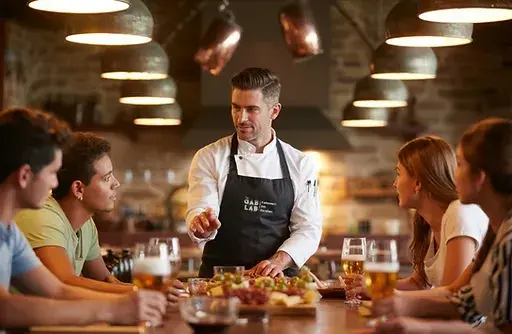
While making paella at home is rewarding, there's nothing quite like learning hands-on in Barcelona—the heart of Spanish culinary culture. Our Ultimate Paella Cooking Class takes you from La Boqueria Market (where you'll learn to select the finest ingredients) through every step of the cooking process, culminating in a feast you've created yourself.
We've taught over 7,500 students from 90+ countries and earned recognition as Barcelona's #1 cooking experience. Our classes combine expert instruction, premium ingredients, market visits, tapas, sangria-making, and of course, hands-on paella cooking that delivers authentic results.
Whether you're planning a trip to Barcelona or perfecting your skills at home, remember that paella is more than a dish it's an edible expression of Spanish culture, history, and the joy of sharing exceptional food with people you care about.
Ready to master paella? Start with this recipe at home, and when you're ready for the full Barcelona experience, we'll welcome you to our kitchen with open arms. Until then, ¡buen provecho!
About Gastronomic Arts Barcelona: Ranked #1 on TripAdvisor and awarded "Best of the Best 2025-2026," we offer Barcelona's premier cooking classes and culinary experiences. Join us at Carrer de Lancaster, 10, or explore our classes at www.gastronomicartsbarcelona.com.


Comments